What is the difference between a shirasaya set and a koshirae set?
Updated Mar 2026
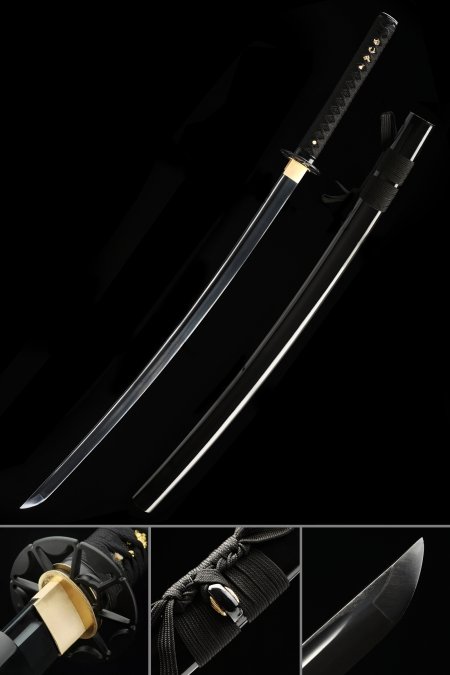
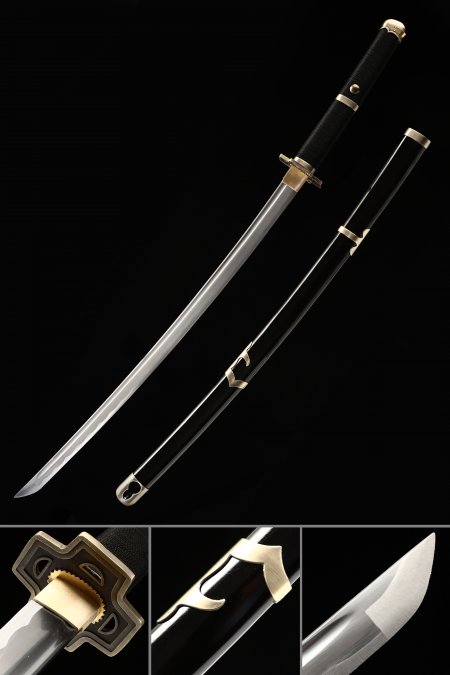
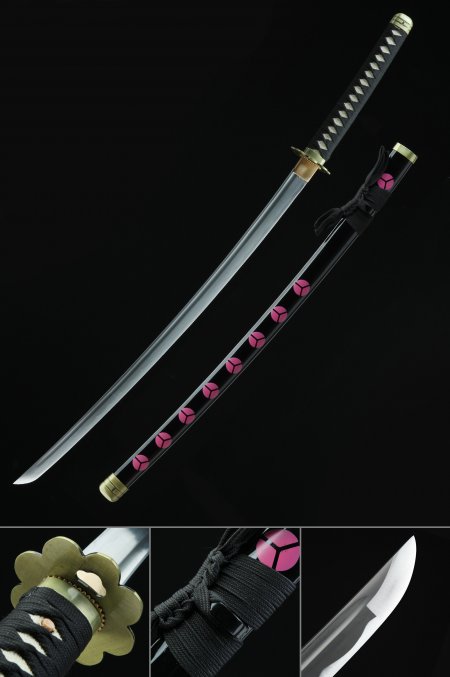
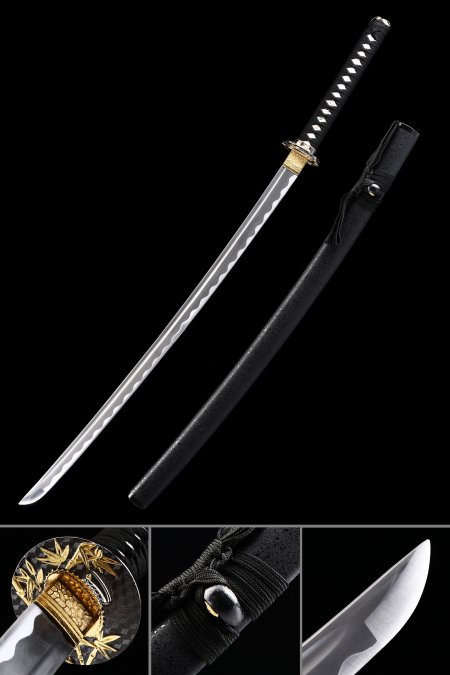
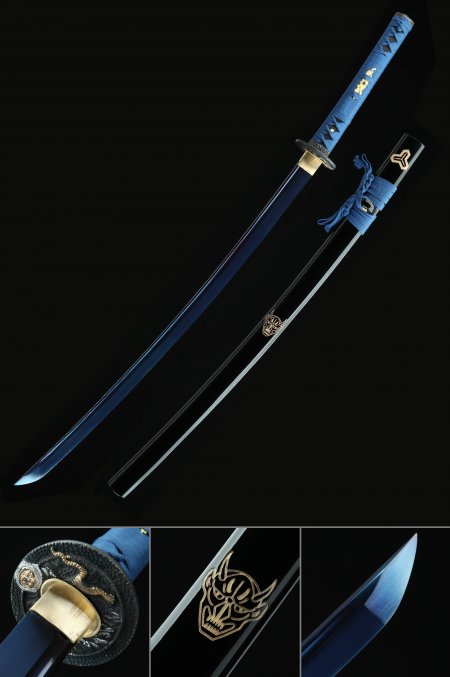
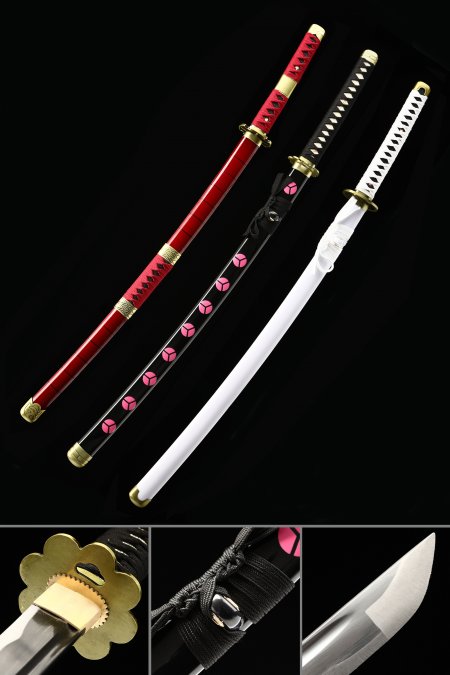
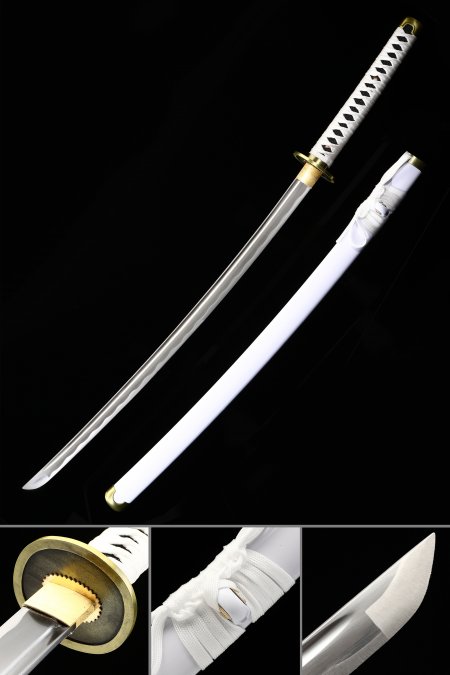
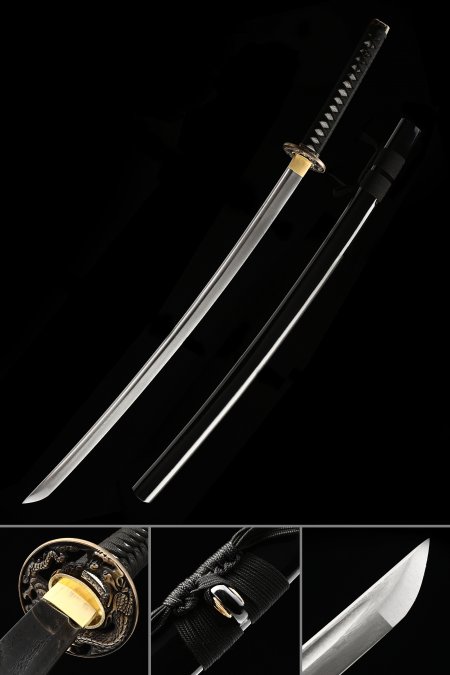
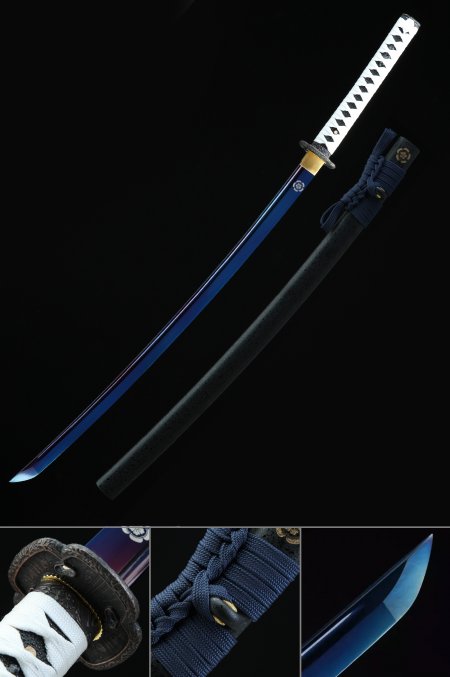
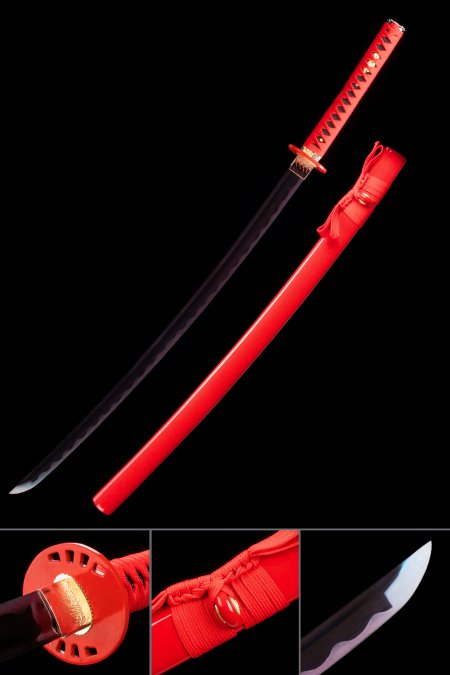
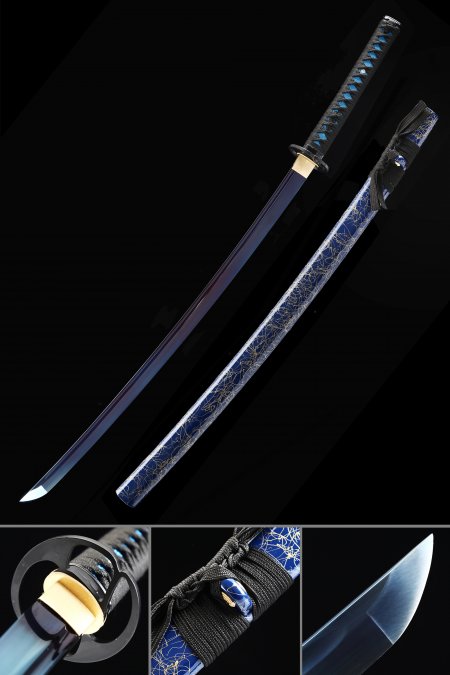
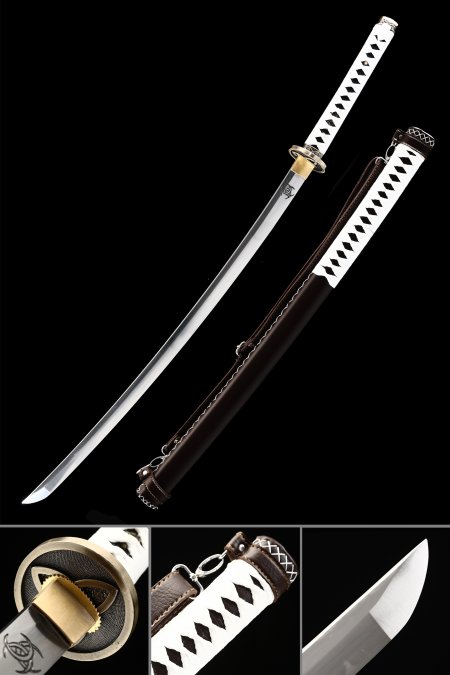
A shirasaya set presents all three blades in plain, unadorned wooden mounts — typically ho wood or rosewood — with no tsuba, ito wrap, or decorative fittings. This style originated as a storage configuration for blades between periods of active use, and today it appeals to collectors who prefer a minimalist aesthetic where the steel and hamon are the focal points. A koshirae set, by contrast, features full traditional mountings: tsuba, wrapped ito, menuki, and lacquered saya. The koshirae presentation is more visually elaborate and is the format associated with formal samurai display. Neither is more authentic than the other; the choice reflects the display context and the collector's preference for restraint versus ornamentation.