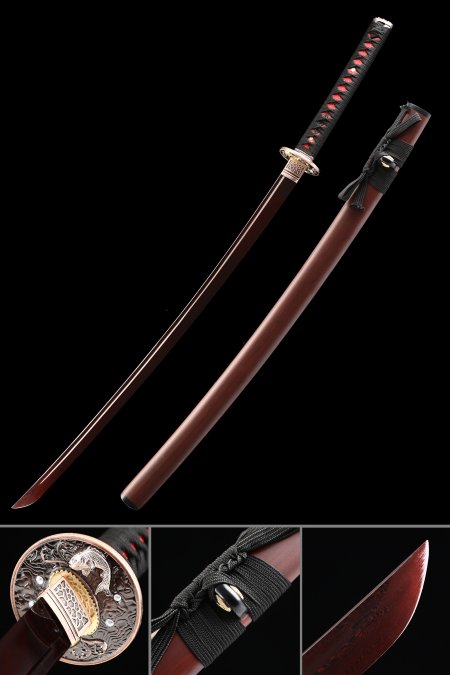
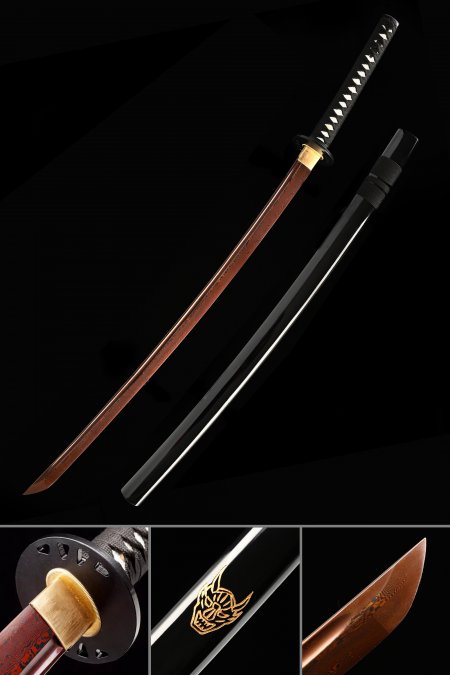
How does Damascus steel differ from 1095 carbon steel in these odachi?

 Updated Mar 2026

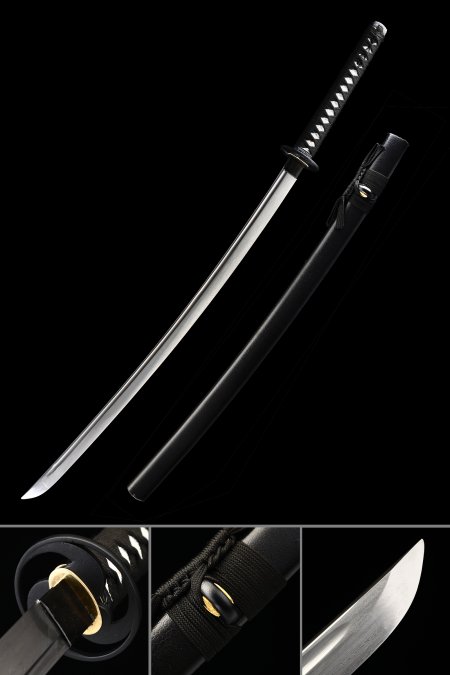
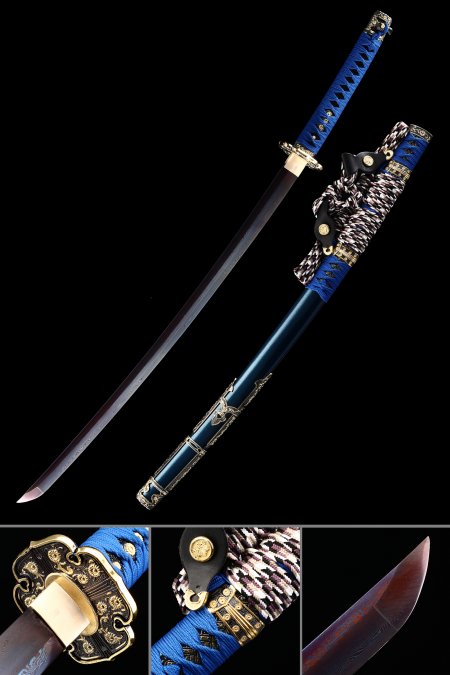
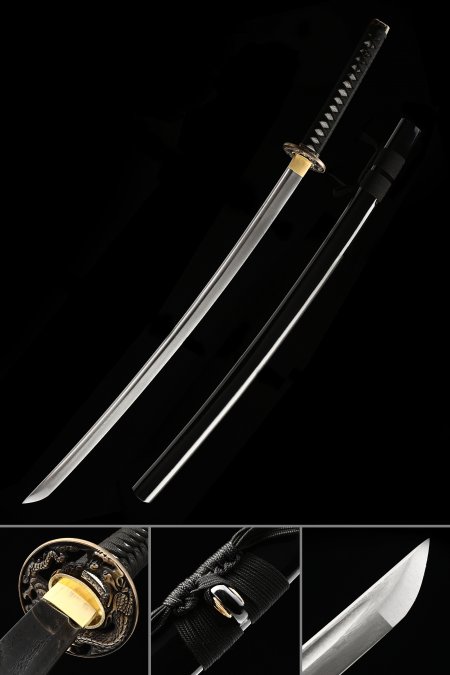
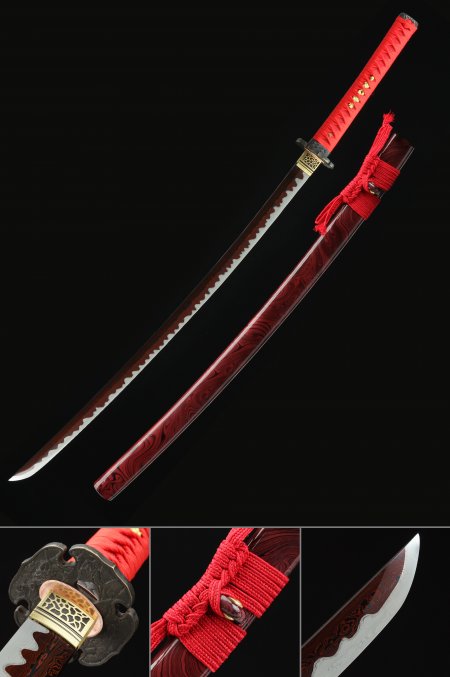
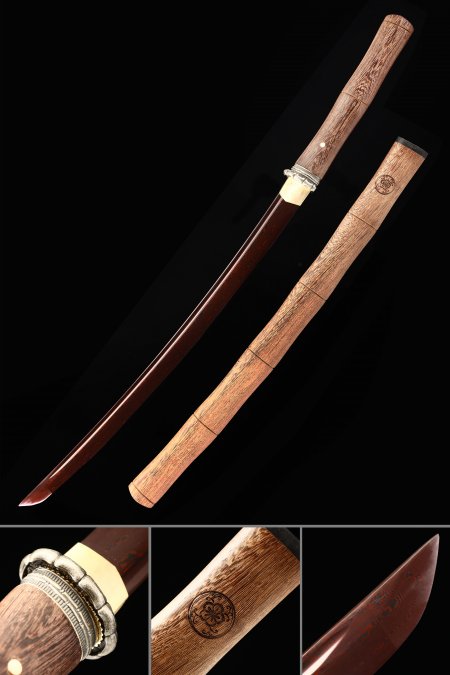
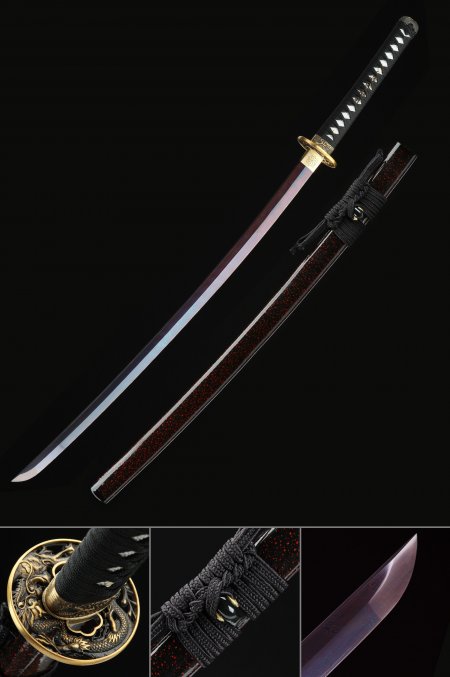
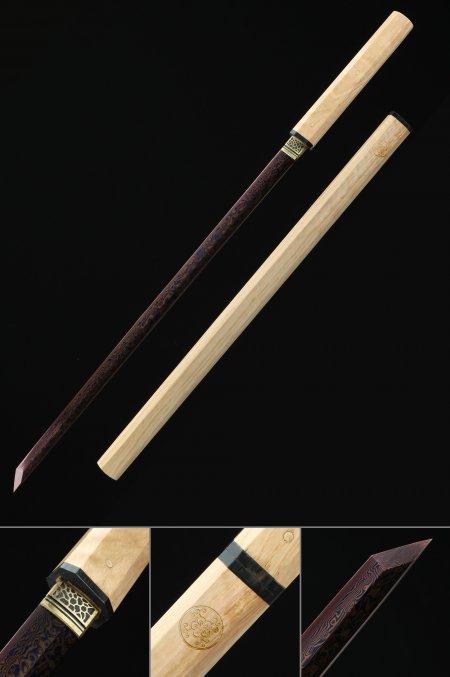
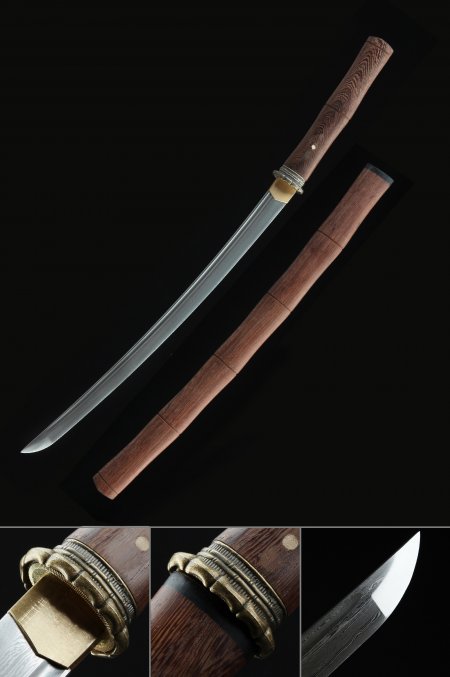
Damascus steel in these odachi is created by folding and forge-welding multiple layers of steel billet together, producing the characteristic flowing surface grain called hada. The visual appeal is immediate - no two Damascus blades share exactly the same pattern. High-carbon 1095 steel, by contrast, is a single-alloy steel prized for its consistency and its ability to develop a crisp, clearly defined hamon when clay tempered. The hamon - the misty line separating hardened edge from softer spine - is far more legible on 1095 than on Damascus. Collectors who prioritize surface pattern and visual drama often gravitate toward Damascus; those who appreciate traditional Japanese sword aesthetics and the interplay of light along a temper line tend to prefer clay-tempered 1095.
Popular Products

15% OFFshikomizue sword
229.00 USD
269.00 USD
15% OFFshort katana
199.00 USD
239.00 USD
20% OFFsamurai sword
289.00 USD
359.00 USD
15% OFFblack katana
179.00 USD
209.00 USD
15% OFFgolden katana
199.00 USD
229.00 USD
20% OFFtachi sword
249.00 USD
309.00 USD
20% OFFblack katana
159.00 USD
199.00 USD
20% OFFdamascus katana
329.00 USD
409.00 USD
20% OFFmodern wakizashi
209.00 USD
259.00 USD
20% OFFjapanese katana
229.00 USD
289.00 USD
15% OFFkatana sword
199.00 USD
239.00 USD
15% OFFkill bill sword
199.00 USD
229.00 USD
15% OFFshikomizue sword
229.00 USD
269.00 USD
15% OFFshort katana
199.00 USD
239.00 USD
20% OFFsamurai sword
289.00 USD
359.00 USD
15% OFFblack katana
179.00 USD
209.00 USD
15% OFFgolden katana
199.00 USD
229.00 USD
20% OFFtachi sword
249.00 USD
309.00 USD
20% OFFblack katana
159.00 USD
199.00 USD
20% OFFdamascus katana
329.00 USD
409.00 USD
20% OFFmodern wakizashi
209.00 USD
259.00 USD
20% OFFjapanese katana
229.00 USD
289.00 USD
15% OFFkatana sword
199.00 USD
239.00 USD
15% OFFkill bill sword
199.00 USD
229.00 USD

Explore Our Collections