How does Damascus steel differ from 1060 or 1095 carbon steel in a tachi?
Updated Mar 2026
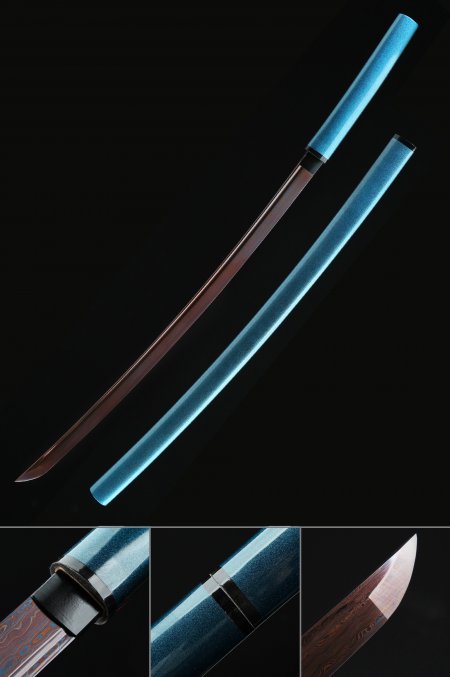
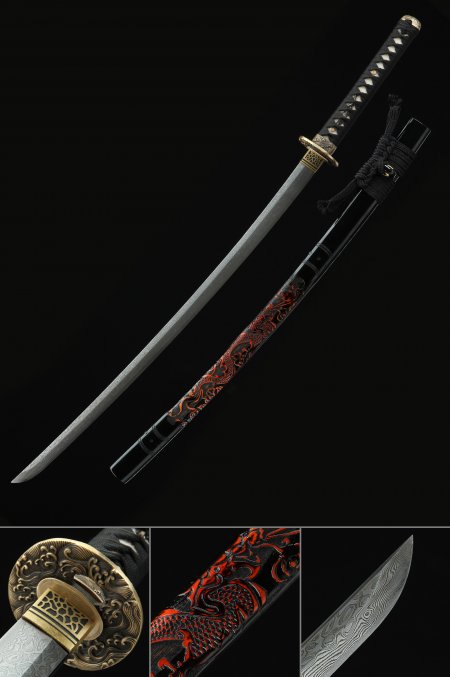
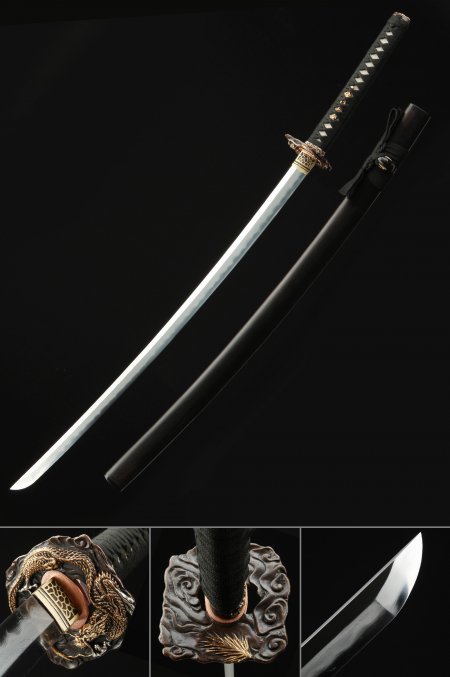
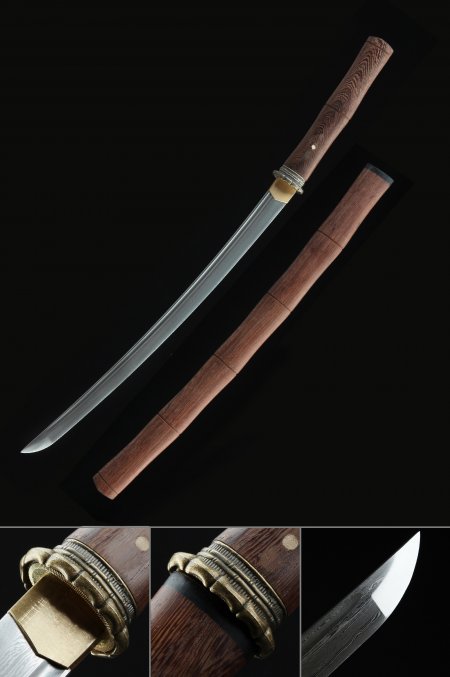
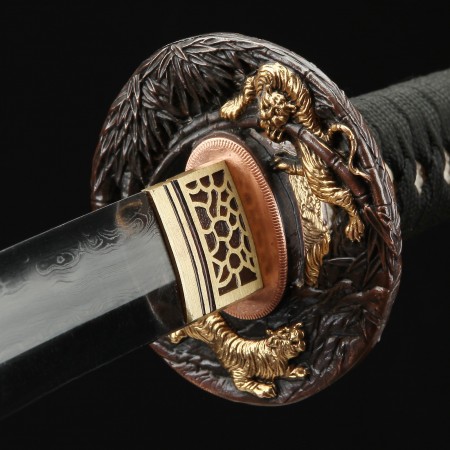
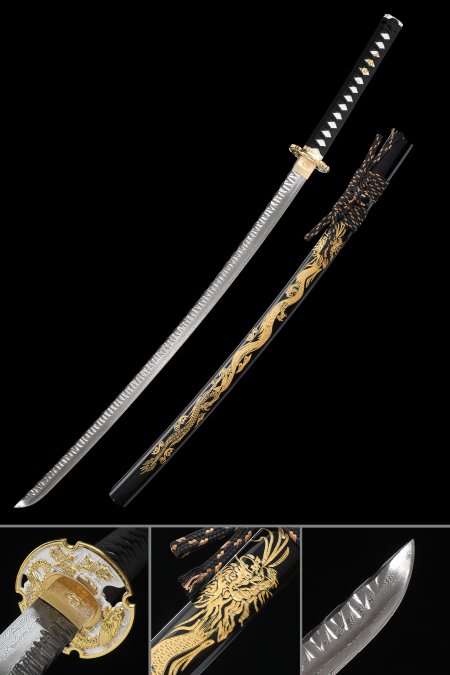
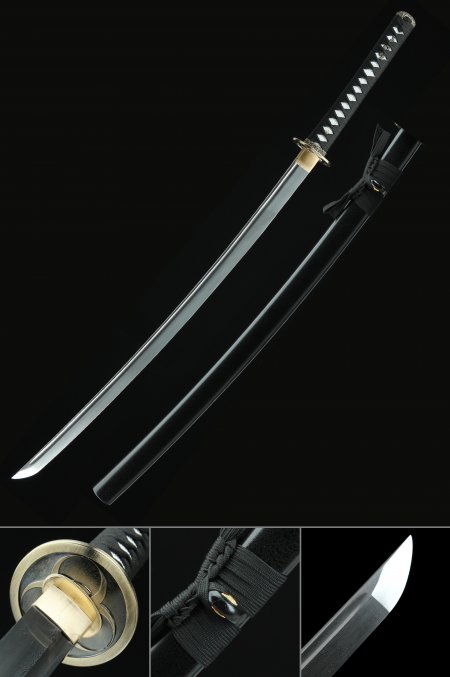
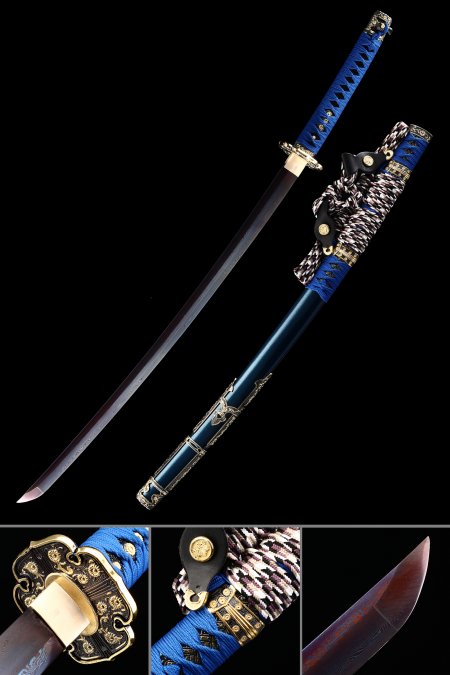
Damascus steel, in the context of modern hand-forged swords, refers to pattern-welded construction where two or more steel types are forge-welded together and manipulated through folding and twisting to create a layered grain visible on the surface. The resulting pattern - often described as flowing, woodgrain-like, or watered - is the primary visual distinction and is prized for its aesthetic complexity. 1060 and 1095 designations refer to monosteel carbon content: 1060 contains approximately 0.60% carbon and offers a balance of edge retention and flexibility, while 1095 at roughly 0.95% carbon is harder and capable of a sharper, more defined edge with clear hamon definition under proper heat treatment. For display collectors, Damascus offers dramatic surface texture; for those interested in the technical and historical study of blade geometry and temper lines, high-carbon monosteel like 1095 often presents a cleaner picture of the smith's hardening work.