How does clay tempering affect a Zanpakuto collectible's appearance?
Updated Mar 2026
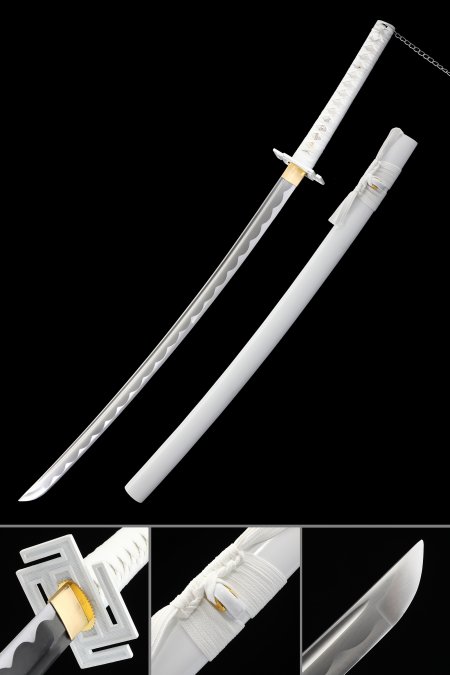
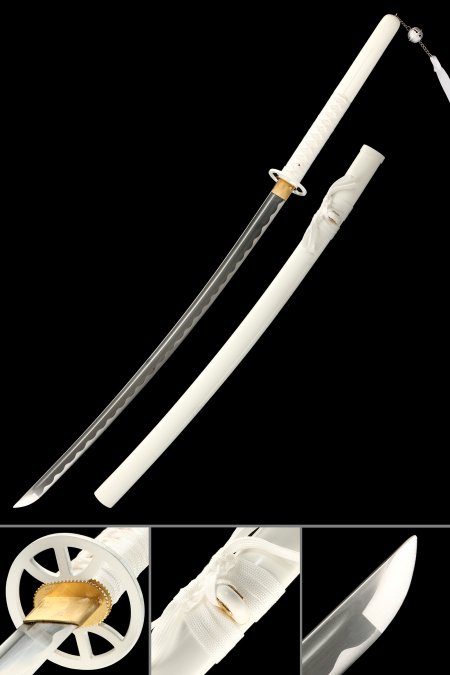
Clay tempering, known in Japanese craft as tsuchioki, involves applying a clay mixture to the blade before the final quench. Areas left exposed cool faster, creating a hardened edge, while the clay-coated spine cools slowly and remains more flexible. The visual result is a hamon - a wavy or irregular line running along the blade where these two zones meet. On the Sode no Shirayuki replica, this process produces a naturally occurring pattern unique to each piece, meaning no two blades look exactly alike. For collectors, this is a meaningful distinction: it connects an anime-inspired collectible to genuine Japanese blade-making tradition rather than purely decorative manufacturing.