Is Damascus steel or T10 steel a better choice for a display katana?
Updated Mar 2026
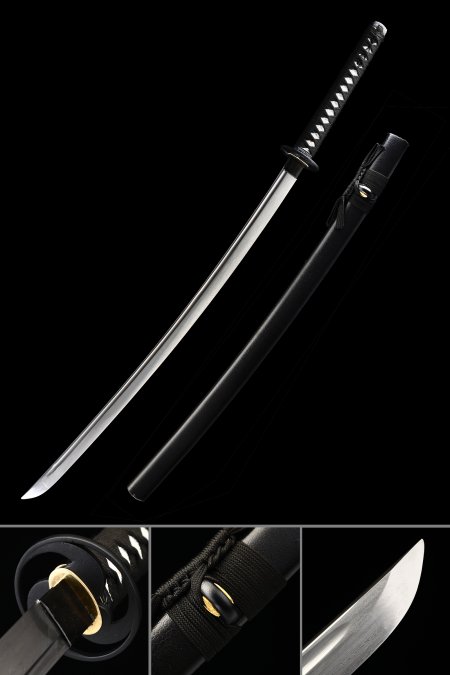
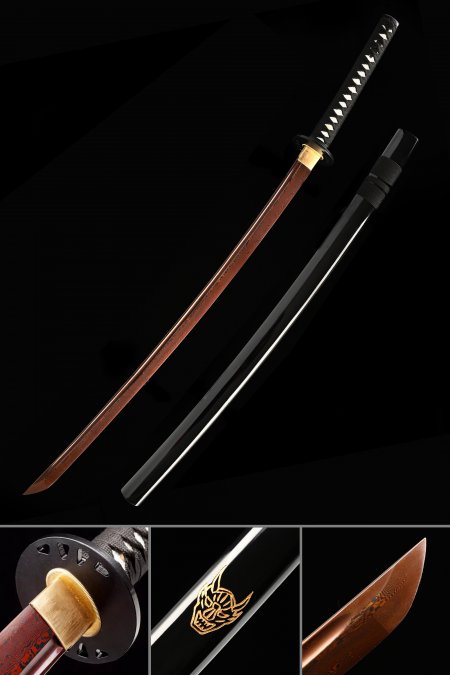
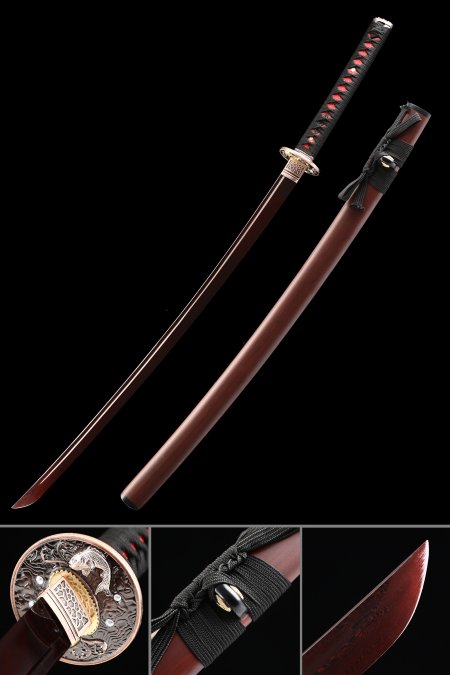
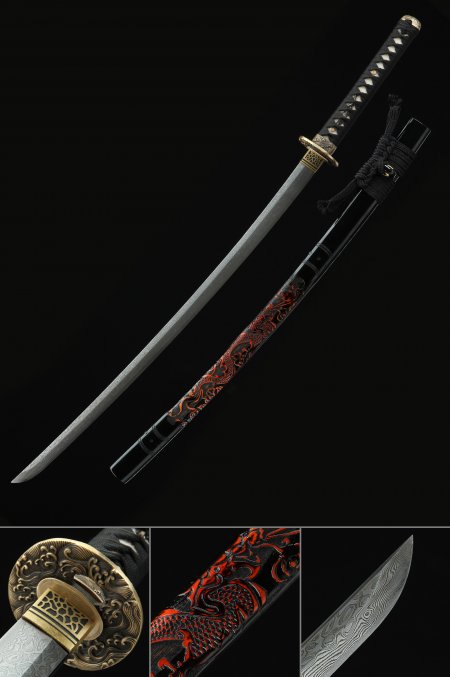
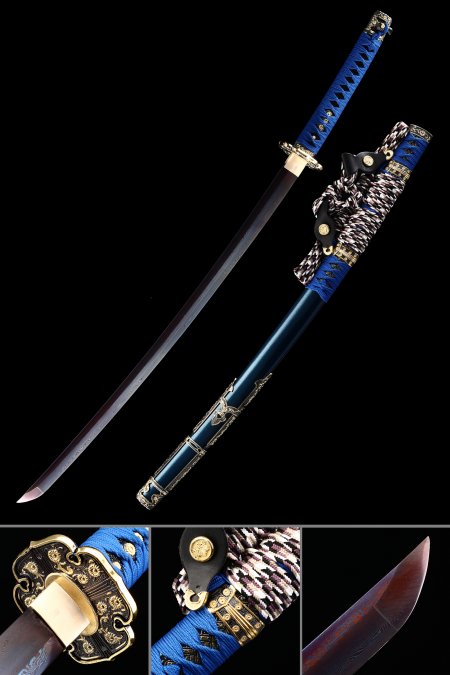
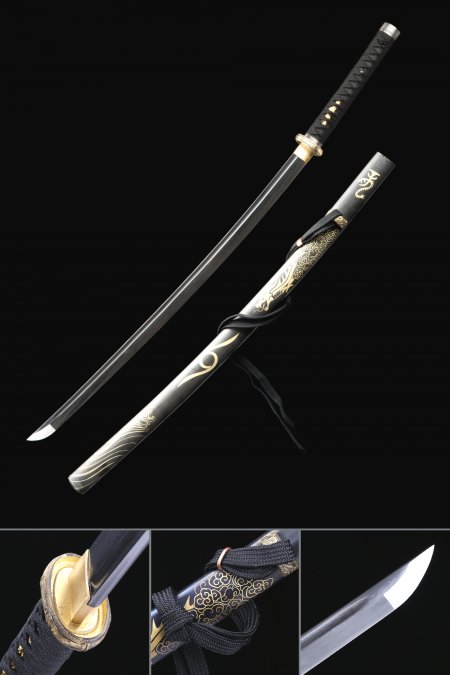
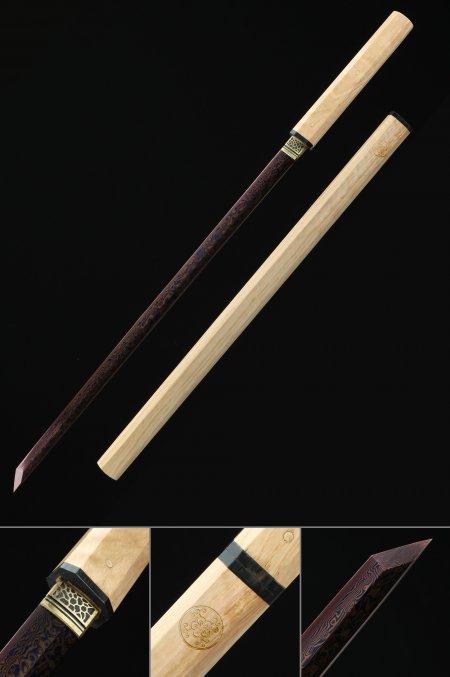
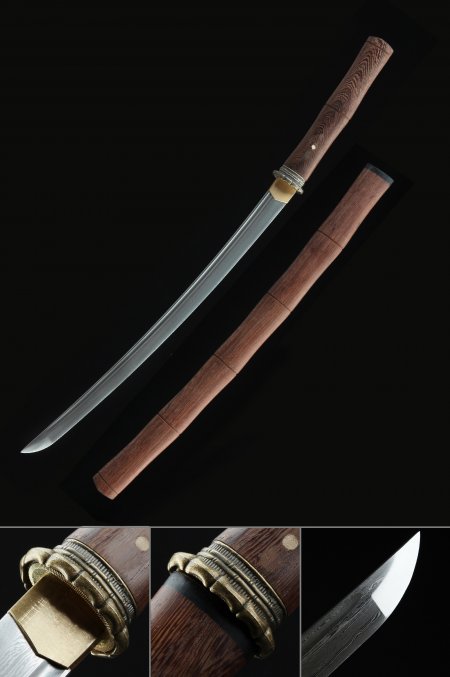
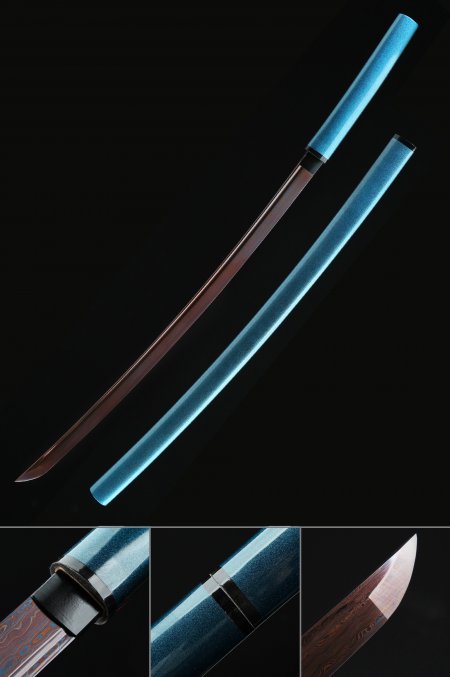
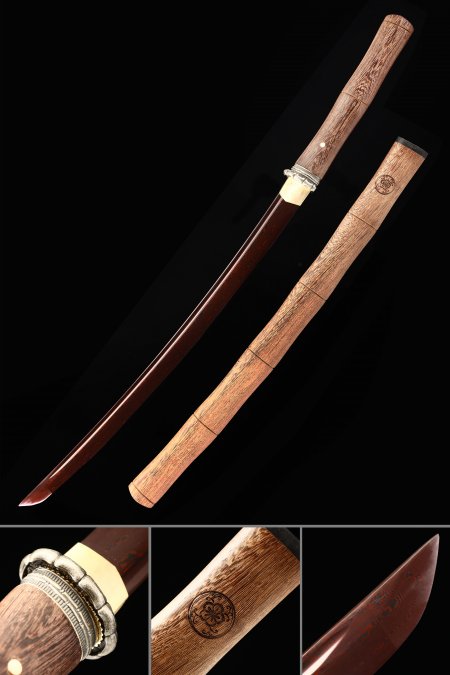
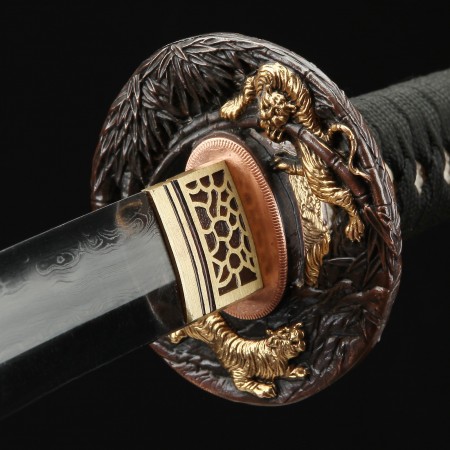
Both are excellent choices, but they appeal to different collector priorities. T10 high-carbon tool steel produces a cleaner, more traditional blade aesthetic - the hamon is sharply defined and the polished surface has a classic mirror quality that closely mirrors historical Japanese swords. It is a steel that rewards collectors who value historical authenticity in appearance. Damascus steel, by contrast, showcases a flowing, layered grain pattern across the entire blade surface - a result of forge-welding multiple steel billets and repeated drawing and folding. This creates a blade that is visually dramatic and highly distinctive, appealing to collectors drawn to the craftsmanship process itself. From a structural standpoint, both steels, when clay tempered, produce a hard edge and resilient spine. The choice ultimately comes down to aesthetic preference: understated classical elegance versus bold, visible craftsmanship.