What is clay tempering and why does it matter on a chokuto?
Updated Mar 2026
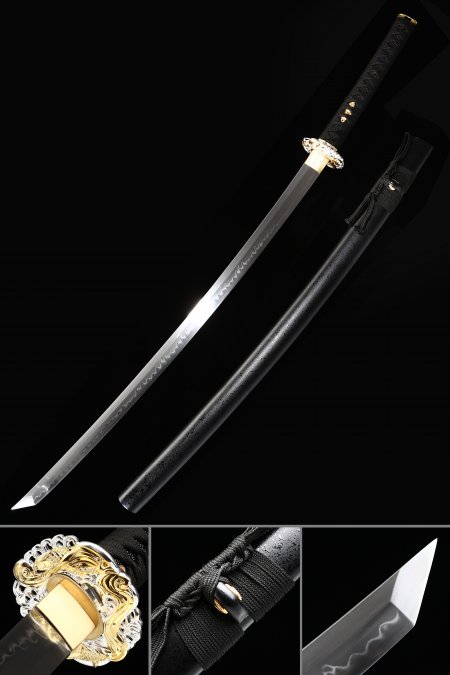
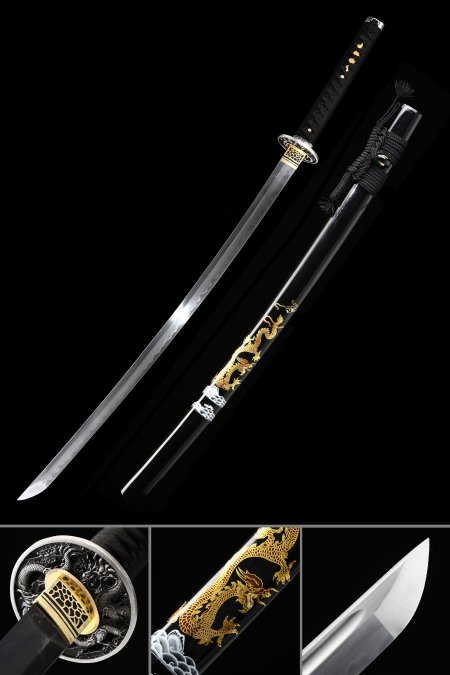
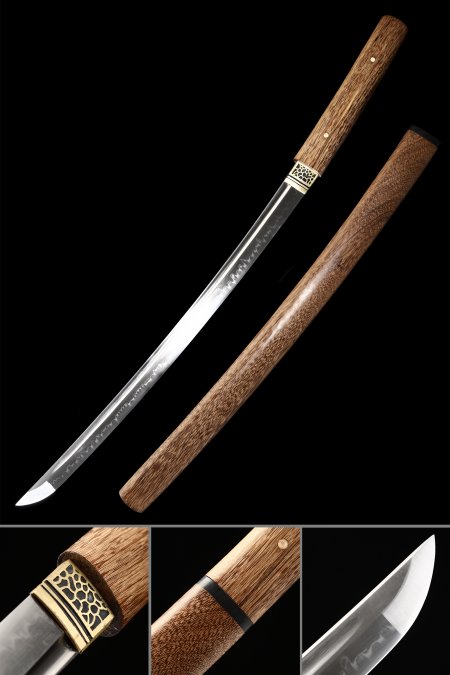
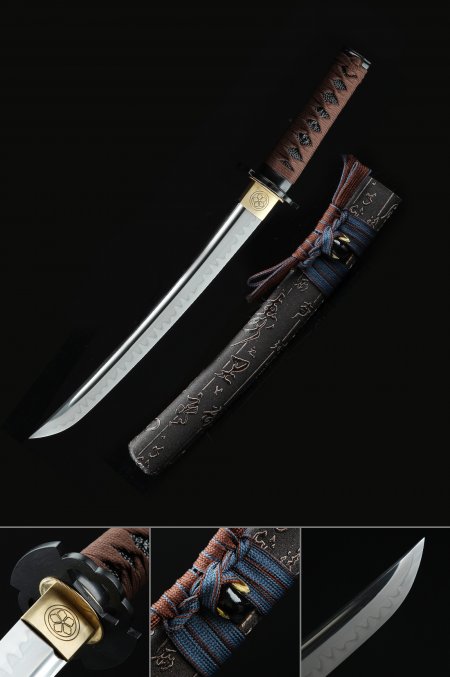
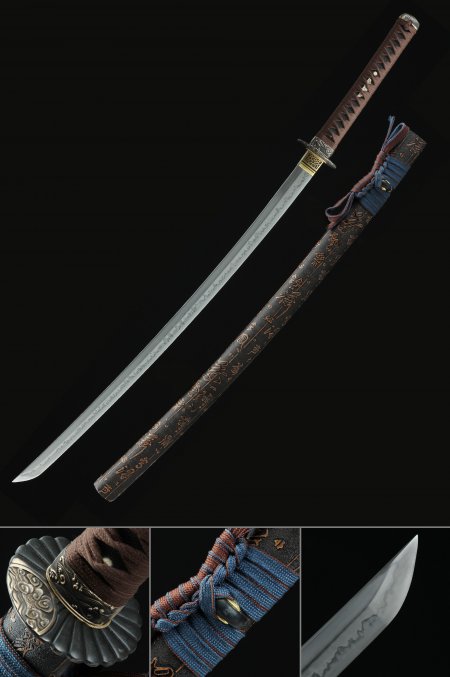
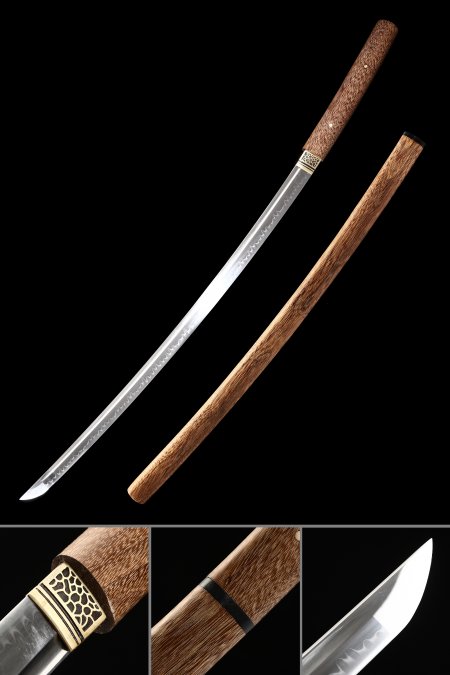
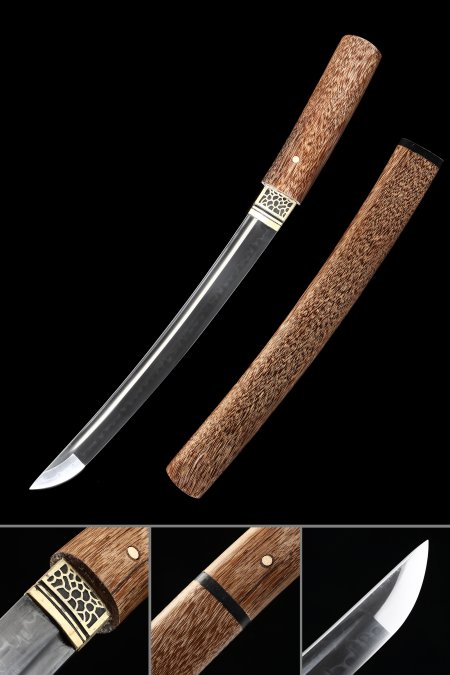
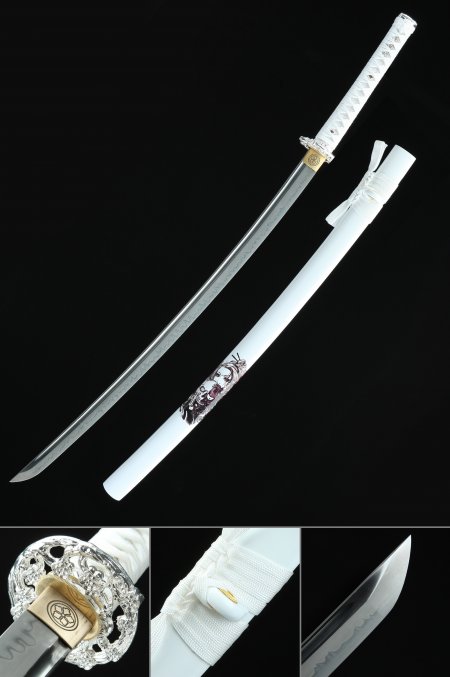
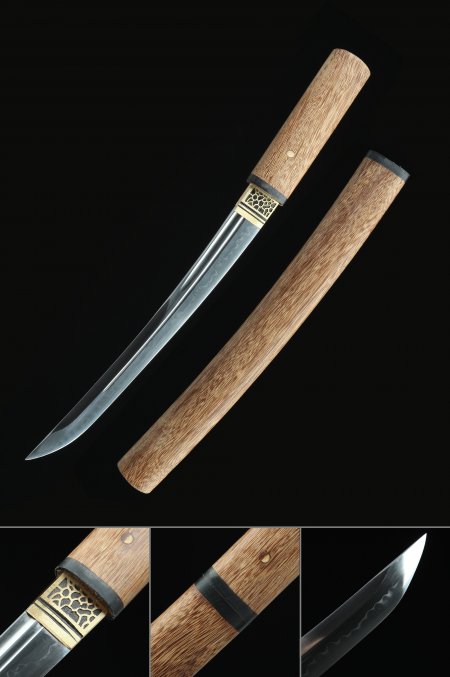
Clay tempering is a traditional heat treatment process in which a layer of clay is applied along the spine of the blade before quenching. The clay insulates that section, causing it to cool more slowly than the exposed edge. The result is a blade with two distinct zones of hardness — a harder edge and a more flexible spine — and a visible hamon, the undulating temper line that runs between them. On a T10 steel chokuto, this hamon is a genuine structural feature, not a cosmetic etch. Because the pattern is produced by the actual quench, every hamon is unique. For collectors, a clay-tempered blade carries considerably more technical and aesthetic value than a through-hardened or acid-etched alternative.