Is a naginata a good centerpiece for a Japanese arms display?
Updated Mar 2026
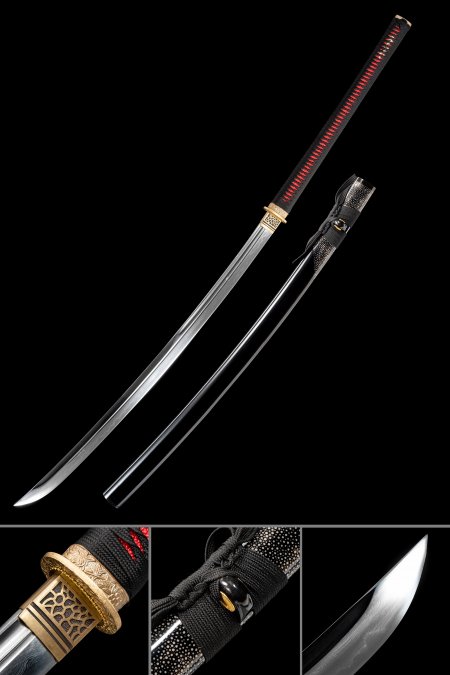
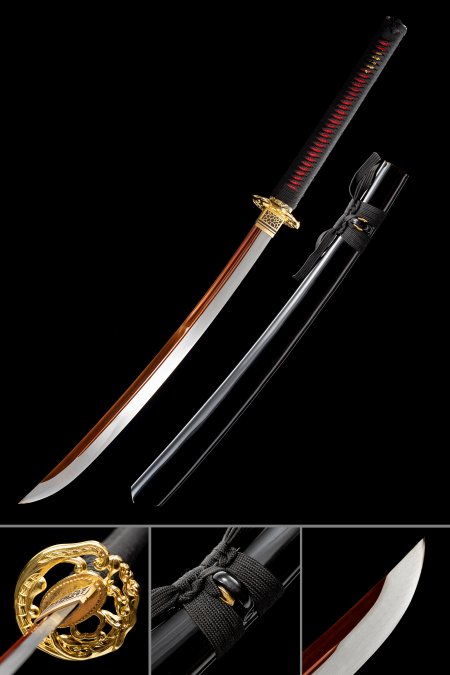
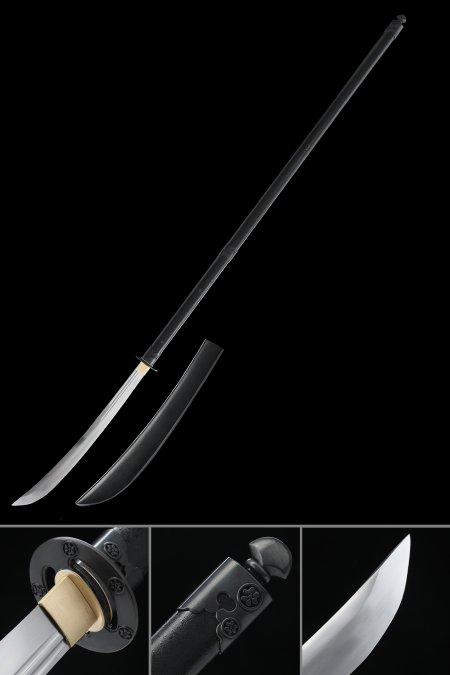
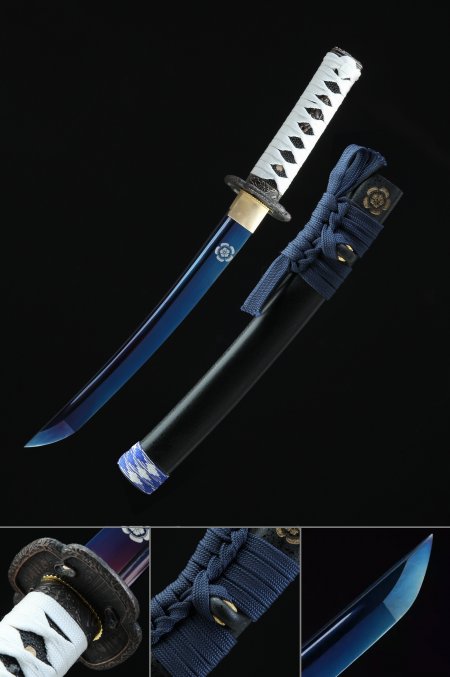
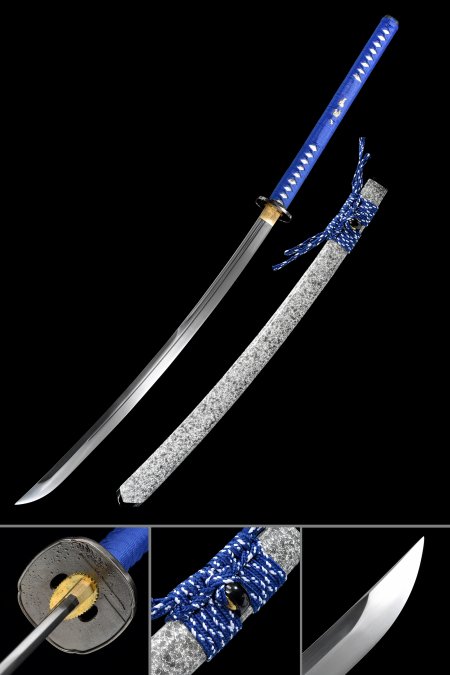
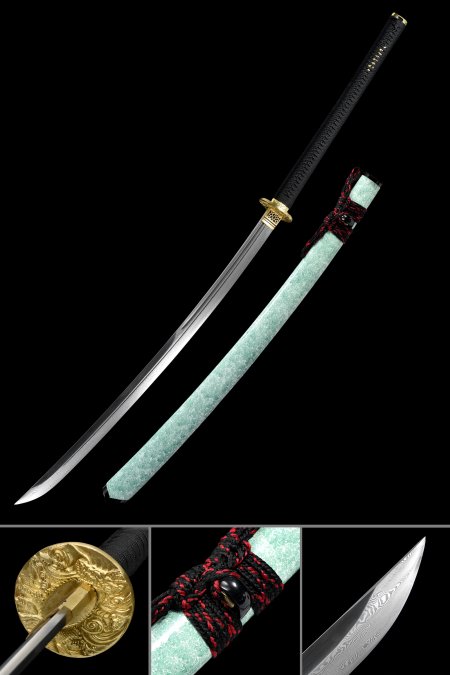
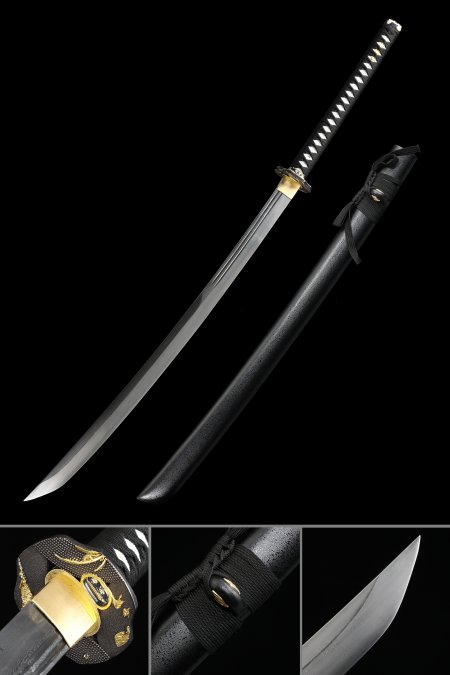
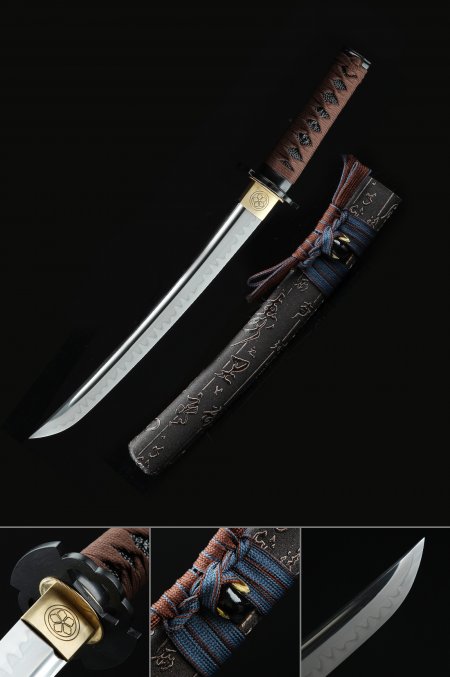
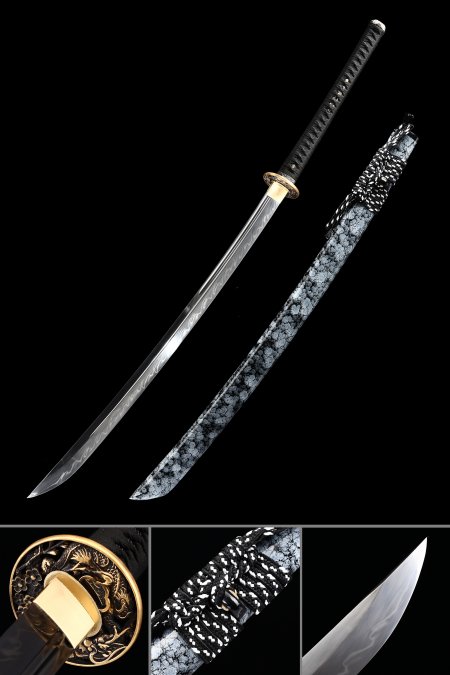
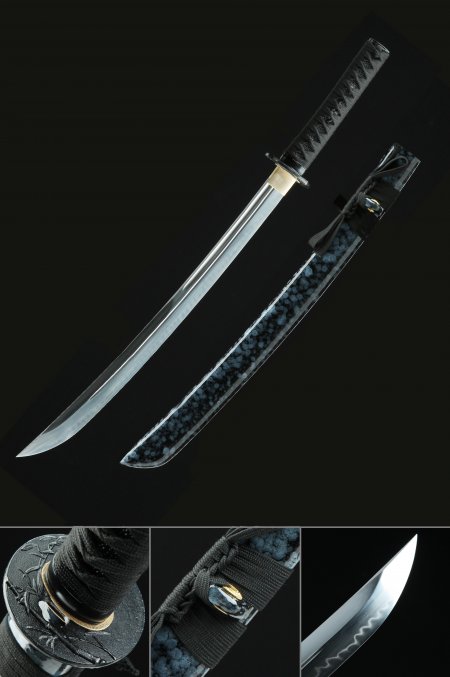
Among Japanese polearm forms, the naginata offers one of the strongest visual presences in a display setting. Its total length - typically around 118 cm across most collectible configurations - creates natural scale contrast when positioned alongside katana or tanto, giving a curated collection genuine dimensional variety. The curved blade geometry reads differently from every viewing angle, making it effective both horizontally on a wall mount and vertically on a floor stand. Collectors often anchor a display around one high-presence piece like a naginata, then build outward with blade types that complement it in mounting color and tsuba style. For example, a blue-saya naginata with a copper tsuba pairs well with similarly mounted katana in the same lacquer family. If you are expanding a collection beyond single-blade forms, naginata with ornate tsuba - such as wave or flower motifs - also serve as natural conversation anchors that illustrate the breadth of Japanese blade-mount artistry.