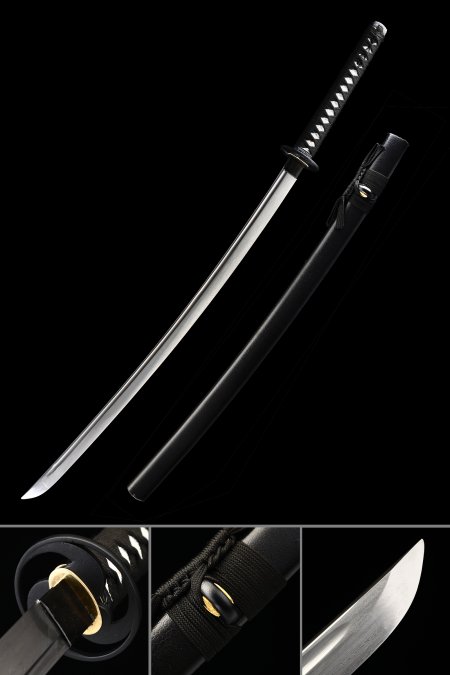
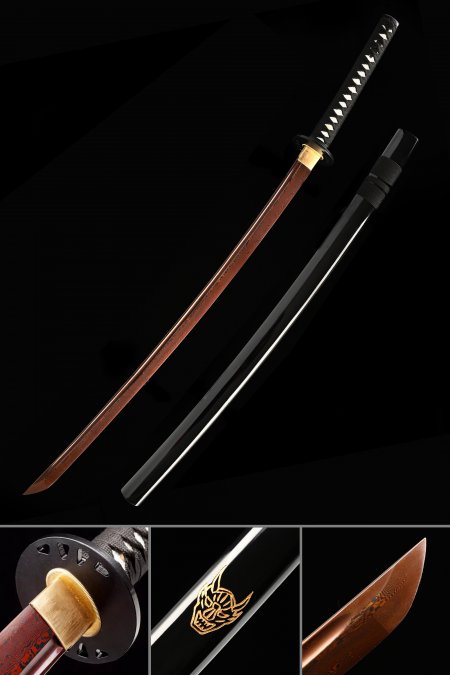
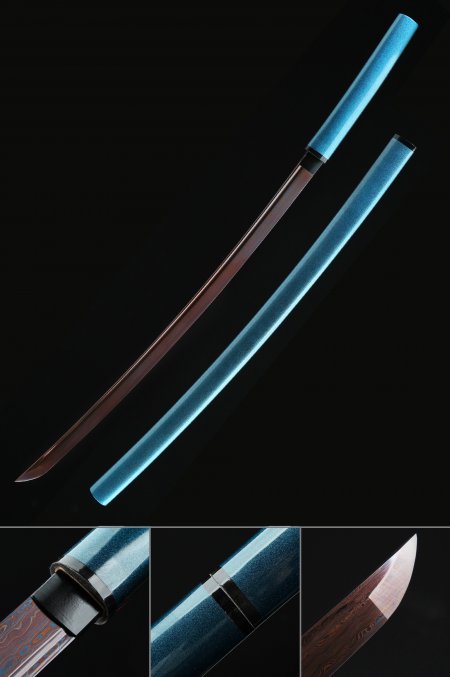
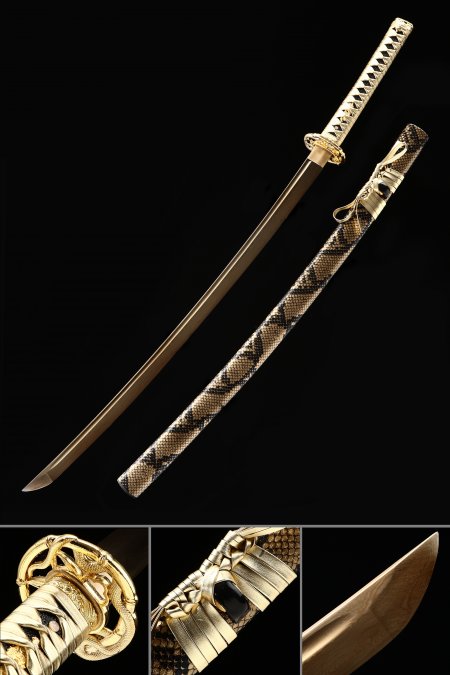
What makes a katana "genuine" vs. a decorative replica?
Updated Mar 2026
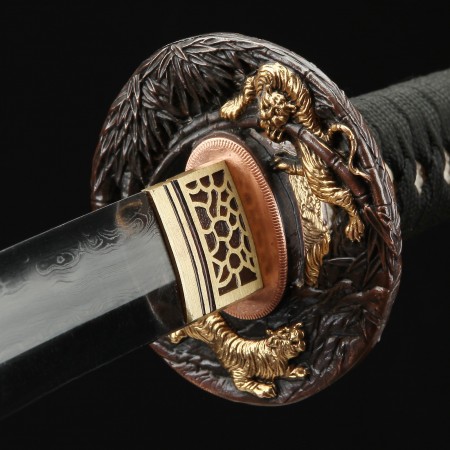
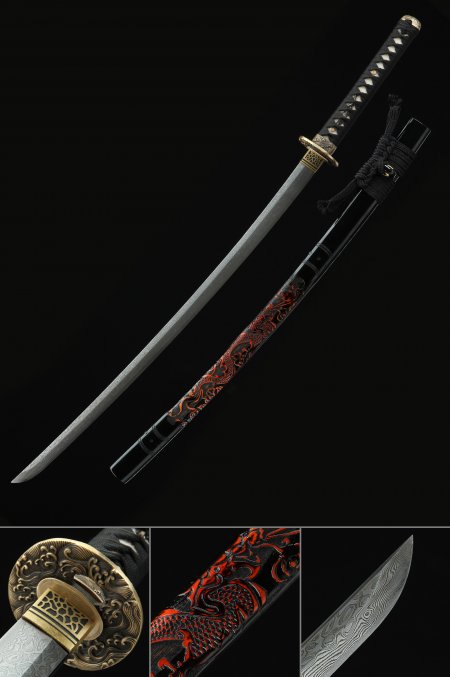
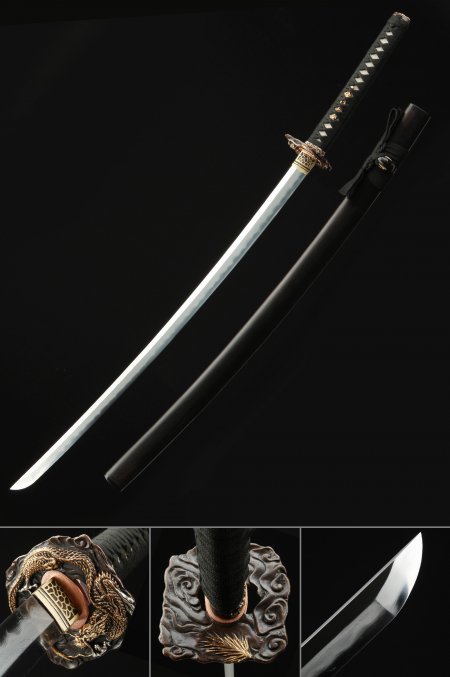
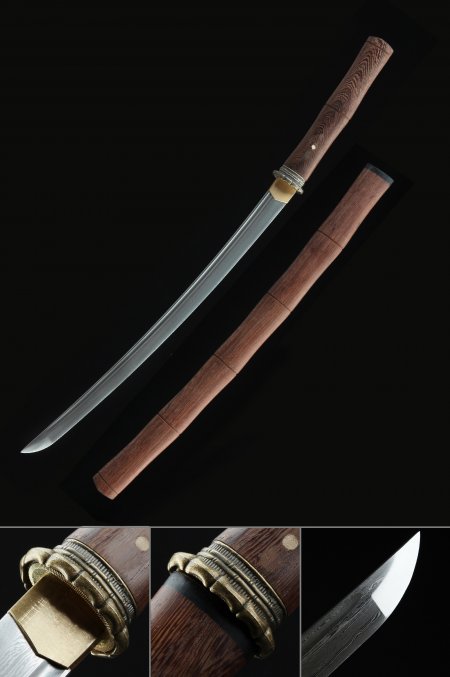
The distinction comes down to three things: steel composition, construction method, and heat treatment. A genuine katana starts with high-carbon steel - typically T10 tool steel or a Damascus layered billet - rather than stainless steel. It is hand-forged and ground to the correct geometry, then clay tempered so the edge and spine cool at different rates during quenching. This differential hardening produces a real, metallurgically formed hamon rather than one that is etched or acid-washed onto the surface. Decorative replicas skip this process entirely, using stainless steel that cannot be meaningfully heat treated and relying on surface finishes to simulate the appearance of a functional blade. The full-tang construction - where the steel extends the full length of the handle - is another reliable indicator. Decorative pieces often use rat-tail tangs or threaded bolts, which compromise structural integrity and collector value alike.