How does an aikuchi differ from a tanto or a wakizashi?
Updated Feb 2026
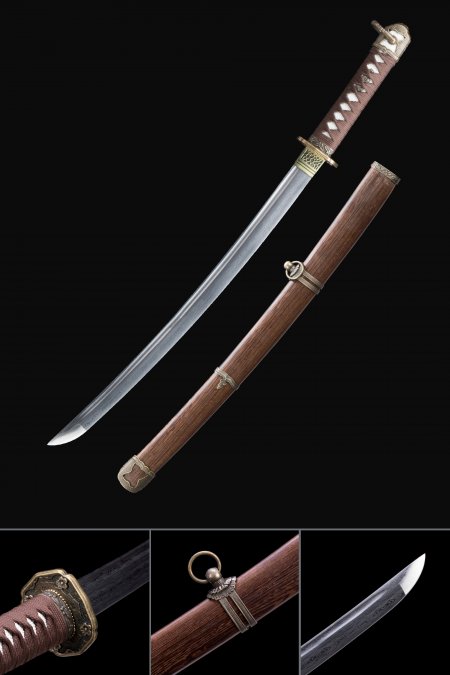
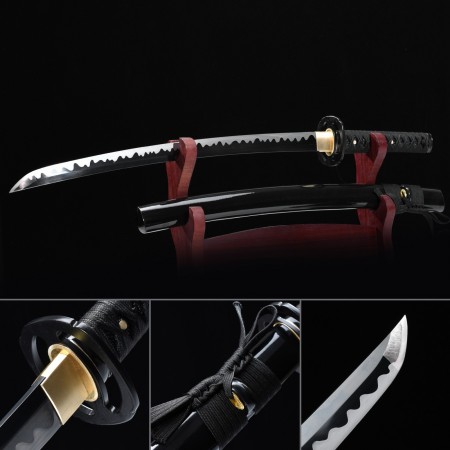
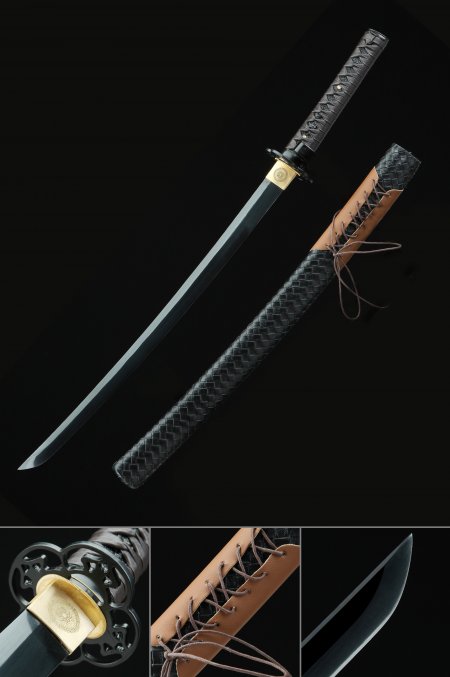
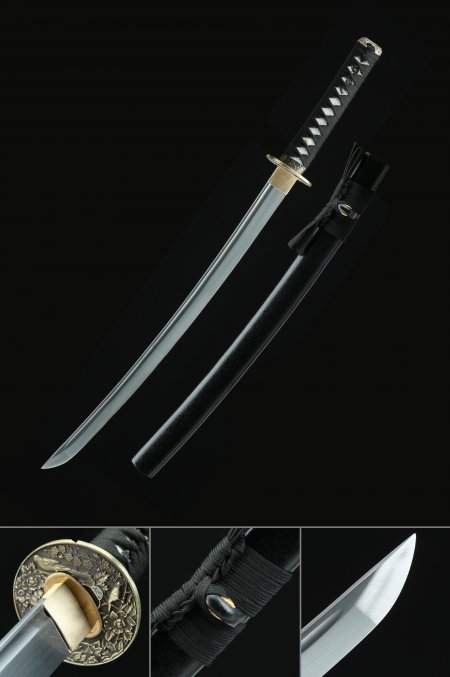
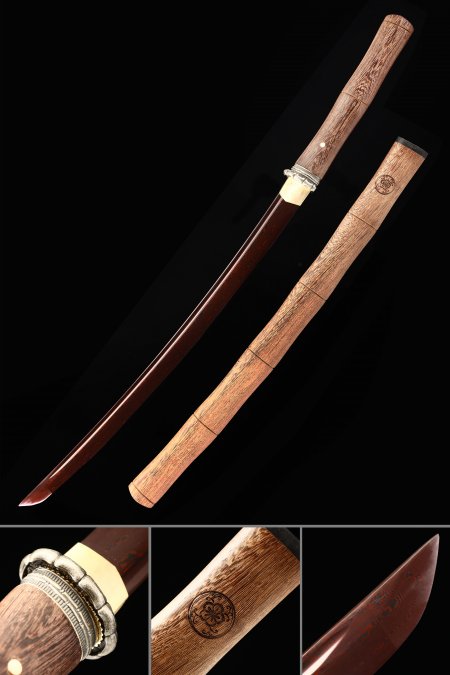
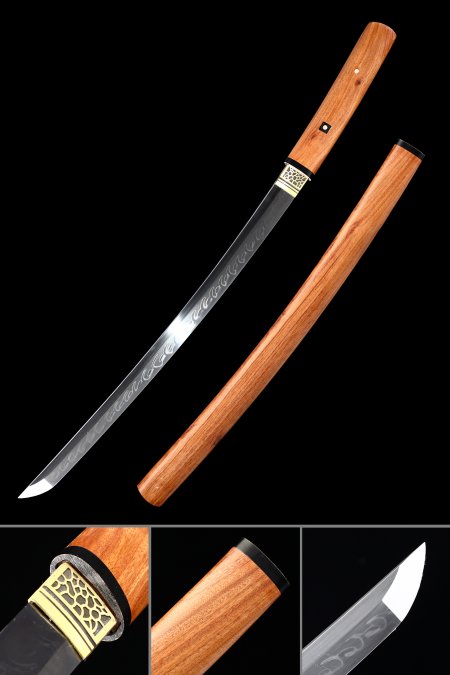
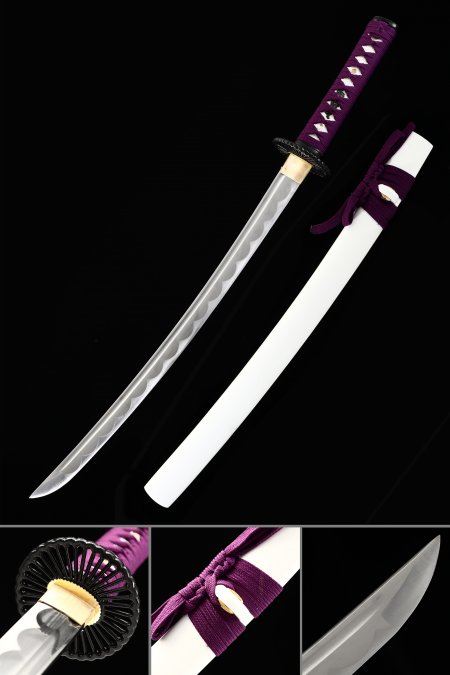
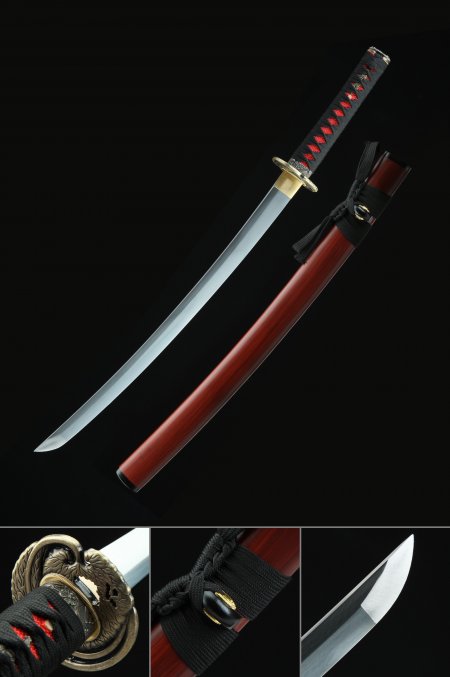
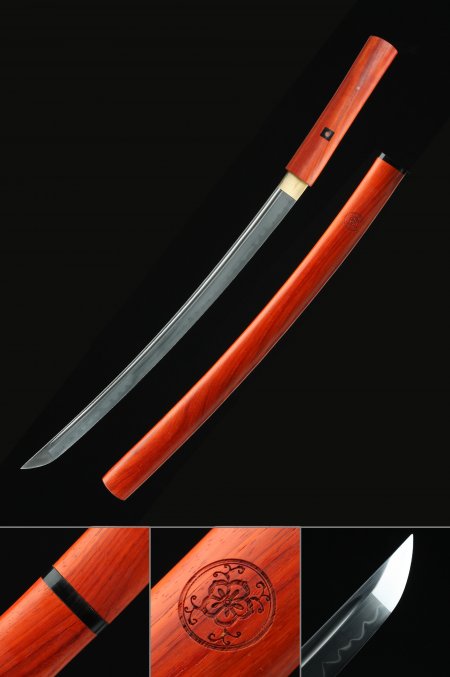
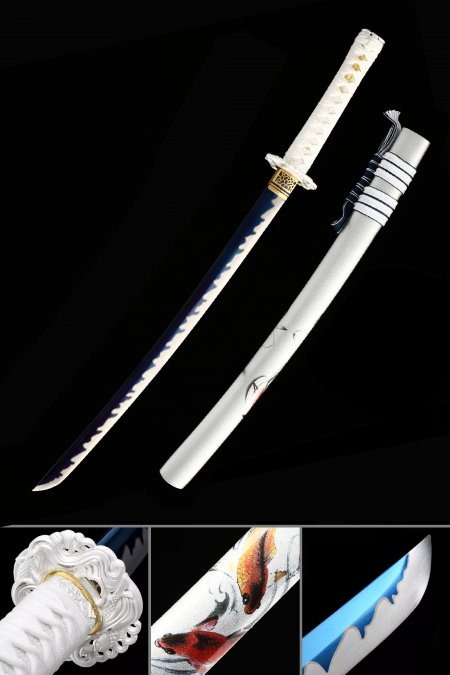
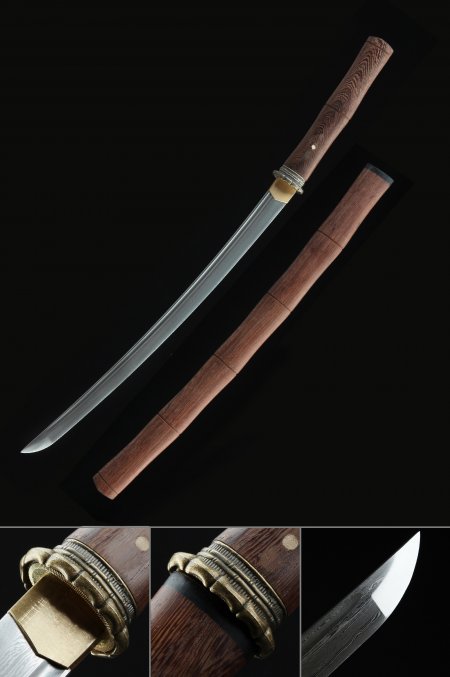
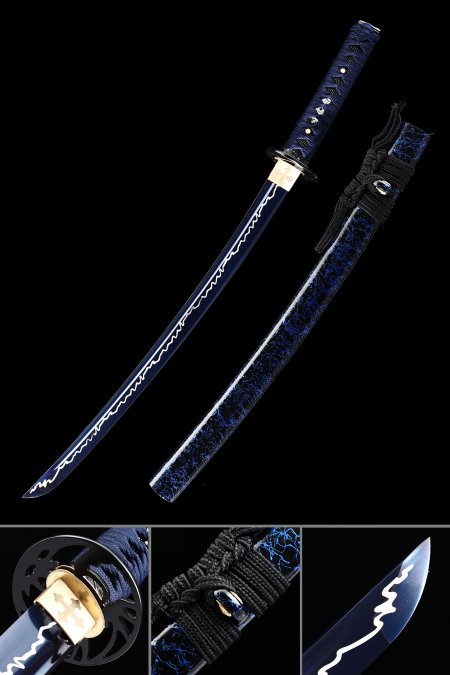
All three are short-to-medium Japanese blade forms, but they differ meaningfully in design and historical context. A tanto is defined primarily by its blade length — typically under 12 inches — and usually features a tsuba (hand guard) as part of its mountings. A wakizashi is longer, generally between 12 and 24 inches, and also typically includes a tsuba. The aikuchi is distinguished not by length but by its mounting style: it is assembled entirely without a tsuba, so the handle fits flush against the scabbard mouth with no guard between them. This tsuba-absent construction was historically associated with civilian dress wear and court contexts where a visible guard was considered unnecessary or aesthetically undesirable. Modern collectible aikuchi preserve this defining characteristic, making the guardless flush-mount silhouette the primary identifier regardless of blade length.