What makes stainless steel a good choice for collectible Japanese swords?
Updated Feb 2026
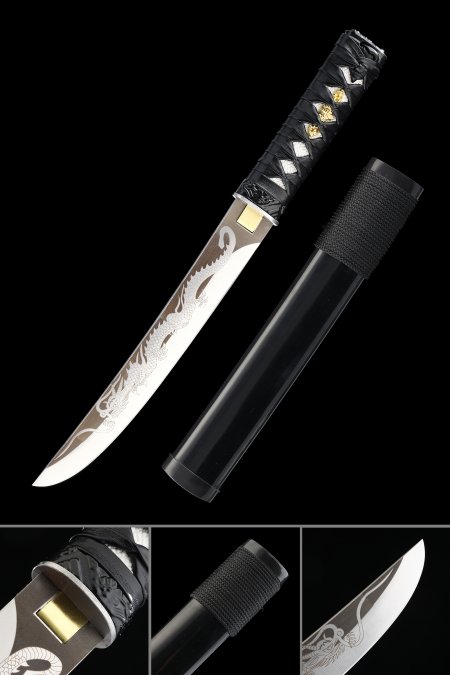
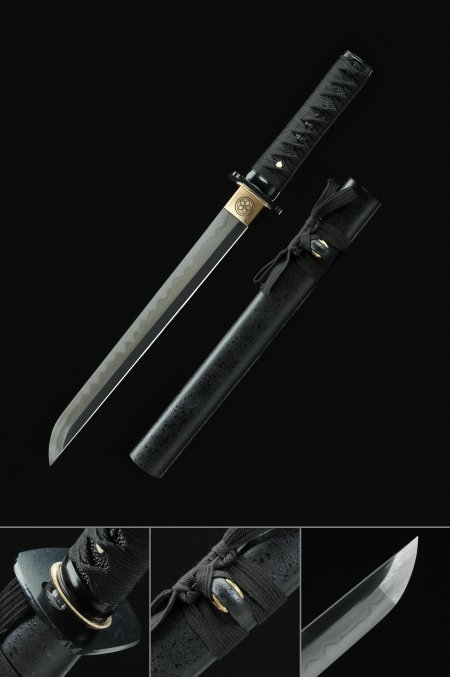
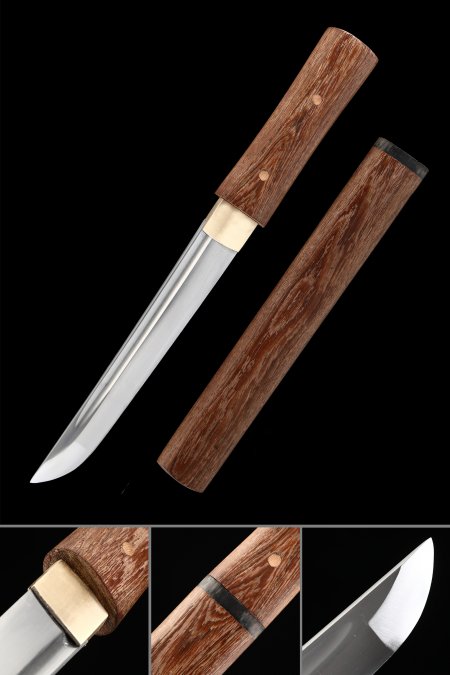
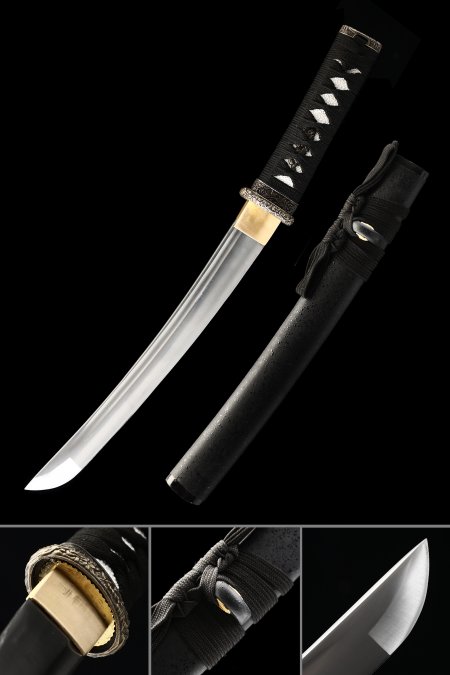
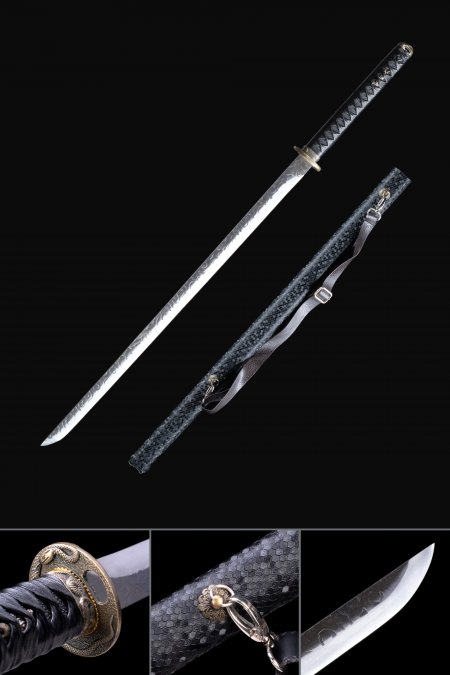
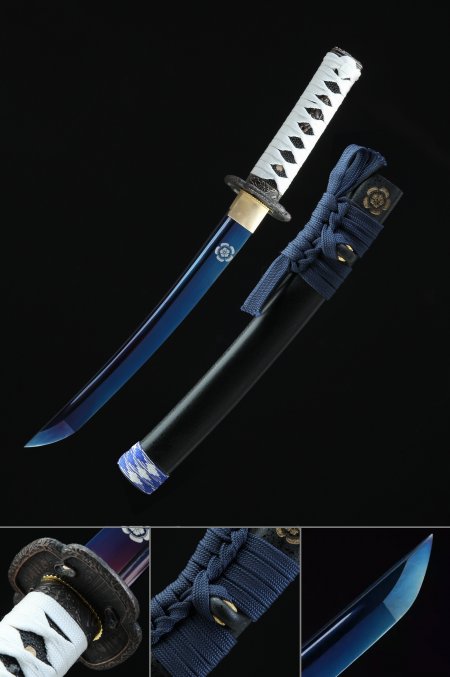
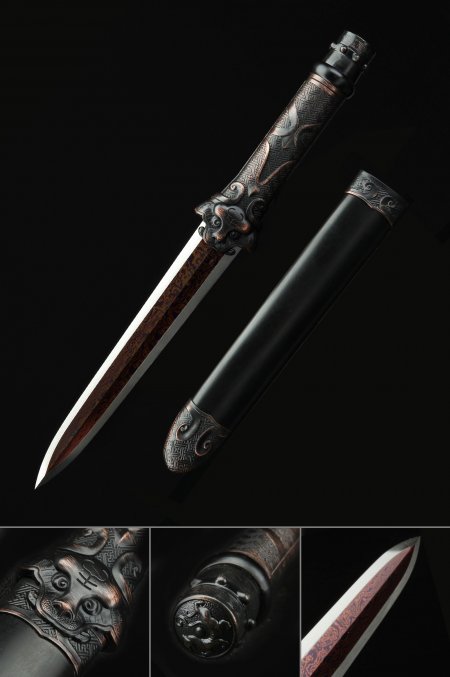
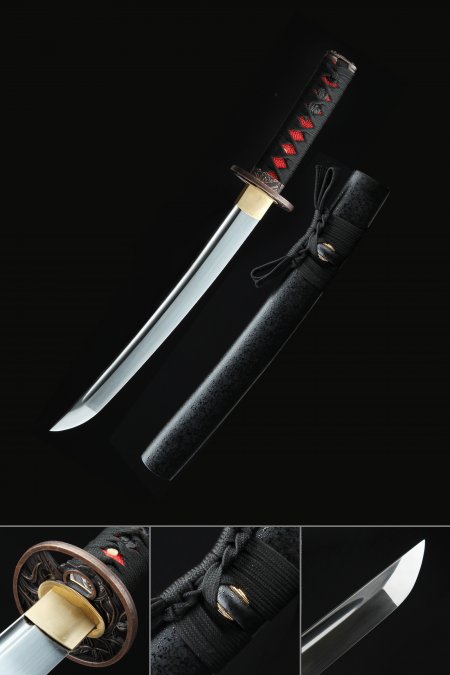
Stainless steel contains a minimum of roughly 10.5% chromium, which reacts with oxygen to form a thin, self-repairing oxide film on the blade surface. This passive layer dramatically slows oxidation, so a stainless steel katana or tanto can sit on a display stand for years without developing the rust spots that plague untreated carbon steel. For collectors who want an authentic-looking Japanese sword without committing to a rigorous oiling and powdering routine, stainless steel is the most practical option. It also accepts decorative etching and laser engraving beautifully, which is why many of our stainless blades feature cherry blossom, dragon, or vine motifs with crisp, lasting detail.