How does clay tempering create a visible hamon on T10 steel?

 Updated Feb 2026

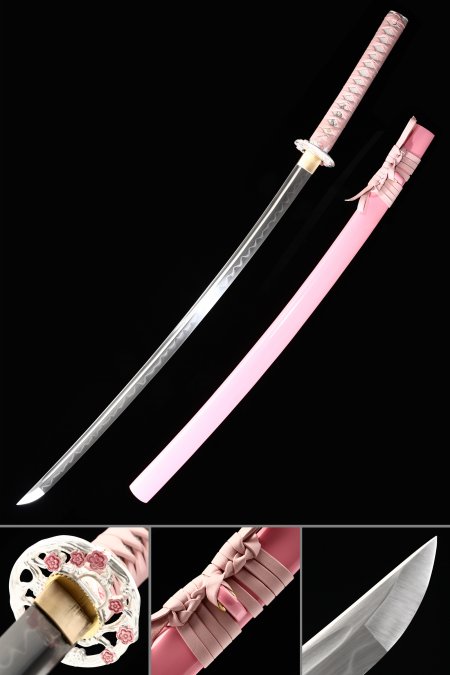
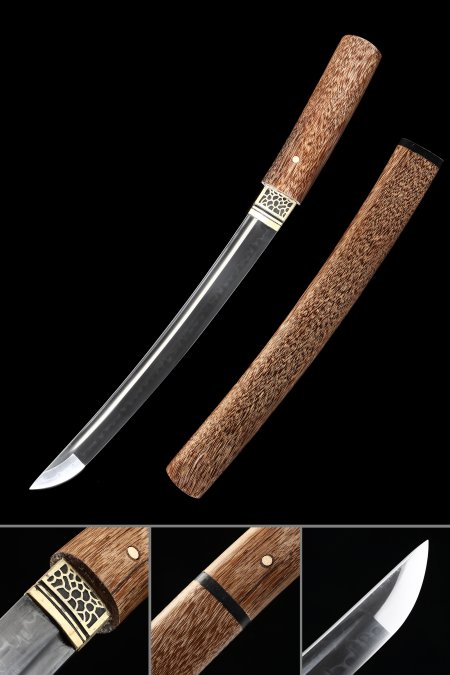
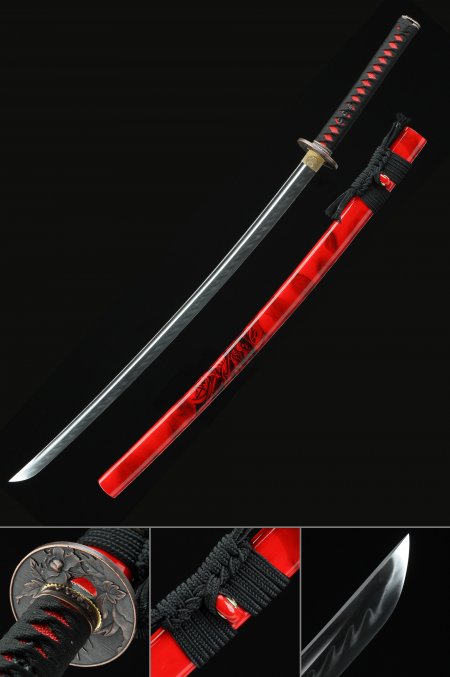
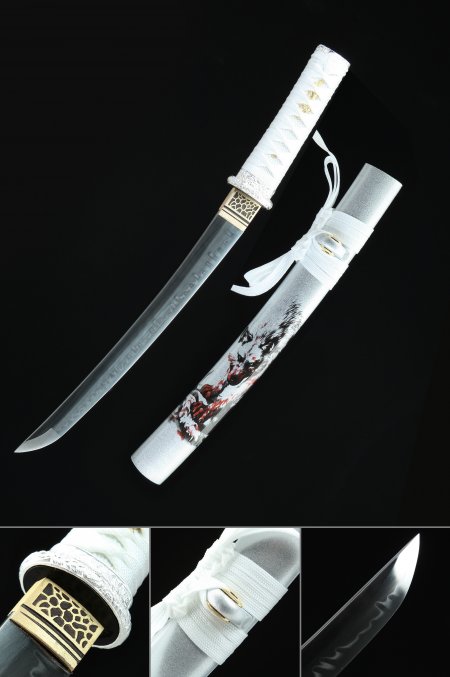
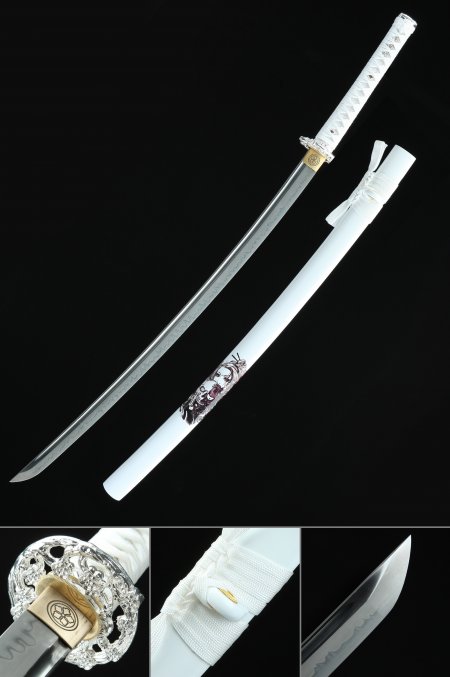
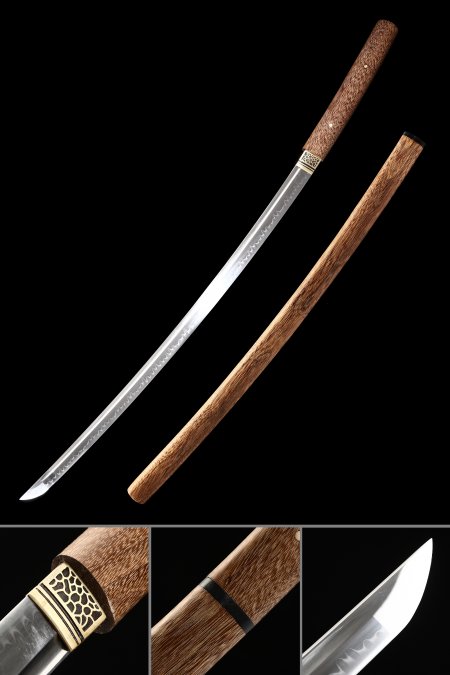
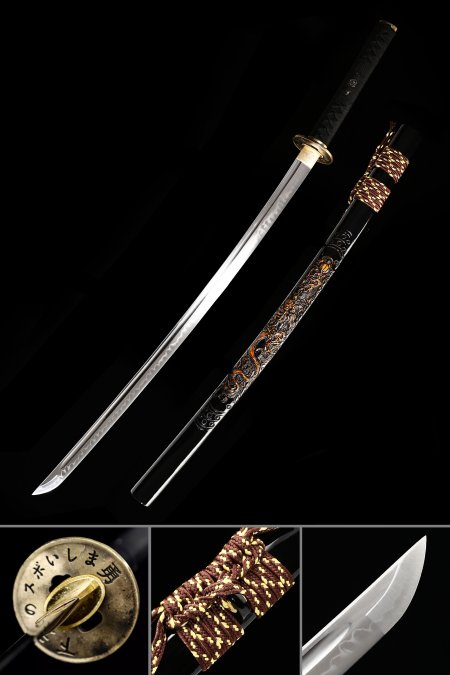
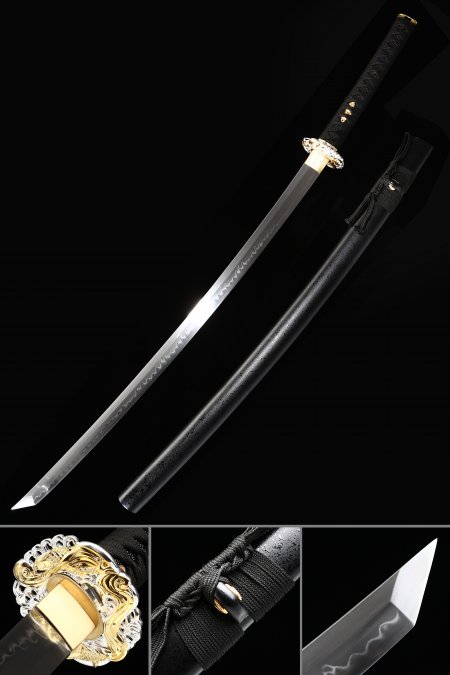
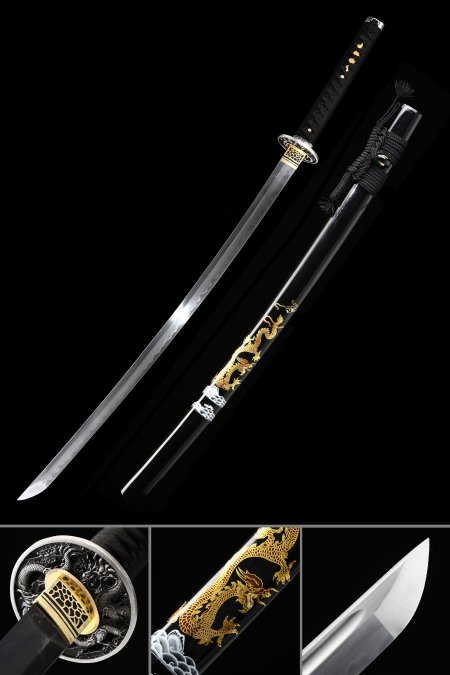
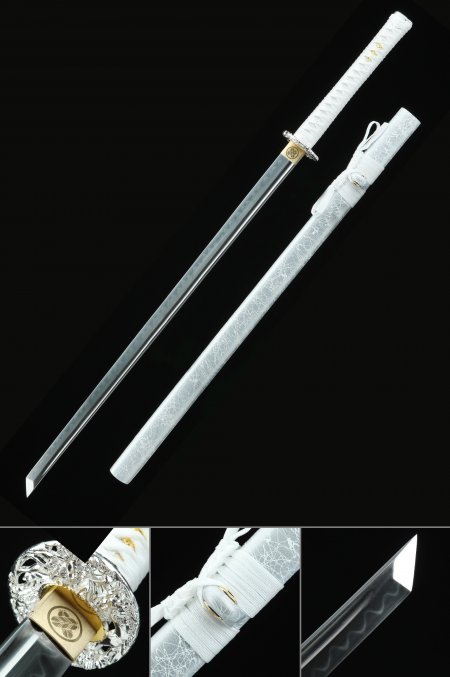
Clay tempering involves applying a layer of clay mixture of varying thickness along the blade before the quenching process. The spine, coated more thickly, cools slowly and remains relatively soft and resilient, while the edge, thinly coated or left bare, cools rapidly and hardens. The boundary between these two zones produces the hamon — a visible temper line that appears as a misty, wavelike pattern along the blade after polishing. T10 tool steel is particularly well suited to this process because its high carbon content responds dramatically to differential hardening, producing a distinct and attractive hamon. Each clay application is done by hand, so no two hamon lines are identical, making every blade a one-of-a-kind collectible.
Popular Products

20% OFFfull tang katana
319.00 USD
399.00 USD
20% OFFblack katana
209.00 USD
259.00 USD
15% OFFpink katana
189.00 USD
219.00 USD
15% OFFshirasaya tanto
149.00 USD
179.00 USD
15% OFFred katana
199.00 USD
229.00 USD
15% OFFtanto sword
149.00 USD
179.00 USD
15% OFFwhite katana
209.00 USD
249.00 USD
20% OFFshirasaya katana
209.00 USD
259.00 USD
20% OFFjapanese katana
209.00 USD
259.00 USD
15% OFFblack katana
199.00 USD
229.00 USD
20% OFFjapanese katana
169.00 USD
209.00 USD
20% OFFchokuto sword
159.00 USD
199.00 USD
20% OFFfull tang katana
319.00 USD
399.00 USD
20% OFFblack katana
209.00 USD
259.00 USD
15% OFFpink katana
189.00 USD
219.00 USD
15% OFFshirasaya tanto
149.00 USD
179.00 USD
15% OFFred katana
199.00 USD
229.00 USD
15% OFFtanto sword
149.00 USD
179.00 USD
15% OFFwhite katana
209.00 USD
249.00 USD
20% OFFshirasaya katana
209.00 USD
259.00 USD
20% OFFjapanese katana
209.00 USD
259.00 USD
15% OFFblack katana
199.00 USD
229.00 USD
20% OFFjapanese katana
169.00 USD
209.00 USD
20% OFFchokuto sword
159.00 USD
199.00 USD

Explore Our Collections