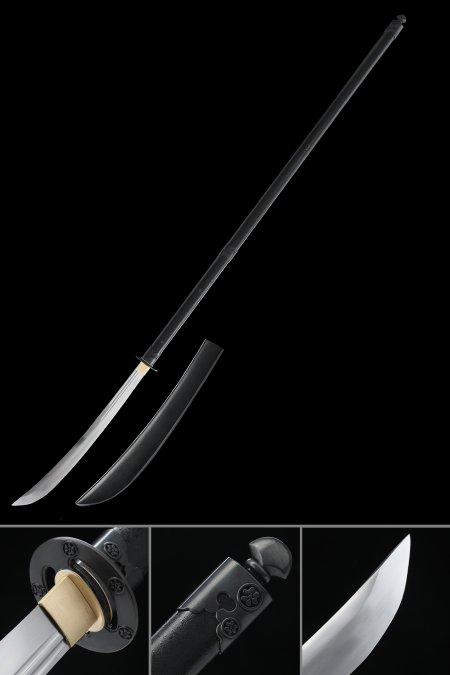
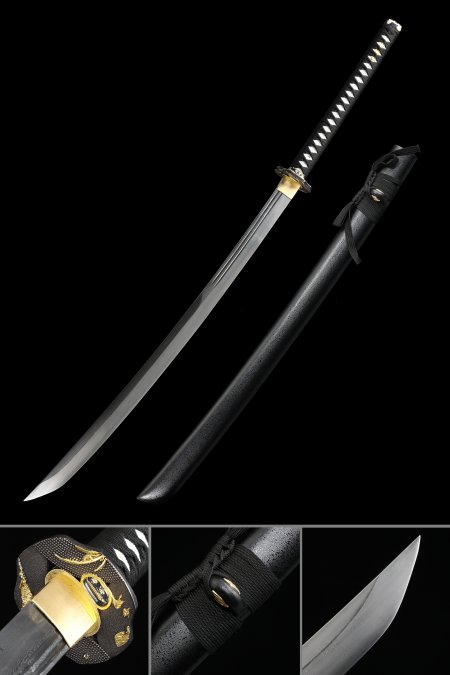
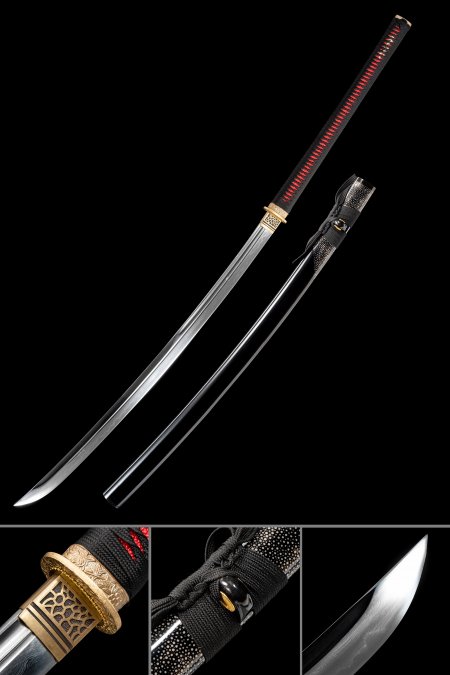
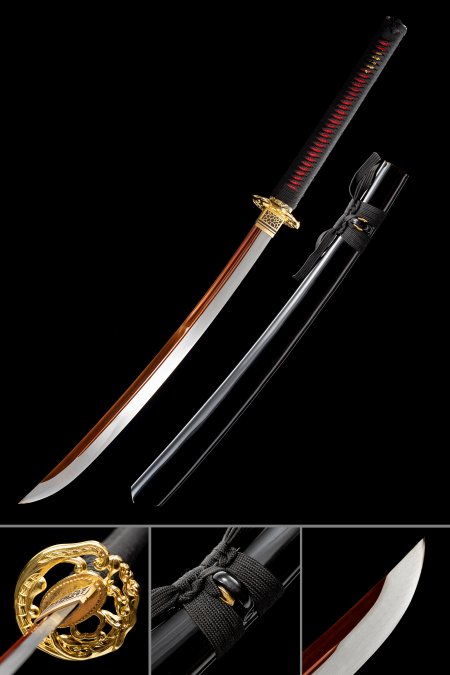
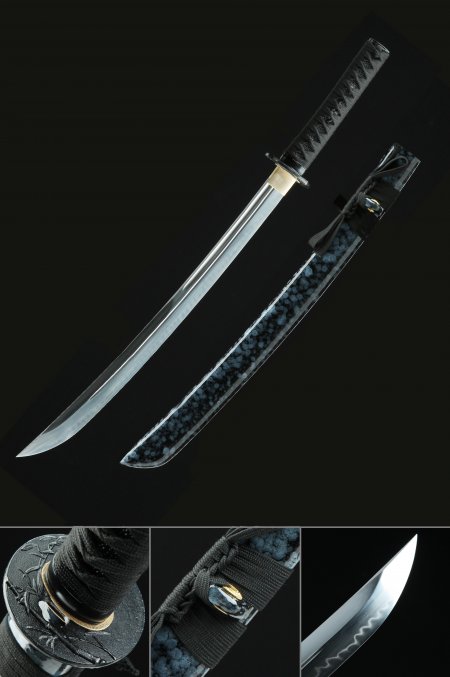
What details distinguish a high-quality clay tempered naginata replica?
Updated Feb 2026
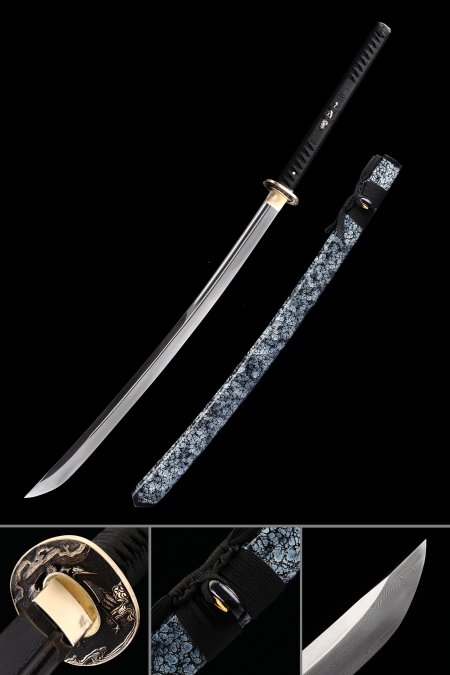
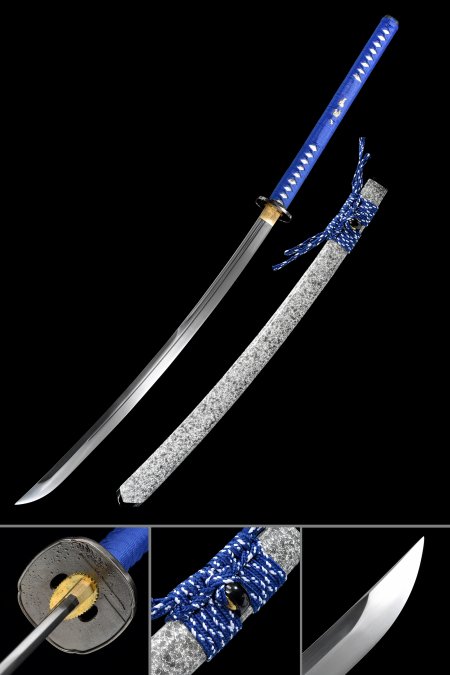
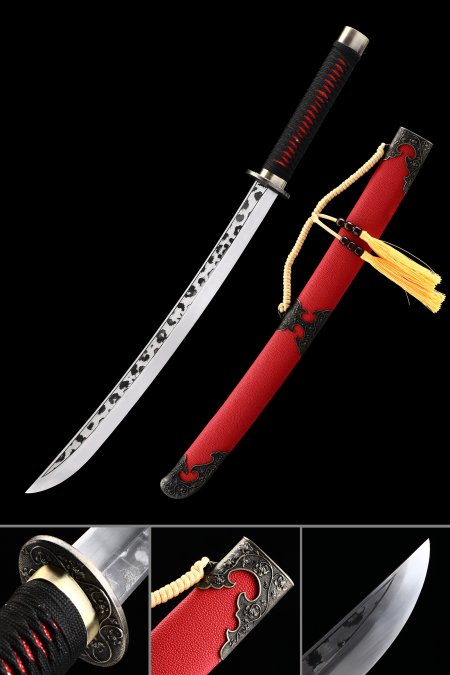
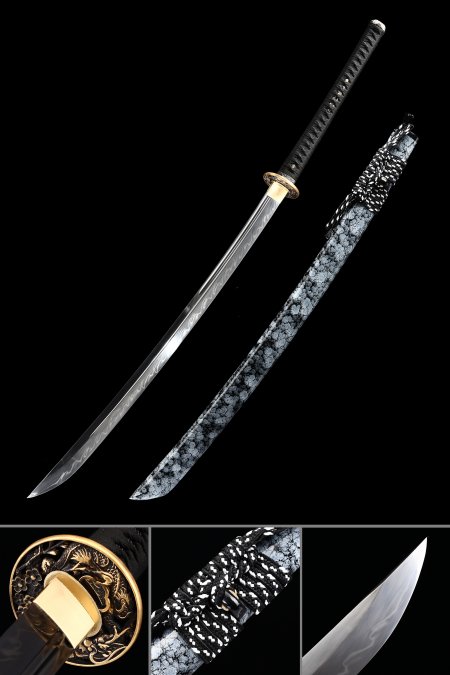
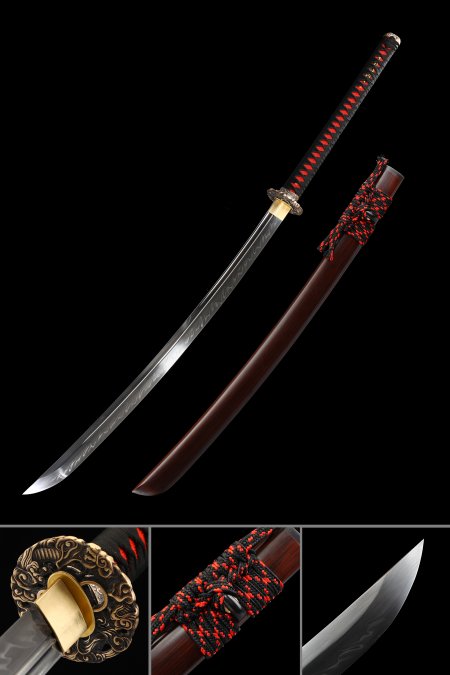
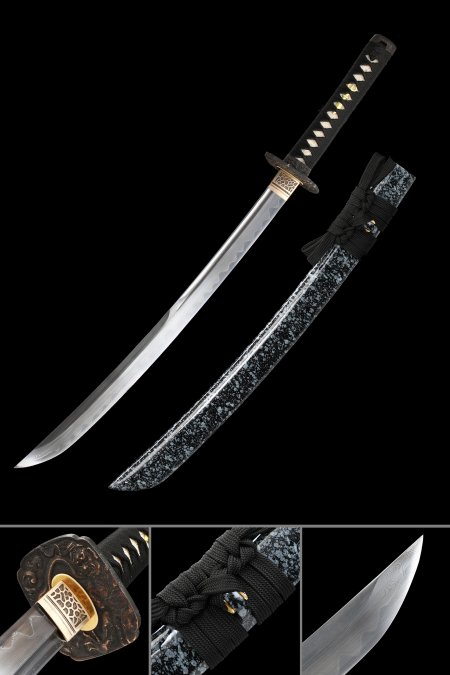
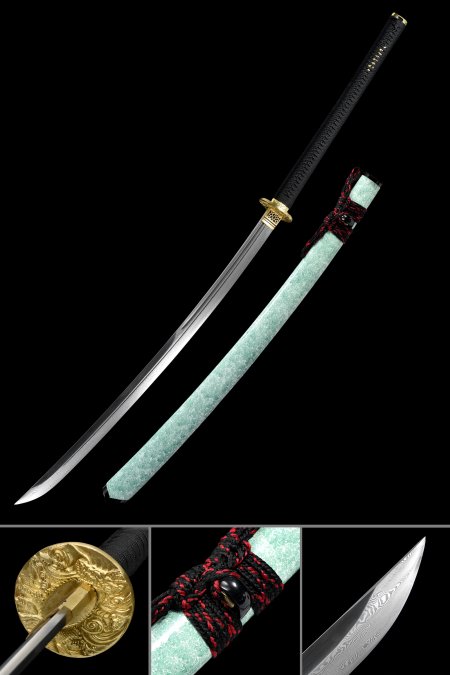
Look first at the hamon: a genuine clay tempered hamon will have an irregular, organic boundary with subtle variations in width and intensity, unlike an acid-etched cosmetic hamon that appears uniform and almost printed. Next, inspect the tang. High-quality pieces feature a full tang that runs the entire length of the handle, usually secured with one or two mekugi pegs. Check the fit between the habaki (blade collar) and the tsuba — there should be minimal lateral play. On the saya, quality lacquer feels smooth and even without drips or bare spots, and the blade should seat snugly with a slight click. Finally, the overall geometry of the blade should show a consistent curve with no visible warping, and the ridge line (shinogi) should run evenly from base to tip. These indicators together separate display-worthy collectibles from mass-produced souvenirs.