What is the difference between a ninjato and a chokuto blade profile?
Updated Feb 2026
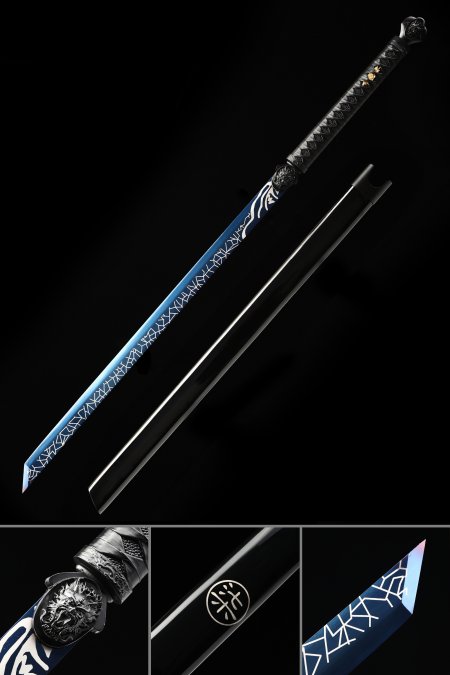
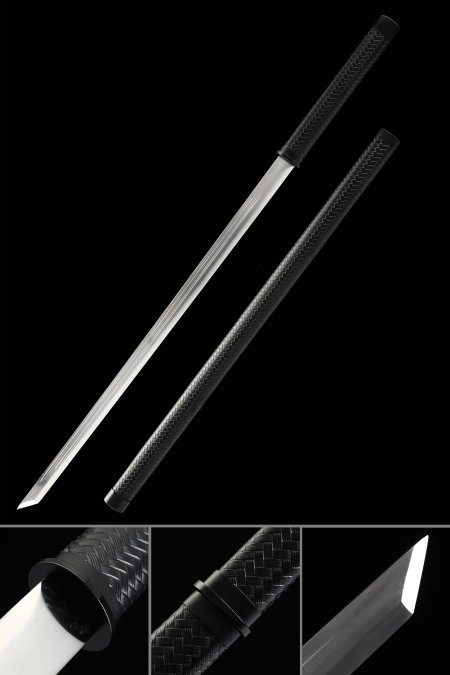
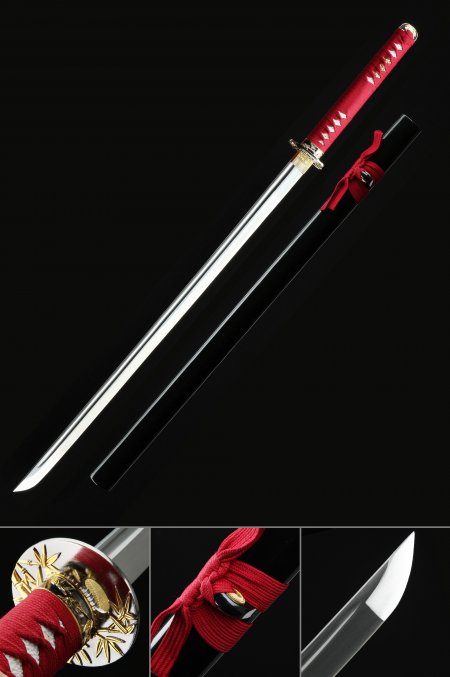
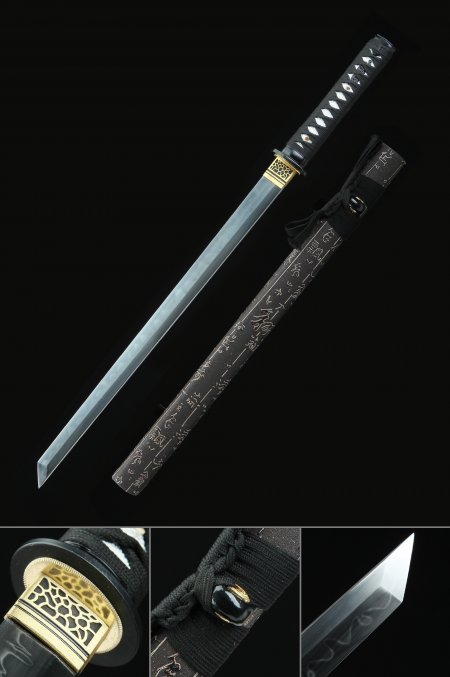
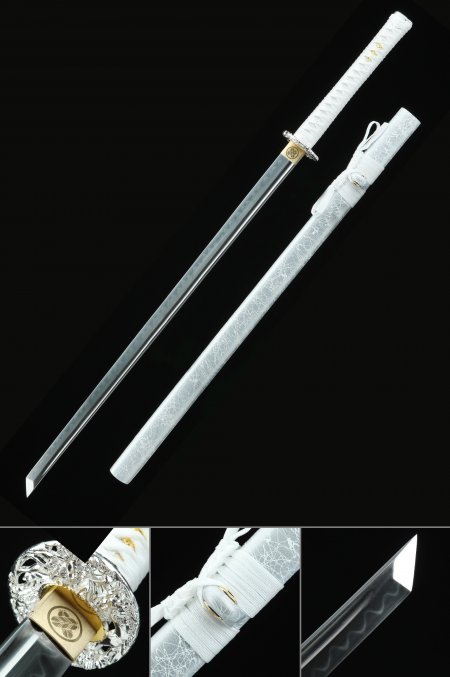
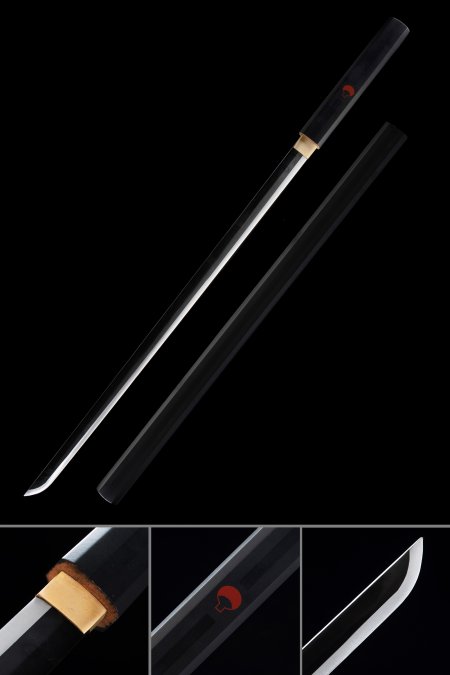
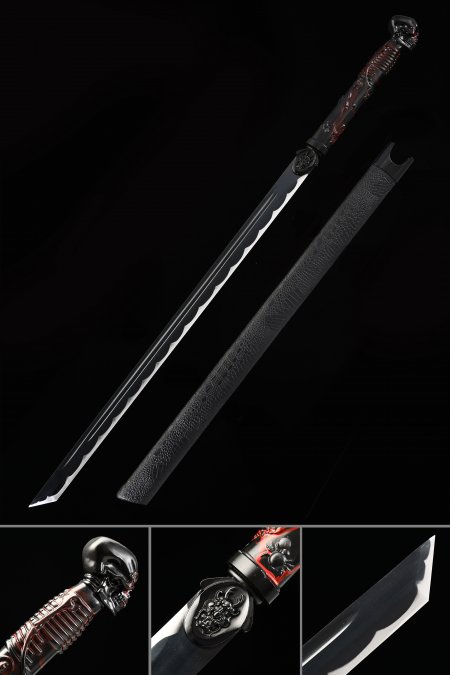
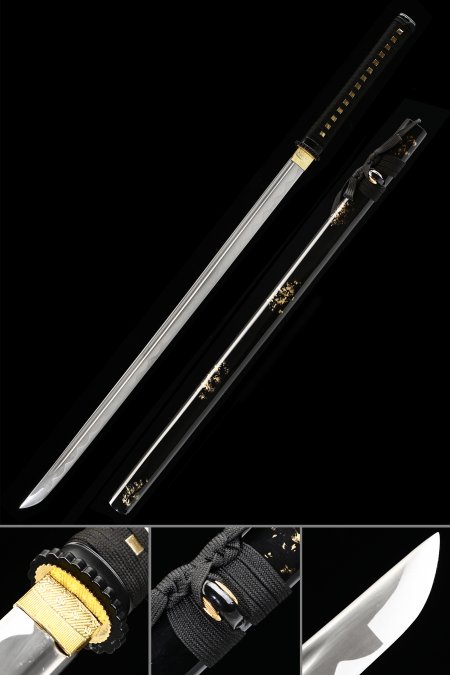
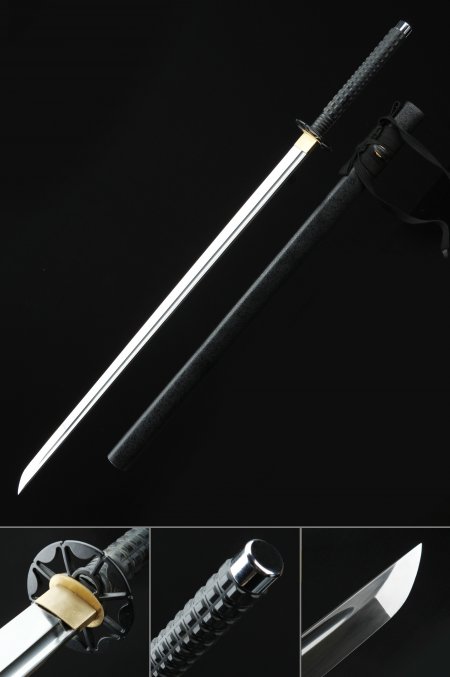
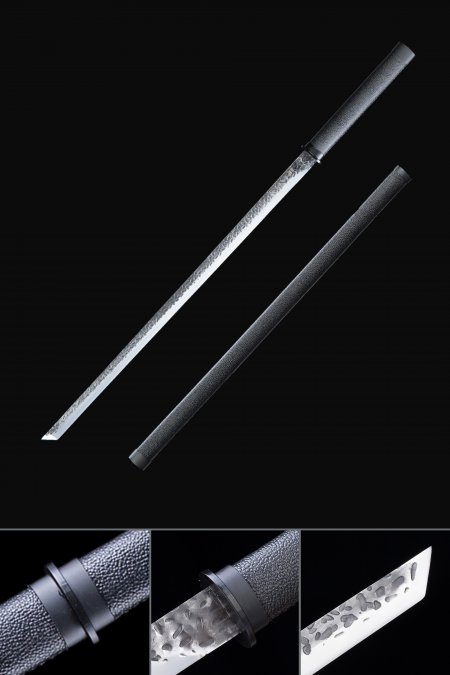
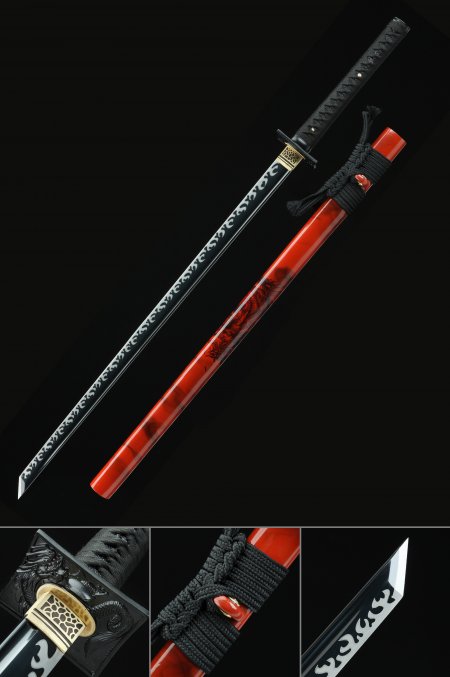
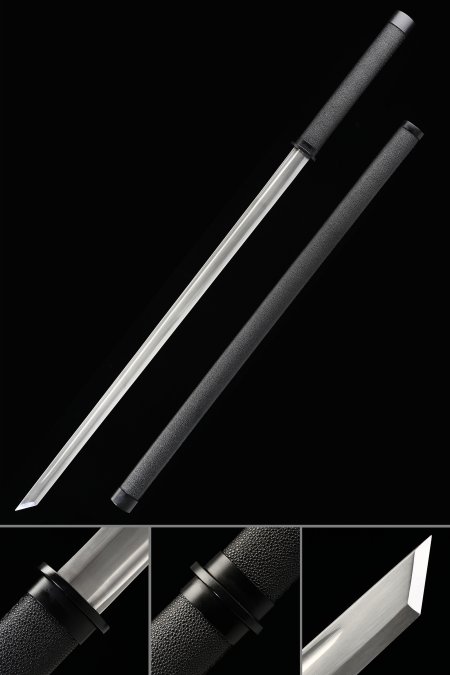
Both share a straight-blade geometry, but their historical contexts and construction details differ. The chokuto predates the curved Japanese sword tradition entirely, originating from Chinese and Korean continental influences during the Kofun and Nara periods. It typically features a single-edged, untempered or simply tempered blade without the differential hardening line (hamon) that defines later Japanese swords. The ninjato, by contrast, is a modern classification associated with straight swords attributed to covert operatives in feudal Japan. In contemporary collecting, ninjato often feature a square tsuba, shorter blade length around 50 to 55 centimeters, and a full-tang handle optimized for compact carry. Within this collection, both profiles are represented, giving collectors a choice between the historically rooted chokuto aesthetic and the more stylized ninjato format.