What defines a Type 98 Shin Gunto compared to a Kyu Gunto?
Updated Feb 2026
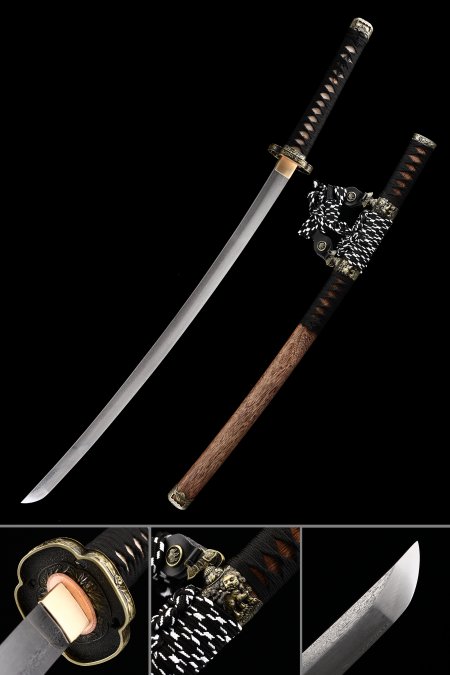
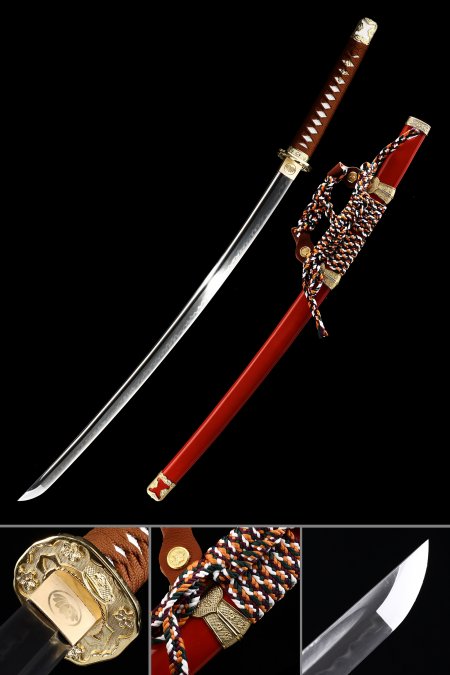
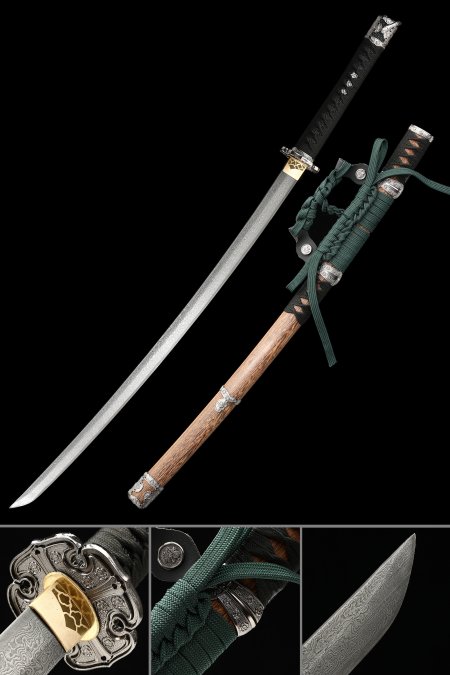
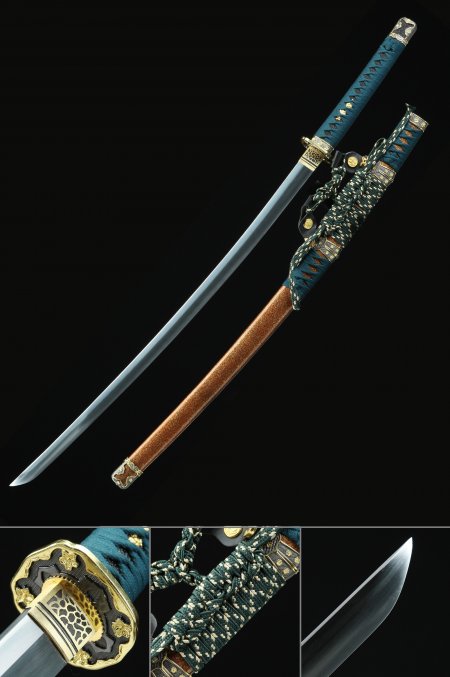
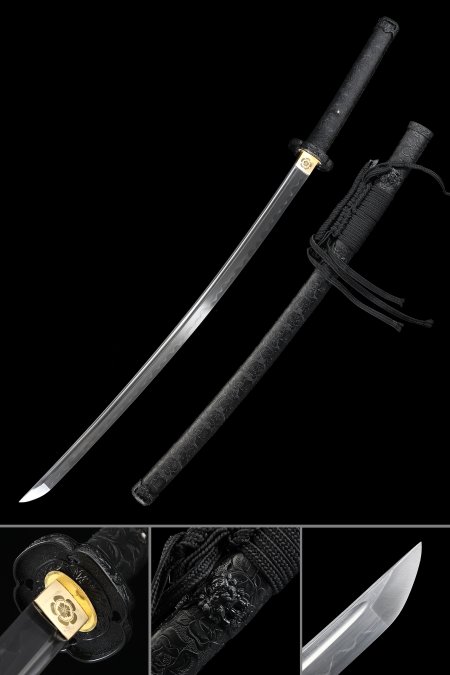
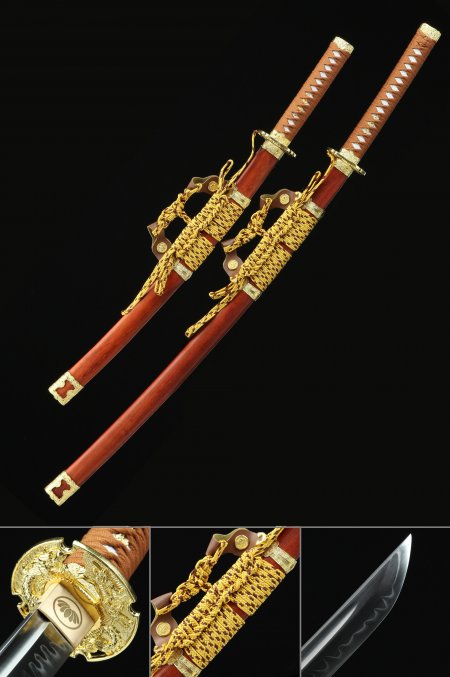
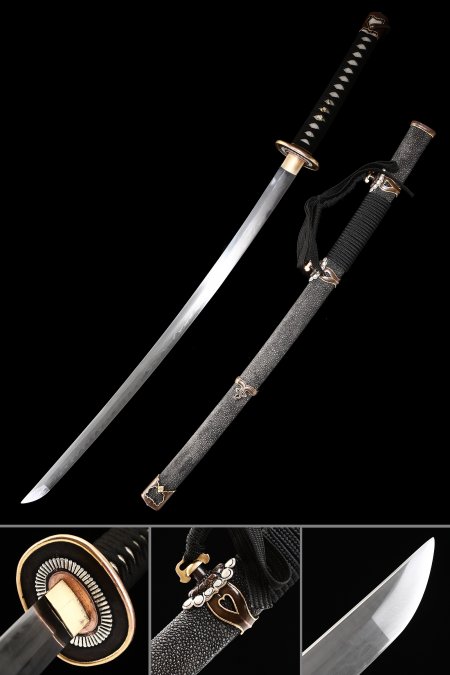
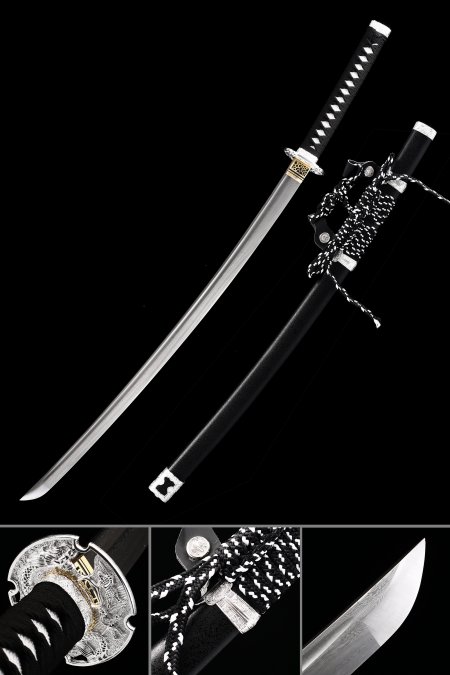
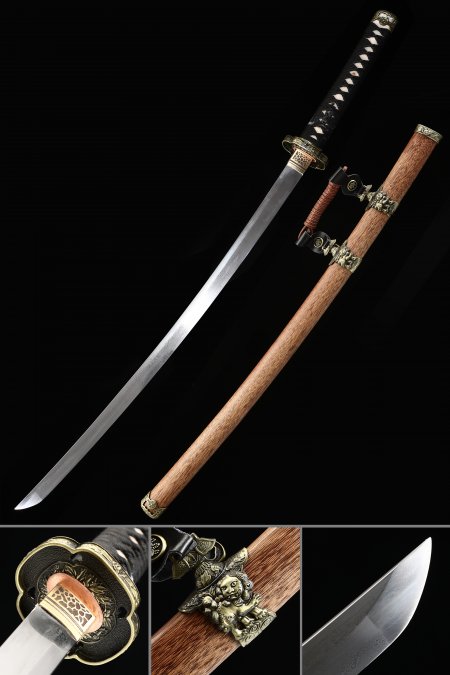
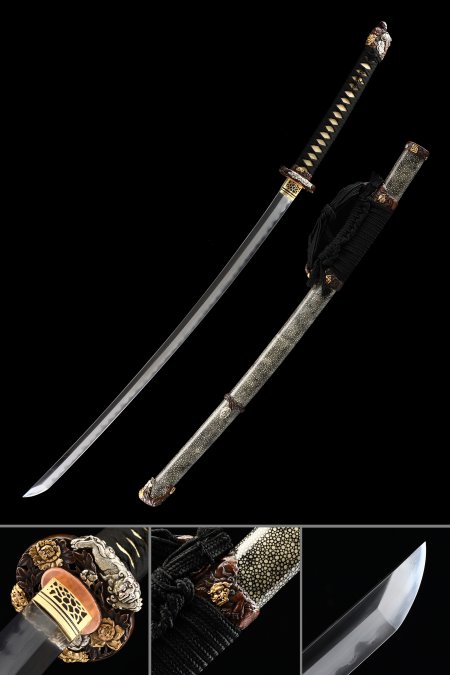
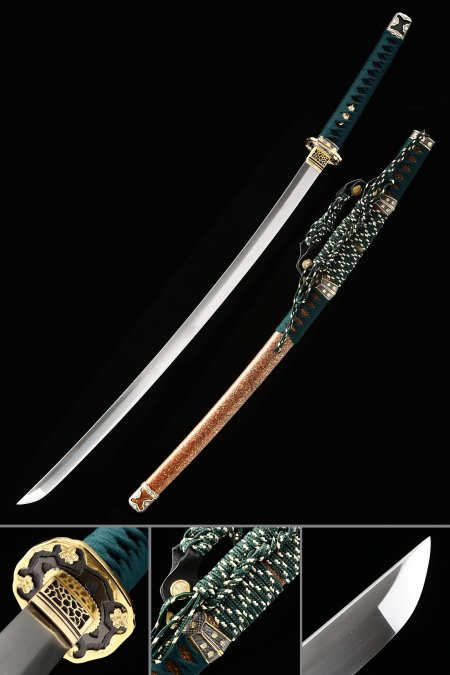
The Kyu Gunto, adopted in 1886, followed a Western cavalry saber silhouette with a chromed scabbard, a knuckle-bow guard, and a double-ring suspension system inspired by European military swords. When the Type 98 Shin Gunto replaced it in 1938, the design philosophy reversed course entirely. The new regulation sword returned to a traditional tachi-style mounting with a wooden saya wrapped in leather or finished in military lacquer, a tsuba reminiscent of classical Japanese handguards, and a single-point hanging bracket that allowed the scabbard to sit at the wearer's hip in the manner of a feudal-era samurai. The blade itself was set in a full-tang configuration within a tsuka wrapped in same (ray skin) and silk or cotton ito. In reproduction terms, the easiest visual identifiers are the cherry-blossom-shaped retaining pin on the tsuba and the distinctive olive or brown field-grade saya finish.