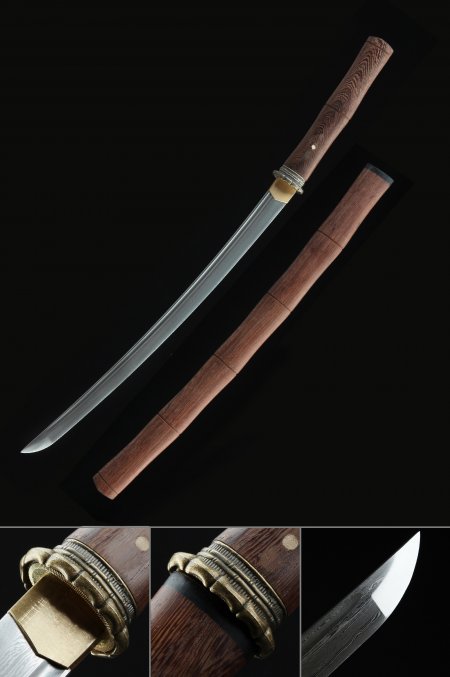
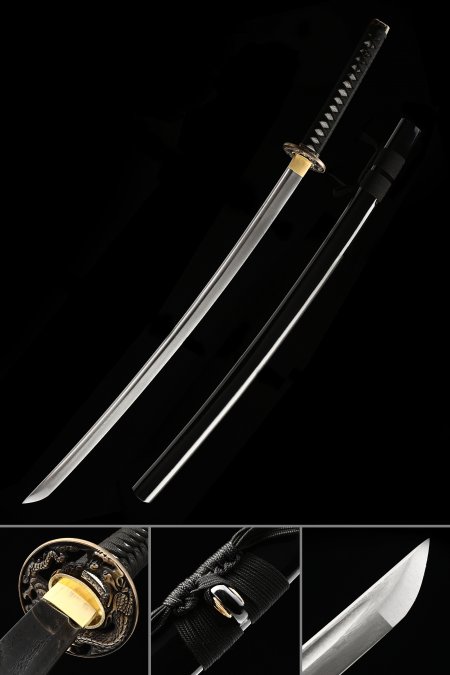
How does Damascus steel differ from 1095 carbon steel in a WW2 katana replica?

 Updated Feb 2026

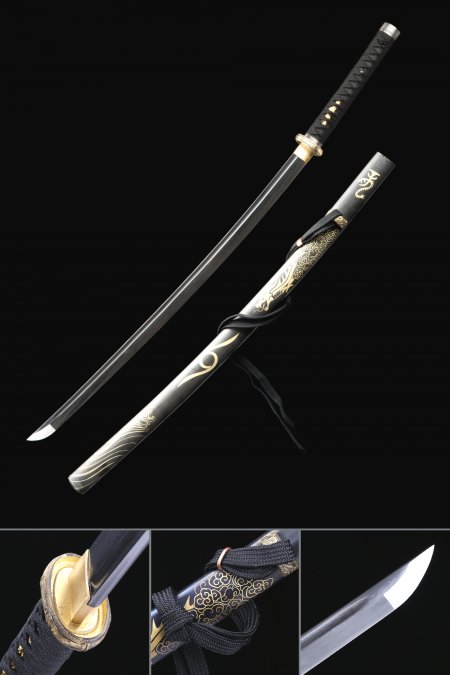
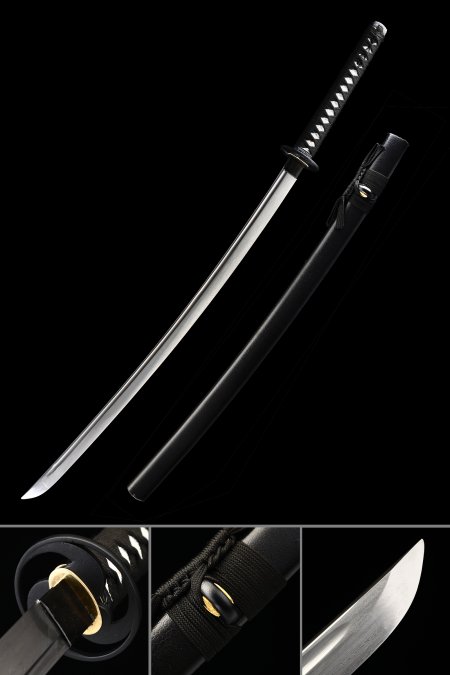
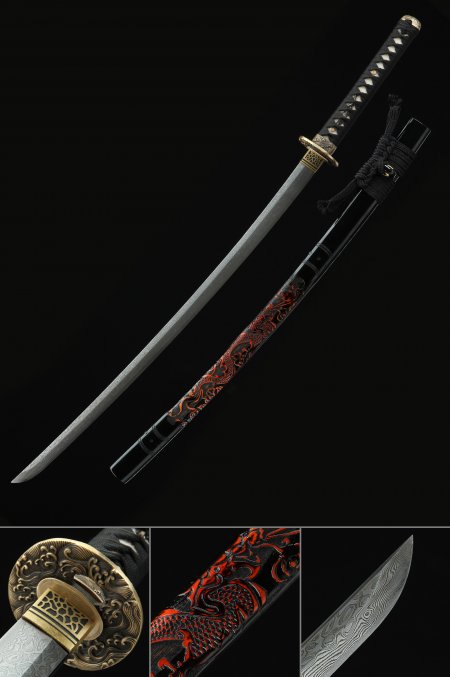
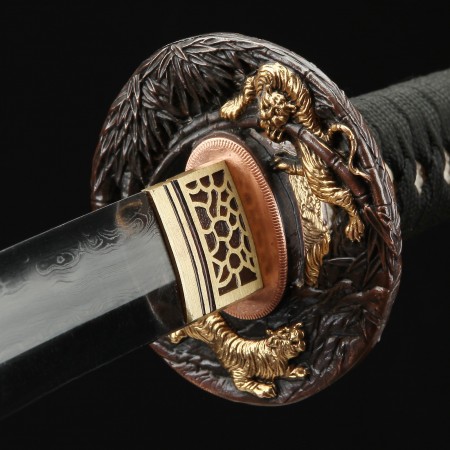
Damascus steel in a katana replica is produced by forge-welding layers of high and low carbon steel, then folding and drawing them out repeatedly. The result is a blade with visible flowing grain patterns on the surface — each piece is visually unique — and a layered internal structure. The trade-off is that Damascus blades require slightly more attentive care against moisture because the varying carbon content across layers can create micro-variations in oxidation rate. 1095 carbon steel is a single high-carbon alloy with roughly 0.95% carbon content, prized for its hardness and ability to hold a clean hamon when clay-tempered. For display collectors, Damascus offers maximum visual drama; for those prioritizing authentic forging character and a pronounced temper line, T10 or 1095 clay-tempered options are the more historically grounded choice.
Popular Products

15% OFFkatana sword
199.00 USD
229.00 USD
15% OFFkill bill sword
199.00 USD
229.00 USD
20% OFFsamurai sword
289.00 USD
359.00 USD
15% OFFblack katana
179.00 USD
209.00 USD
20% OFFdamascus katana
309.00 USD
389.00 USD
15% OFFreal katana
649.00 USD
769.00 USD
20% OFFdamascus katana
619.00 USD
769.00 USD
15% OFFkatana sword
199.00 USD
239.00 USD
15% OFFgolden katana
199.00 USD
229.00 USD
20% OFFjapanese katana
229.00 USD
289.00 USD
15% OFFshort katana
199.00 USD
239.00 USD
20% OFFblack katana
159.00 USD
199.00 USD
15% OFFkatana sword
199.00 USD
229.00 USD
15% OFFkill bill sword
199.00 USD
229.00 USD
20% OFFsamurai sword
289.00 USD
359.00 USD
15% OFFblack katana
179.00 USD
209.00 USD
20% OFFdamascus katana
309.00 USD
389.00 USD
15% OFFreal katana
649.00 USD
769.00 USD
20% OFFdamascus katana
619.00 USD
769.00 USD
15% OFFkatana sword
199.00 USD
239.00 USD
15% OFFgolden katana
199.00 USD
229.00 USD
20% OFFjapanese katana
229.00 USD
289.00 USD
15% OFFshort katana
199.00 USD
239.00 USD
20% OFFblack katana
159.00 USD
199.00 USD

Explore Our Collections