What does clay tempering do, and why does it matter for collectors?
Updated Feb 2026
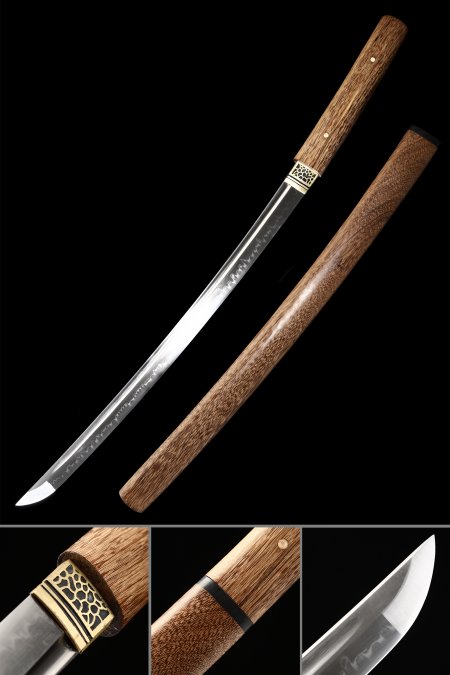
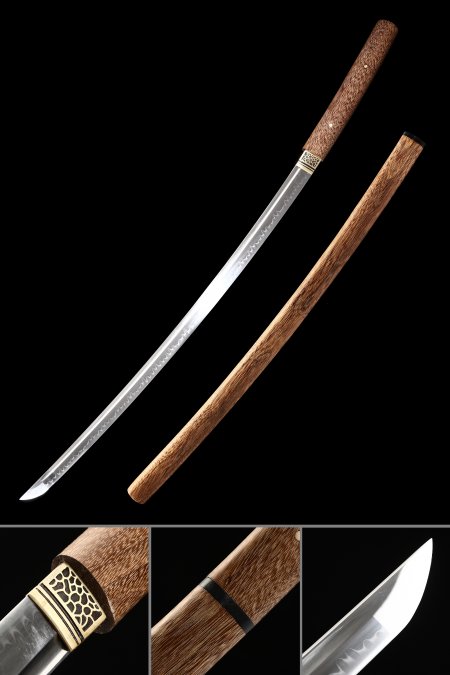
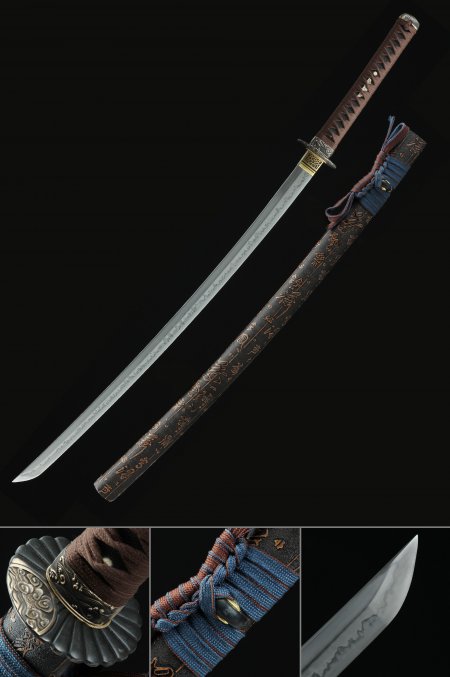
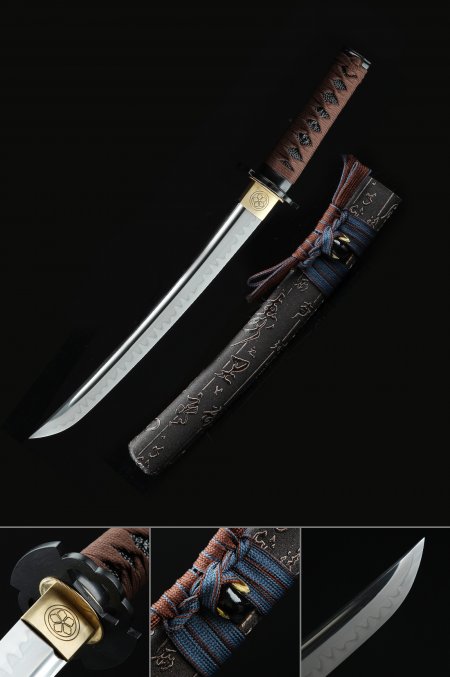
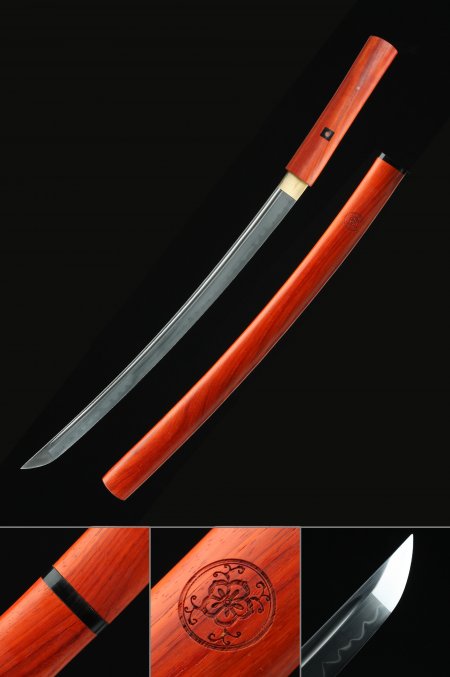
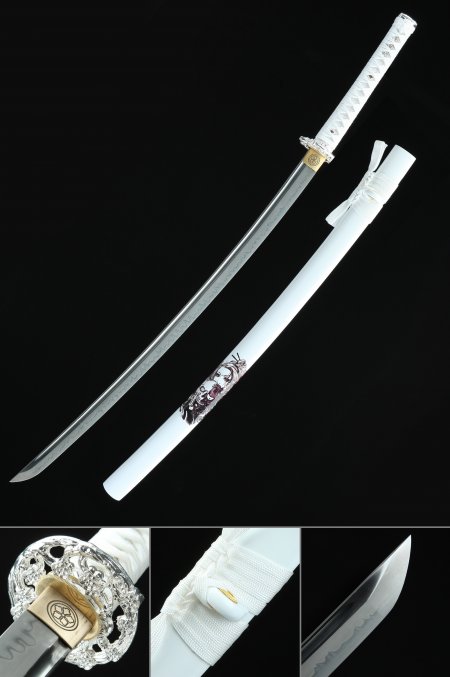
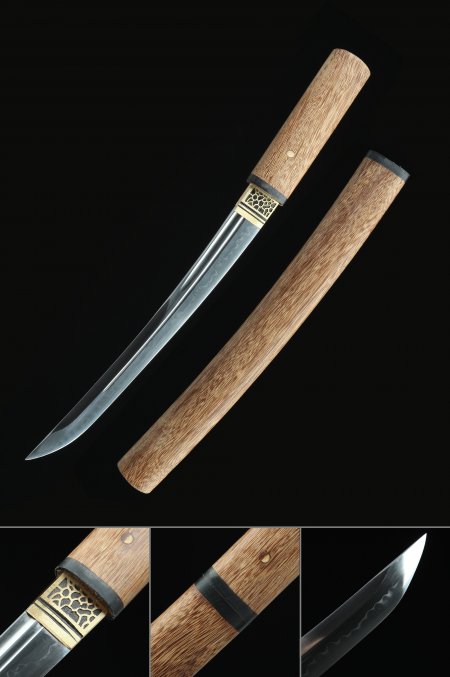
Clay tempering — known in Japanese as tsuchioki — is the technique that gives traditionally made katana blades their distinctive hamon, the undulating temper line running along the blade's length. Before the final quench, the smith applies a differential clay coating: thicker along the spine, thinner near the edge. When the blade is plunged into the quenching medium, the thinly coated edge cools rapidly and achieves a harder crystalline structure called martensite, while the thickly coated spine cools more slowly and remains tougher and more flexible. The boundary between these two zones becomes the hamon. For collectors, a real hamon produced through genuine clay tempering is a mark of authentic craftsmanship — it is physically embedded in the steel's metallurgy, not an etched or painted cosmetic effect. T10 steel clay-tempered pieces in this collection carry that distinction, and it is one of the primary reasons they command more attention among discerning buyers.