What is clay tempering and why does it matter for tachi swords?
Updated Feb 2026
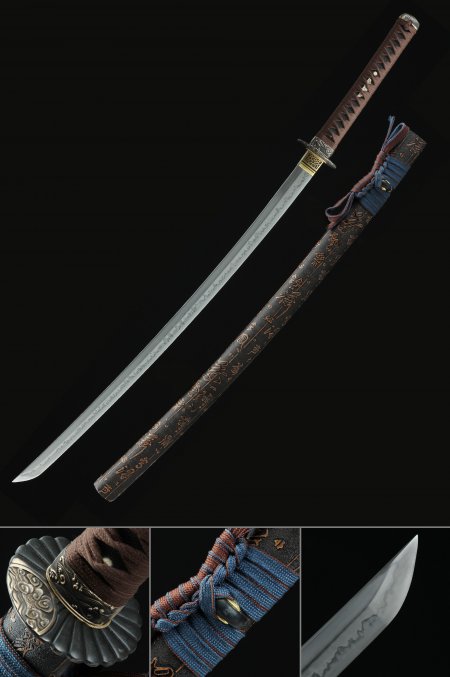
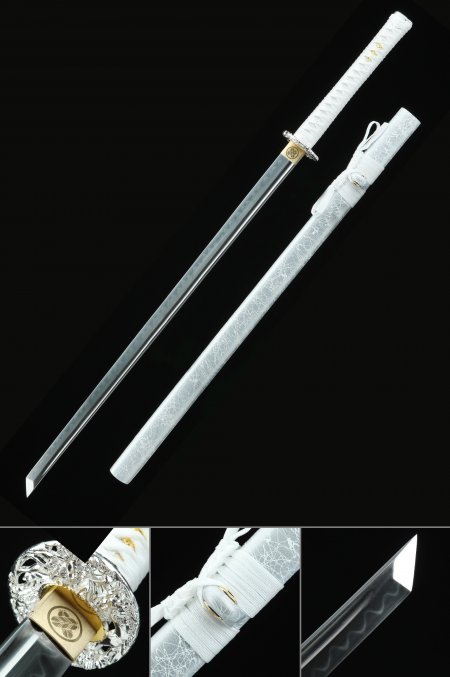
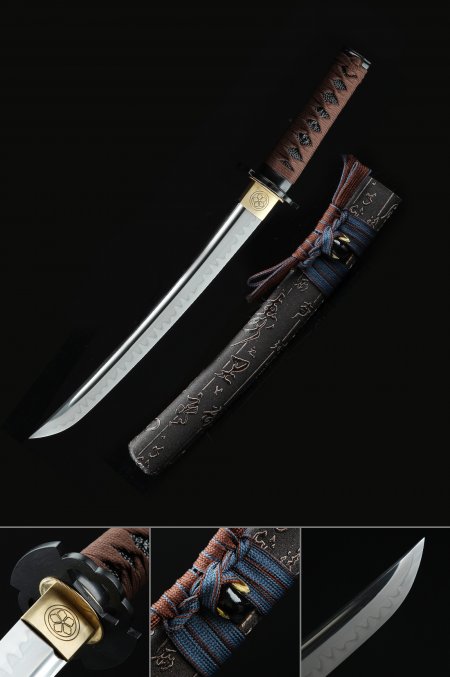
Clay tempering, known in Japanese as tsuchioki, is a differential heat-treatment process in which a paste of clay, ash, and sometimes iron filings is applied to the blade before the final quench. The clay insulates the spine, causing it to cool slowly and remain tough and flexible, while the exposed edge cools rapidly, hardening into a fine martensitic structure capable of holding a keen edge. The visible boundary where these two microstructures meet is the hamon — the undulating temper line running along the blade's length. On high-carbon steels like T10, the hamon can show dramatic activity including nie (small bright crystals) and nioi (a misty glow along the boundary). This combination of hardness at the edge and resilience at the spine is considered the pinnacle of traditional Japanese forging, and the hamon it produces is the primary visual proof of authentic differential hardening in any collectible tachi.