How can I tell if a samurai sword is genuinely antique?
Updated Feb 2026
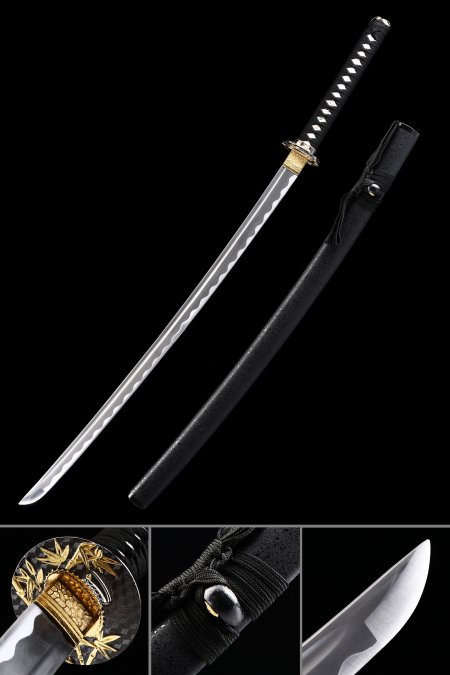
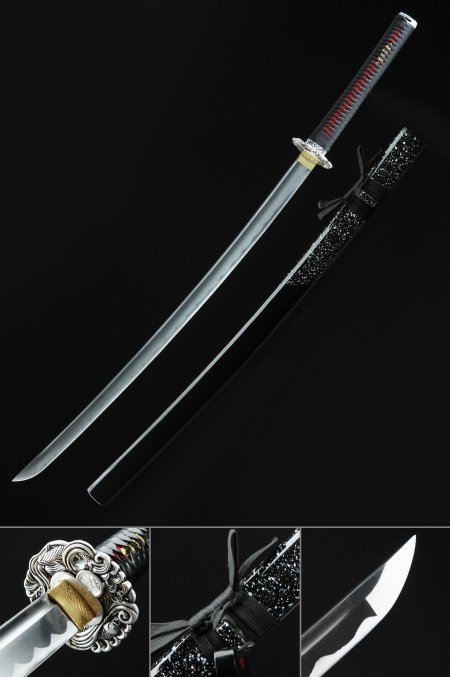
Authentic antique samurai swords typically carry several verifiable markers. The most telling is the hamon — on a genuine clay-tempered blade, this transition line is a natural crystalline structure visible under angled light, not a polished or acid-etched surface pattern. Antique blades also show age-appropriate patina along the ji (flat of the blade) that develops gradually over decades and cannot be convincingly faked at close inspection. Other indicators include period-consistent tang (nakago) signatures or stamps, oxidation patterns inside the habaki, and fittings whose casting and engraving techniques match known historical methods. A formal Nihonto appraisal from a recognized organization such as the NBTHK (Society for the Preservation of Japanese Art Swords) provides the highest level of authentication confidence for serious acquisitions.