FAST SHIP
Free Shipping
189.00 USD
ON SALE! 15% OFF
Was: 219.00 USD

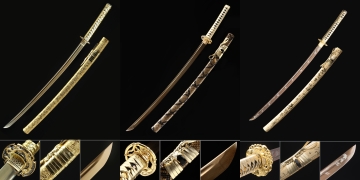
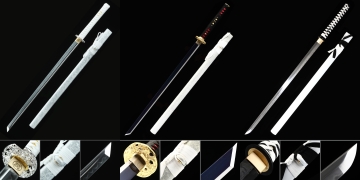
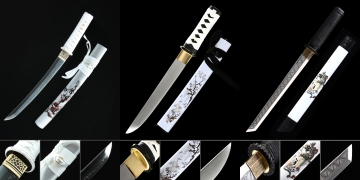
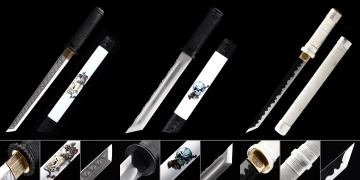
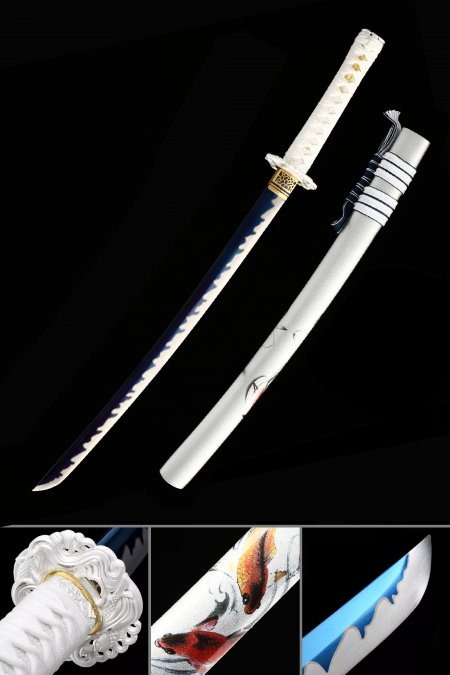
A white tsuba wakizashi brings a distinctive aesthetic to any serious collection - the ivory-toned guard draws the eye while complementing a range of ito colors and saya finishes. Each piece in this selection is hand-forged and assembled with traditional fittings, making it as worthy of display as it is of admiration. Enjoy free shipping on your order, and if anything isn't right, our hassle-free returns policy has you covered.
Absolutely beautiful products as always. Comes extremely well packaged for safe transport. Blades are very sharp well oiled and wrapped for protection. Very high quality and great for display pieces that are also functional.
 |
Manganese Steel Wakizashi with Blue Flame Blade and Koi Fish Painted Silver Saya - White Ito Wrap |
Beautiful sword, Koi fish and water themed blade. Looks even better in person. My wife is going to love this beautiful sword.
|
Manganese Steel Wakizashi with Blue Flame Blade and Koi Fish Painted Silver Saya - White Ito Wrap |
I purchased a full tang battle ready Damascus katana for myself. My selection is a simple design at nearly a thousand US dollars. That level of investment was based one two factors, positive rati gs of prior purchasers and my experience while living in Japan as a child. After several days of running the sword I bought two wazikaski and a tachi for my son and daughter (respectively) as heirloom items for them to pass onto future generations. r
All four are well build instruments. I am very happy to have found True Katana...and will likely buy more because of the craftsmanship (but do not expect to ever need another based of quality and performance of my initial purchase).
 |
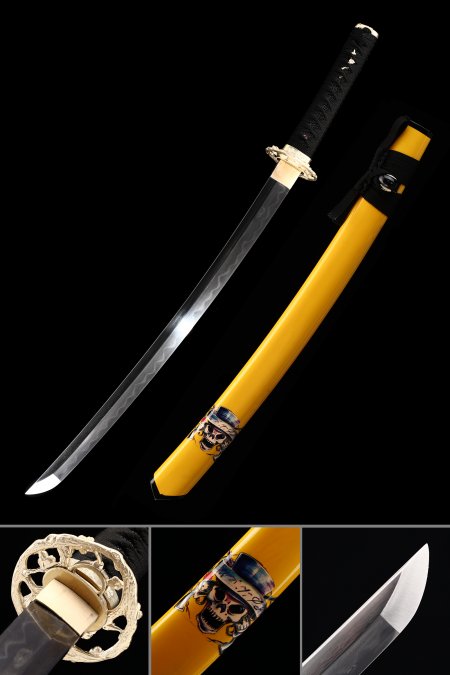
Damascus Steel Wakizashi with Yellow Lacquer Saya - Skull Art, Black Ito, Ornate Copper Tsuba |
my daughter wanted a Japanese sword for her birthday, after much research, we picked this website and this sword, way exceeded my expectation , especially for the money, people at the party are already on the website getting ready to make a purchase
Ed
|
Manganese Steel Wakizashi with Blue Flame Blade and Koi Fish Painted Silver Saya - White Ito Wrap |
Sword came exactly as it looked in pictures and is definitely sharp! :)
|
Manganese Steel Wakizashi with Blue Flame Blade and Koi Fish Painted Silver Saya - White Ito Wrap |
Product is good. Had some issues with shipping. First time, wrong item was shipped so I was given a discount on the next order. Shipping took longer than expected, but it arrived in good order and correct item this time! I will continue to be a customer.
|
Manganese Steel Wakizashi with Blue Flame Blade and Koi Fish Painted Silver Saya - White Ito Wrap |
The quality is great the only reason I’m rating 4/5 is because it’s very hard to get the blade out. Other than that amazing sword
|
Manganese Steel Wakizashi with Blue Flame Blade and Koi Fish Painted Silver Saya - White Ito Wrap |
I got it as a gift for my sister It took 3 days to get here and its in nice condition ill most likely be using this site again :)
|
Manganese Steel Wakizashi with Blue Flame Blade and Koi Fish Painted Silver Saya - White Ito Wrap |