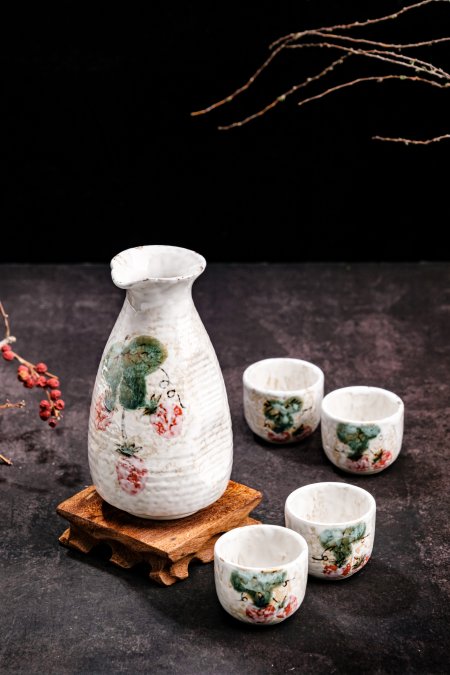
White Japanese Sake Set
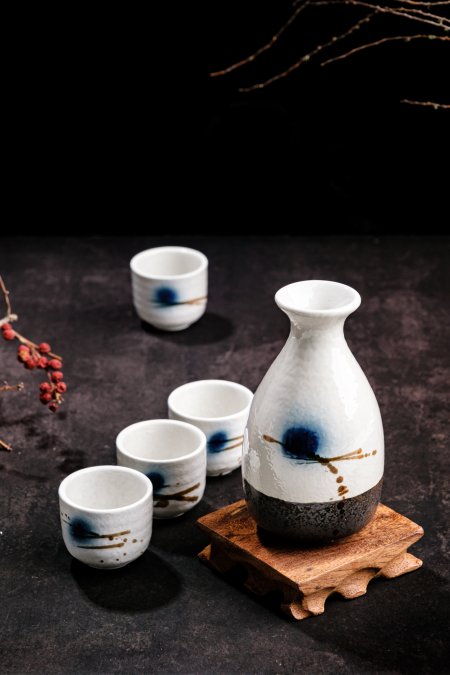
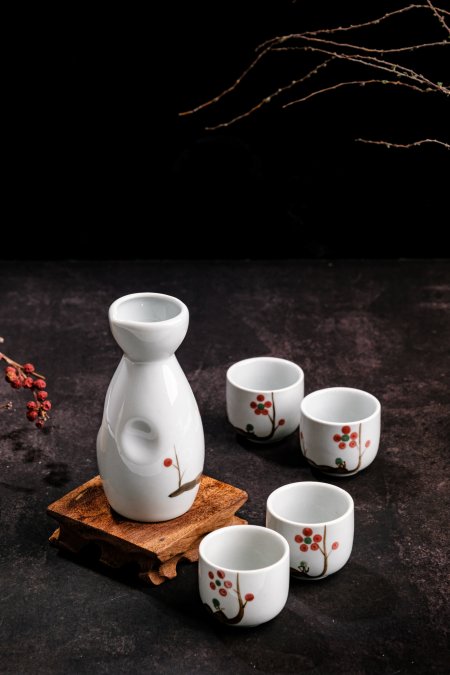
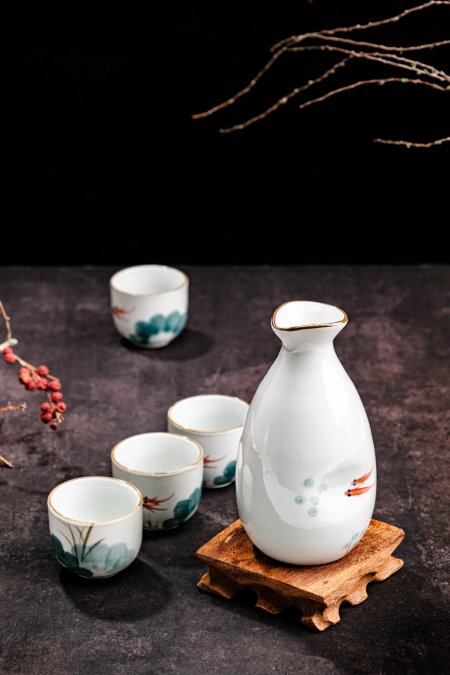
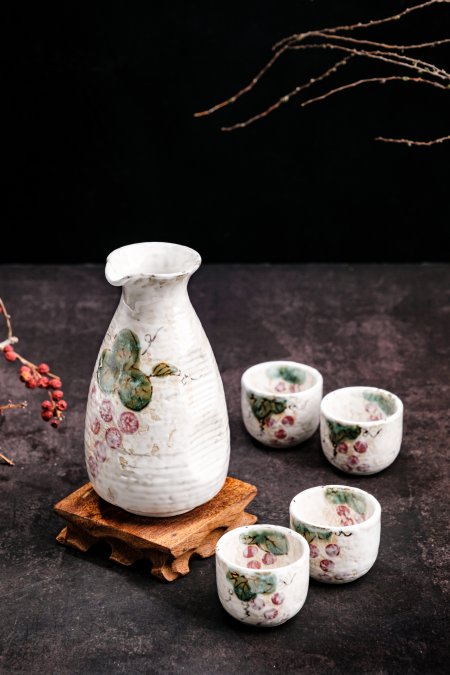
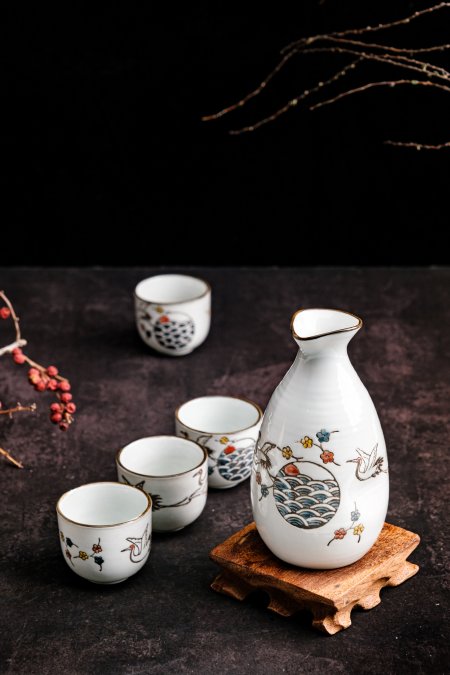
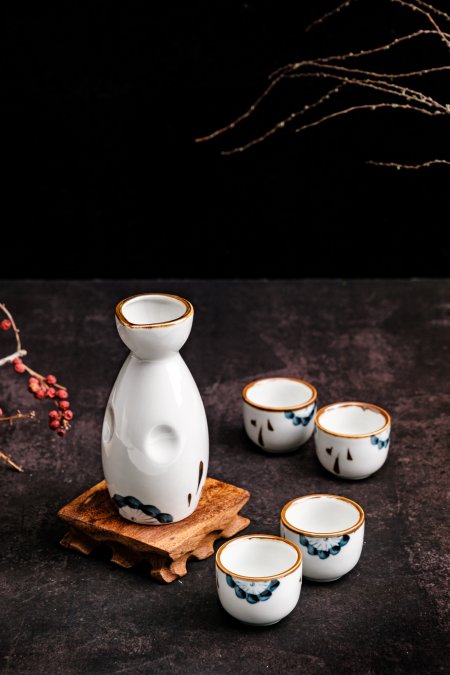
Elevate your sake ritual with our White Japanese Sake Set collection, where minimalist elegance meets traditional craftsmanship. Each set pairs a gracefully formed serving carafe with four matching cups, crafted from fine porcelain or ceramic in soft, clean whites that evoke the tranquility of Japanese aesthetic principles. Perfect as a display centerpiece, a thoughtful cultural gift, or a refined addition to any Japanese art collection. Enjoy free shipping on your order, with hassle-free returns for complete peace of mind.
Related Collections
White Carbon Katana56 items
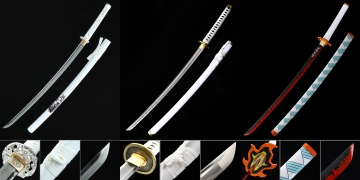
White Japanese Samurai Swords69 items
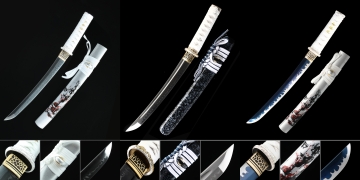
White Sageo Tanto4 items
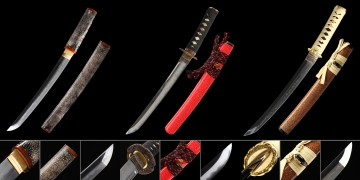
White Rayskin Saya Tanto14 items
Frequently Asked Questions
What makes a white sake set desirable for collectors?
White Japanese sake sets are prized in collector circles precisely because their beauty is entirely dependent on the quality of the material and craftsmanship rather than surface decoration. A well-made white glaze reveals every nuance of the potter's hand — the subtle curve of a carafe neck, the evenness of a cup rim, the consistency of the glaze pooling at the foot. In Japanese aesthetics, this directness is a virtue. Collectors focused on wabi-sabi or mingei folk-art traditions often find that a restrained white set tells a more sophisticated story than a heavily ornamented piece. The format — one serving carafe paired with four cups — is also historically significant, mirroring the traditional sharing structure of a sake ceremony, which adds cultural depth to its value as a display object.
What is the difference between porcelain and ceramic sake sets?
The core difference lies in the clay body composition and firing temperature. Porcelain is made from kaolin-rich clay and fired at temperatures above 1,200°C, producing a dense, non-porous body that can appear slightly translucent at thin sections and emits a clear, resonant tone when tapped. Ceramic (stoneware or earthenware) sets are fired at lower temperatures and result in a thicker, more opaque body with a warmer, often slightly textured surface. For display purposes, porcelain reads as more formal and refined, with a glass-smooth finish under the white glaze. Ceramic sets have a more grounded, tactile quality that appeals to collectors who favor the handmade irregularities associated with traditional folk pottery. Neither is objectively superior — the choice reflects the collector's personal aesthetic and the display context.
How should I store a ceramic or porcelain sake set properly?
Storage is the single most important factor in preserving a sake set's collectible condition over time. Always wrap individual cups in soft, acid-free tissue or felt pouches before placing them in a box — direct contact between pieces is the leading cause of rim chips and glaze scratches. Carafes should be stored upright, never inverted, to avoid placing stress on the lip. Keep the set away from prolonged direct sunlight, as UV exposure can cause certain white glazes to develop a faint yellowing over years. Avoid environments with dramatic humidity swings, which can stress the glaze and cause fine crazing. If you rotate the set into occasional use, hand-wash only with a gentle, pH-neutral soap and allow every piece to air-dry completely before returning it to display storage.
Does a white sake set pair well with Japanese sword displays?
Yes, and this is a pairing that serious collectors increasingly pursue when building thematically coherent Japanese art arrangements. The neutral white palette of a porcelain or ceramic sake set creates a visual anchor that draws out the lacquerwork, cord wrapping, and metalwork tones of adjacent pieces without competing for attention. For example, a display that includes pieces from the White Samurai Katana collection — with its white lacquered saya and coordinated fittings — achieves a striking monochromatic harmony when a white sake set is placed in the composition. In traditional Japanese interior design, the tokonoma alcove often combined a single blade, a ceramic object, and a scroll, so pairing these categories has genuine historical precedent.
Is a Japanese sake set a good gift for someone new to Japanese culture?
A white Japanese sake set is one of the most accessible and culturally meaningful gifts in this category precisely because it requires no prior expertise to appreciate. The format is immediately intuitive — a carafe and matching cups — and the white aesthetic reads as elegant and thoughtful across cultural backgrounds. For recipients who are beginning to explore Japanese art or tableware traditions, a sake set opens a natural gateway into understanding Japanese craft values like harmony, proportion, and material honesty. It also functions beautifully as a display object even if the recipient never uses it in a serving context. For collectors already invested in Japanese decorative arts, a carefully chosen white porcelain set adds a dimension of daily-life material culture that complements blade or textile collections.