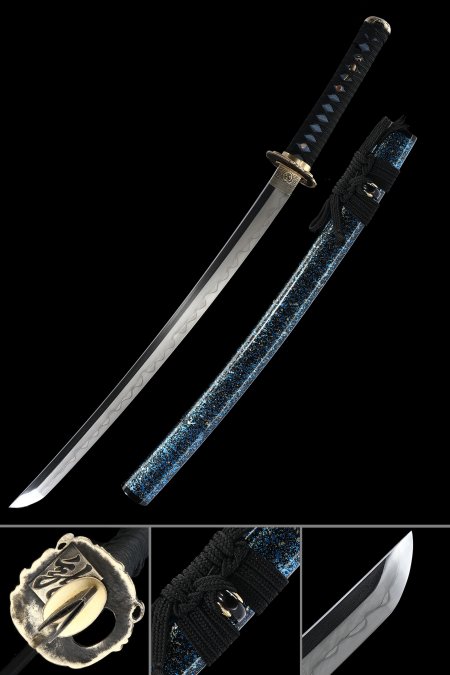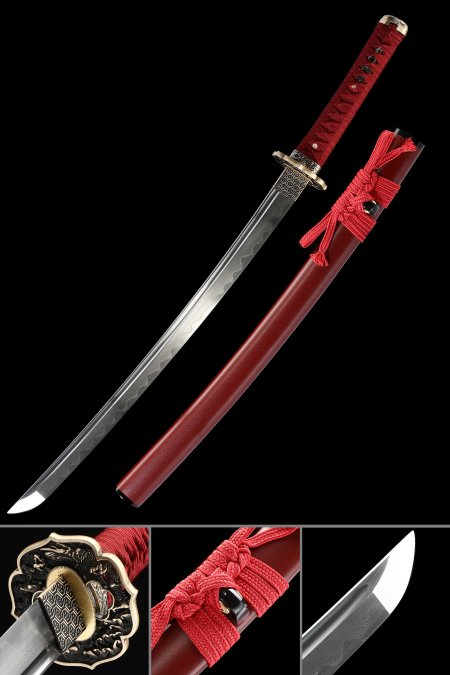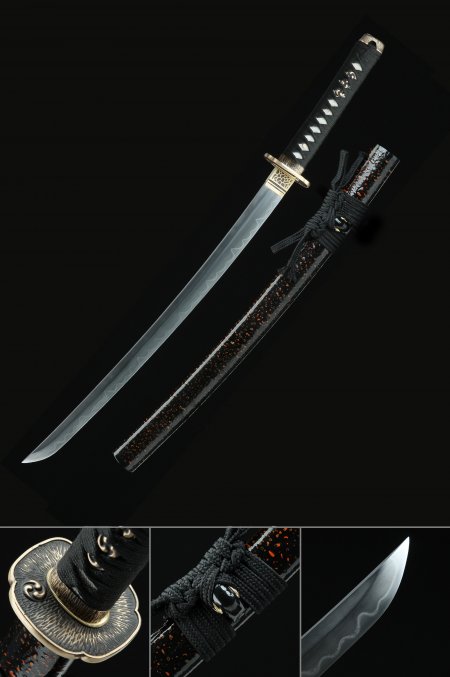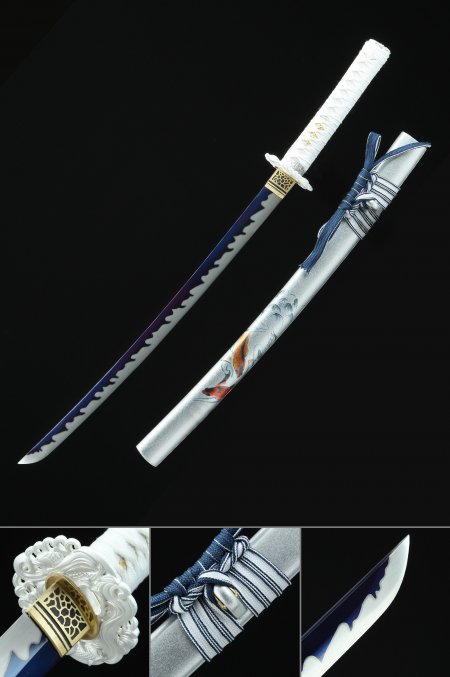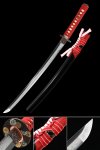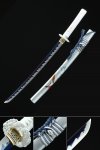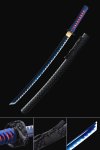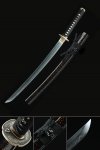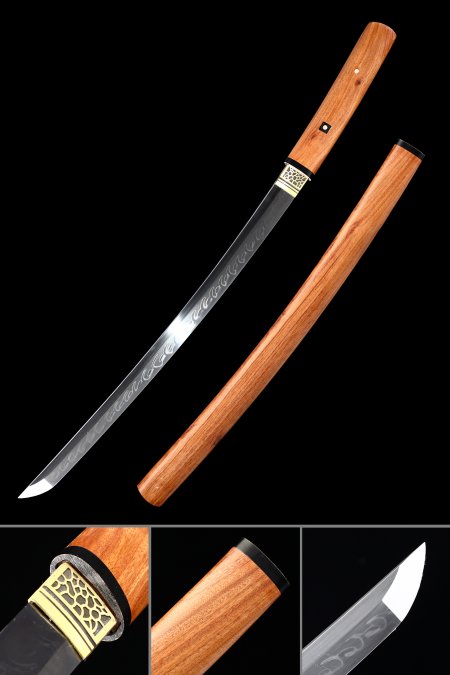
Wave Blade Wakizashi

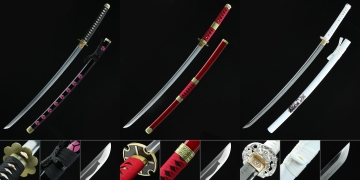
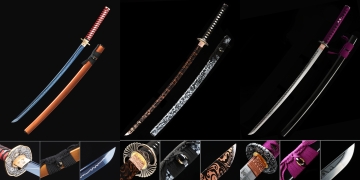
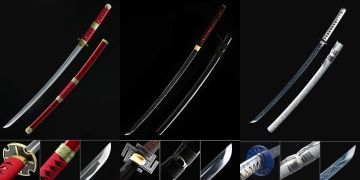
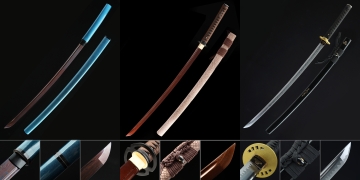
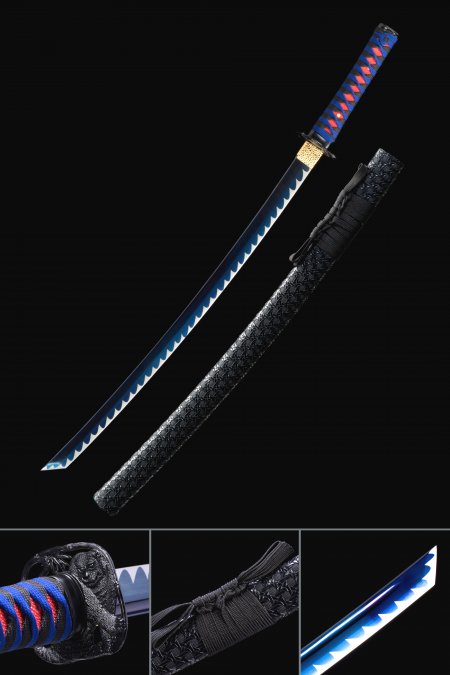
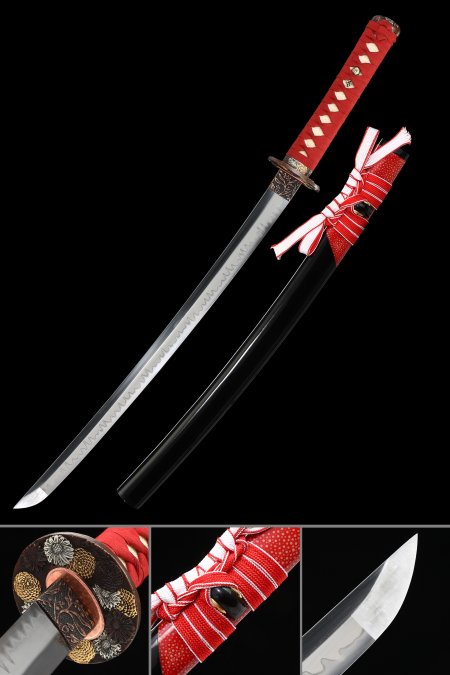
Wave blade wakizashi bring together the art of traditional Japanese swordsmithing and the meditative beauty of flowing water motifs. Each piece in this collection features hand-engraved or forge-patterned blades - crafted from T10, 1095 carbon, or Damascus steel - paired with thoughtfully matched saya, tsuba, and ito for a cohesive display aesthetic. Every order ships free with hassle-free returns, so building your collection is effortless.
Showing 7 Products

Related Collections

Flower Saya Katana88 items


540 Reviews

Wave Blade Katana83 items


138 Reviews

Geometric Tsuba Katana103 items


954 Reviews

Plain Tsuba Katana89 items


323 Reviews

Frequently Asked Questions

What makes a wave blade wakizashi different from a standard one?
The distinction lies primarily in the blade's surface treatment. A wave blade wakizashi features intentional engraving - known as horimono - carved along the flat of the blade or the shinogi-ji, depicting flowing water or crashing surf. This is a separate decorative element from the hamon (temper line), though on high-quality pieces like those made from T10 or 1095 carbon steel, both features appear together. The hamon itself is a natural byproduct of the clay-tempering process and creates an undulating line along the edge; combined with hand-engraved wave motifs, the result is a blade with multiple layers of visual depth that a plain-ground wakizashi simply does not offer. For collectors, this combination is what drives display value.
How does Damascus steel differ from T10 in these wakizashi?
T10 is a high-carbon tool steel known for its consistent grain structure and its ability to produce a well-defined, clean hamon when clay-tempered. Collectors prize T10 for the clarity and activity of the temper line - features like nie (bright crystalline particles) and nioi (the misty boundary zone) are more easily read on T10 than on pattern-welded steels. Damascus steel, by contrast, is created by forge-welding multiple layers of steel together and manipulating the billet to reveal a flowing surface pattern after acid etching. The result is visually striking and pairs naturally with wave engraving motifs, since both the pattern-weld and the carved waves create movement across the blade surface. Neither is superior in absolute terms - the choice depends on whether a collector values the classical hamon study of T10 or the surface expressiveness of Damascus.
How should I care for a lacquered saya on a display wakizashi?
Lacquered saya - whether black, dark red, or blue - require specific care to remain in display condition long-term. Avoid direct sunlight, which causes lacquer to fade, yellow, or develop hairline cracks over time. High humidity is also a concern: moisture can cause the underlying wood substrate to swell, which may crack or delaminate the lacquer surface. Store the piece in a stable indoor environment, ideally on a horizontal sword stand rather than leaning it vertically, which puts uneven stress on the koiguchi (mouth of the saya). If fingerprints or dust accumulate, use a soft, dry microfiber cloth - never chemical solvents or furniture polish, which strip the lacquer finish. For the blade inside the saya, apply a thin coat of choji oil once or twice a year to prevent surface oxidation.
Are wave blade wakizashi good display pieces for a Japanese art theme?
They are exceptionally well suited. The wave motif - known in Japanese art as seigaiha (overlapping waves) or nami (simple surf patterns) - is one of the most enduring visual symbols in Japanese aesthetics, appearing in everything from woodblock prints to ceramics to textile design. A wakizashi with wave-engraved blade, matched with a koi-decorated saya or a chrysanthemum tsuba, can anchor a display alongside other Japanese art objects without appearing incongruous. The shorter blade length also makes the wakizashi easier to display in a wall-mounted or tabletop arrangement compared to a full-length katana. For collectors building a thematically unified display room or cabinet, pieces from this collection offer strong visual coherence when grouped with nature-motif Japanese decorative arts.
What should I look for when comparing tsuba designs on these pieces?
The tsuba - the handguard separating the blade from the grip - is one of the most historically collectible components of Japanese sword furniture, and its design significantly affects the overall character of a finished piece. For wave blade wakizashi, tsuba designs in this collection include chrysanthemum (kiku) motifs, gold-tone round guards, and demon-face (oni) carvings. A chrysanthemum tsuba pairs well with natural or restrained color schemes and aligns with classical Japanese court aesthetics. Gold-tone tsuba read as ornate and formal, complementing black lacquer saya for a high-contrast presentation. Demon or oni-face tsuba introduce a more dramatic, mythological element that works especially well alongside bold ito colors like blue-red combinations. When evaluating fit between tsuba and the rest of the mounting, look for material and color consistency - a cohesive piece feels intentionally designed rather than assembled from mismatched components.

Customer Reviews

Joseph Eatherly Tennessee, United States

First, I was surprised at how fast it came, less than a week. The wood is rich in color, very smooth, excellent quality. The steel is a little thicker than some of my katanas, but its excellent steel, forged very well with an obvious harmon, very sharp. An excellent wakizashi, especially at this price point.
T10 Steel Shirasaya Wakizashi in Natural Hardwood with Wave-Engraved Blade and Real Hamon T10 Steel Shirasaya Wakizashi in Natural Hardwood with Wave-Engraved Blade and Real Hamon
Cart 0 Items

Your cart is empty