FAST SHIP
Free Shipping
139.00 USD
ON SALE! 15% OFF
Was: 159.00 USD

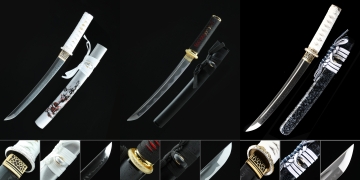
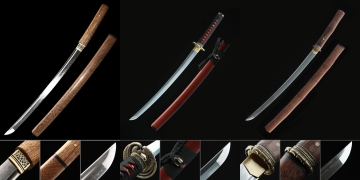
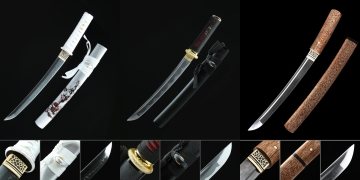
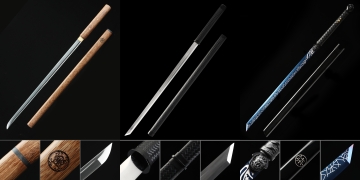
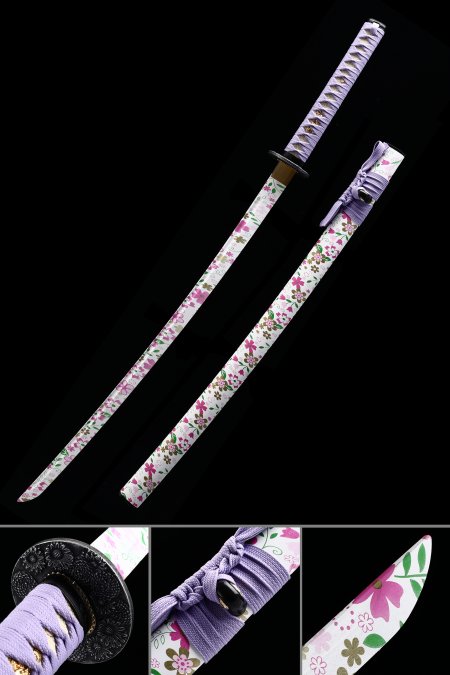
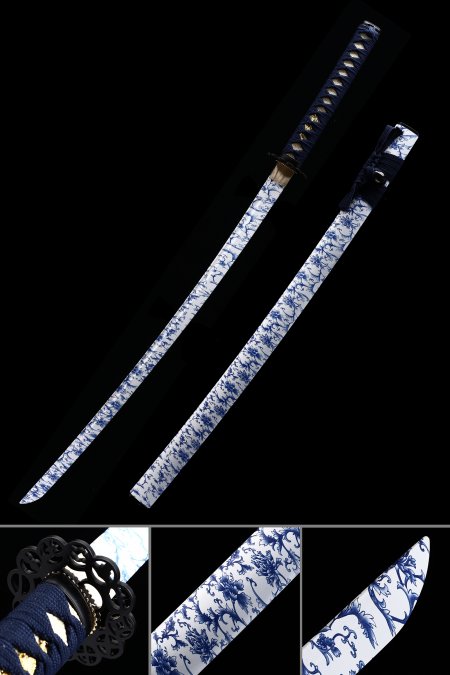
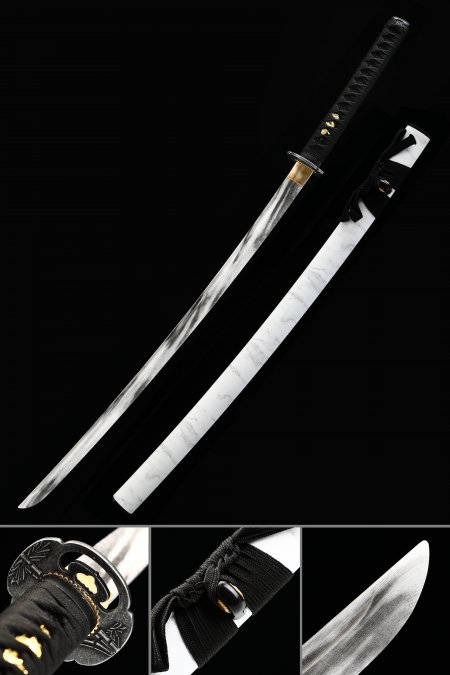
Unsharpened katanas offer the full visual and structural presence of a traditional Japanese sword — hand-fitted handle, iron tsuba, and flowing blade geometry — without a honed edge. Every piece in this collection is crafted for display enthusiasts, cosplay artists, and iaido practitioners who value authentic proportions and safe handling in equal measure. Enjoy free standard shipping on all orders, plus hassle-free returns so you can collect with complete confidence.
We needed a training sword to practice stances, grips and technique, I was skeptical at first but willing to give it a try. The sword does not disappoint at all. The fit and finish are very nice, it looks beautiful and well made.r
I would buy this over any of the other training weapons I have worked with in the past.
 |
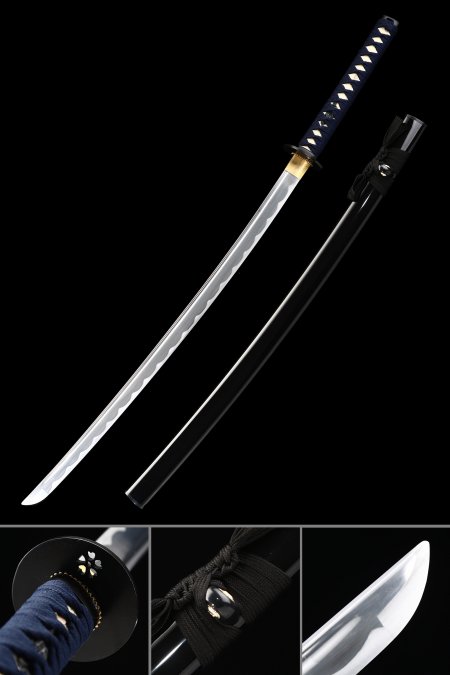
Black Aluminum Practice Katana - Unsharpened 41-Inch, Iron Tsuba, Dark Blue Handle, Training Sword |
The sword design is elegant and using it feels so much better for kenjutsu and iaido training. I was disappointed about the saya being plastic instead of wood, but overall I’m happy with what I got.
|
Black Aluminum Practice Katana - Unsharpened 41-Inch, Iron Tsuba, Dark Blue Handle, Training Sword |
Online ordering was simple and user friendly. My sword was packaged with care and S&H was extremely fast with no issues!
|
Black Aluminum Practice Katana - Unsharpened 41-Inch, Iron Tsuba, Dark Blue Handle, Training Sword |
Very good, a little loose from the tsuba but easy to fix. Perfect light training sword.
|
Black Aluminum Practice Katana - Unsharpened 41-Inch, Iron Tsuba, Dark Blue Handle, Training Sword |
I received my aluminum practice sword in 13 days. Very light and and blunt blade makes the swoosh sound. It is about what I expected.
|
Black Aluminum Practice Katana - Unsharpened 41-Inch, Iron Tsuba, Dark Blue Handle, Training Sword |
Just excellent service, communication and delivery!!
|
Black Aluminum Practice Katana - Unsharpened 41-Inch, Iron Tsuba, Dark Blue Handle, Training Sword |
I have absolutely LOVED every actual katana I have purchased from you and I love these unsharpened ones too! They're perfect to keep up practice without damaging my kickboxing stand on the off chance I miss. Cool swords! Thank you!
|
Black Aluminum Practice Katana - Unsharpened 41-Inch, Iron Tsuba, Dark Blue Handle, Training Sword |
Note: Katana arrived in styrofoam without an outer box and had some smudges on the handle that needed to be cleaned. However, it is great quality, arrived in a timely manner and overall, very happy with my purchase. Received many compliments.
|
Black Aluminum Practice Katana - Unsharpened 41-Inch, Iron Tsuba, Dark Blue Handle, Training Sword |