Slategray Ninjato

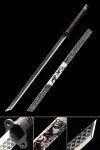
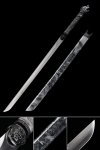
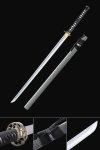
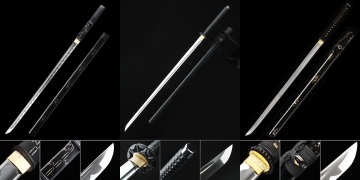
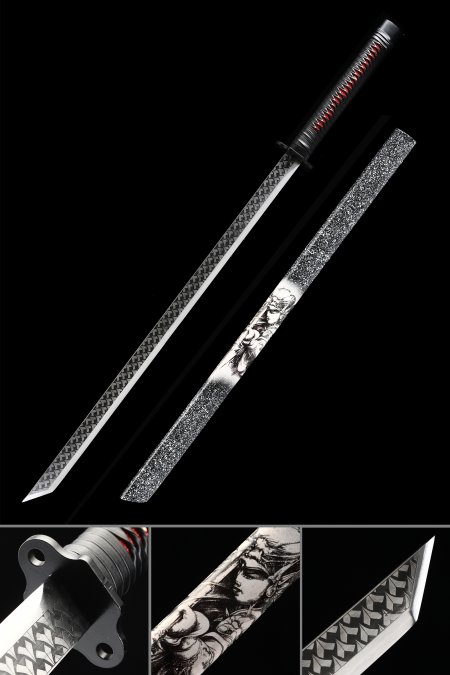
Explore our Slategray Ninjato collection — straight-bladed Japanese swords finished in a distinctive slate gray aesthetic. Each piece is hand-forged with high-quality steel, fitted with full-tang construction, and finished with carefully matched fittings for an authentic display presence. Every order ships with free shipping and a hassle-free return policy.
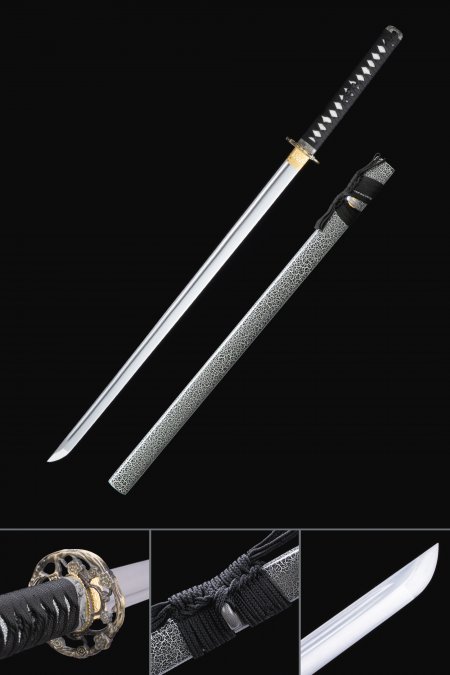
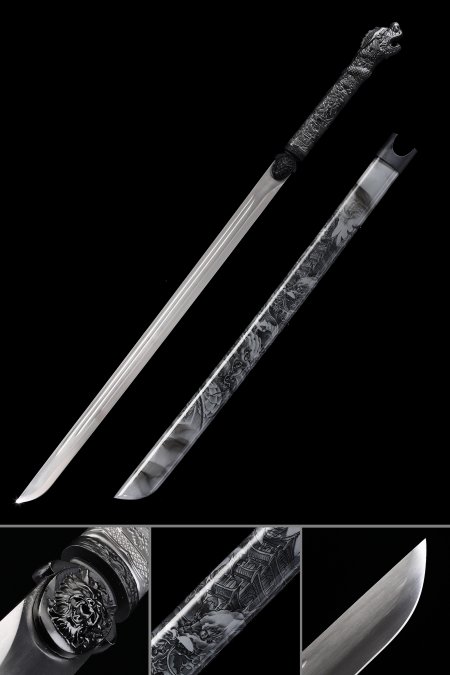
Showing 3 Products

Related Collections

Straight Sword22 items


11 Reviews

Vintage Katana128 items


2376 Reviews

Aikuchi Tanto120 items


584 Reviews

Knight Sword16 items


8 Reviews

Frequently Asked Questions

What makes a ninjato different from a katana?
The most immediate difference is blade geometry. A katana features a curved, single-edged blade designed around drawing cuts from a curved arc, while a ninjato has a straight blade that produces a different visual profile and handling balance. Ninjato also tend to be shorter overall, typically closer in length to a wakizashi than a full-length katana. The tsuba on a ninjato is traditionally square rather than round, and the scabbard often has a flat-tipped end. These design elements give the ninjato its own distinct identity among Japanese sword forms, making it a compelling addition for collectors who already own curved blades and want to diversify their display.
What type of steel is used in these slategray ninjato?
The ninjato in this collection are forged from high manganese steel, a carbon-rich alloy valued for its combination of hardness and resilience. High manganese steel typically contains around 0.65–0.80% carbon along with elevated manganese content, which improves the grain structure and gives the blade good edge retention without becoming overly brittle. After forging, each blade undergoes a differential or through-hardening heat treatment process depending on the specific model. For collectors who want to compare material characteristics, our 1095 Carbon Steel Ninjato series uses a higher-carbon formulation that offers a different hardness profile and patina behavior over time.
How should I maintain and store a slategray ninjato?
Carbon steel blades require periodic care to prevent surface oxidation. Apply a thin layer of choji oil or light mineral oil along the blade every few weeks, or more frequently in humid environments. Use a soft, lint-free cloth and always wipe in one direction from spine to edge. Store the ninjato in its scabbard in a horizontal position on a sword stand, ideally in a climate-controlled room with relative humidity below 55%. Avoid displaying the piece in direct sunlight, which can fade the tsuka-ito wrapping and dry out the wood of the saya over time. If fingerprints land on the blade, clean them promptly since skin oils can etch carbon steel within days.
Is the full-tang construction visible on these swords?
On most models in this collection, the full-tang construction is concealed beneath the tsuka wrapping and handle fittings, which is consistent with traditional Japanese sword assembly. However, the tang runs the full length of the handle and is secured with mekugi pins through drilled holes in the nakago. You can verify the full-tang build by carefully removing the mekugi and sliding the handle off, which also reveals any file marks or signatures on the tang. This construction method ensures the blade and handle function as a single structural unit, which contributes to balanced weight distribution and long-term durability as a collectible piece.
Who typically collects ninjato swords?
Ninjato appeal to a broad range of collectors. Japanese sword enthusiasts often add them to round out a display that already includes katana and wakizashi, since the straight blade creates a striking visual contrast. Historical replica collectors appreciate the ninjato for its association with covert warrior traditions in Japanese lore. The slategray finish in particular attracts collectors with a modern or minimalist aesthetic sensibility, since the muted tones integrate well into contemporary interior design. They also make thoughtful gifts for anyone interested in Japanese culture, martial arts history, or edged art, offering a distinctive piece that stands apart from the more commonly gifted katana.

Customer Reviews

Cart 0 Items

Your cart is empty