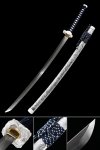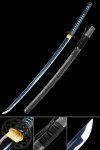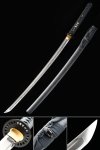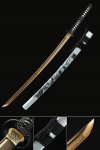
Silver Saya Katana

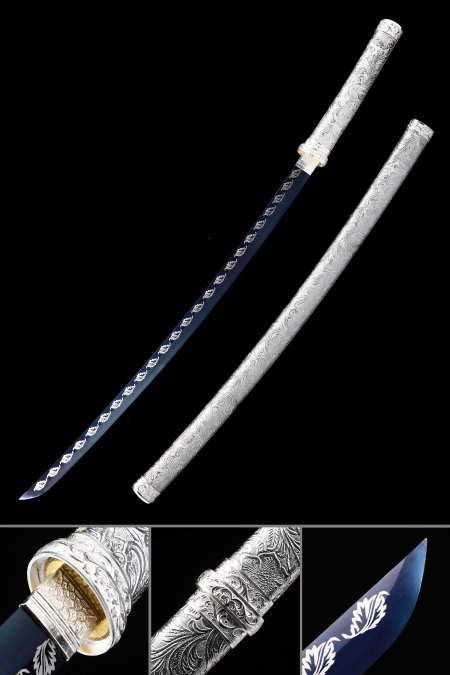
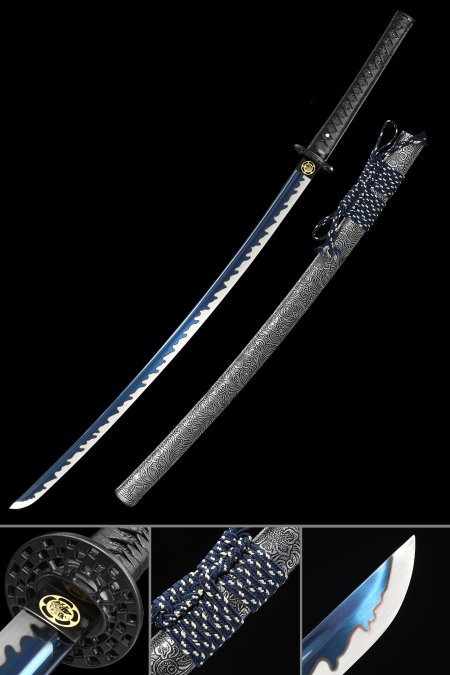
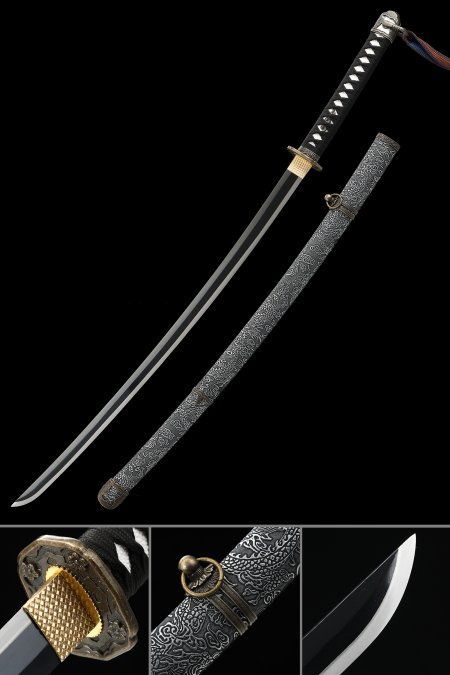
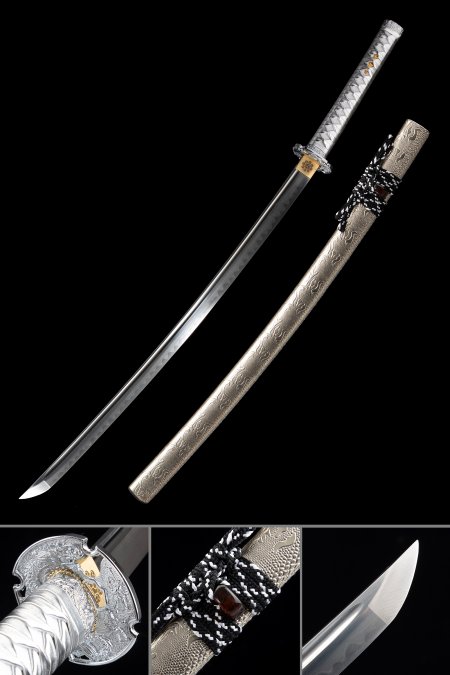
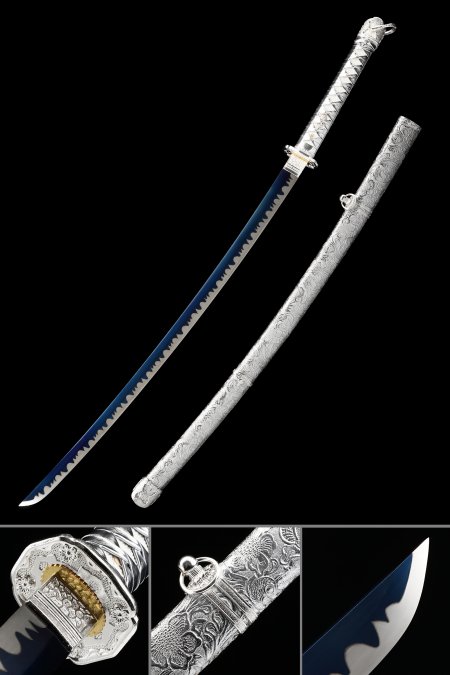
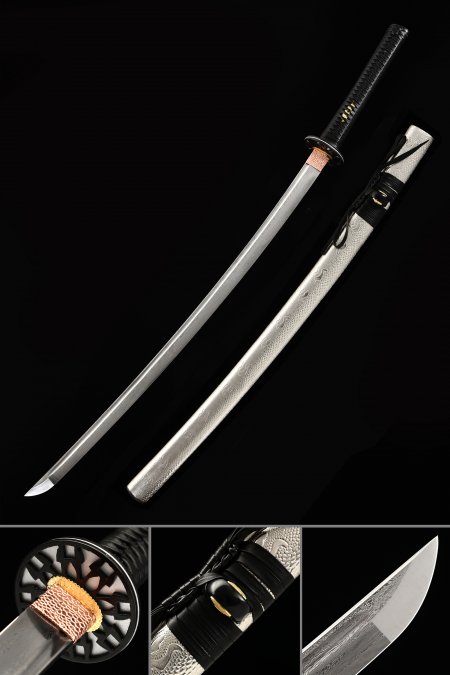
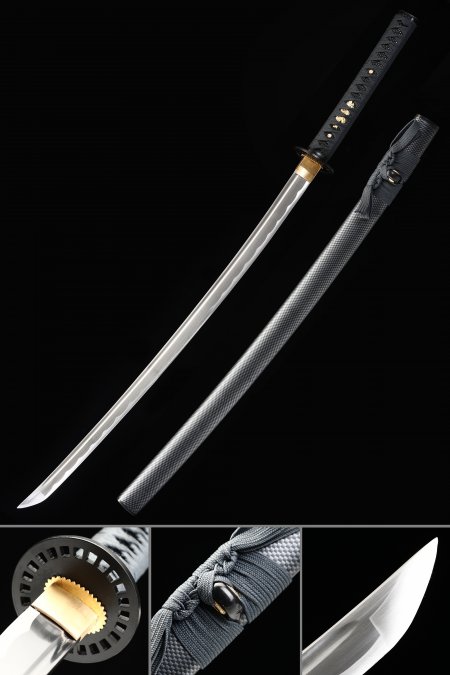
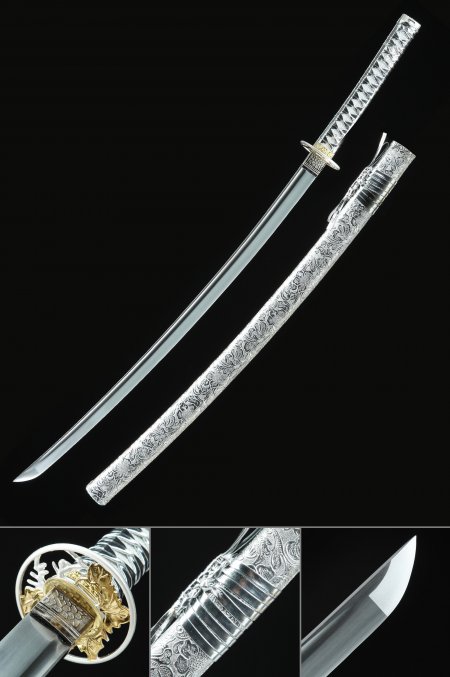
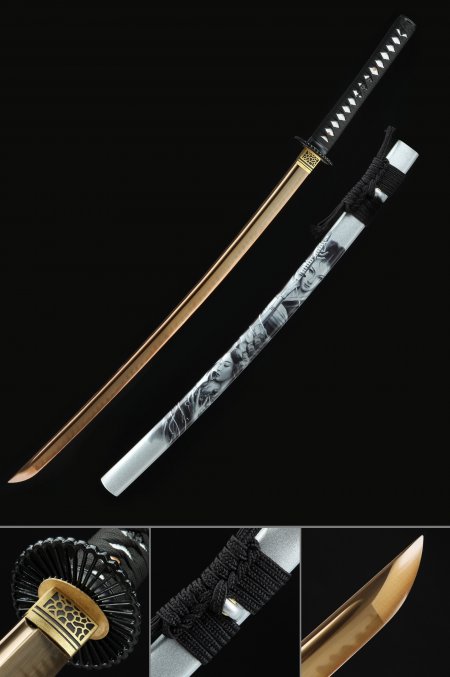
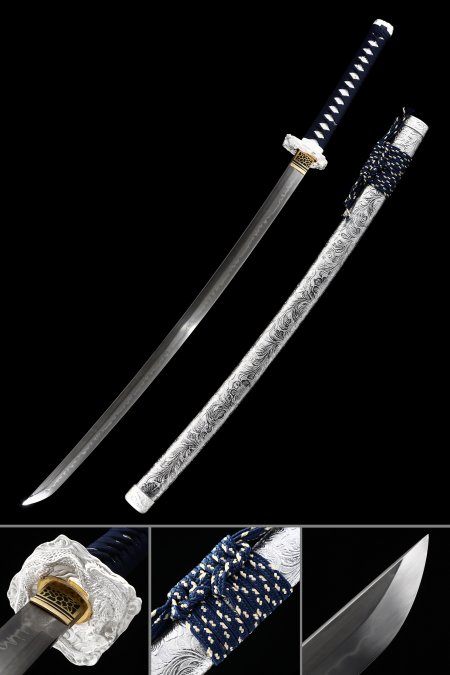
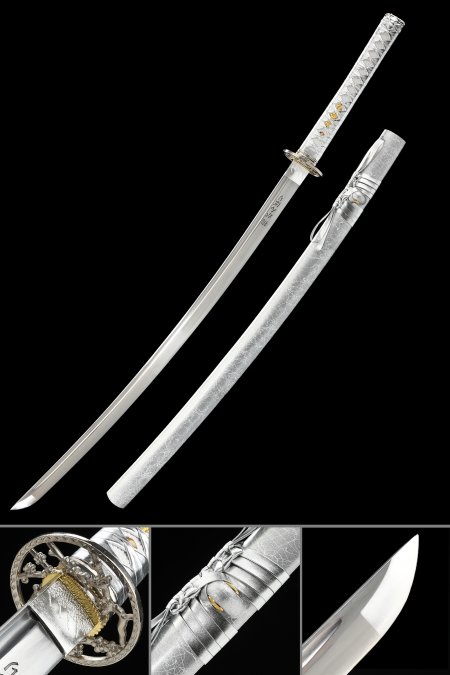
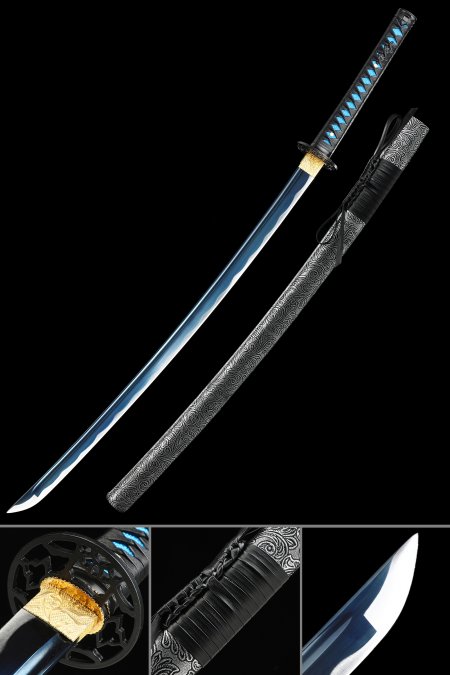
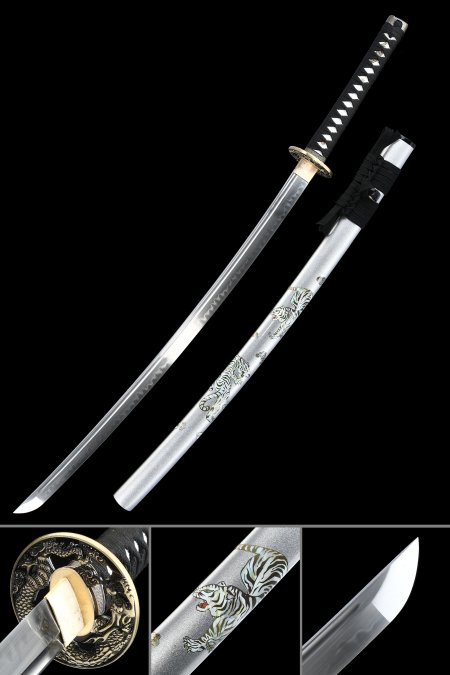
A silver saya katana brings together the quiet elegance of a lacquered or engraved silver scabbard with the proven craftsmanship of hand-forged Japanese blades. Each piece in this collection pairs high-carbon or Damascus steel with intricately detailed koshirae - dragon motifs, vine scrolls, floral engravings - making every sword a genuine display centerpiece. Free standard shipping is included on all orders, and we stand behind every piece with a straightforward return policy.
Showing 13 Products

Related Collections

Green Wakizashi5 items


17 Reviews

Blue Wakizashi7 items


19 Reviews

Red Wakizashi7 items


64 Reviews

Silver Ninjato5 items


3 Reviews

Frequently Asked Questions

What makes a silver saya different from a standard lacquered scabbard?
A standard katana saya is typically finished in solid black, red, or natural wood lacquer - clean and traditional, but visually understated. A silver saya introduces a metallic or silver-toned lacquer base that serves as a canvas for hand-engraved or embossed decorative work. The engravings - dragon motifs, floral patterns, geometric crosshatch - are applied directly to the saya surface, giving it a sculptural quality that a plain lacquered scabbard does not have. This makes the silver saya a display element in its own right, not just a protective sleeve for the blade. From a collector's perspective, the saya becomes a second focal point alongside the blade itself, which significantly raises the overall visual impact of the mounted piece.
Which blade steel is best for a silver saya katana display piece?
For a display-focused silver saya katana, T10 tool steel and Damascus are the two most visually rewarding options. T10 steel, when clay-tempered, produces a genuine hamon - the wavy temper line along the blade edge - that adds a natural, organic visual element contrasting beautifully against an ornate silver scabbard. Damascus (pattern-welded) steel shows a folded grain pattern across the entire flat of the blade, creating a textured surface that catches light differently at every angle. For collectors who prioritize a uniform, dramatic blade color rather than surface pattern, high manganese steel with colored blade finishes - blue or black - pairs striking contrast against a polished silver saya. The right choice depends on whether you want naturalistic hamon detail, layered grain texture, or bold color contrast in your display.
How should I store a silver saya katana to prevent tarnishing?
Silver-toned lacquer and engraved metalwork on a saya are sensitive to sustained humidity and airborne moisture. Store the piece horizontally on a sword stand inside a display case rather than leaning it against a wall, which can stress the habaki fitting over time. Place one or two silica gel packets inside the display case and replace them every three to six months to maintain a dry microclimate. For carbon steel blades, apply a thin coat of choji oil or food-grade mineral oil to the blade surface every few months - carbon steel oxidizes without a protective layer. Avoid storing the sword in a sword bag for extended periods, as fabric can trap residual moisture against the blade. Wipe the blade with a clean, lint-free cloth before re-sheathing to remove any fingerprint oils that accelerate surface oxidation.
Are silver saya katanas suitable as collector gifts?
Yes - and they are particularly well-suited for recipients who appreciate decorative craftsmanship rather than minimalist traditional aesthetics. The silver saya format offers immediate visual impact when the piece is unboxed or displayed, which makes it more accessible and impressive to a general audience than a plain black-saya katana. For someone new to Japanese sword collecting, a silver saya katana paired with a matching tanto creates a daisho-style display that references classical samurai tradition while looking spectacular mounted on a stand. Dragon-engraved and floral koshirae styles tend to be the most universally appreciated motifs for gift purposes, while Type 98 Shin Gunto reproductions appeal specifically to collectors interested in World War II Japanese military history. Full-tang construction across this collection also means the piece has the structural integrity of a properly made sword, not a decorative imitation - a detail knowledgeable collectors will notice and value.
How does a silver saya katana compare to a silver ninjato scabbard?
The core aesthetic concept - an engraved silver scabbard paired with a quality steel blade - is shared between both forms, but the sword geometry is fundamentally different. A katana features a curved single-edged blade, a longer tsuka (handle), and a blade geometry optimized through centuries of Japanese sword-making tradition. A ninjato carries a straighter, shorter blade with a more angular profile, reflecting a different stylistic lineage. For display purposes, the katana's curve creates a more dynamic silhouette on a stand, while the ninjato's straight profile gives it a more angular, modern appearance. Collectors who enjoy the silver scabbard aesthetic often find that mounting one of each - a katana and a ninjato - side by side creates a compelling contrast in blade geometry within a unified visual theme. You can explore the straight-blade option in our Silver Scabbard Ninjato collection.

Customer Reviews

Hannah Long New Mexico, United States

I bought this as a gift, mainly meant for a wall display, and it is perfect for my purpose! I cannot attest to blade sharpness or durability, as it was purchased as a decorative piece - but it seems like a fairly sturdy piece. I'm not worried about it breaking, the sheath feels sturdy, and it sits comfortably in your hands. Very cool!

1065 Carbon Steel Full Tang Katana with Silver Saya, Floral Alloy Tsuba and White Cord Handle 1065 Carbon Steel Full Tang Katana with Silver Saya, Floral Alloy Tsuba and White Cord Handle
Cart 0 Items

Your cart is empty