What is a ninjato and how does it differ from a katana?
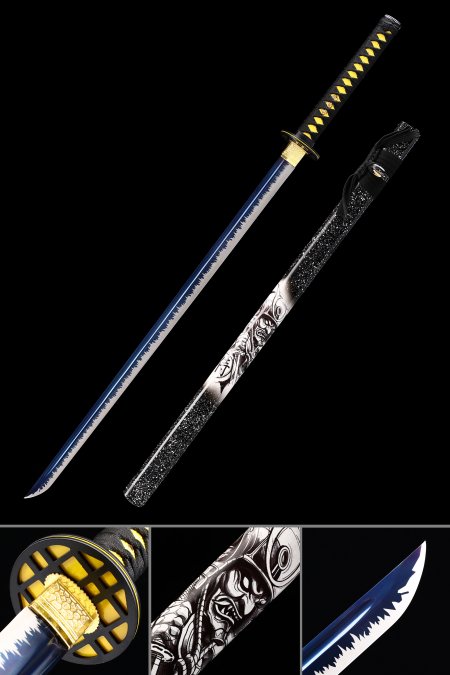
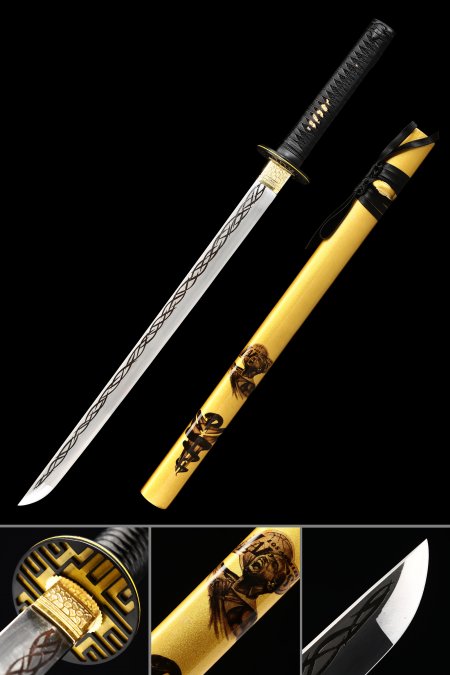
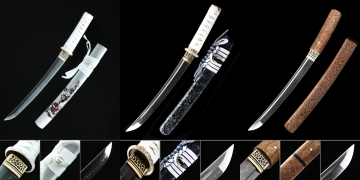
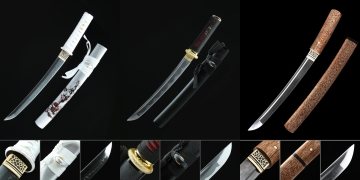
A ninjato is characterized by its straight or very slightly curved blade, in contrast to the pronounced curvature that defines a katana. This straight profile results from a different geometric construction — the ninjato typically has a more uniform blade width and a squared or slightly rounded tip rather than the katana's classic acute kissaki point. For collectors, this distinction matters aesthetically: a ninjato presents a more linear, architectural silhouette that suits certain display styles and room aesthetics where the katana's dramatic curve might feel too dominant. The tsuba (guard) on ninjato is also traditionally depicted as square rather than round, adding another visual element that sets it apart as a collectible form.
What makes manganese steel a good choice for display collectibles?
Manganese steel contains a higher proportion of manganese than standard carbon steel, which improves its resistance to surface oxidation and gives it a naturally harder wearing finish. For display collectibles, this translates to a blade that holds its polished appearance longer between maintenance sessions. Unlike high-carbon steels that can develop patina or light rust spots relatively quickly in humid environments, manganese steel is more forgiving of fluctuating humidity levels — a practical advantage if your display space is not climate-controlled. The material also takes a clean mirror or satin polish well, which enhances the visual impact of the blade when displayed alongside an engraved lacquered saya.
How should I care for a lacquered saya to preserve the engraving?
Lacquered scabbards require a gentler maintenance approach than the blade itself. Avoid using silicone-based polishes or harsh solvents on the saya surface, as these can cloud or lift the lacquer layer over time. Instead, wipe the scabbard with a soft, dry microfiber cloth to remove dust and fingerprints. If the lacquer appears dull, a very light application of high-quality furniture wax — applied sparingly and buffed off completely — can restore sheen without penetrating the finish. Store the piece away from direct sunlight, which causes lacquer to yellow and crack over years of exposure. For the blade inside, apply a thin coat of choji oil or mineral oil to the steel before sheathing to prevent moisture transfer within the saya.
Is a blue blade purely decorative, or does it indicate a specific treatment?
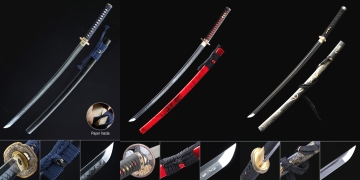
A blue blade finish is an aesthetic surface treatment applied to the steel, most commonly achieved through controlled oxidation, chemical bluing, or a coated finish. In the context of collectible pieces like those in this collection, the blue coloration is primarily decorative — it creates a visually distinctive blade that pairs dramatically with black-gold koshirae. Chemical bluing does offer a modest degree of corrosion resistance compared to bare unfinished steel, as the treated surface is less reactive, but collectors should still apply a light protective oil periodically to maintain the finish. The key care point is to avoid abrasive cleaning on a blued blade, as scrubbing will remove the finish and expose the underlying steel unevenly.
How do I mount a ninjato for wall display?
The straight profile of a ninjato makes it well-suited to horizontal or diagonal wall mounting using a standard katana wall rack designed for straight or low-curvature blades. When selecting a mount, ensure the cradle padding is made from a soft, non-reactive material such as suede or dense foam rather than bare wood or metal, which can mark the lacquered saya or blade finish over time. Mount the piece with the saya on, as this protects the blade and presents the engraved scabbard artwork as the primary visual element. Position the display away from exterior walls in humid climates to minimize condensation exposure, and avoid hanging directly above heating vents, which dry out both the lacquer and any wooden components in the koshirae.