Red Japanese Mask
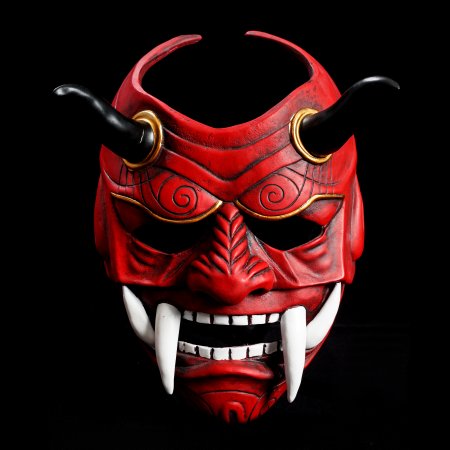
Few decorative pieces carry the visual weight and cultural depth of a red Japanese mask. From the horned fury of an Oni to the brooding sorrow of Hannya, each mask in this collection is hand-crafted with meticulous attention to traditional iconography, surface texture, and bold lacquered finish. These are statement pieces built for serious collectors and display enthusiasts alike. Every order ships free, and returns are always hassle-free.
Related Collections
Frequently Asked Questions
What makes Hannya and Oni masks different?
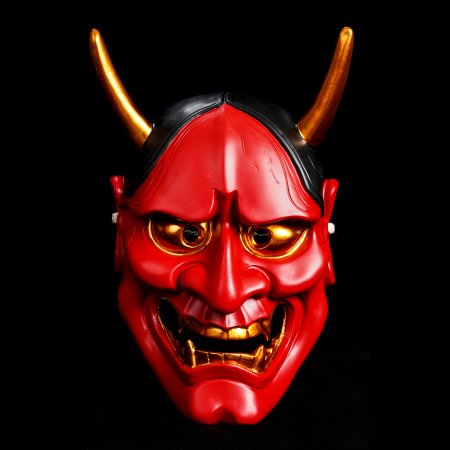
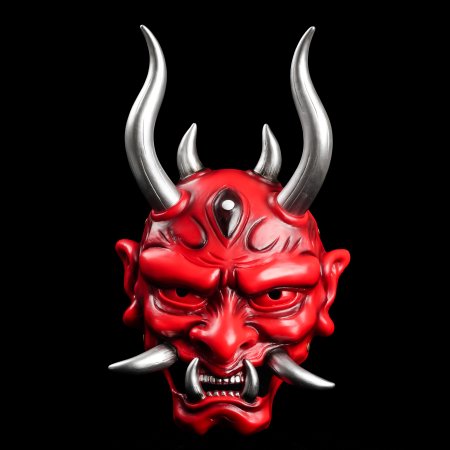
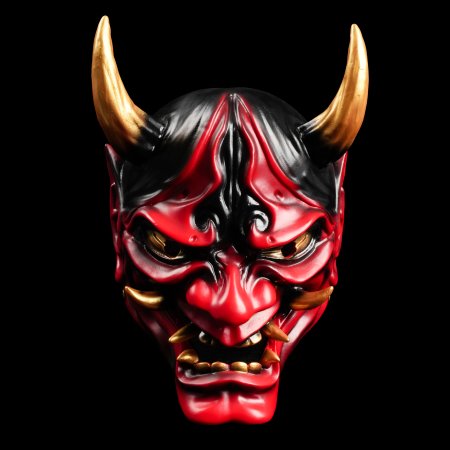
Both are iconic red Japanese mask types, but their origins and visual language are distinct. The Hannya is rooted in Noh theater and depicts a human woman transformed by jealousy into a demon - her face carries two sharp horns, metallic eyes, and a grimacing mouth that can appear sorrowful or menacing depending on the viewing angle, a deliberate design choice by Noh craftsmen. The Oni, by contrast, comes from Japanese folklore as a supernatural ogre-like being, typically depicted with bold horns, tusks, wild hair, and an overtly ferocious expression. Hannya masks lean toward psychological and theatrical nuance; Oni masks lean toward raw, exaggerated power. For collectors, this distinction matters when building a thematically coherent display - the two types complement each other well when shown together precisely because they represent different registers of supernatural expression.
Why is red the dominant color on these masks?
In classical Japanese aesthetics and theatrical tradition, color carries explicit symbolic meaning rather than purely decorative function. Red - particularly the deep vermilion associated with lacquerwork and Noh costuming - signals heightened emotion, supernatural energy, and intensity of spirit. On a Hannya mask, the red tones reinforce the character's consumed, wrathful state. On an Oni mask, they emphasize primal ferocity. This is why a red Japanese mask reads differently from a white or gold variant of the same design: the color itself communicates character and intention before the viewer processes any of the surface detail. For display collectors, this makes red masks among the most visually commanding options - they hold attention across a room in a way that subtler colorways do not.
How should I display a Japanese mask to protect it long-term?
The two primary threats to lacquered or painted mask surfaces are prolonged UV exposure and humidity fluctuation. Direct sunlight will gradually bleach red lacquer pigments, so positioning the display away from windows or under UV-filtering glass is strongly recommended. For humidity, aim to keep the display environment between 45% and 60% relative humidity - both excessively dry conditions and damp air can cause the underlying material to expand and contract, eventually stressing the surface finish. Wall-mounted display hooks designed for mask profiles keep the piece stable and allow air circulation behind it. Avoid placing masks directly against exterior walls in climates with significant temperature swings. For routine cleaning, a dry microfiber cloth is sufficient - no moisture, no solvents.
Do these masks pair well with Japanese sword displays?
Thematically and visually, yes - a red Japanese mask and a coordinated sword display create a cohesive collector vignette that feels deliberately curated. The visual logic is straightforward: both object types are rooted in Japanese martial and theatrical culture, and matching color tones between a mask and a sword's fittings or lacquered saya ties the arrangement together. A Hannya or Oni mask positioned above or alongside a Red And Black Katana is a classic pairing among Japanese decorative arts collectors. Similarly, smaller blade forms like a Red Samurai Tanto work well in tighter display cases where a full katana length would overwhelm the composition. The key is consistent color language and adequate spacing so each piece reads individually before the eye takes in the arrangement as a whole.
Are these masks suitable as collector gifts?
Red Japanese masks are among the more thoughtful gift options in Japanese decorative arts because they carry obvious visual impact while also rewarding recipients who want to learn more about the cultural context. Unlike generic home decor, a Hannya or Oni mask has a specific iconographic history that a curious recipient can explore - Noh theater, Edo-period folklore, the symbolism of color in Japanese aesthetics. For gifting purposes, the key is pairing the mask with a brief note on its specific type (Hannya vs. Oni, for example) so the recipient understands what they are receiving rather than simply experiencing it as a decorative object. These pieces suit collectors, enthusiasts of Japanese culture, martial arts practitioners with an appreciation for the broader tradition, and anyone who values hand-crafted decorative art with genuine historical roots.