FAST SHIP
Free Shipping
139.00 USD
ON SALE! 15% OFF
Was: 169.00 USD

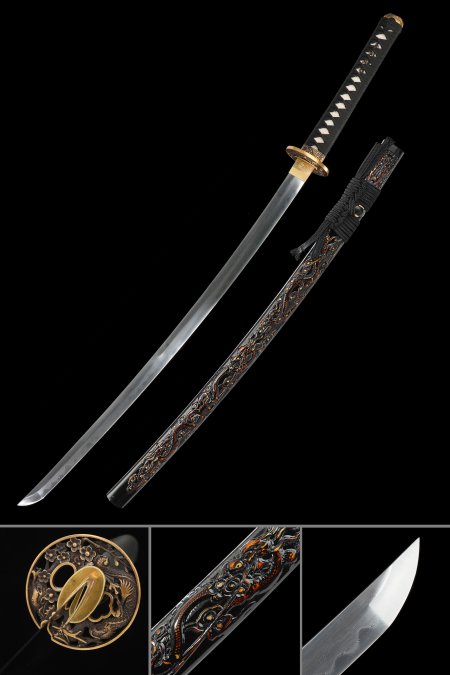
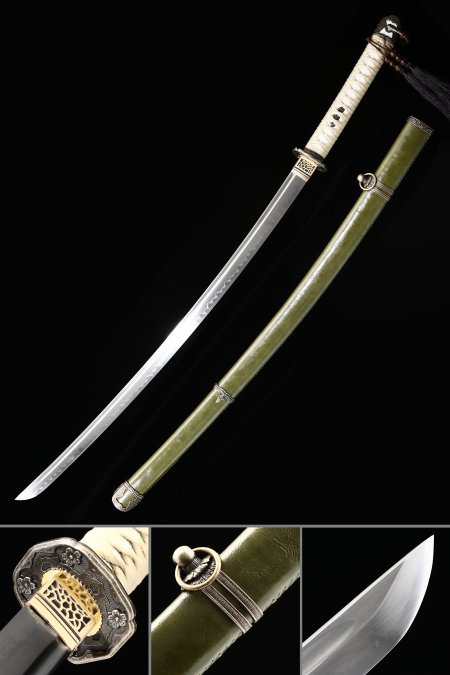
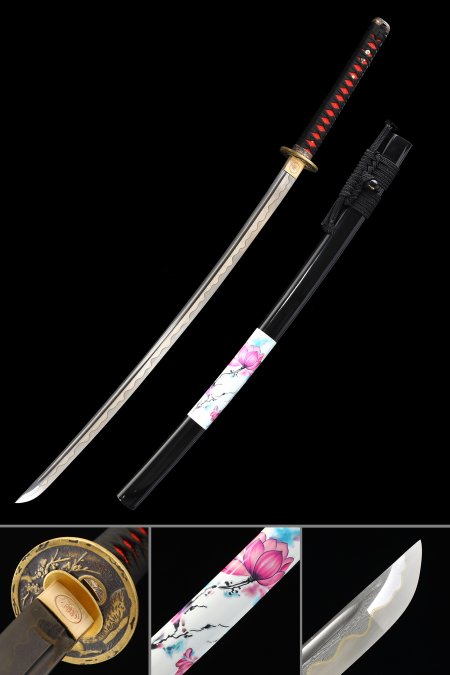
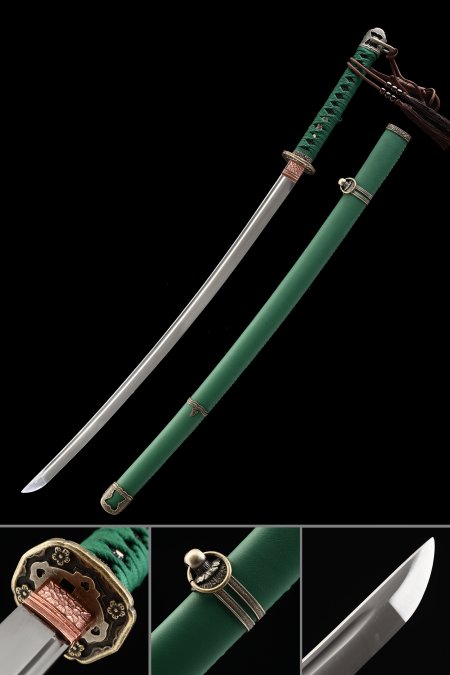
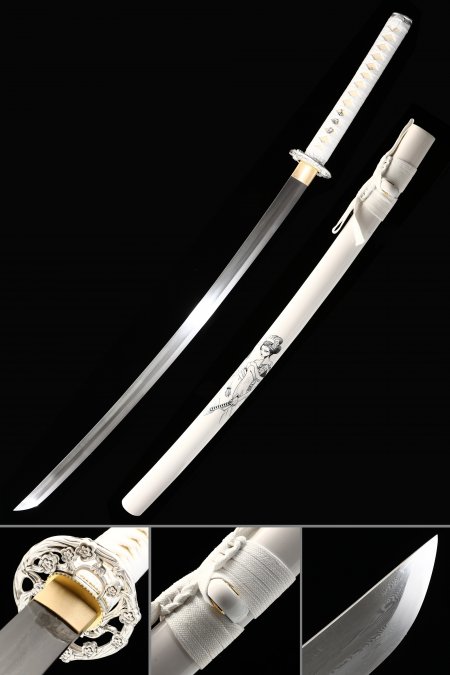
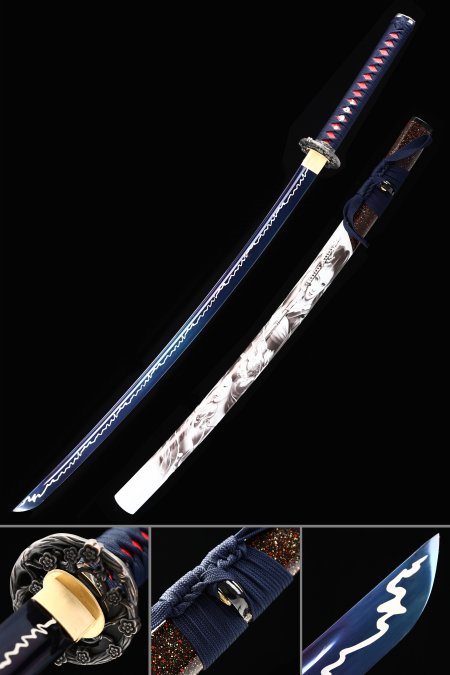
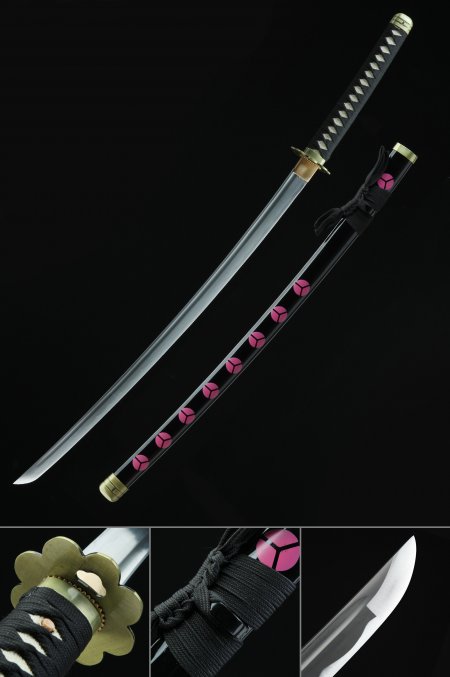
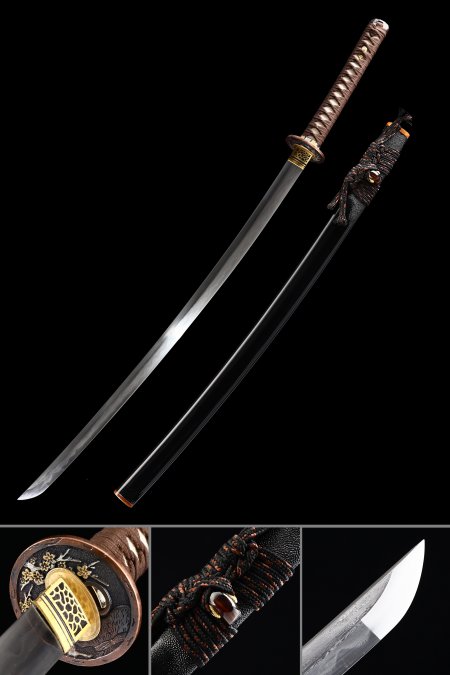
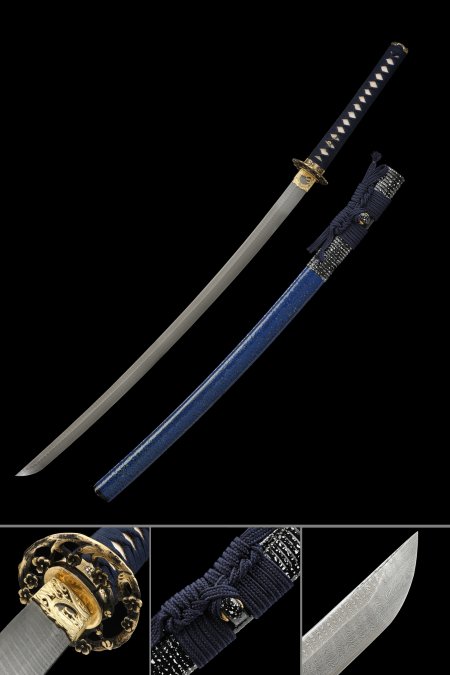
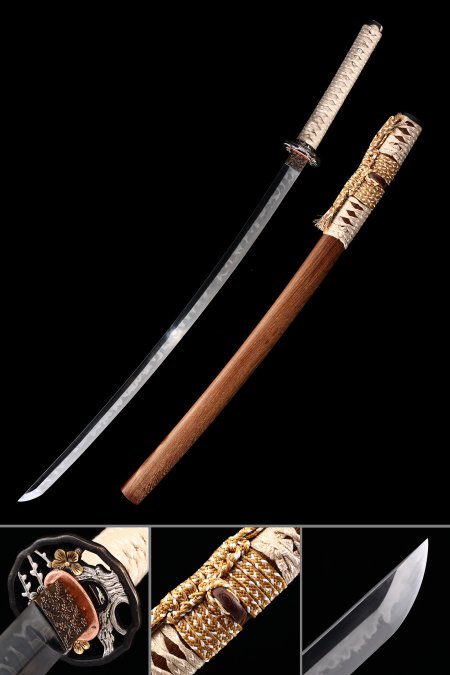
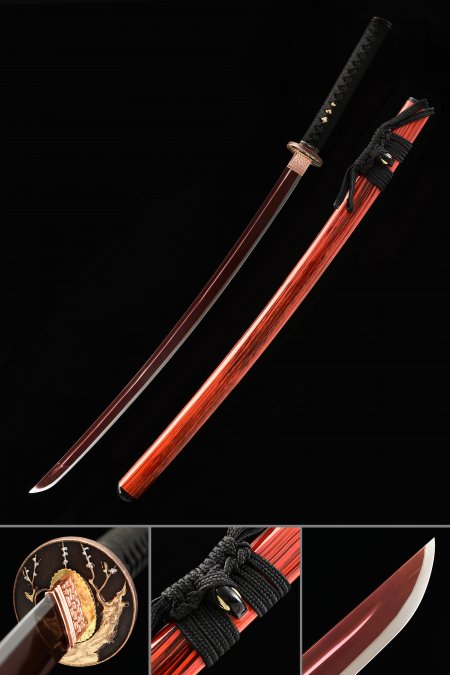
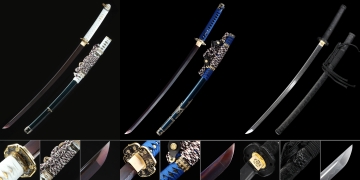
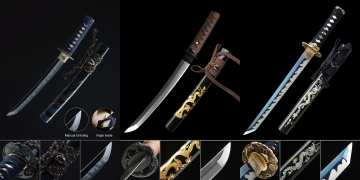
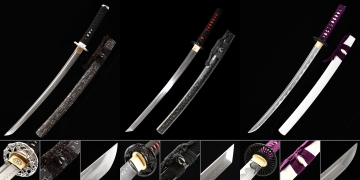
Plum blossom tsuba katana pieces unite classical Japanese floral symbolism with masterful sword-fitting craftsmanship, making each guard a focal point as compelling as the blade itself. From hand-forged Damascus steel to clay-tempered T10, every katana in this collection is assembled with full-tang construction and richly lacquered hardwood saya for display-ready presentation. Enjoy free shipping on your order, backed by our hassle-free return policy.
Amazing amazing quality, weight, and looks soooo good! Truly an amazing addition to a One Piece collectors collection
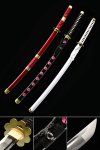 |
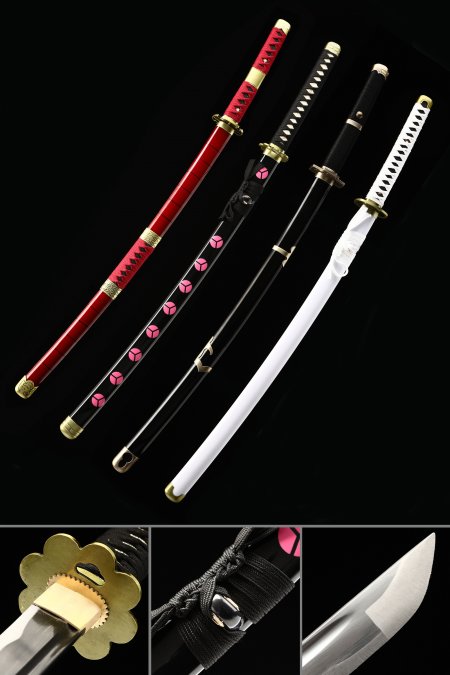
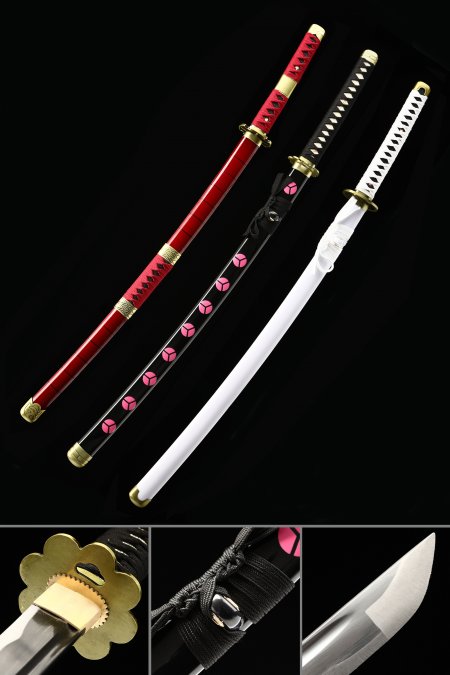
Roronoa Zoro Santoryu Set - One Piece 3-Sword Replica, Wado Ichimonji, Sandai Kitetsu, Shusui |
As other reviewers have said they are good replica and appropriate. The metal used isn't the greatest. To be fair for $300+ you pay for what you get. The set was a christmas set for a friend. They loved it dearly.
|
Roronoa Zoro Santoryu Set - One Piece 3-Sword Replica, Wado Ichimonji, Sandai Kitetsu, Shusui |
What a wonderful gift chosen for my grandson. His smile speak the million words of the detailed craftsmanship of the sword to the life time of memory of having this beautiful piece of art.
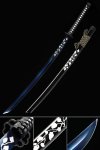 |
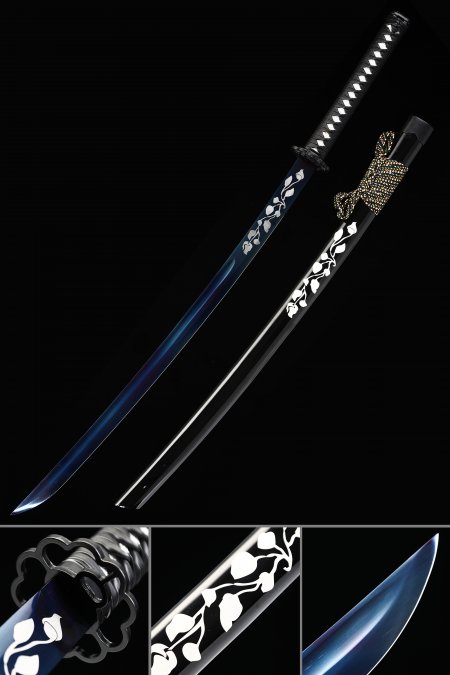
Manganese Steel Blue Blade Katana with White Vine Saya and Flower Tsuba - Full Tang Collectible Sword |
Got this for my boyfriend for Christmas, and it is amazing! better quality than I imagined. I think I might be more obsessed than he is!
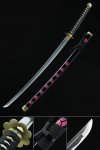 |
Roronoa Zoro Shusui - One Piece Black Blade Replica, 1045 Carbon Steel, Full Tang |
Package was delivered on time. My Grandson was thrilled.
|
Roronoa Zoro Santoryu Set - One Piece 3-Sword Replica, Wado Ichimonji, Sandai Kitetsu, Shusui |
The sword is a gift and it arrived broken. Message them and they were right on it. Happy to hear they are putting a new one in the mail today. One day after emailing them. Definitely will order from them again. Beautiful sword other than being broken.
|
Roronoa Zoro Shusui - One Piece Black Blade Replica, 1045 Carbon Steel, Full Tang |
Very happy with the quality. 2 of the metal gold bands on sandai popped loose after opening and need to be re-glued but over all very nice!
|
Roronoa Zoro Santoryu Set - One Piece 3-Sword Replica, Wado Ichimonji, Sandai Kitetsu, Shusui |
Bought this for my One piece obsessed brothers birthday, he loves it!!
|
Roronoa Zoro Shusui - One Piece Black Blade Replica, 1045 Carbon Steel, Full Tang |