FAST SHIP
Free Shipping
159.00 USD
ON SALE! 20% OFF
Was: 199.00 USD

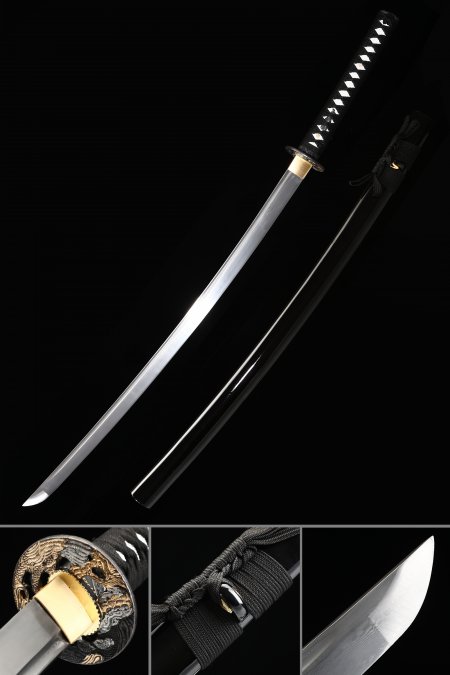
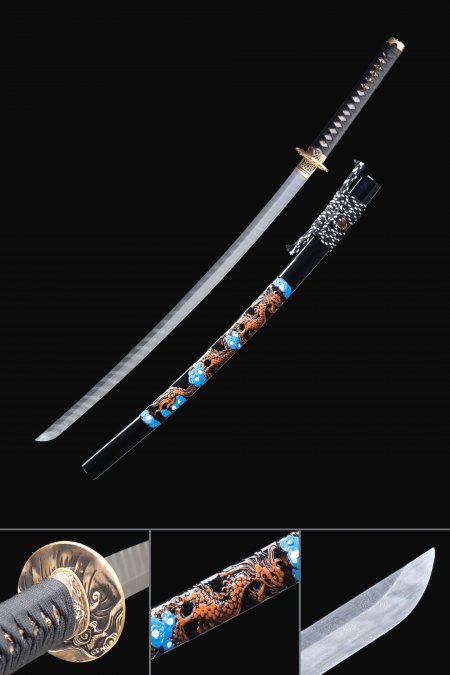
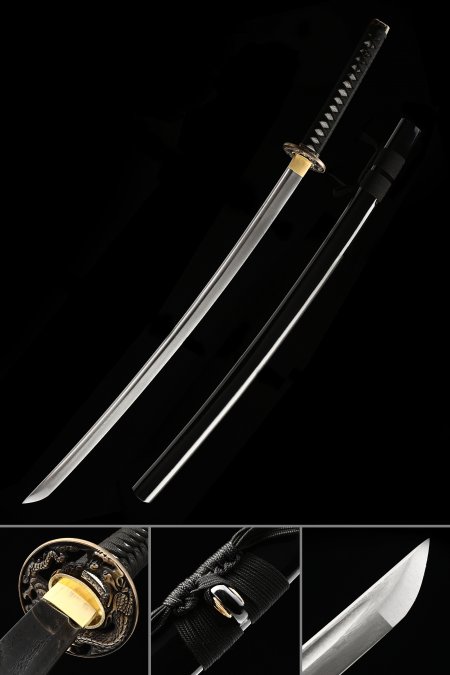
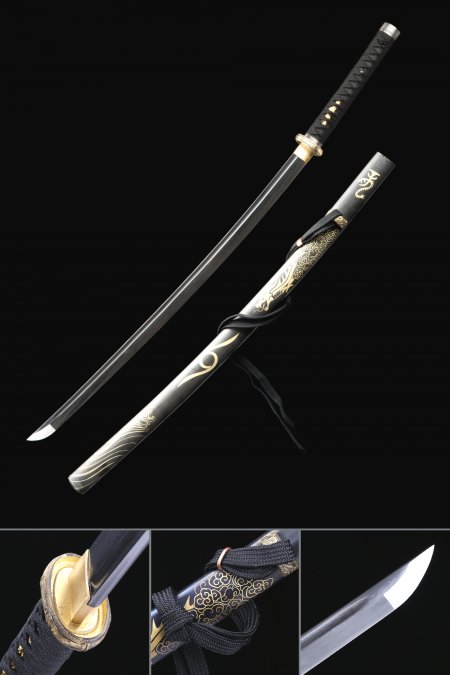
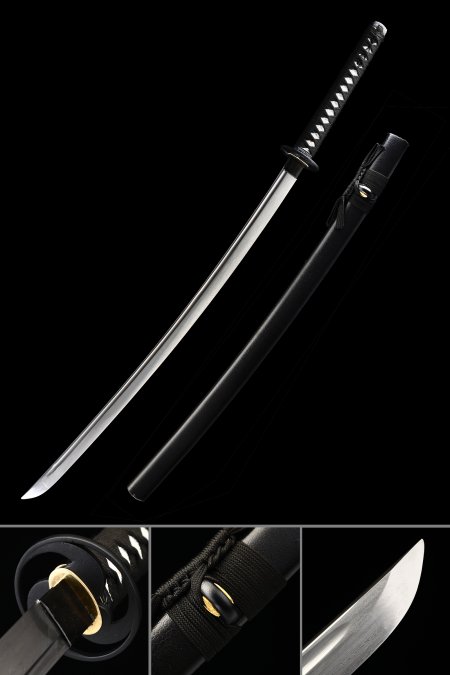
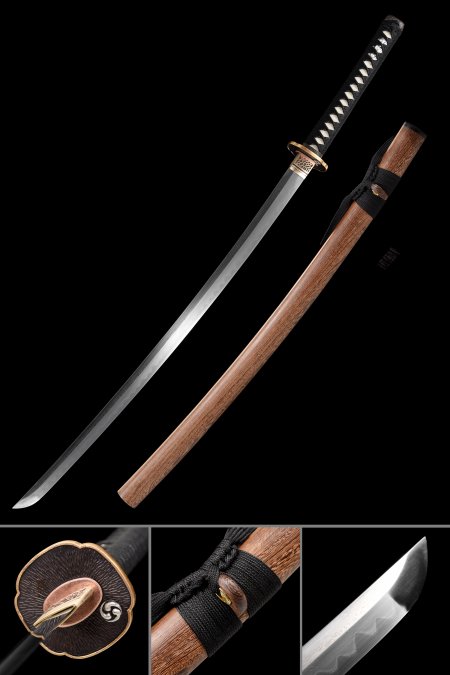
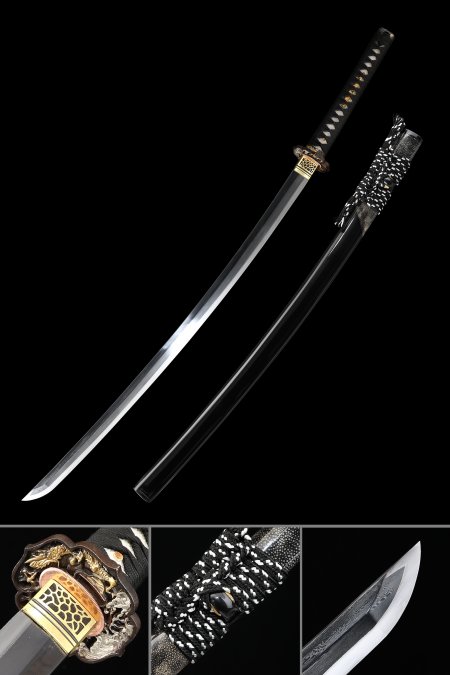
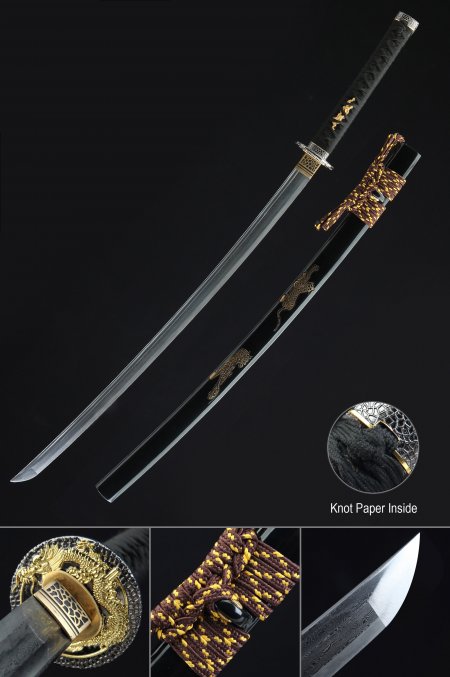
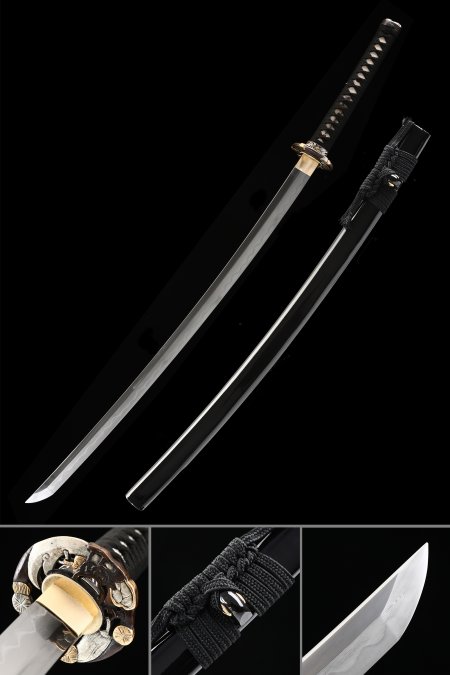
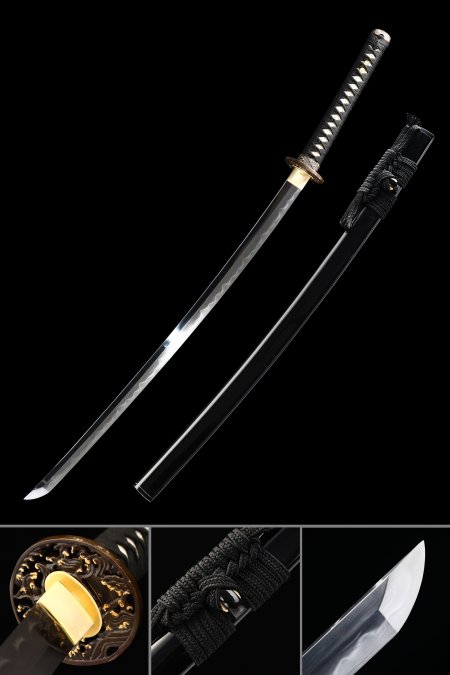
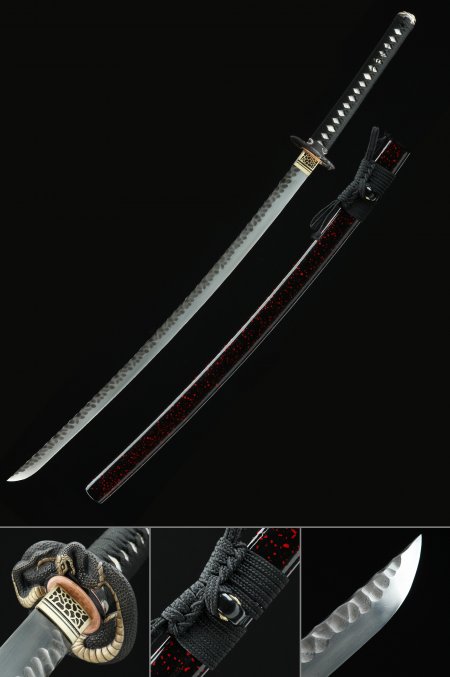
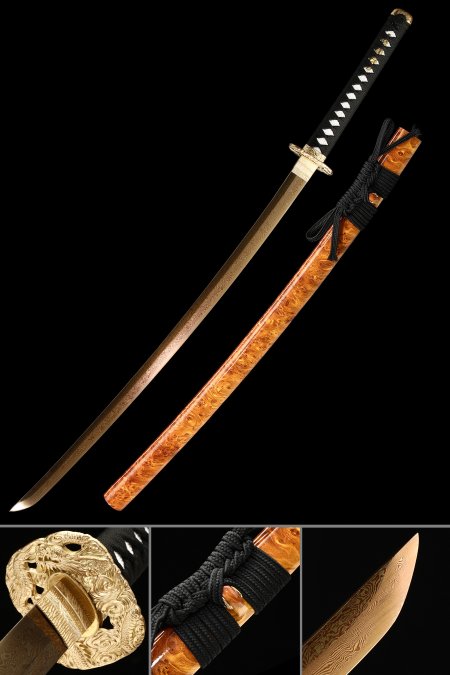
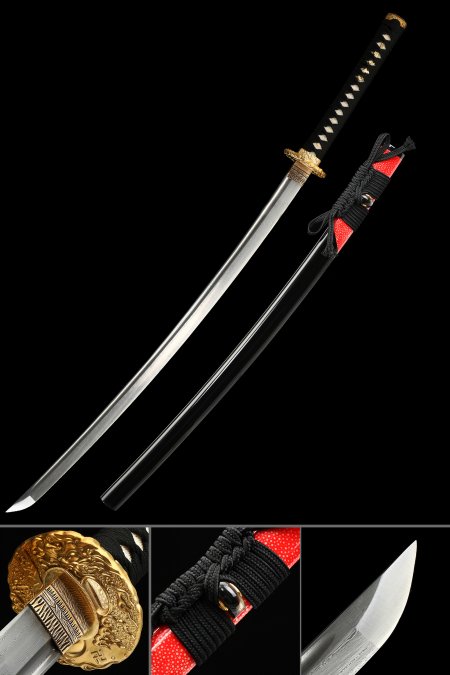
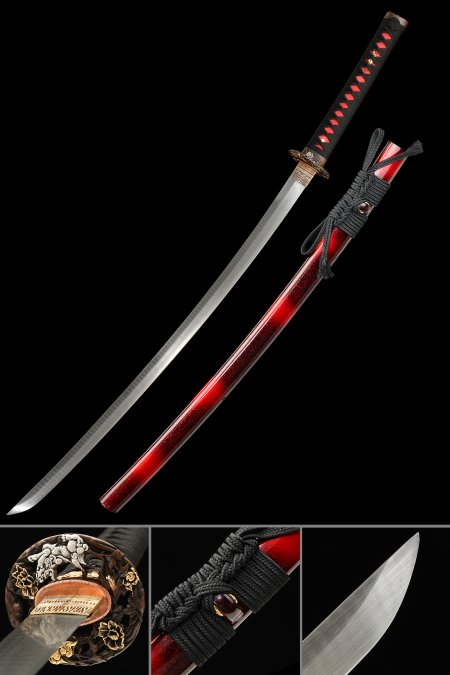
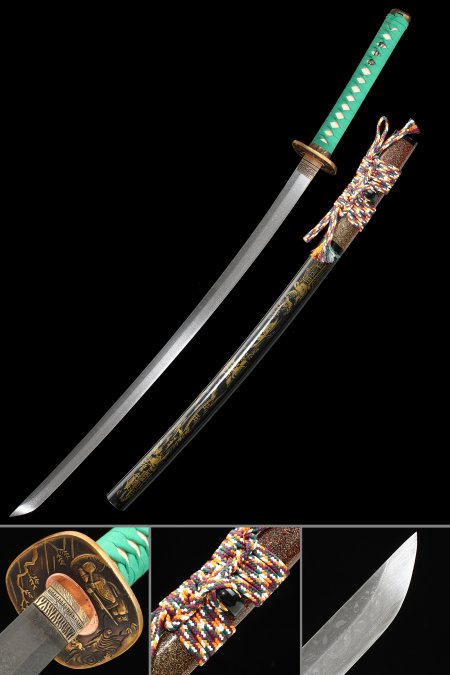
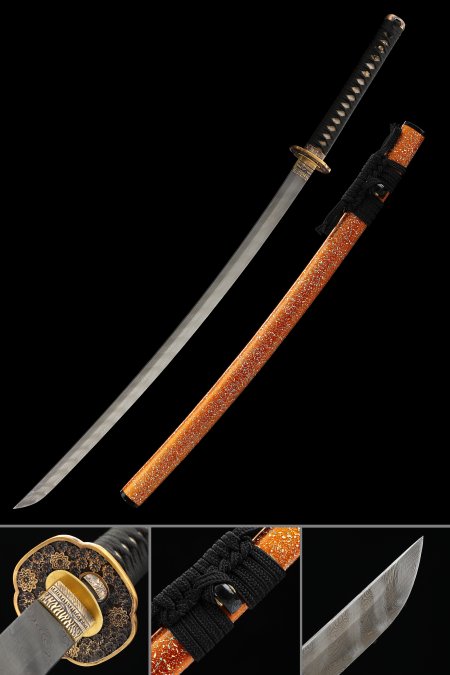
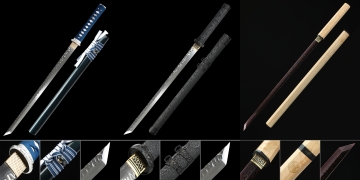
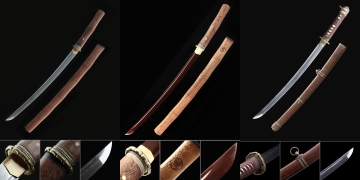
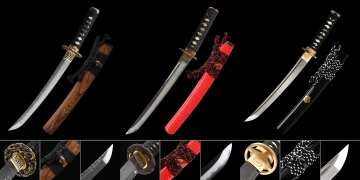
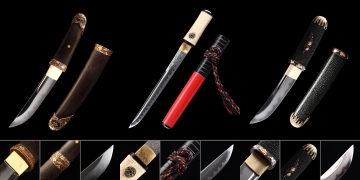
Explore our Pattern Steel Katana collection, featuring blades forged from pattern-welded steel that reveals flowing, layered grain across the blade surface. Pattern steel — also known as Damascus steel — is produced by folding and forge-welding multiple steel layers together, creating visible stratified patterns unique to each blade. The result is a katana where no two blades share the same grain, making every piece a genuine one-of-a-kind collectible. Free U.S. shipping and 30-day return guarantee.
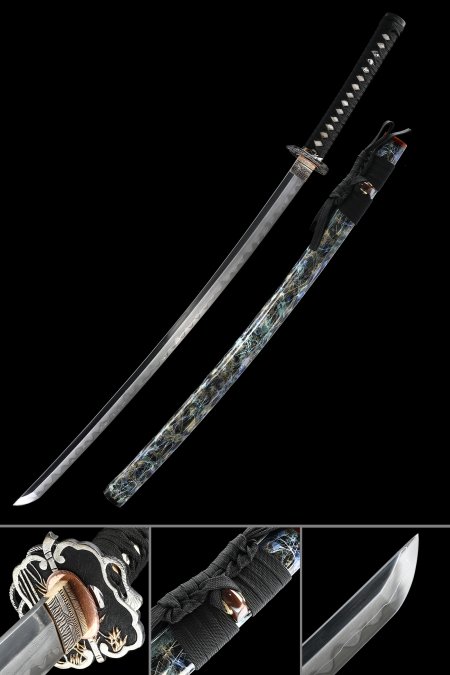
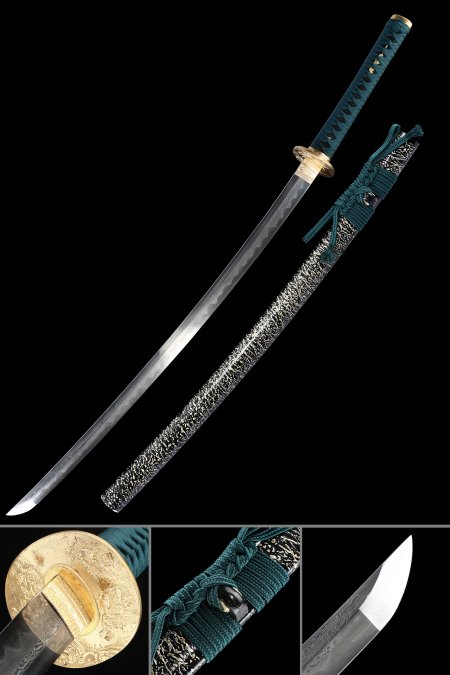
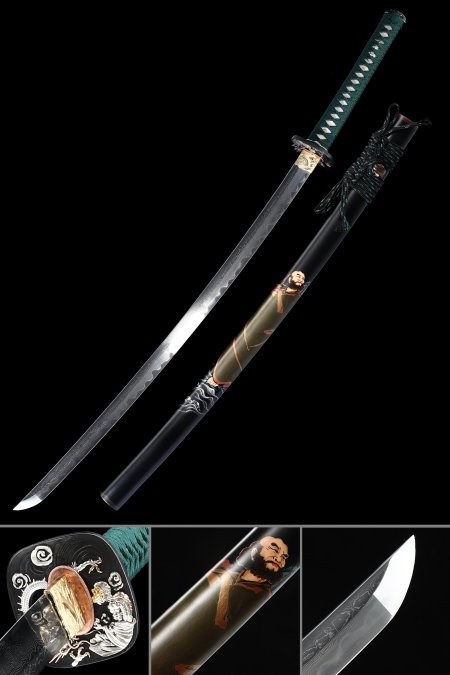
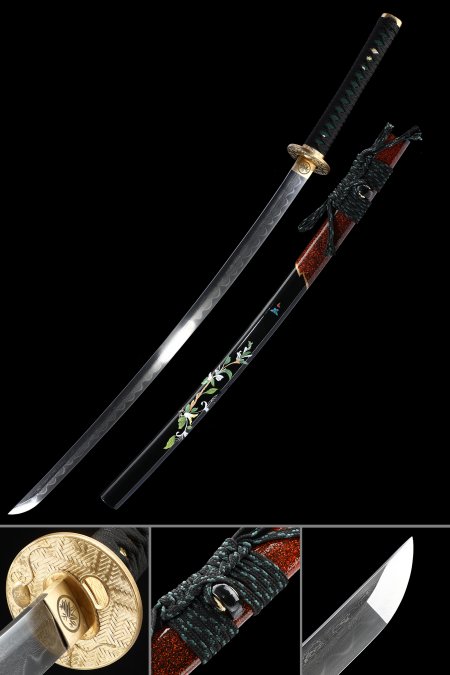
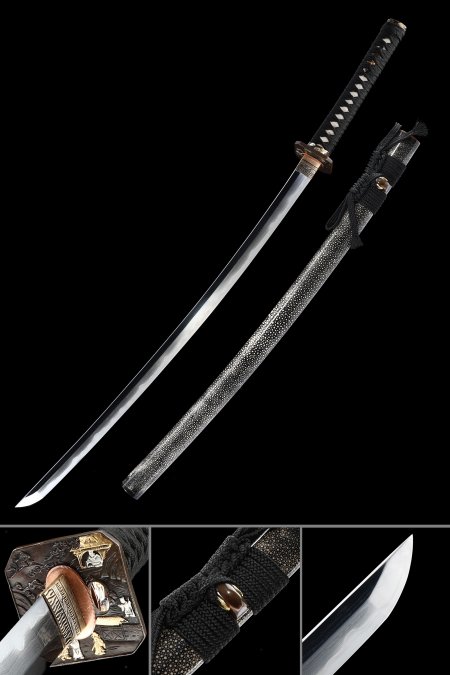
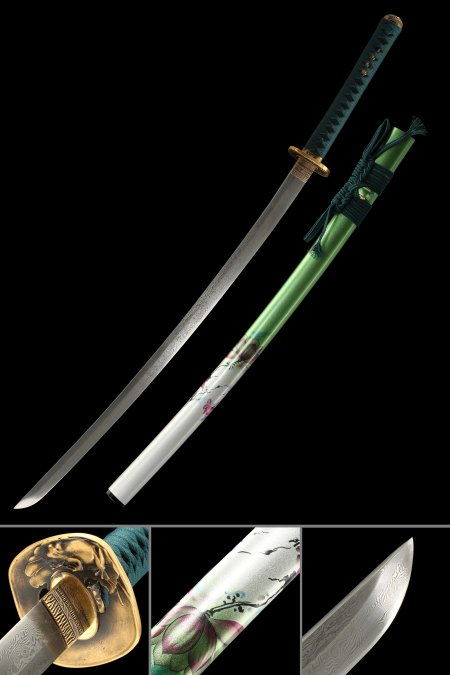
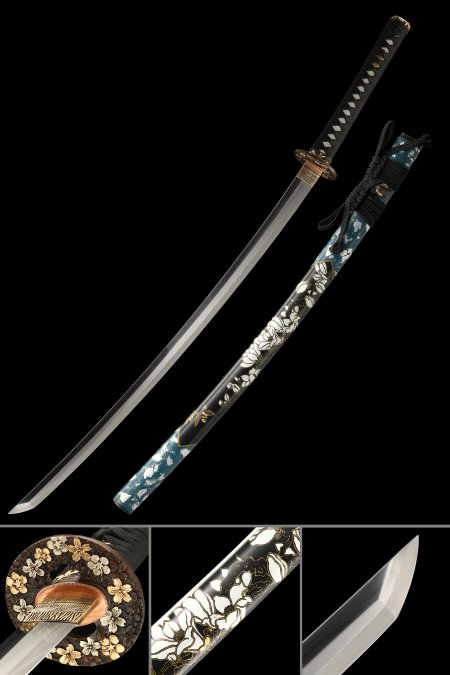
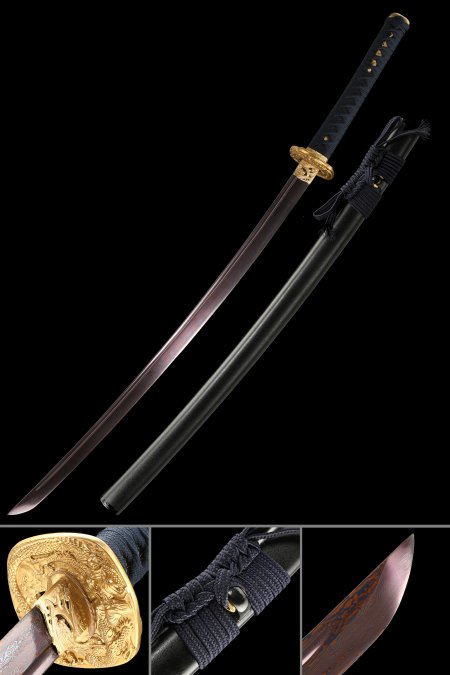
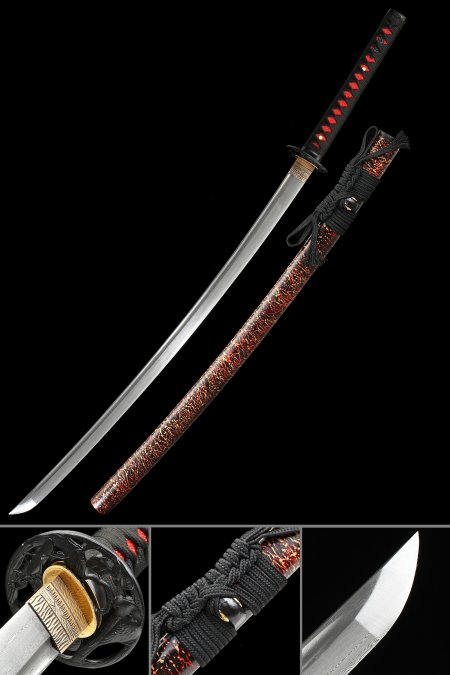
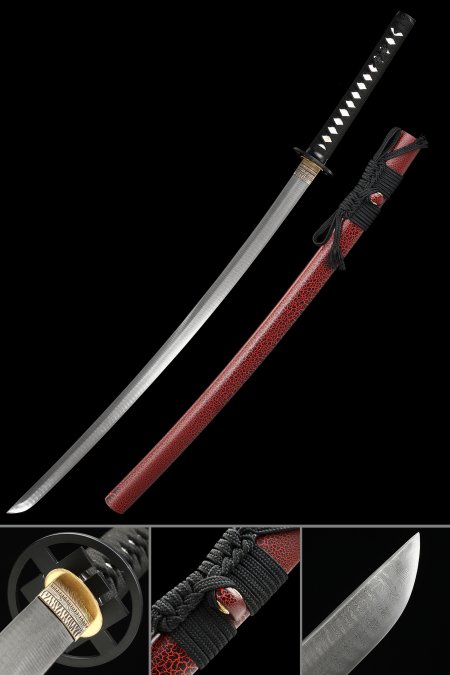
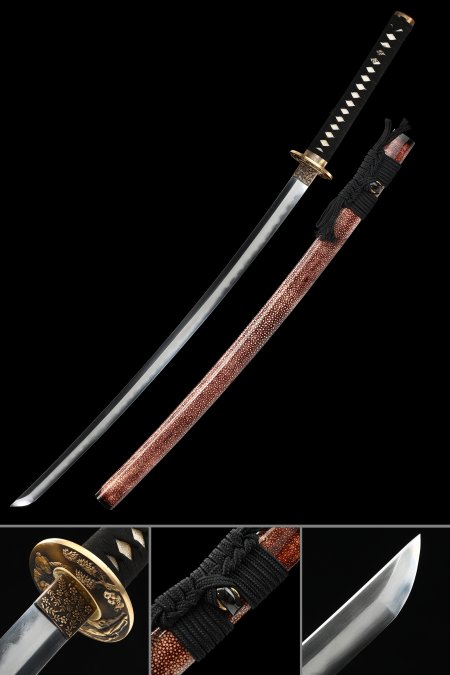
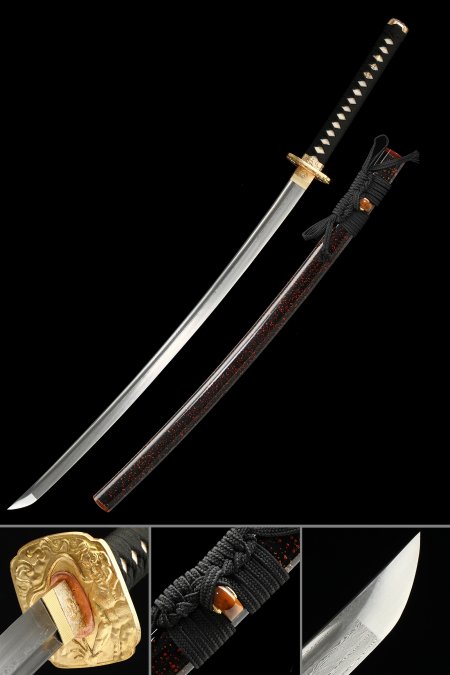
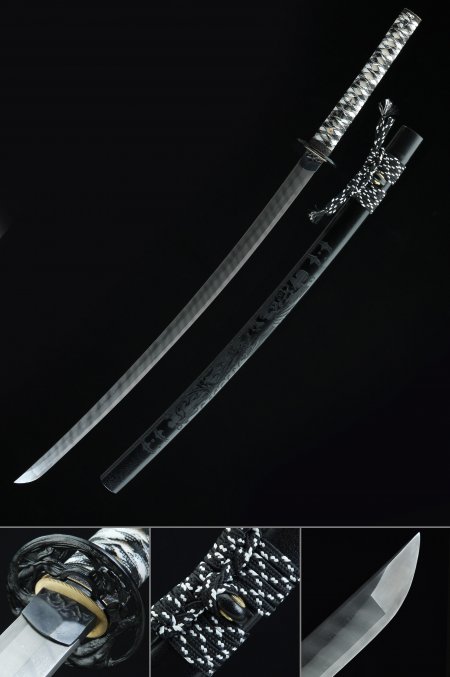
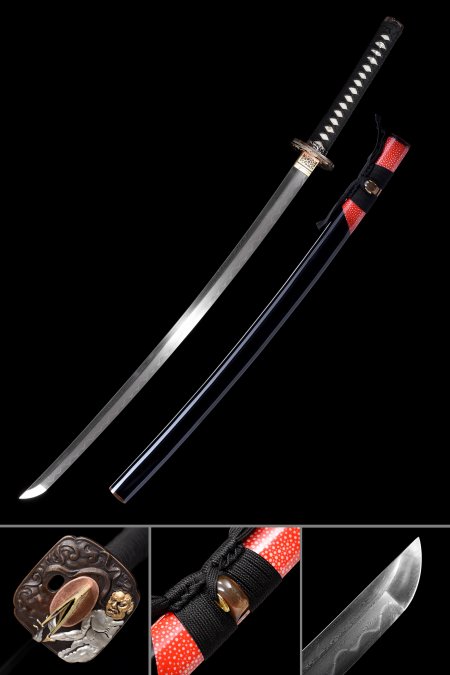
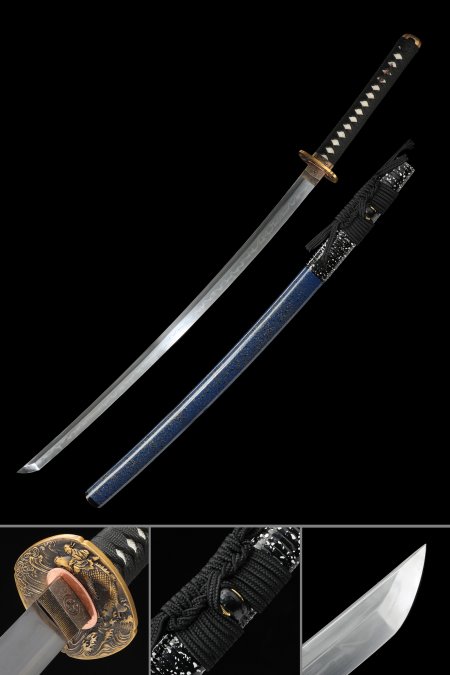
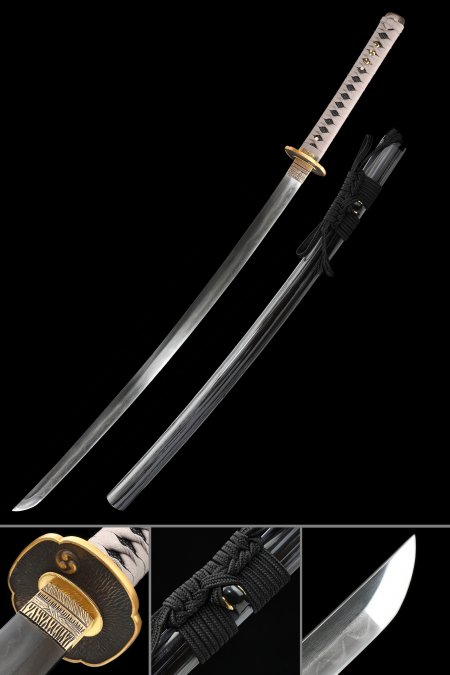
The blade is very beautiful and all of the fittings are tight. My only complaint is the saya, it looks gorgeous but I needed to do some modifications to make it fit tight and it does feel like the saya is a bit under sized for the blade.
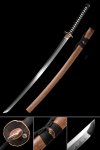 |
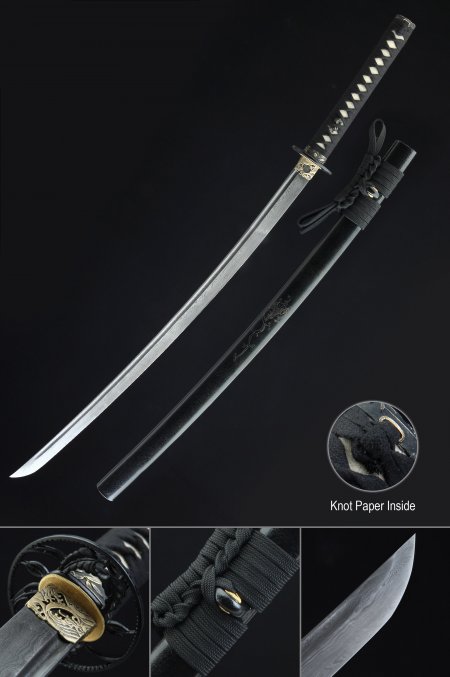
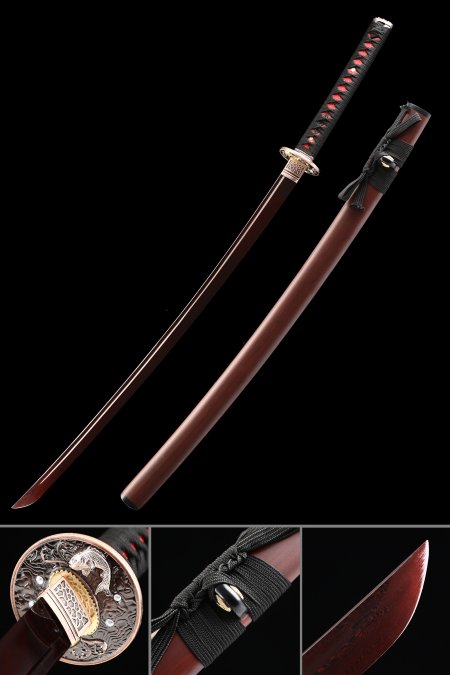
Damascus Steel Katana with Natural Hardwood Saya - Clay Tempered T10 Blade, Real Rayskin, Gold Tsuba |
Love my Cortana play wish they had a smaller one to go with it
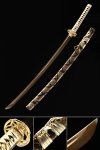 |
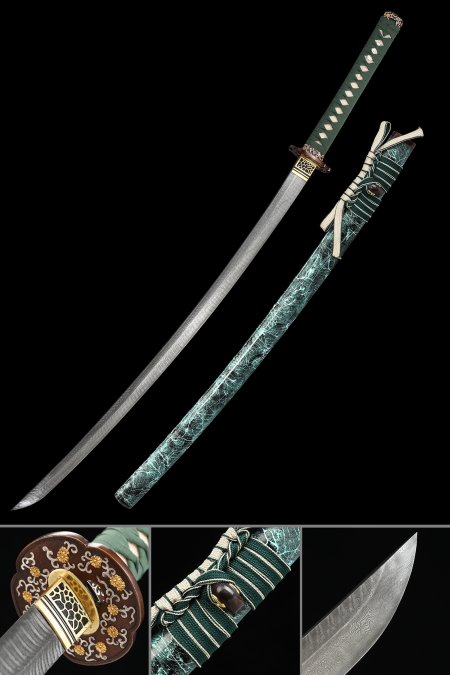
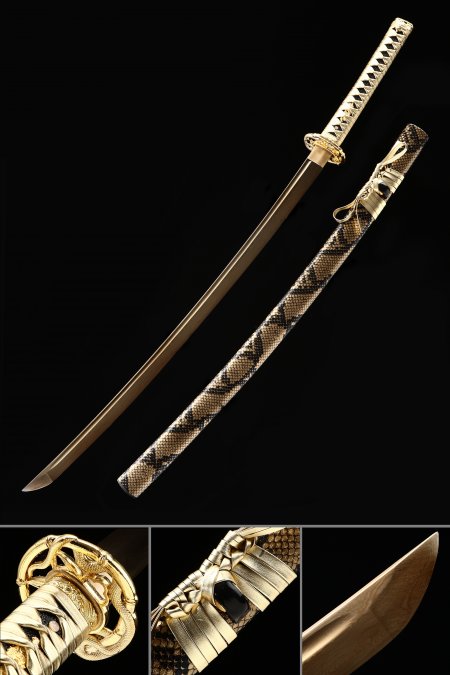
Golden Damascus Steel Katana with Snake Tsuba and Python-Pattern Saya - Full Tang Collectible Sword |
I bought this as a gift for my son and he absolutely loves it! Wonderful attention to detail and expertly crafted.
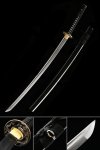 |
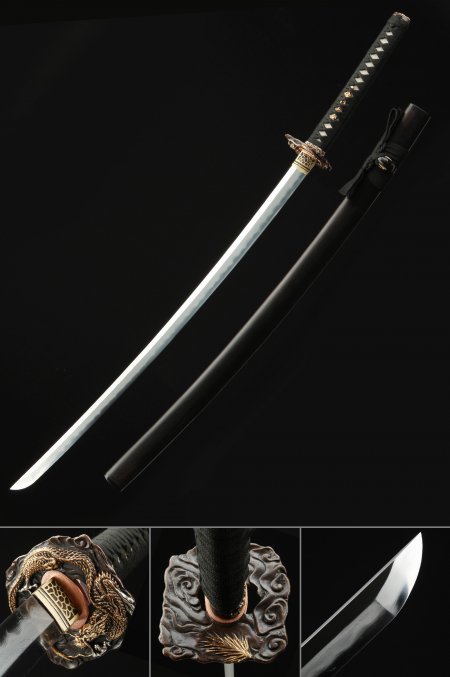
Damascus Steel Katana Sword with Black Piano Lacquer Saya and Dragon Tsuba - Full Tang Collectible |
Thanks! This is awesome! Good quality and quick delivery. Much appreciated!
|
Damascus Steel Katana with Natural Hardwood Saya - Clay Tempered T10 Blade, Real Rayskin, Gold Tsuba |
Overall experience, ok. Shipping box looked like someone took a sword to it (torn, ripped, dented); sturdier material should be used. Ok sword (you get what you pay for) but blade collar (Habaki) and guard (Tsuba) are loose. Wasn't expecting a battle-ready, high end piece, but shouldn't have loose parts.
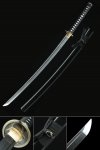 |
Damascus Steel Katana with Black Hardwood Saya and Gold Alloy Round Tsuba - Full Tang Collectible Sword |
I’m really proud to have this in my collection. It’s beautiful work of art. Thanks again.
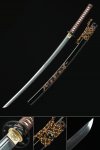 |
Damascus Steel Katana with Black Lacquer Dragon Saya - Brown Tsuka, Skull Tsuba, Full Tang |
Item arrived as described in excellent condition. Very happy with quality and service. Highly recommended. Thank you for such a quality item razor sharp
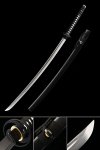 |
Damascus Steel Black Katana with Whirlwind Tsuba in Piano Lacquer Saya - Full Tang Samurai Sword |
I love it... there's no other way to put it. It showed up sooner then I expected, crazy sharp, slices through everything I throw at it, and looks amazing in the process.r
Just buy the sword, your seeing this to tell if you want it, yes, you want it, just buy it already.
|
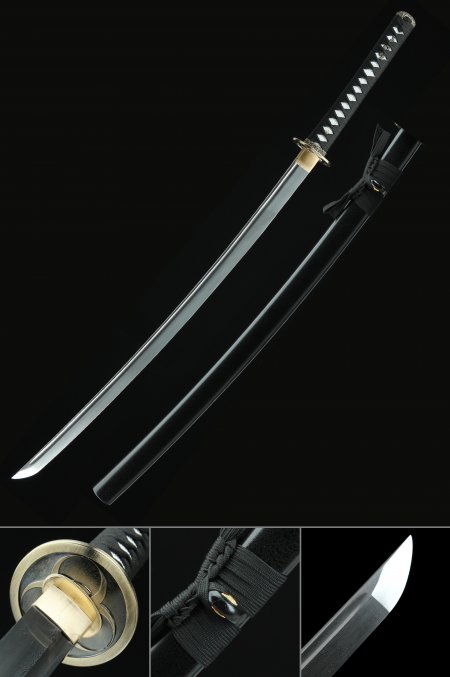
Damascus Steel Katana Sword with Black Piano Lacquer Saya and Dragon Tsuba - Full Tang Collectible |