FAST SHIP
Free Shipping
219.00 USD
ON SALE! 20% OFF
Was: 269.00 USD

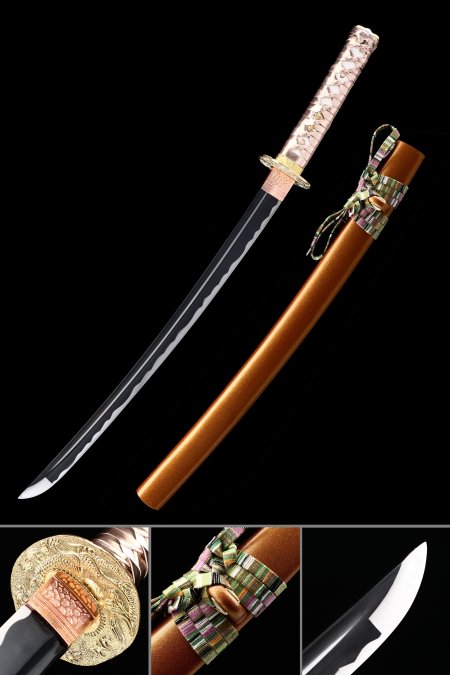
An orange saya wakizashi commands attention in any display case — the vivid lacquer finish transforms a traditional short sword into a genuine statement piece that collectors and enthusiasts immediately recognize as exceptional. Each wakizashi in this collection is hand-forged from quality steel, fitted with a full tang, and dressed in hand-wrapped tsuka-ito, pairing striking aesthetics with honest craftsmanship. Enjoy free standard shipping on your order, and shop with confidence knowing returns are handled with ease.
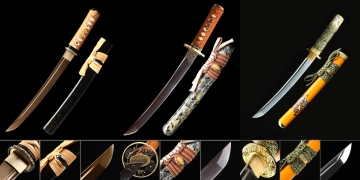
I purchased a full tang battle ready Damascus katana for myself. My selection is a simple design at nearly a thousand US dollars. That level of investment was based one two factors, positive rati gs of prior purchasers and my experience while living in Japan as a child. After several days of running the sword I bought two wazikaski and a tachi for my son and daughter (respectively) as heirloom items for them to pass onto future generations. r
All four are well build instruments. I am very happy to have found True Katana...and will likely buy more because of the craftsmanship (but do not expect to ever need another based of quality and performance of my initial purchase).
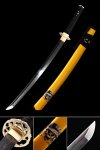 |
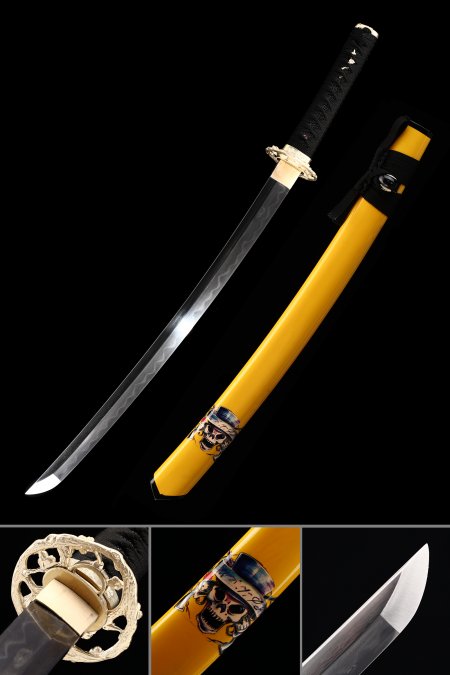
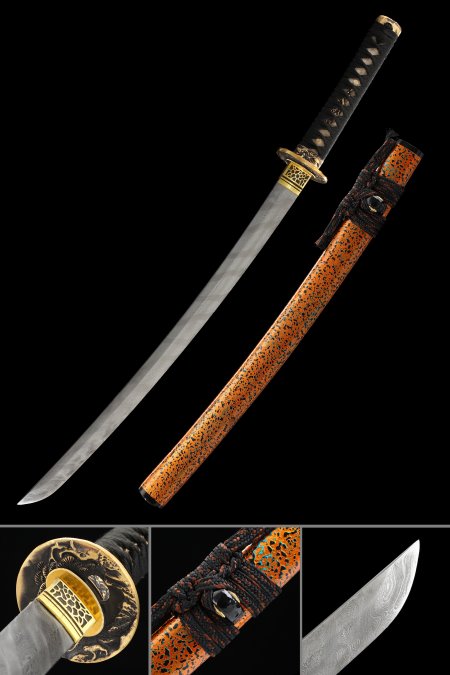
Damascus Steel Wakizashi with Yellow Lacquer Saya - Skull Art, Black Ito, Ornate Copper Tsuba |
This is the second unit I purchased from TK ....the
sword is very hard to remove from the saya. The brass
fitting, once it goes into the saya, it becomes almost
imposible to remove without using a screwdriver and excert some torque to it.
Can you send me a UPS label to return and have it replaced..???
Thanks
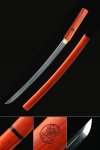 |
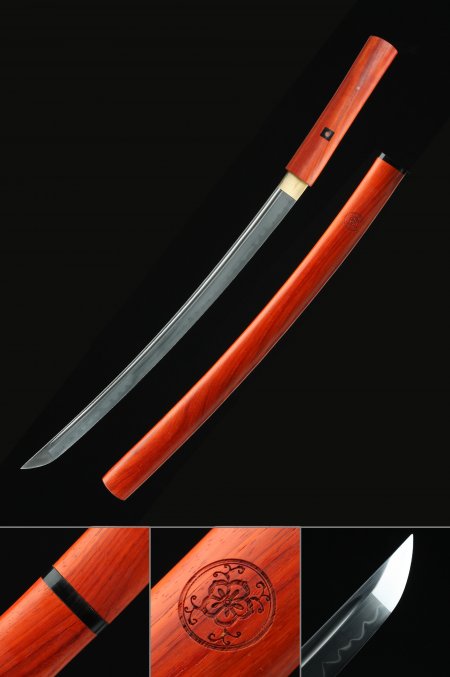
T10 Steel Clay Tempered Shirasaya Wakizashi with Real Hamon in Rosewood Saya - Red Hardwood Handle |
Beautiful red wood finish. Smooth from the handle of the wakizashi through to saya with tight alignment and a nice crisp lock closure. Well designed and looks great.
|
T10 Steel Clay Tempered Shirasaya Wakizashi with Real Hamon in Rosewood Saya - Red Hardwood Handle |
Professional in every way , communication, shipping. Customer service. Products as shown. High quality items .
|
T10 Steel Clay Tempered Shirasaya Wakizashi with Real Hamon in Rosewood Saya - Red Hardwood Handle |
I got it on sale but some issues may indicate why it was on sale.
Cons:
Blade was bent and wavy ( not straight)
the grinds were a little heavy on some places showing little hot spots.
The Hamon was very prominent in photos but very faint in person.
Pros:
Blade is very sharp and although faint, the Hamon looks much better than a fake hamon.
Woodworking (and wood) vas very nice
Fitting was very nice and tight (handle ,and sword to sheath)
Overall it's ok for the "sale" price, but as is I would not pay full price again for the same piece that I recieved.
I am reviewing only 1 piece and this does not reflect True Katana's Overall product .
Thanks
|
T10 Steel Clay Tempered Shirasaya Wakizashi with Real Hamon in Rosewood Saya - Red Hardwood Handle |
Excellent Quality. Well Made and Handles like a Dream. I Love It. Shipping was fast !
|
T10 Steel Clay Tempered Shirasaya Wakizashi with Real Hamon in Rosewood Saya - Red Hardwood Handle |
Great sword. Very sharp. Weight is great. Looks beautiful. I’m very happy with my purchase.
|
T10 Steel Clay Tempered Shirasaya Wakizashi with Real Hamon in Rosewood Saya - Red Hardwood Handle |
Beautiful sword. Purchased as a gift for my daughter and she loves it!
|
T10 Steel Clay Tempered Shirasaya Wakizashi with Real Hamon in Rosewood Saya - Red Hardwood Handle |