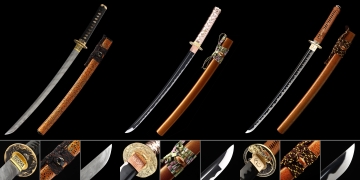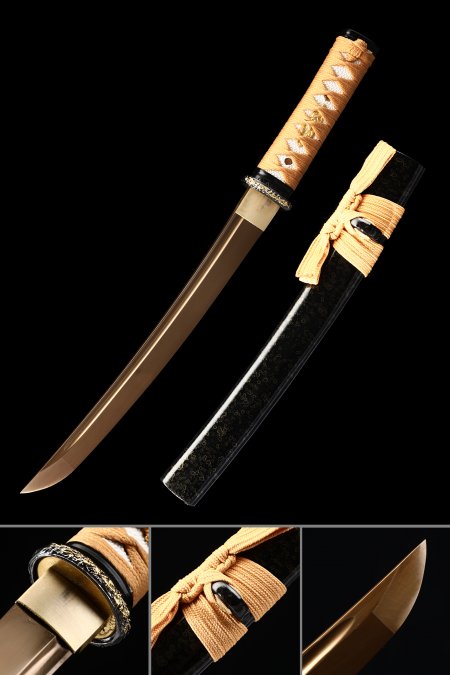
Orange Handle Tanto

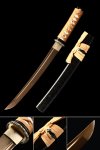
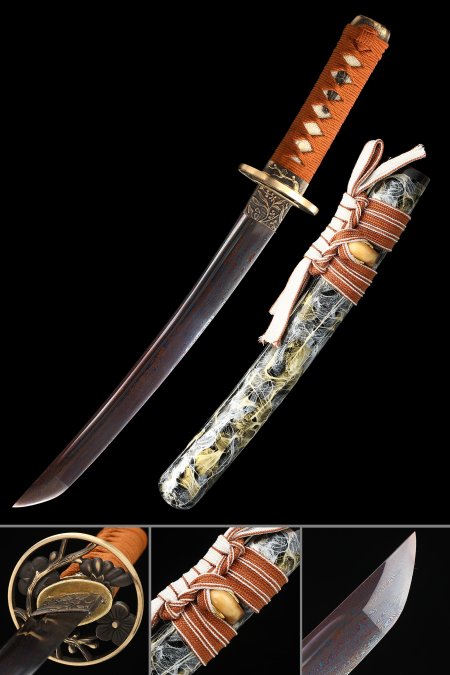
Orange handle tanto swords bring a striking visual warmth to any display collection, pairing the traditional tanto silhouette with bold, sun-toned tsuka wrapping that catches the eye immediately. Each piece in this selection is handcrafted with authentic materials — from high-carbon or Damascus steel blades to hand-lacquered hardwood saya — reflecting the meticulous craft standards of classical Japanese sword making. Every order ships free with easy returns, so building your collection is effortless.
Showing 2 Products

Related Collections

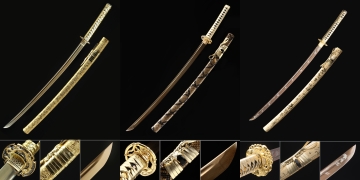
Gold Katana17 items


172 Reviews

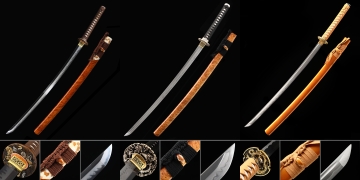
Orange Katana27 items


119 Reviews

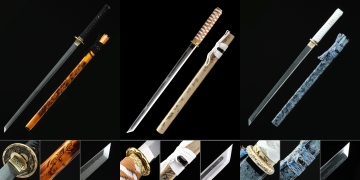
Orange Ninjato1 items


4 Reviews

Orange Wakizashi3 items


2 Reviews

Frequently Asked Questions

What makes orange ito wrapping significant on a tanto?
The tsuka-ito — the cord or fabric wrapped around a tanto's handle — serves both a functional grip role and a powerful aesthetic one. Orange ito is a deliberate design choice that draws on warm earth tones historically associated with autumn motifs and seasonal symbolism in Japanese decorative arts. On a display tanto, the color creates immediate visual contrast against darker blade finishes and lacquered saya, drawing the viewer's eye along the full length of the mountings. The wrapping pattern itself, typically a diamond or hishigami style, adds dimensional texture that plain lacquered handles cannot achieve. For collectors focused on visual impact in a display environment, an orange tsuka is one of the most distinctive handle color choices available.
How does 1045 carbon steel compare to Damascus on a tanto blade?
1045 carbon steel is a medium-high carbon steel known for producing a consistent, clean blade finish with reliable hardness when properly heat-treated. On a tanto, it typically presents as a smooth, uniform surface that can take a bright or golden polish well — making it an excellent canvas for display pieces where visual clarity is prioritized. Damascus steel, by contrast, is created by folding and forge-welding two or more steel types together, producing the layered grain patterns visible on the blade's surface. Each Damascus blade is genuinely unique in its patterning. From a collector's standpoint, Damascus tanto offer greater visual complexity and individuality, while 1045 tanto offer a cleaner, more classical aesthetic. Neither is superior — the choice depends on whether you prefer understated refinement or expressive surface character.
What is the best way to store a tanto for long-term display?
Proper storage protects both the blade finish and the wooden saya from deterioration over time. Keep the tanto in its saya when not being actively examined — the saya shields the blade from dust, humidity fluctuations, and accidental contact. Apply a thin coat of choji oil or mineral oil to the blade surface every few months, especially in drier climates, to prevent surface oxidation. Store horizontally on a display stand or in a padded case, avoiding direct sunlight which can fade ito wrapping and dry out lacquered wood over time. Never store in an airtight plastic bag, as trapped moisture accelerates corrosion. For display environments, a glass-front case at stable indoor humidity is ideal.
Is a chrysanthemum tsuba historically accurate on a tanto?
The chrysanthemum — known as kiku in Japanese — carries deep cultural significance in Japan, associated with longevity, the imperial household, and refined aesthetic sensibility. Chrysanthemum motifs appeared frequently in Japanese metalwork, lacquerware, and textile design throughout the Edo period and beyond. Tsuba with kiku patterns were produced by skilled metal artisans called tsubako and were prized for their decorative quality. On a display tanto, a chrysanthemum tsuba is an historically grounded choice that reflects genuine period aesthetics rather than a purely modern invention. It also pairs exceptionally well with warm-toned handle wrappings, as the floral detail and the color contrast create a cohesive, visually rich mounting.
Can a tanto make a good gift for a Japanese culture enthusiast?
A tanto is one of the most gift-appropriate pieces in the Japanese collectibles category, largely because of its compact size and self-contained visual completeness. Unlike longer swords that require substantial wall space or specialized stands, a tanto displays elegantly on a small desktop stand, a bookshelf, or inside a display case — making it practical for most living spaces. For someone interested in Japanese history, martial arts tradition, or East Asian decorative arts, a tanto with distinctive mountings — such as an orange tsuka paired with a Damascus blade and chrysanthemum tsuba — communicates thoughtfulness and specific aesthetic knowledge. It reads as a curated gift rather than a generic one, which matters to serious enthusiasts.

Customer Reviews

Jullian Landreth Texas, United States

Absolutely love it so much looks exactly how it looked in picture, I feel proud having it and will take good care of it especially for practicing martial arts with this tanto
I was going to make one custom made but then I saw it and it's always been advertised to me so I finally checked it out UwU I love it
These swords are such an artistic beauty, me finally researching about samurai swords, I've learned to take care of these weapons UwU

1045 Carbon Steel Tanto Sword with Golden Blade in Black Piano Lacquer Saya - Burlywood Ito Wrap 1045 Carbon Steel Tanto Sword with Golden Blade in Black Piano Lacquer Saya - Burlywood Ito Wrap
Cart 0 Items

Your cart is empty