Maroon Handle Katana

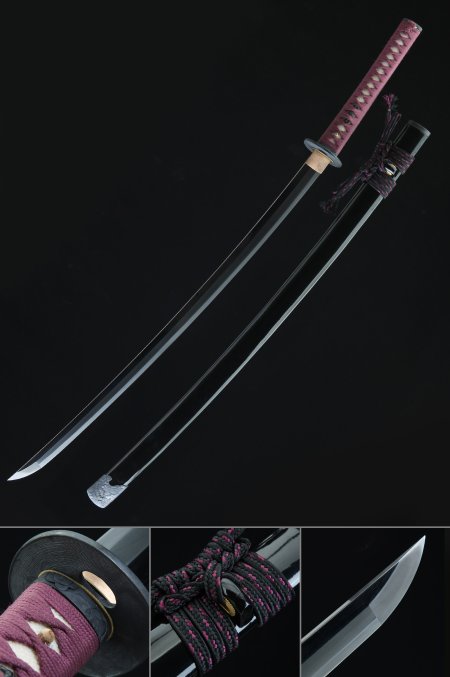
Maroon handle katana bring a rich, distinctive presence to any serious collection - pairing deep crimson-wrapped ito with the refined aesthetics of traditional Japanese sword mountings. Each piece in this collection features hand-fitted components, carefully selected tsuka materials, and authentic construction details that reward close inspection. Enjoy free standard shipping on your order, with hassle-free returns to make every collecting decision a confident one.
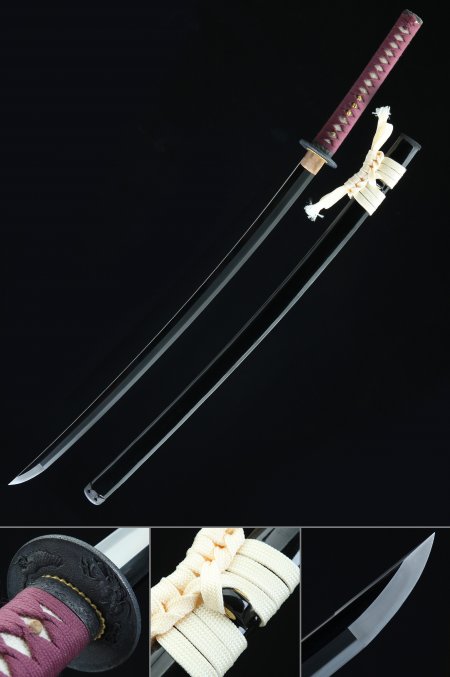
Showing 2 Products

Related Collections

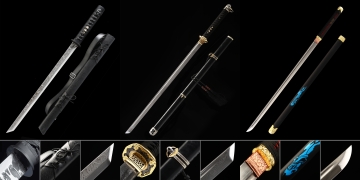
Dragon Tsuba Ninjato18 items


48 Reviews

Dragon Blade Ninjato15 items


25 Reviews

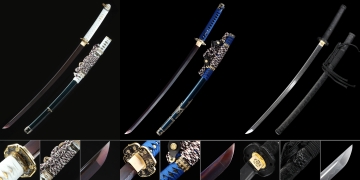
Chrysanthemum Tsuba Tachi15 items


30 Reviews

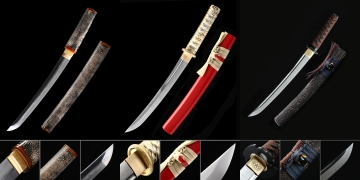
Plain Tsuba Tanto16 items


45 Reviews

Frequently Asked Questions

What makes tamahagane steel significant in katana collecting?
Tamahagane is the traditional steel at the heart of authentic Japanese sword craft, produced by smelting iron sand (satetsu) in a clay furnace called a tatara over several days. The resulting material contains varying carbon layers that, when folded and worked by a skilled smith, create the grain patterns visible on a finished blade. For collectors, tamahagane or tamahagane-inspired construction signals a connection to classical techniques rather than mass-produced stock steel. The visible hamon - the wavy temper line along the blade edge - is a direct product of the differential hardening process, and its character varies with each individual piece, making no two blades truly identical. This inherent individuality is one of the primary reasons collectors seek out tamahagane-steel katana for display.
How does maroon ito differ from other handle wrap colors?
Beyond aesthetics, the choice of ito color in Japanese sword mounting carries historical and symbolic associations. Maroon and deep red tones were historically linked to rank, ceremony, and high-status presentation in Japanese culture, making them a natural choice for formal display mountings. In practical terms, the color of ito does not affect the structural integrity of the wrap - the quality of the braid, the tightness of the hishigami folds, and the condition of the underlying samegawa matter far more. However, maroon ito does create a specific visual effect: it warms the overall tone of a mounting, softening the contrast with dark lacquered saya while remaining bold enough to stand out on a display stand. Collectors who prefer a more subdued palette often gravitate toward black handle katana, while those seeking maximum visual drama may explore red or two-tone combinations.
What should I look for in the saya when evaluating a display katana?
The saya - the scabbard - is often underappreciated in display katana evaluation, but its quality directly affects both longevity and presentation. For display-focused collectors, a black lacquered hardwood saya is the traditional benchmark: the lacquer should be even and deep with no visible brush marks or bubbling, and the wood beneath should fit the blade snugly without excessive play. A proper koiguchi (mouth of the saya) holds the blade securely through friction alone, which matters even on a display piece because a loose-fitting saya can allow moisture contact with the blade over time. The sageo cord - in this collection often finished in white - should be tied neatly and be long enough for traditional presentation wrapping if desired. These details collectively determine whether a saya reads as a thoughtfully crafted mounting component or simply a storage sleeve.
Is a dragon tsuba a good choice for a collector's first katana?
A dragon tsuba is an excellent entry point for collectors who want their first katana to carry symbolic and visual depth beyond the blade itself. In Japanese iconography, the dragon (ryu) represents wisdom, elemental force, and a guardian quality - themes that have appeared in Japanese sword fittings for centuries. A well-cast dragon tsuba adds a narrative element to the mounting that flat geometric designs do not, making the piece more engaging to display and explain to others. For a first katana, the practical consideration is fit: the tsuba should seat firmly between the blade and the habaki without wobbling, and the seppa (washers on either side) should prevent any metallic rattle. A dragon motif tsuba paired with maroon ito and white sageo creates a three-element color story - dark metal, deep red, and white - that is visually cohesive and photographs exceptionally well for a display collection.
How do I maintain a katana's hamon for long-term display?
The hamon is arguably the most visually distinctive feature on a differentially hardened blade, and preserving its visibility on a display piece requires only a few consistent habits. The primary threat is oxidation: even fingerprint oils left on the blade surface can accelerate surface discoloration that obscures the hamon's fine details. After any handling, wipe the blade with a soft, lint-free cloth using smooth strokes from the spine toward the edge - never across it. A light application of choji oil (a traditional clove-based mineral oil blend) applied with a nuguigami cloth and buffed to a thin, even film provides an effective protective barrier. For long-term display, keep the blade out of direct sunlight, which can fade surface finishes over time, and maintain ambient humidity between 40-60% to prevent both rust and lacquer stress on the saya. A properly maintained hamon remains crisp and clearly visible for decades.
Cart 0 Items

Your cart is empty