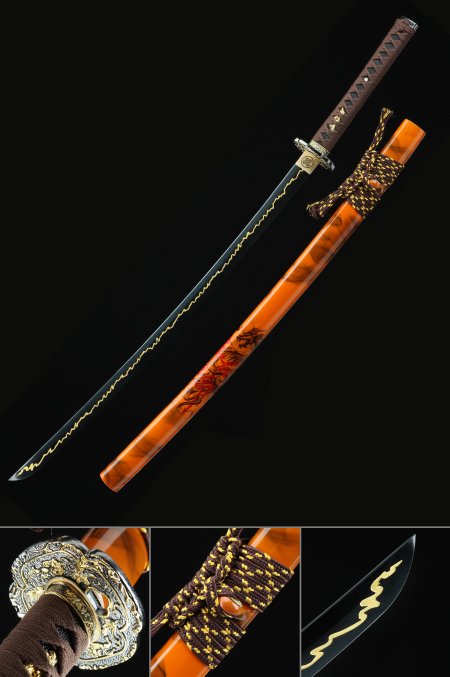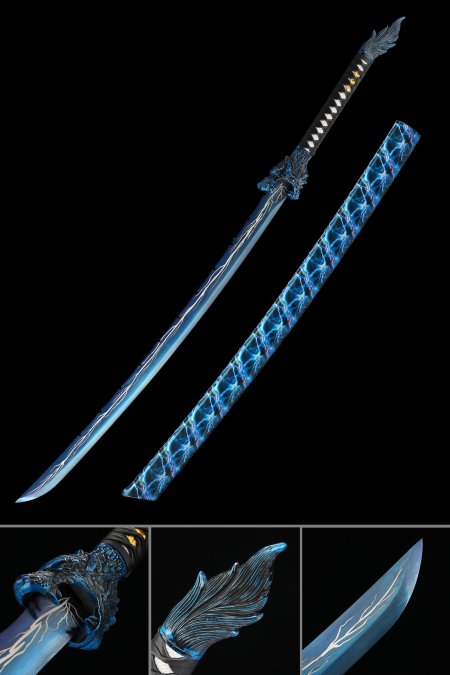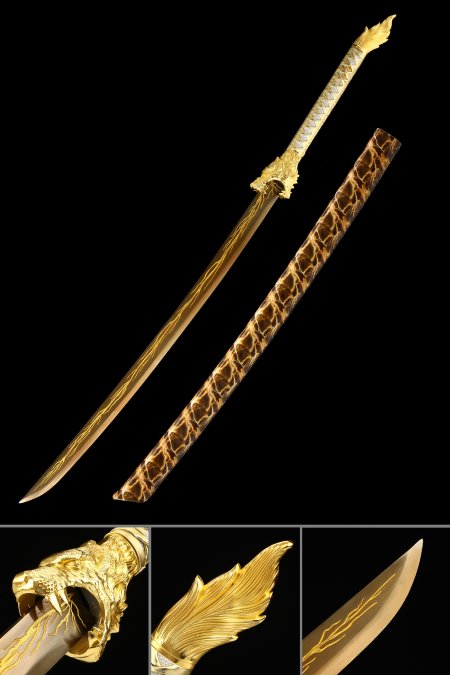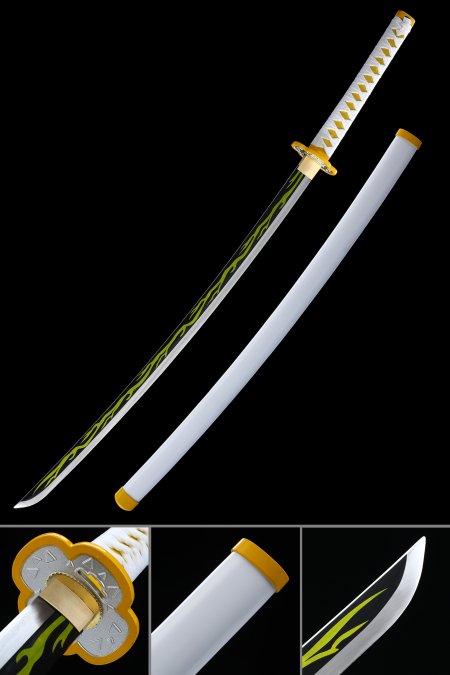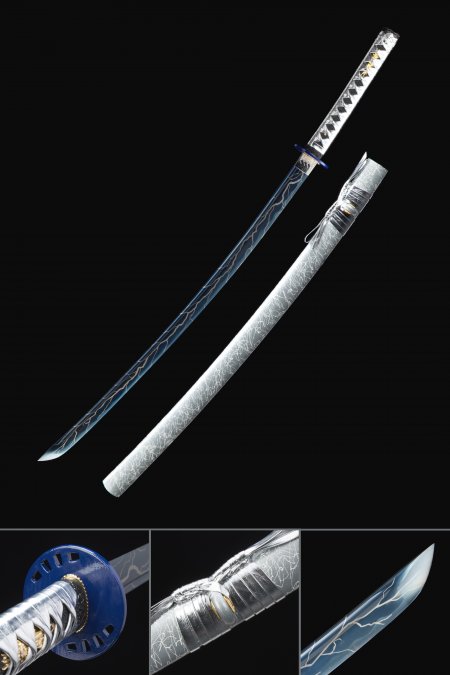
Lightning Blade Katana

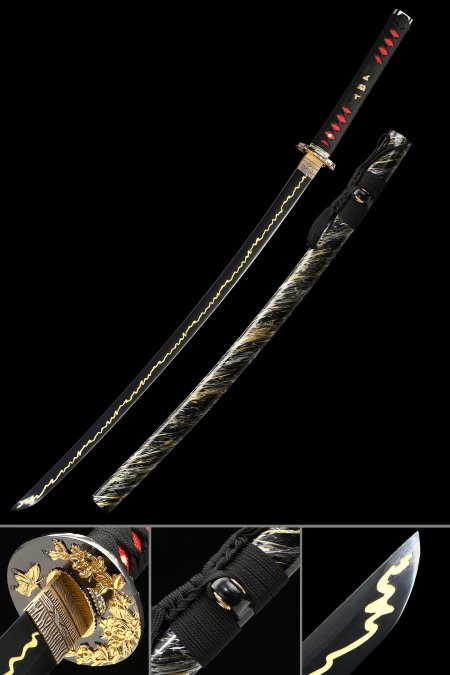
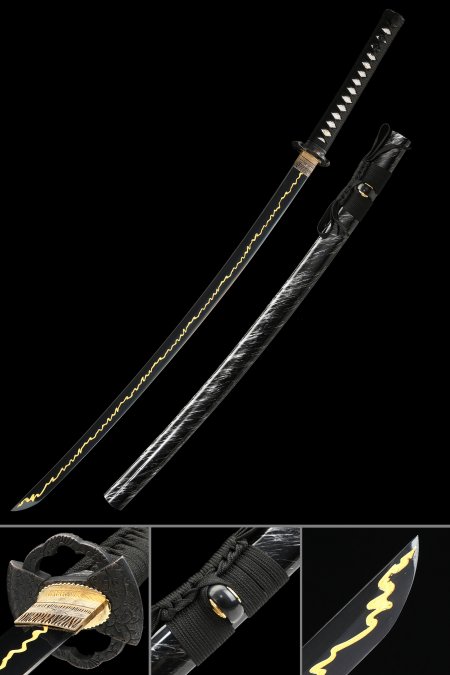
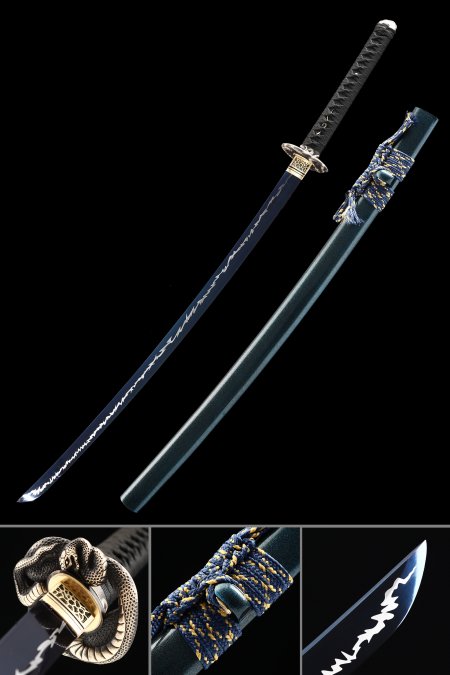
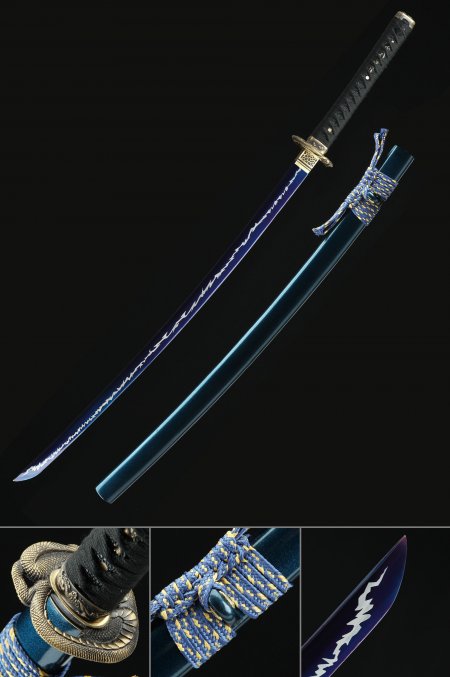
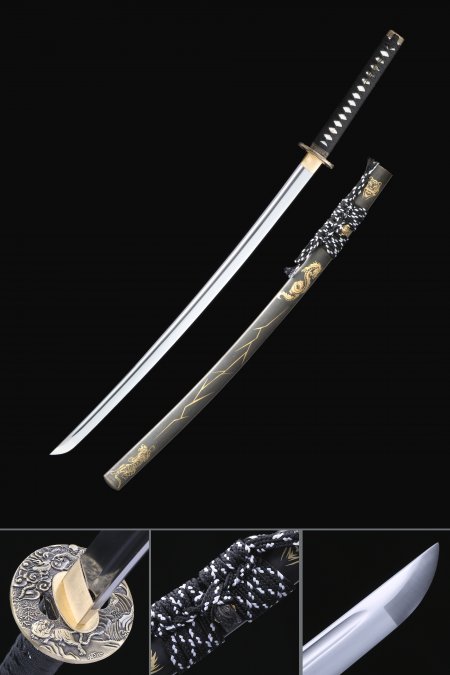
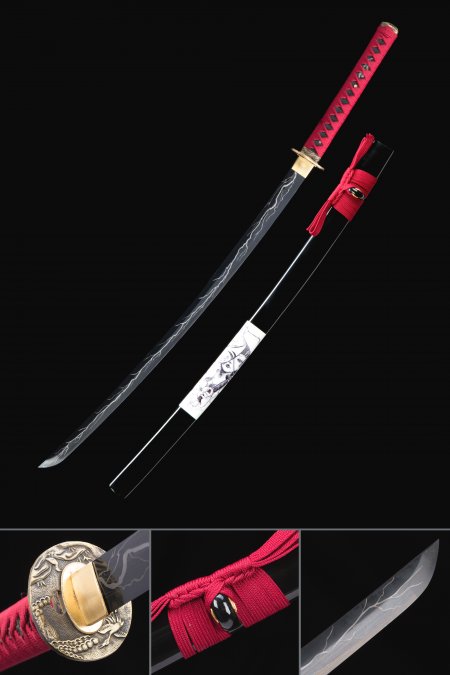
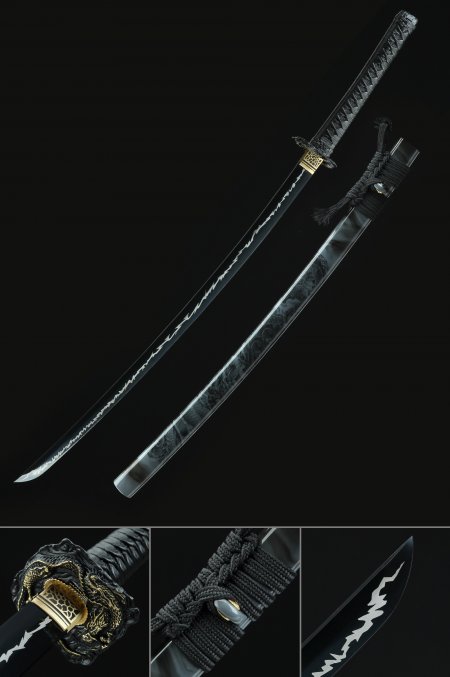
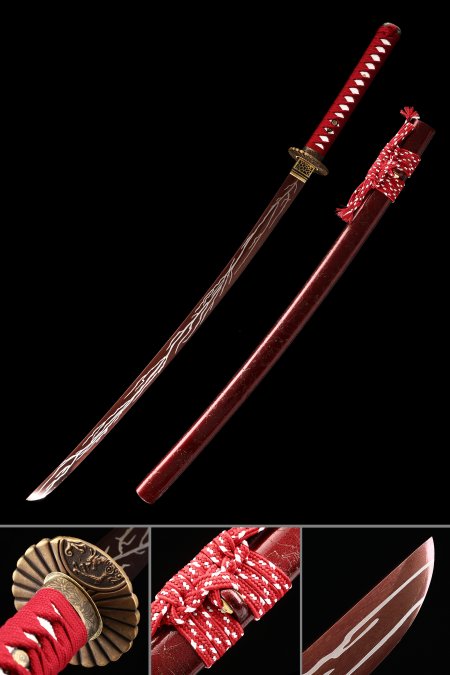
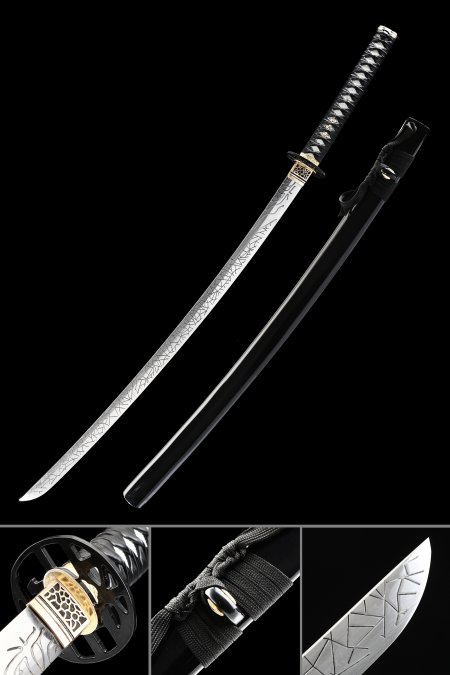
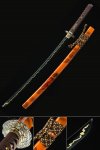
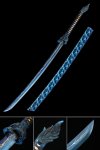
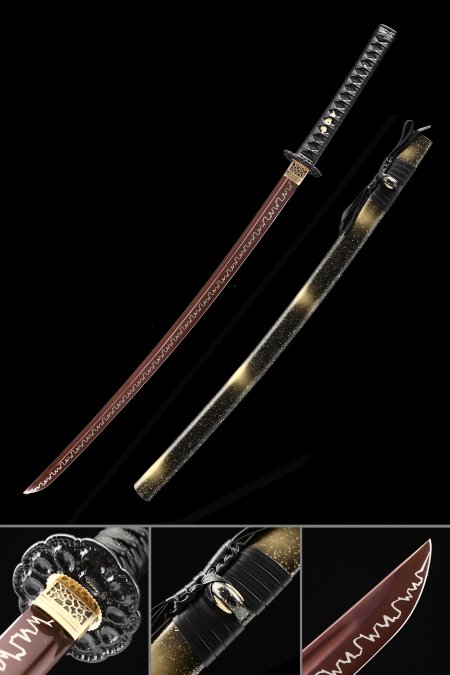
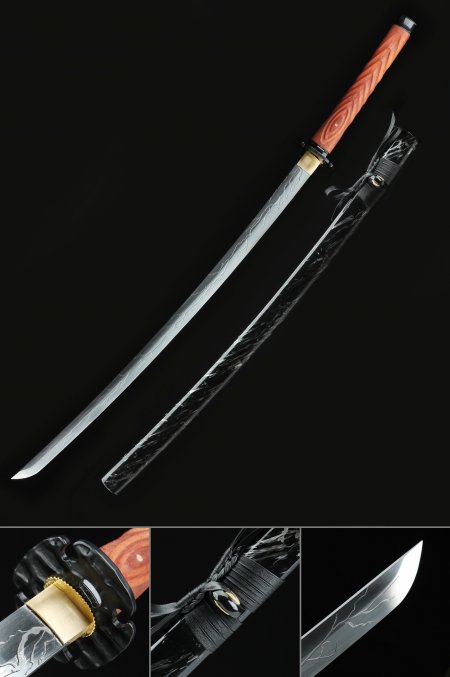
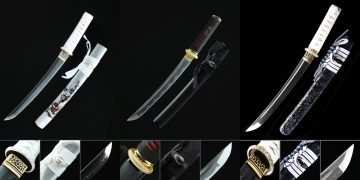
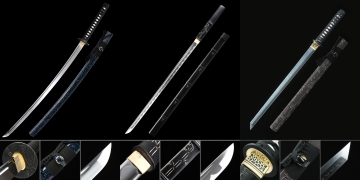
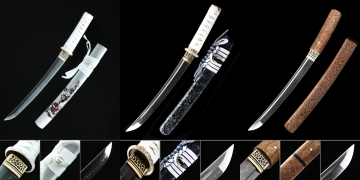
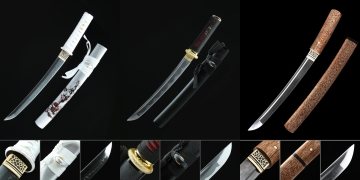
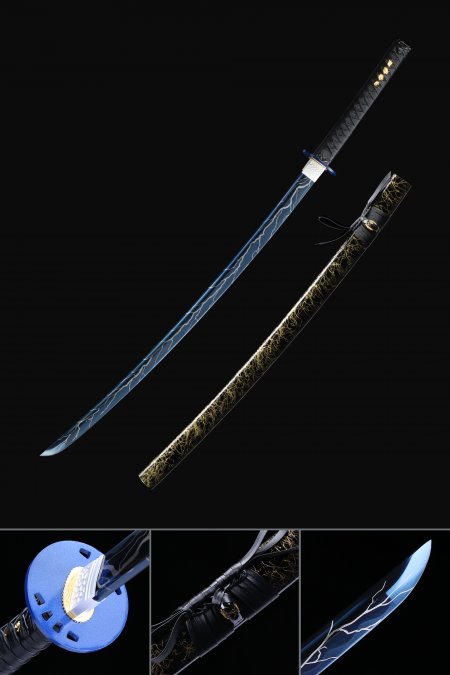
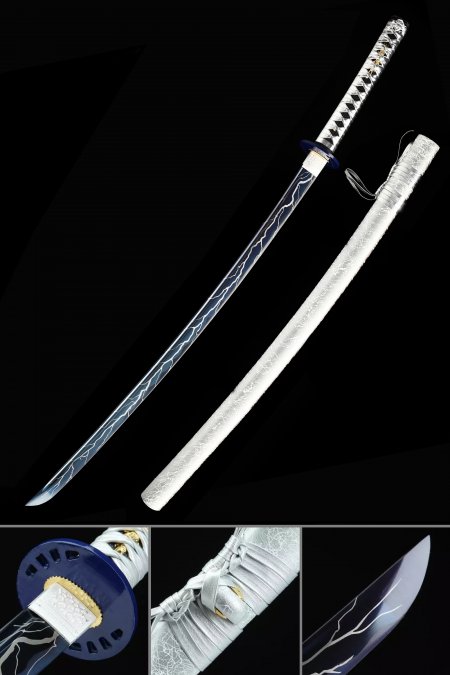
Lightning Blade Katana brings together dramatic blade aesthetics and traditional Japanese sword-making craft. Each piece in this collection features distinctive lightning-pattern hamon, etched engravings, or vivid colored blades paired with ornate fittings - from copper tiger tsuba to dragon-motif guards and lacquered saya in bold, collector-worthy finishes. Materials span spring steel, manganese steel, 1045 carbon steel, T10 clay-tempered carbon steel, and 1095 high-carbon steel, ensuring a range of options for every display case. Enjoy free shipping on your order and hassle-free returns.
Showing 18 Products

Related Collections

Short Tanto98 items


339 Reviews

Japanese Sword124 items


895 Reviews

Real Tanto46 items


215 Reviews

Fixed Tanto109 items


477 Reviews

Frequently Asked Questions

What makes a lightning hamon different from a regular hamon?
A traditional hamon is the temper line that forms when a blade is differentially hardened - clay is applied to the spine before quenching, causing the edge to cool faster and develop a harder martensitic structure. A lightning hamon specifically refers to a hamon with a jagged, zigzag profile that visually mimics a lightning bolt. On clay-tempered blades like the T10 carbon steel variant in this collection, this pattern occurs organically based on how the clay is applied before the quench. On other pieces, the lightning aesthetic is achieved through surface engraving or etching rather than the hardening process itself. The distinction matters to collectors: a genuine clay-tempered lightning hamon is a functional metallurgical feature, while an engraved lightning pattern is a decorative treatment applied after forging. Both are valued for display purposes, but they represent different craftsmanship traditions.
How does manganese steel compare to carbon steel in a display katana?
Manganese steel and carbon steel serve different aesthetic and structural roles in ornamental katana. Carbon steel grades like 1045, 1095, and T10 follow classical Japanese and Chinese sword-making traditions - they respond well to heat treatment, can develop genuine hamon, and age with a character that collectors find appealing. Manganese steel, sometimes called Mn steel, is an alloy with higher manganese content that improves surface hardness and resistance to abrasion. For display-focused pieces, manganese steel is often chosen when a vivid colored blade finish - deep blue or red - is the primary goal, as its alloy composition and surface treatment processes produce more stable, saturated coloration. Carbon steel blades in this collection, by contrast, tend toward traditional silver-grey or polished finishes with visible temper lines. Neither is inherently superior for display; the choice depends on whether a collector prioritizes classic metallurgical aesthetics or bold contemporary visual impact.
What is the best way to store a colored blade katana at home?
Colored blade katana - including blue and red manganese steel pieces - require slightly more attentive care than standard polished carbon steel blades. The surface color is produced through controlled oxidation or chemical treatment, meaning it can be affected by moisture, acidic contact from bare hands, and abrasive cleaning materials. For storage, keep the blade in its saya at all times when not on display, and ensure the saya interior is dry and free of debris that could scratch the treated surface. If displaying the blade outside the saya on a wall mount or stand, apply a very light coat of mineral oil or Renaissance Wax to the blade surface every few months to act as a moisture barrier. Avoid standard camellia oil on colored blades, as its acidity over time may interact with certain surface treatments. Store in a low-humidity environment - ideally below 50% relative humidity - and away from direct sunlight, which can fade heat-treated colorations over extended periods.
Are lightning katana in this collection full-tang construction?
Several pieces in the Lightning Blade Katana collection are explicitly built with full-tang construction, meaning the steel of the blade extends continuously through the entire length of the handle rather than terminating partway through. Full-tang assembly is a hallmark of quality in traditionally constructed Japanese swords and ensures that the handle fittings - the tsuba, habaki, and ito wrap - are mounted on a structurally coherent core. For display and collectible purposes, full-tang construction also adds visual and material authenticity that experienced collectors can verify by examining the end of the handle pommel. When reviewing individual product listings, the construction type is specified in the product details. If a specific piece is important for your collection and construction type is a priority, checking the product description for 'full tang' notation is recommended before purchase.
What display setup complements a lightning-theme katana collection?
A lightning-theme katana collection benefits from a display environment that balances contrast and consistency. Dark wood or matte black wall mounts draw attention to the dramatic blade coloration and lacquered saya without competing visually. Pairing a blue blade piece with a red or orange saya variant on the same display panel creates a complementary color tension that highlights the lightning motif across both. Lighting is particularly important for pieces with genuine clay-tempered hamon - low-angle spotlighting or warm LED strip lighting reveals the hamon's three-dimensional topography far more effectively than overhead ambient light. For shelf displays, alternating pieces with contrasting saya finishes (such as white crackle next to gold-veined black) prevents visual monotony. Collectors who want to extend the thematic range can add complementary pieces from the Dragon Katana collection, whose tsuba and saya motifs share the mythological energy present throughout the lightning series.

Customer Reviews

Cart 0 Items

Your cart is empty