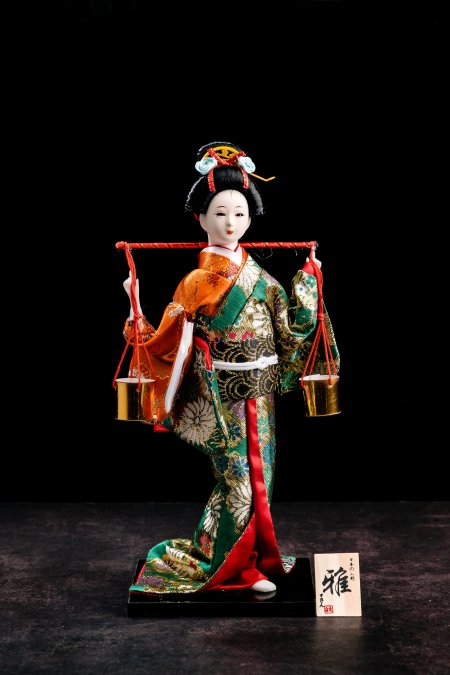
Green Japanese Geisha Dolls
Green Japanese Geisha Dolls blend centuries of artistic tradition with the quiet elegance of hand-crafted detail — from layered silk-style kimono fabric to hand-painted porcelain faces that capture the refinement of Edo-period aesthetics. Each piece is designed as a collectible display item, making it a thoughtful addition to any home décor collection or cultural art display. Whether you're curating a Japanese art collection or searching for a meaningful gift, these dolls offer enduring beauty. Enjoy free shipping and hassle-free returns on every order.
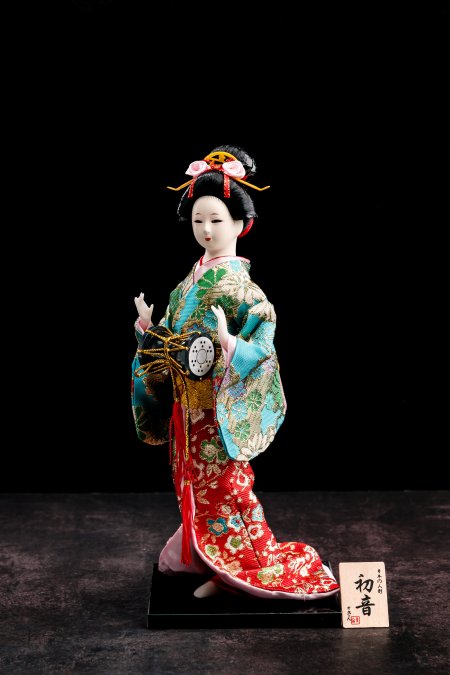
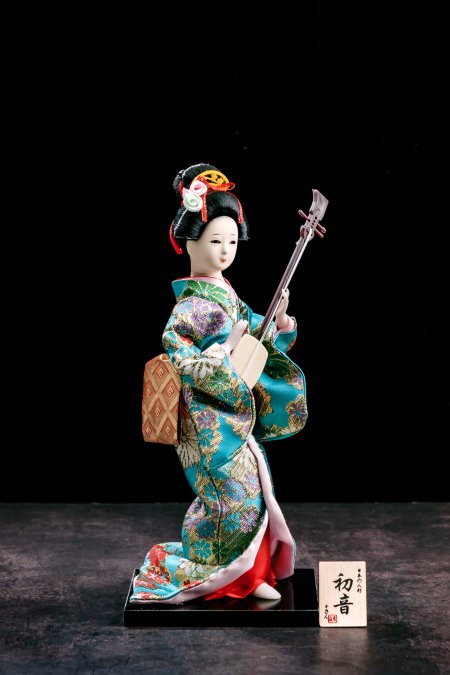
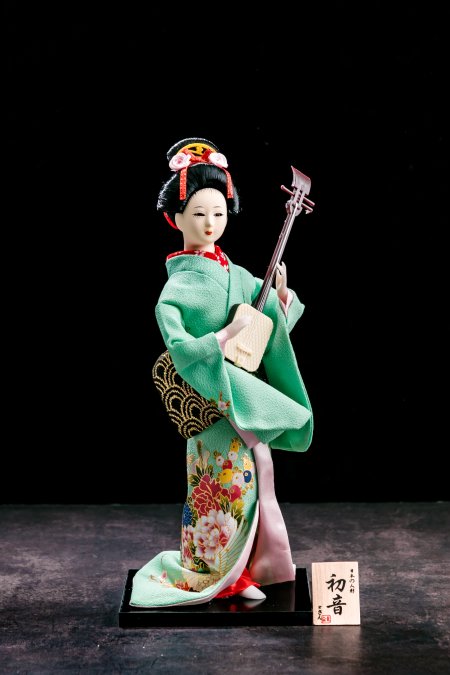
Related Collections
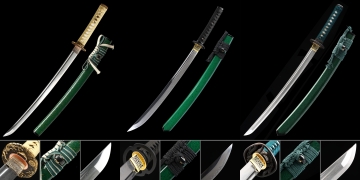
Green Wakizashi Sword5 items
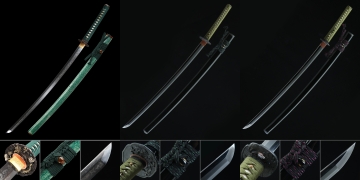
Green Dragon Katana2 items
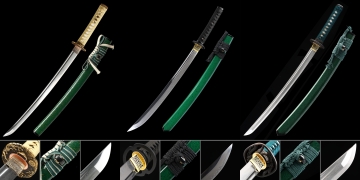
Green Scabbard Wakizashi7 items
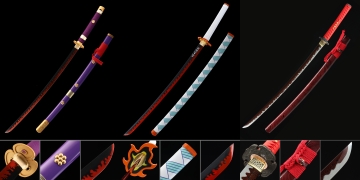
Green Flame Theme Blade Katana31 items
Frequently Asked Questions
What materials are used in Japanese geisha porcelain dolls?
High-quality Japanese geisha porcelain dolls are constructed from bisque or glazed porcelain for the head, hands, and sometimes feet, while the body is typically formed from a cloth or composite armature that allows the kimono to drape naturally. The face is hand-painted using fine-tipped brushes, with multiple layers applied to achieve the smooth, ivory-white complexion, subtle rouge at the lips and eye corners, and precisely arched brows that define the geisha aesthetic. Fabric used for the kimono is often polyester brocade or silk-style material printed with traditional Japanese patterns — cranes, chrysanthemums, or wave motifs. Hair is styled using synthetic or natural fiber and secured with miniature kanzashi hair ornaments. This combination of materials reflects the same categories of craftsmanship seen in full-scale Japanese costuming, making each doll a condensed study in traditional aesthetics.
How does a geisha doll differ from a Hina doll?
Geisha dolls and Hina dolls are both rooted in Japanese doll-making tradition, but they serve different cultural functions and carry distinct aesthetic identities. Hina dolls — displayed during the Hinamatsuri festival in early March — represent the imperial court and follow a rigid hierarchical arrangement of figures, with highly formalized costuming based on Heian-period court dress. Geisha dolls, by contrast, depict the figure of a geisha or maiko (apprentice geisha) and focus on the elaborate, artistic styling associated with the entertainment districts of Kyoto and Tokyo. The costuming of geisha dolls tends to be more varied and visually expressive, with wide obis, layered kimono collars, and striking hair adornments. Green geisha dolls in particular showcase a color choice that would rarely appear in the prescribed palette of Hina doll sets, making them a more individualized and decorative collectible.
How should I care for and store a collectible geisha doll?
Caring for a collectible geisha doll primarily means protecting it from the two main sources of degradation: light and dust. Prolonged exposure to direct sunlight will fade hand-painted facial features and cause textile dyes — especially the greens and golds common in traditional kimono fabric — to shift in tone over time. Ideally, display your doll inside a glass case or acrylic dome, which blocks dust from settling into fabric folds and hair ornamentation while also providing UV filtering if the case is properly treated. Avoid placing dolls near heating vents or in rooms with high humidity fluctuations, as these conditions can affect porcelain integrity and cause fabric to degrade. If you need to handle the doll for cleaning or repositioning, use clean cotton gloves to prevent skin oils from transferring to the painted surface. Gentle dusting with a soft brush — not cloth — is recommended for exposed surfaces.
Are green geisha dolls a good gift for someone new to Japanese art?
Green geisha dolls make an excellent entry point into Japanese decorative arts precisely because they are visually immediate — even a viewer with no prior knowledge of Japanese culture responds to the craftsmanship and color. The green kimono in particular is eye-catching without being overwhelming, and the geisha figure carries enough cultural recognition globally to feel meaningful rather than obscure. For someone beginning to explore Japanese aesthetics, a green geisha doll also opens natural avenues of further interest: the history of the kimono as a garment, the role of geisha in Kyoto's cultural districts, the tradition of Japanese doll-making as a craft form. As a gift, it communicates thoughtfulness and an appreciation for artisanal detail, which makes it appropriate for housewarmings, milestone birthdays, or occasions where a lasting, display-worthy piece is more meaningful than something consumable.
Can geisha dolls be displayed alongside Japanese sword collections?
Geisha dolls and Japanese decorative swords pair naturally as a curated display concept, particularly when the color palette is coordinated. A green kimono geisha figure arranged alongside a black and green katana or a green saya wakizashi creates a visually unified tableau that references the aesthetic range of Edo-period Japanese material culture. Both categories of collectible draw from the same historical period and the same design sensibility — lacquer, fabric, refined metalwork, and symbolic color. From a display standpoint, the vertical lines of a mounted katana stand complement the rounder, more figure-centered form of a geisha doll, providing visual contrast within a cohesive theme. Many collectors who focus on Japanese decorative arts find that mixing categories — textiles, ceramics, and bladed collectibles — produces more compelling displays than grouping by type alone.