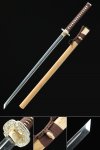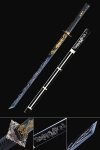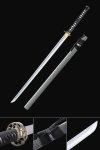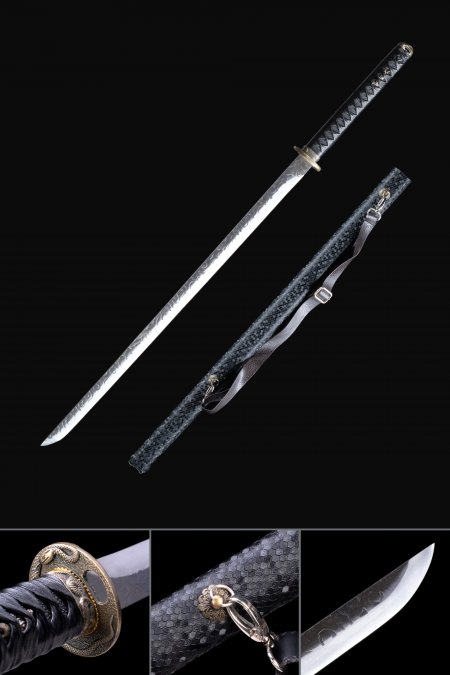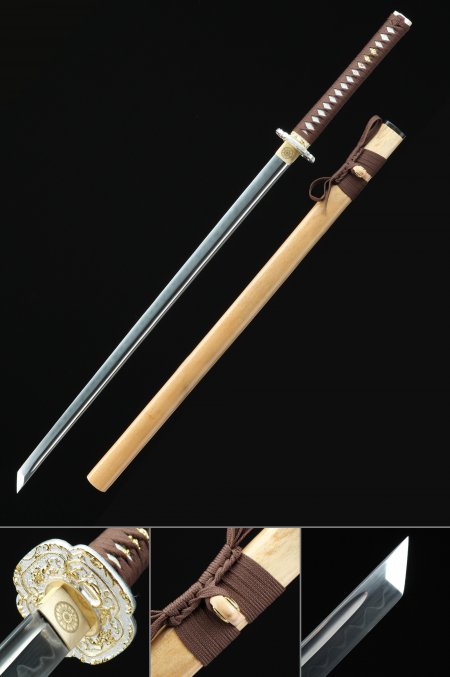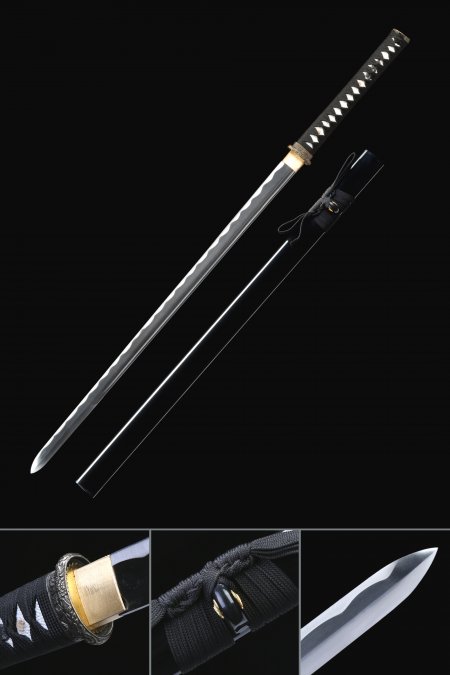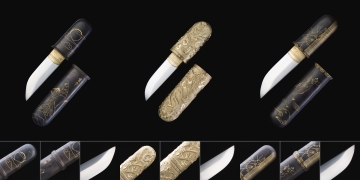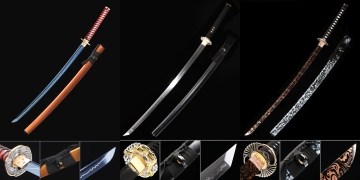
Gold Silver Tsuba Ninjato

Each ninjato in this collection is finished with a hand-fitted gold and silver tsuba, where contrasting metals and intricate relief work elevate the guard from functional component to sculptural centerpiece. Blades are crafted from high-carbon or manganese steel and paired with lacquered hardwood saya and wrapped handles for a cohesive, museum-worthy presentation. Every piece ships free with hassle-free returns, so adding to your collection is always risk-free.
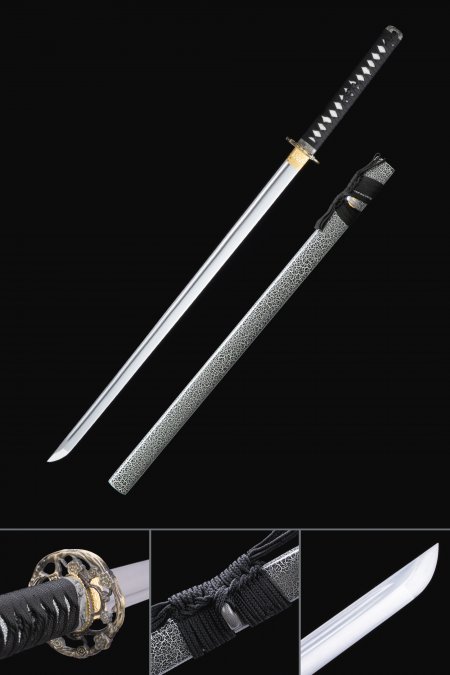
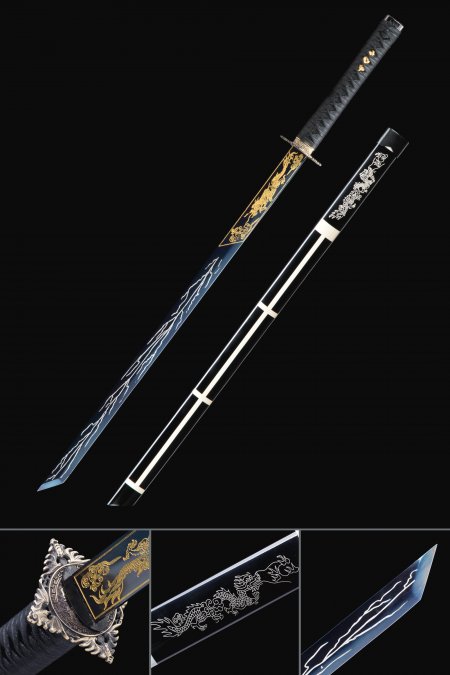
Showing 6 Products

Related Collections

Silver Katana9 items


22 Reviews

Gold Wakizashi6 items


73 Reviews

Gold Aikuchi4 items


7 Reviews

Silver Gold Tsuba Katana44 items


179 Reviews

Frequently Asked Questions

What makes a gold-silver tsuba different from a standard alloy guard?
A standard alloy tsuba is typically cast or stamped from a single uniform metal and finished with a basic polish or black coating. A gold-silver tsuba, by contrast, combines two distinct tonal finishes—warm gilded or gold-washed areas alongside cooler silver-polished or aged-silver surfaces—often applied to a single guard through selective plating, inlay, or differential polishing. The result is a piece with genuine visual depth: engraved motifs like dragons or scrollwork appear three-dimensional because light reflects differently off each tonal zone. For display purposes, this dual-tone construction transforms the guard from a structural component into a focal point of the entire koshirae, comparable to decorative metalwork found in museum-held antique mounts.
How does T10 steel compare to 1045 carbon steel in a ninjato?
T10 and 1045 are both high-carbon steels, but they serve slightly different collector priorities. T10 contains a small amount of silicon that refines the grain structure, and it responds beautifully to differential clay tempering—producing a clearly visible hamon, the wavy temper line along the edge that is one of the most prized aesthetic details in Japanese-style blade work. 1045 carbon steel has a lower carbon content, polishes to a bright mirror-like surface, and offers a more consistent finish across the full blade length without a prominent hamon. If you value the visual evidence of the smithing process, T10 is the more narratively rich choice. If you prefer a clean, reflective blade that lets the gold-silver tsuba and koshirae carry the visual story, 1045 delivers that understated elegance.
How should I care for the gold-silver tsuba to prevent tarnishing?
The biggest threat to a dual-tone tsuba is contact with skin oils and atmospheric moisture. Handle the guard only with clean cotton gloves or a soft microfiber cloth—the salts and acids in fingerprints etch both gilded and silver-toned surfaces faster than most collectors expect. For routine maintenance, a very light application of renaissance wax or a metal-safe micro-crystalline polish applied with a cotton swab every six months creates an invisible barrier against oxidation without obscuring the engraved detail. Store the piece in a low-humidity environment; a silica gel packet inside a cotton sword bag is a simple and effective precaution. Avoid aerosol polishes or abrasive cloths, which can flatten the fine relief lines that give the guard its character.
Is a ninjato a good starting piece for a Japanese sword collection?
A ninjato makes an excellent entry point precisely because its comparatively straightforward geometry lets the fittings—tsuba, fuchi, kashira, and saya—speak clearly without the complexity of a curved blade demanding equal attention. For a new collector, this means it is easier to develop an eye for hardware quality, finish consistency, and koshirae cohesion before moving into more involved katana or tachi acquisitions. A gold-silver tsuba ninjato also displays well in compact spaces; its straight profile sits cleanly on a horizontal stand and requires less wall clearance than a fully curved blade. Starting with a piece that has strong decorative fittings teaches you to evaluate swords holistically rather than focusing on blade geometry alone—a habit that pays dividends as your collection grows.
What display arrangements work well with a gold-silver ninjato?
The warm dual-tone metalwork of a gold-silver tsuba pairs naturally with display partners that share a consistent color narrative. A lacquered saya in deep red, black, or dark wood tones creates a rich jewel-box contrast with the gilded guard. On a multi-tier sword stand, placing the ninjato alongside a curved piece from the katana collection reinforces the visual variety of Japanese blade traditions while the matching metallic tones in the guards tie the arrangement together. For a wall-mounted display, positioning the ninjato horizontally at eye level with accent lighting aimed at the tsuba brings out every engraved line and tonal shift. Thematic groupings—such as all dragon-motif guards across different blade styles—are a popular approach among more advanced collectors building a curated aesthetic rather than simply accumulating individual pieces.

Customer Reviews

Mark Bell California, United States

Arrived right on time.r
Blade, saya, hilt. All up to True Katana's standards.r
Of course I've already dinged the saya, because I can't have nice things. r
r
I believe this is my seventh purchase....r
r
No, I'm not addicted at all!r
Of course I am sane and rational. r
r
Seriously though. r
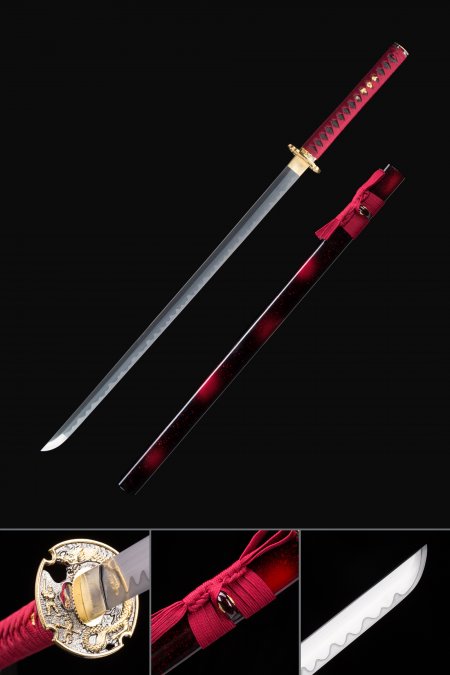
This blades name is Ryuketsu.
High Manganese Steel Katana with Dragon Tsuba - Red Cord Handle & Dark Red Lacquer Saya High Manganese Steel Katana with Dragon Tsuba - Red Cord Handle & Dark Red Lacquer Saya
Cart 0 Items

Your cart is empty