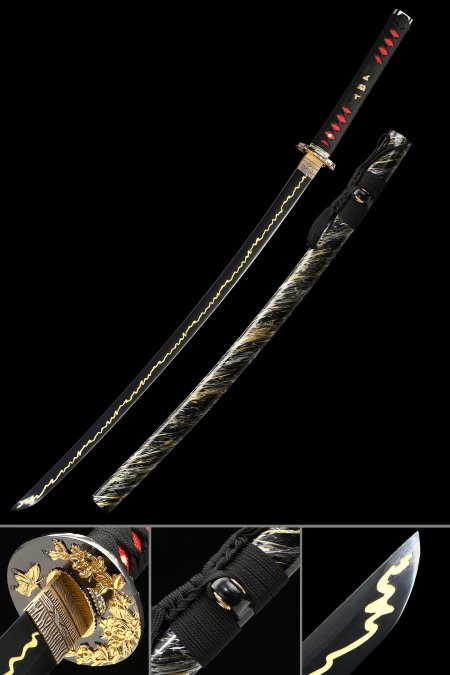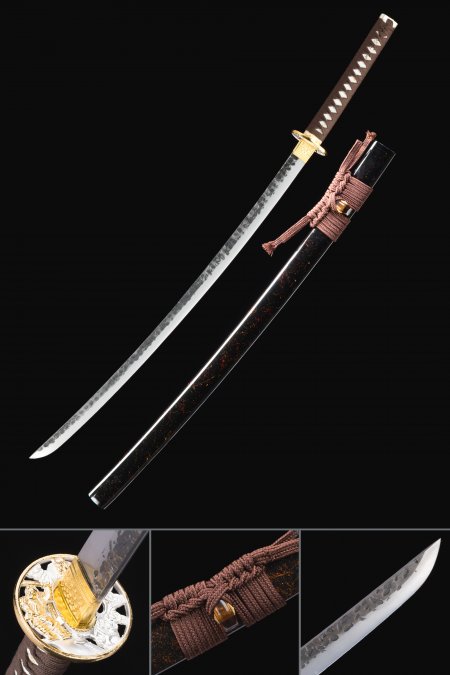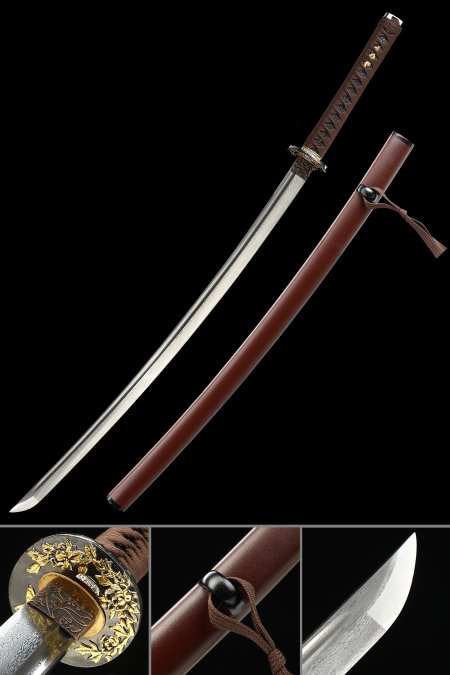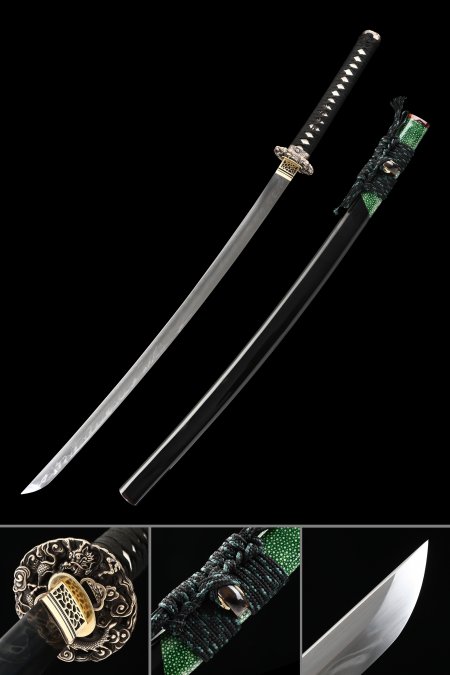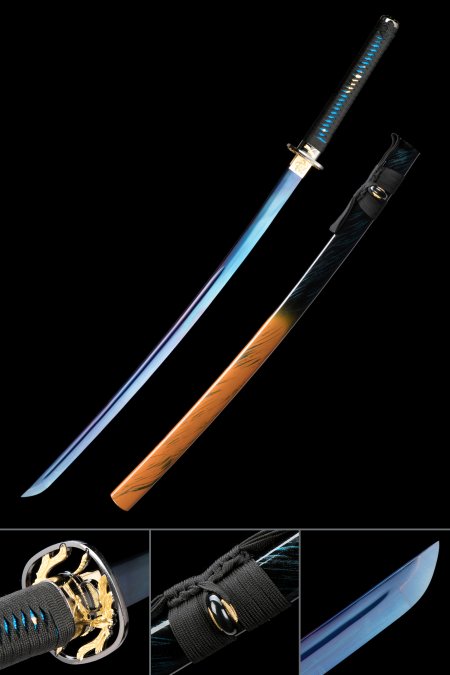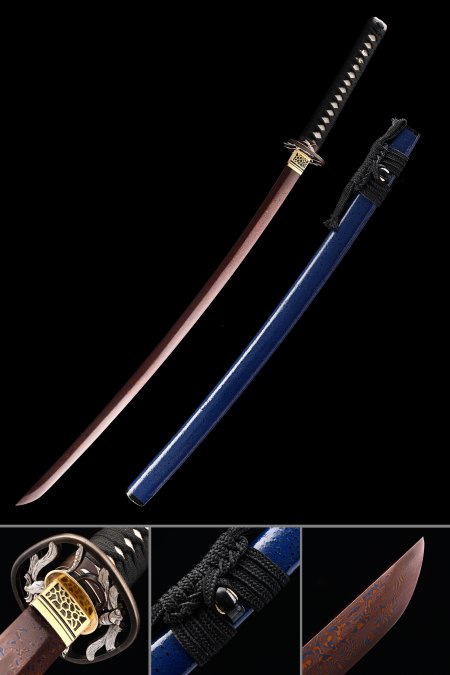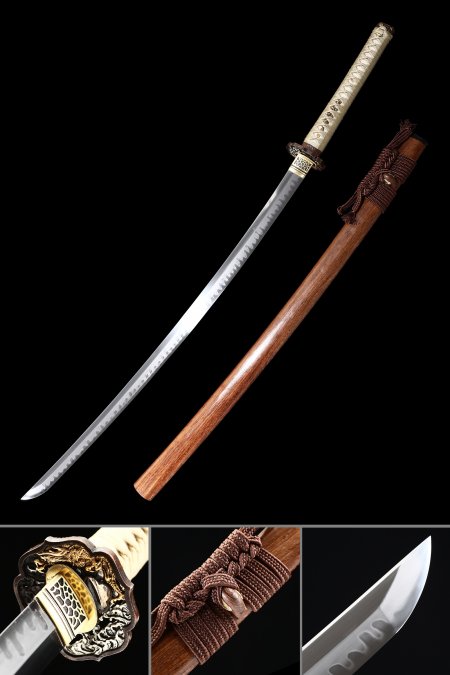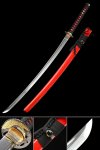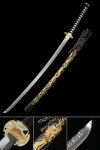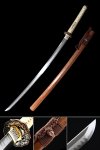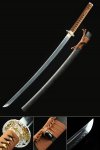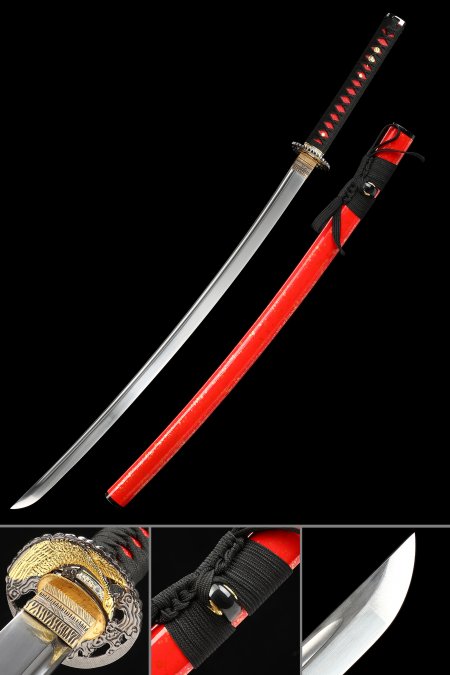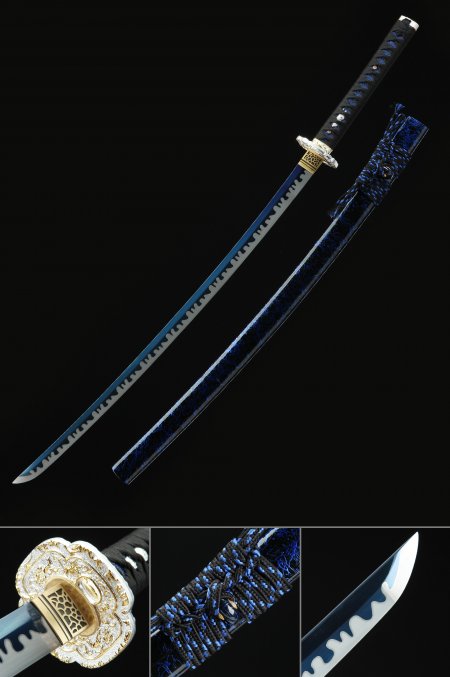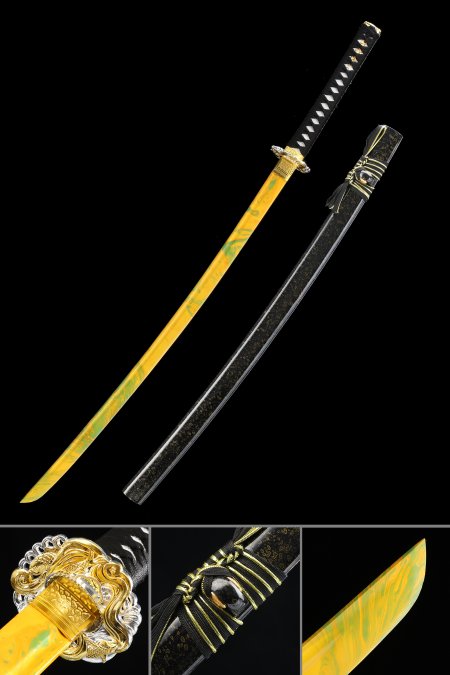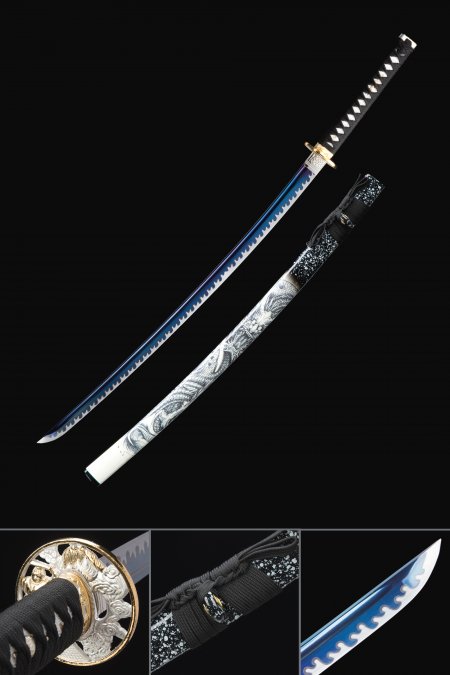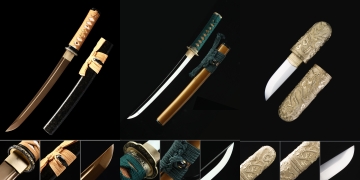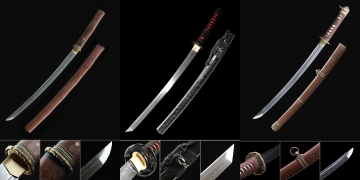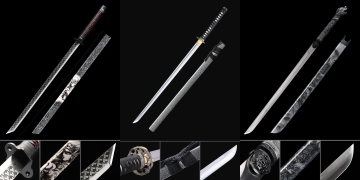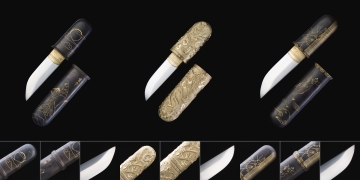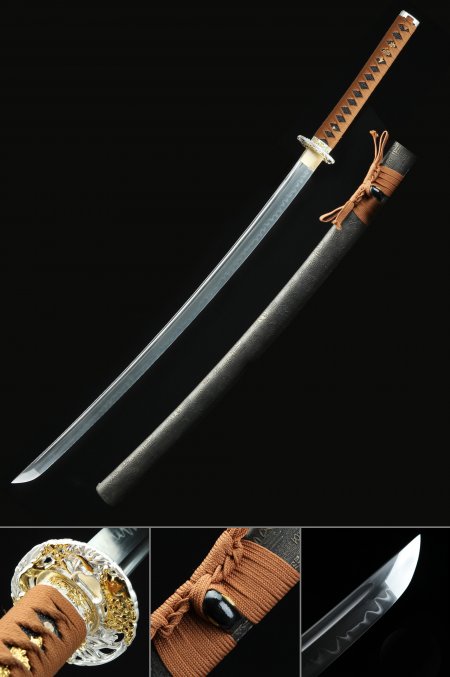
Gold Silver Tsuba Katana

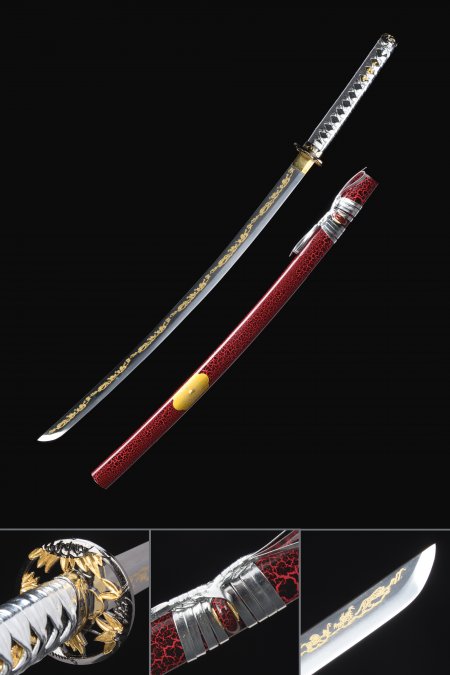
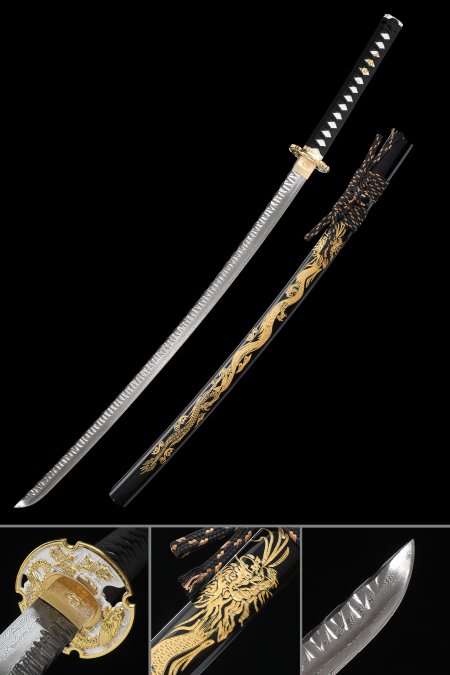
Gold and silver tsuba katana bring a refined visual hierarchy to any serious collection - the metallic guard serves as the centerpiece that ties blade, handle, and saya into a cohesive aesthetic statement. Each piece in this collection features hand-finished fittings in gold, silver, or dual-tone alloy, paired with quality carbon, spring, or Damascus steel blades that carry authentic hamon temper lines. From dragon motifs to floral engravings, every tsuba design reflects classical Japanese craftsmanship adapted for the modern collector. Enjoy free shipping on all orders, backed by our hassle-free return policy.
Showing 14 Products

Related Collections

Golden Tanto3 items


13 Reviews

Gold Wakizashi6 items


73 Reviews

Silver Ninjato5 items


3 Reviews

Gold Aikuchi4 items


7 Reviews

Frequently Asked Questions

What metals are used in gold and silver tsuba on these katana?
The tsuba in this collection are crafted from several different alloy compositions depending on the specific piece. Some feature a true gold-silver alloy - an engineered blend that achieves the dual-tone appearance in a single cast component - while others use a base alloy with a plated or treated surface to produce distinct gold and silver zones. Select pieces incorporate bronze as a structural base with applied gold and silver finishing. For collectors, the key distinction is that these are decorative fittings optimized for visual impact and durability in a display context, not raw precious metal content. Always check individual product descriptions for the exact materials listed per piece.
How does a gold silver tsuba differ from a traditional iron tsuba?
Classical Japanese tsuba produced for historical use were overwhelmingly made from iron (tetsu), with decoration achieved through carving, inlay, or surface texturing rather than precious metal finishes. Iron tsuba were valued for their understated, utilitarian character - often with a dark patina that complemented a working sword's overall subdued aesthetic. Gold and silver tsuba, by contrast, belong to a tradition of ceremonial and presentation swords (tachi and koshigatana used in court or ritual contexts) where ornate metal fittings signaled status and artistry. Modern collectibles in this style draw from that ceremonial lineage, prioritizing visual drama and display presence. The result is a piece far more suited to wall display or cabinet collections than the muted elegance of iron-guard examples.
Which blade steel pairs best with a gold and silver tsuba?
The answer depends on what visual effect you want the completed piece to achieve. T10 carbon steel with a real clay-tempered hamon creates a striking contrast - the organic, misty temper line along the blade draws the eye, while the metallic tsuba anchors the piece with structured brilliance. Damascus steel offers a different dynamic: the layered patterning across the entire blade surface competes with the tsuba in the best way, creating a richly textured display. Color-treated blades in blue or yellow are perhaps the boldest choice, using chromatic contrast to make both blade and tsuba pop simultaneously. For collectors building a multi-piece display, mixing these steel types across pieces with similar gold-silver fittings creates a cohesive thematic series with genuine visual variety.
Are these katana suitable as display gifts for sword collectors?
Gold and silver tsuba katana make particularly strong collector gifts because the dual-tone fittings read as premium even to someone unfamiliar with Japanese sword terminology. The visual cues - metallic guard, thematic motifs like dragons or phoenixes, lacquered saya in complementary colors - communicate craft and intentionality at first glance. For a more experienced collector, details like the choice of T10 or Damascus steel, the presence of a real hamon, or the specific ito wrap color will carry additional meaning. When selecting a gift, consider whether the recipient gravitates toward a particular motif (dragon, floral, snake) or color palette (black and gold, blue and silver) to guide your choice. A matching katana stand completes the presentation and makes the display-ready intent clear from the moment the piece is unwrapped.
How should I clean the tsuba without damaging the gold-silver finish?
The safest routine for a gold or silver tsuba on a display katana is dry cleaning only in most circumstances. Use a soft, lint-free microfiber cloth to gently remove fingerprints, dust, and airborne particles after each handling session. Avoid paper towels or abrasive fabrics that can leave micro-scratches on the plated or alloy surface. If light tarnishing appears on a silver-toned area, a small amount of Renaissance Wax applied with a cotton swab and buffed gently can restore luster without introducing moisture. Never use silver polish or brass cleaner products, as these contain abrasives or acids formulated for solid metal and will strip or dull a coated finish. Keep the tsuba dry and store the katana away from coastal or high-humidity environments to slow the natural oxidation process.

Customer Reviews

Cart 0 Items

Your cart is empty