What makes a ninjato different from a katana?
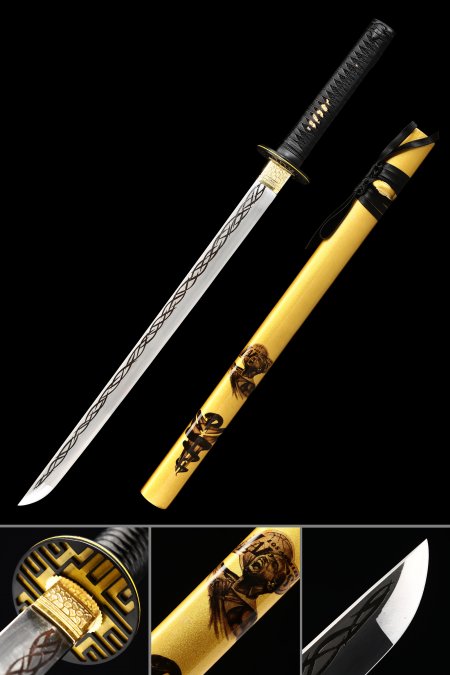
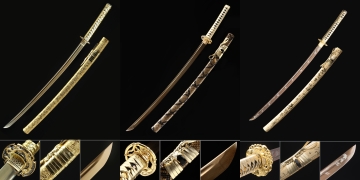
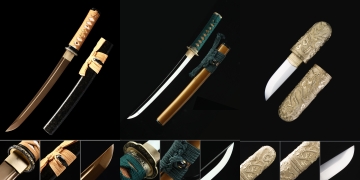
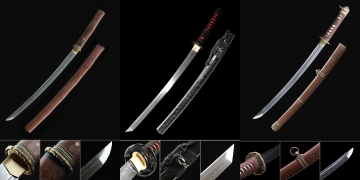
The most immediately visible difference is blade geometry. A katana features a pronounced curve along its length — a defining characteristic developed to optimize drawing speed and cutting mechanics. A ninjato, by contrast, has a straight or near-straight blade, typically with a square or simple guard (tsuba) and a shorter overall length. Historically, the straight blade was associated with shinobi tradition, though scholars continue to debate the extent to which a standardized ninjato form existed in feudal Japan versus its later codification in martial arts practice. For collectors, the straight silhouette paired with a gold saya creates a visually striking contrast — clean, angular lines against a warm, luminous scabbard finish — that sets these pieces apart from curved-blade display swords.
What steel types are used in Gold Saya Ninjato blades?
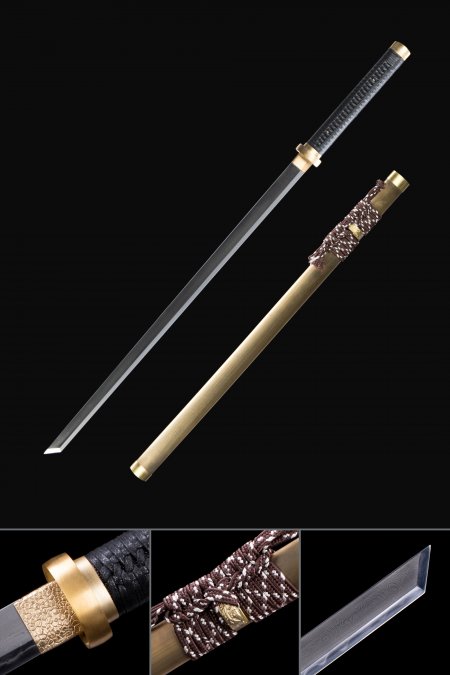
This collection features two primary blade materials. Manganese steel is used in the majority of pieces — it's a high-carbon alloy with added manganese content that improves toughness and resistance to stress, making it a practical choice for a display collectible that retains structural integrity over time. The surface finishes cleanly and holds a polished appearance well. The other option is Damascus steel, seen in the Chokuto Ninjato variant, where layered steel folding produces the characteristic flowing grain pattern across the blade surface. Damascus pieces are particularly valued by collectors for the visual complexity of their patterning — no two blades are identical. Both materials are full-tang construction, meaning the blade steel runs continuously through the handle for solid, stable assembly.
How should I store and maintain a gold lacquered saya?
Gold lacquered sayas are durable when handled with reasonable care, but the finish can be vulnerable to prolonged moisture exposure and abrasive contact. For storage, keep the sword horizontally on a dedicated sword stand or in a padded display case away from direct sunlight, which can yellow or fade lacquer over time. Avoid storing in damp environments — a silica gel packet inside a display case helps manage humidity. Wipe the saya with a soft, dry microfiber cloth to remove fingerprints or dust; never use alcohol-based cleaners or abrasive materials on the lacquered surface. For the blade itself, apply a light coat of choji or mineral oil every few months using a clean cloth to prevent surface oxidation, especially along the spine and near the habaki collar where moisture can accumulate.
Are Gold Saya Ninjato swords suitable as gifts for collectors?
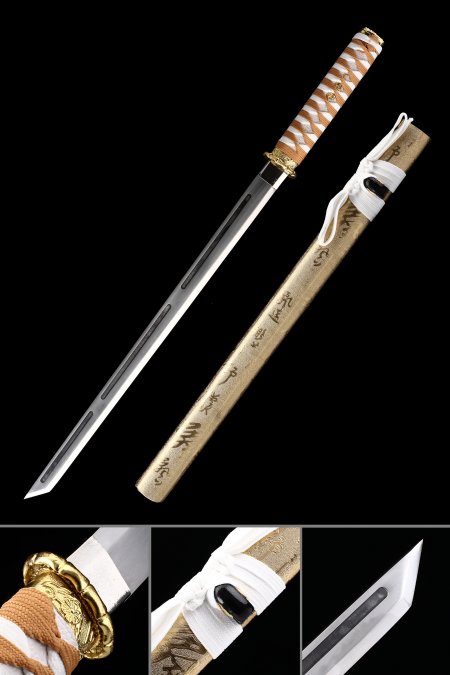
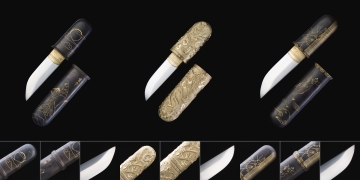
They make a genuinely distinctive gift for anyone with an interest in Japanese sword culture, martial arts history, or decorative edged collectibles. The gold saya finish adds an immediate visual richness that reads as a premium presentation piece, and the variety of handle wrapping styles — from orange-and-white to all-black tsuka — means you can match the aesthetic to the recipient's existing collection or display theme. For first-time collectors, a manganese steel piece with an engraved scabbard offers strong visual impact at an accessible level. More experienced collectors often gravitate toward the Damascus steel variant for its material complexity. These swords arrive ready for display and pair well with a sword stand, making them a complete gift without requiring additional accessories.
How does the koshirae quality differ across pieces in this collection?
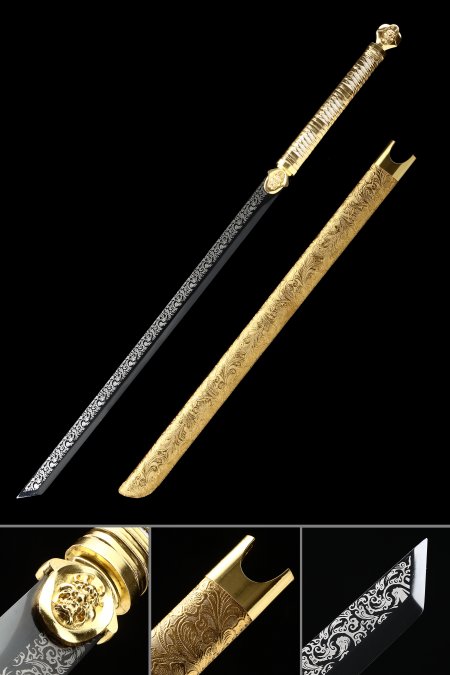
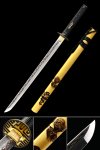
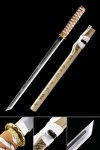
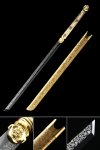
Koshirae refers to the full set of sword fittings — tsuba (guard), fuchi and kashira (collar and pommel), menuki (handle ornaments), tsuka (handle) with its wrapping, and saya (scabbard). Across this collection, fitting quality varies by design intent. The Lion Tsuba Koshirae variant features a cast tsuba with detailed relief work and a contrasting black blade, positioning it as a visually dramatic display centerpiece. The Kanji Saya piece uses gold script on the scabbard surface alongside an orange-and-white bicolor tsuka wrap for a bolder, more stylized aesthetic. The Damascus Chokuto variant pairs its patterned blade with a bronze tsuba and black tsuka for a more restrained, classically proportioned presentation. Collectors assembling a themed display can mix these variants to create visual variety within a coherent gold-accent theme.