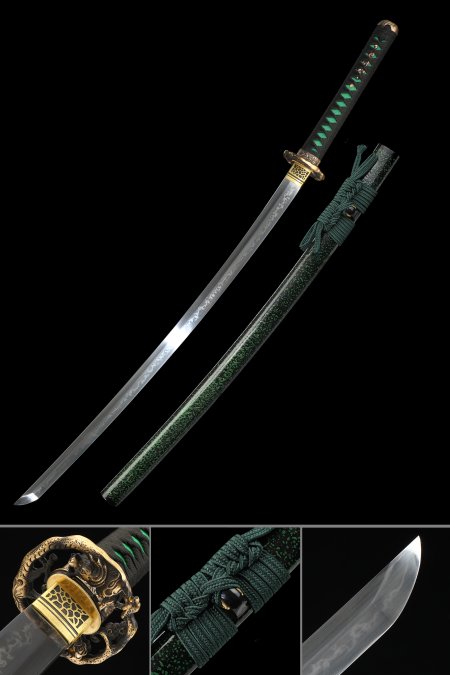
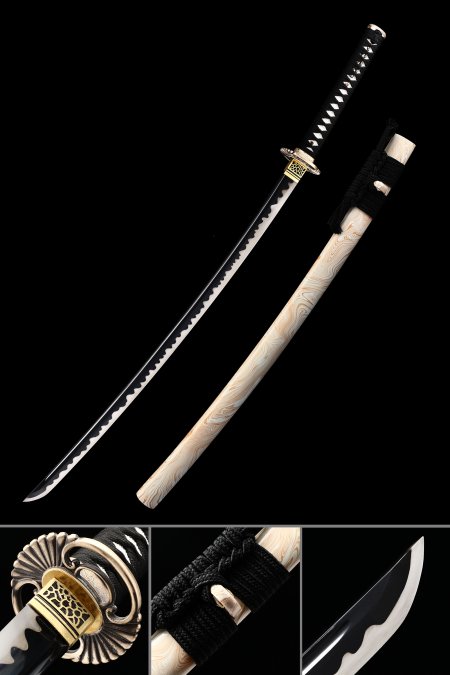
What metals are typically used in gold bronze tsuba?
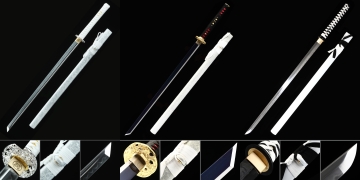
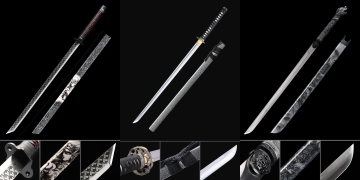
Traditional Japanese tsuba makers worked with a range of copper-based alloys, and modern collectible reproductions follow similar conventions. Bronze - an alloy of copper and tin - produces a warm amber tone with natural depth, while shakudo (copper alloyed with a small percentage of gold) was historically prized for its ability to develop a rich blue-black patina. Gold-toned tsuba on contemporary collectibles are typically cast from brass or bronze alloy and then finished with polishing or plating techniques that accentuate the warm, luminous surface. When evaluating a gold bronze tsuba, look for crisp relief definition in the motif, consistent surface finish without pitting, and a snug habaki fit - these details separate a quality display piece from a purely decorative accessory.
How does a bronze tsuba compare to an iron tsuba on a katana?
Iron and bronze tsuba serve the same structural role but produce very different aesthetic results. Iron tsuba, common on working-grade historical swords, tend to have a subdued, austere appearance that aligns with the minimalist aesthetic of many samurai traditions. Bronze and gold-toned tsuba, by contrast, were more frequently associated with formal, ceremonial, or high-status presentation swords where visual richness was intentional. On a modern collectible, iron tsuba often suits a utilitarian or historical-replica theme, while a gold bronze tsuba elevates the piece into decorative and fine-craft territory. If your collection centers on display aesthetics and warm metalwork palettes - particularly alongside lacquered saya in darker tones - bronze is the more visually dynamic choice.
Does the tsuba affect how a katana should be displayed?
Yes, meaningfully so. A gold or bronze tsuba catches and reflects ambient light in ways that iron does not, which means display lighting placement becomes important. Angled spotlighting from slightly above and to the side will bring out the relief detail in the tsuba's motif - dragon scales, chrysanthemum petals, or geometric patterns - far more effectively than flat overhead lighting. Horizontal katana stands are ideal for showcasing the full profile of the tsuba against the saya, while vertical stands tend to show the guard face-on, which suits tsuba with particularly detailed front-face carving. Keep the display away from direct sunlight and high-humidity environments to preserve both the lacquer finish and the metal's surface character.
Is T10 steel a good choice for a gold bronze tsuba collectible?
T10 carbon steel is widely regarded as one of the most visually rewarding blade steels for collectible katana because it produces a clearly defined hamon - the temper line along the blade's edge - when differentially hardened during the clay-tempering process. This hamon adds a second layer of visual complexity to an already ornate piece: the warm gold or bronze of the tsuba at the guard transitions along a polished blade surface to the undulating activity of the hamon near the edge. The result is a collectible with genuine depth at multiple points of focus, making it particularly well suited to framed wall display or lit display cases where both blade and fittings can be appreciated simultaneously.
How should I care for a gold bronze tsuba to preserve its finish?
Bronze and gold-toned alloy tsuba are relatively low-maintenance compared to the blade itself, but a few practices will extend their appearance significantly. Avoid touching the tsuba surface with bare hands during handling - skin oils accelerate uneven tarnishing on copper-based alloys. If light tarnish develops, a soft cotton cloth with a small amount of Renaissance Wax or a dedicated metal polish formulated for non-ferrous metals will restore the surface without abrading the relief detail. Do not use abrasive compounds or steel wool. Store the sword in a cool, dry environment; a paulownia wood box or a breathable sword bag helps regulate humidity. Periodically apply a thin coat of choji oil to the blade to prevent rust, taking care not to transfer excess oil onto the tsuba or handle wrap.