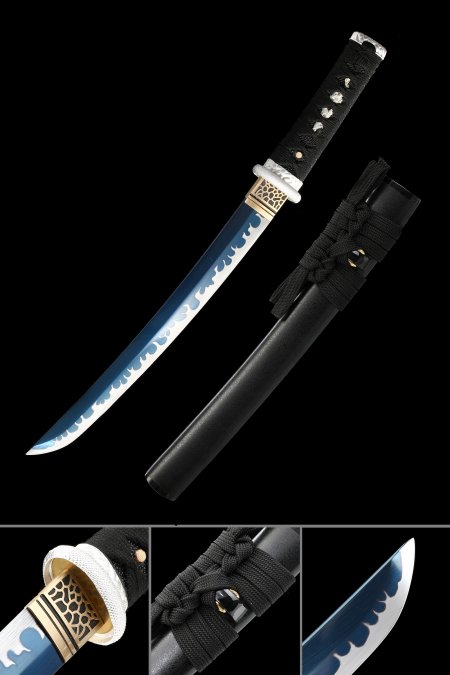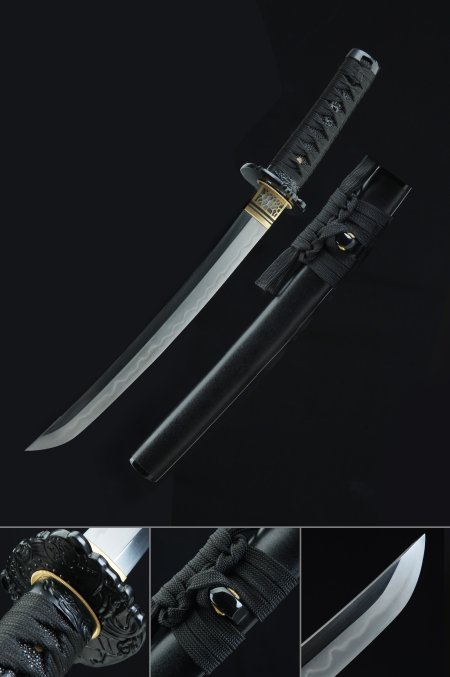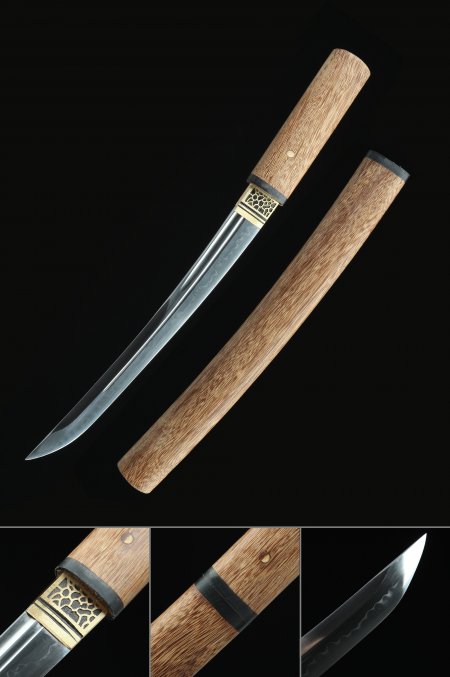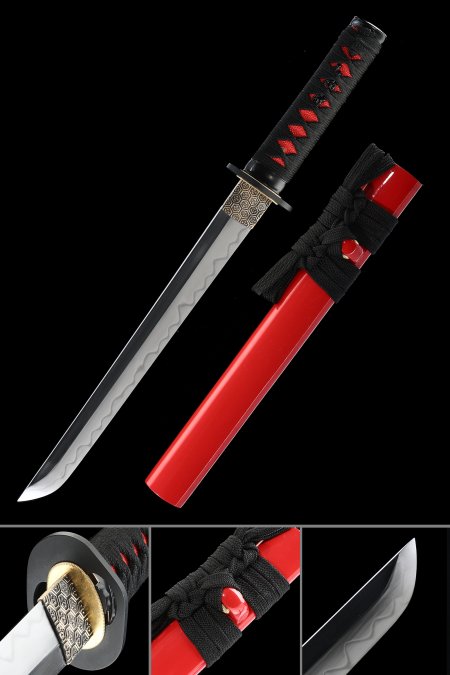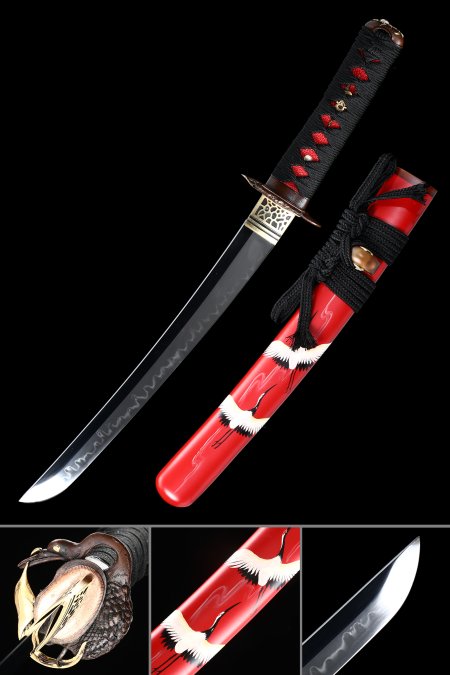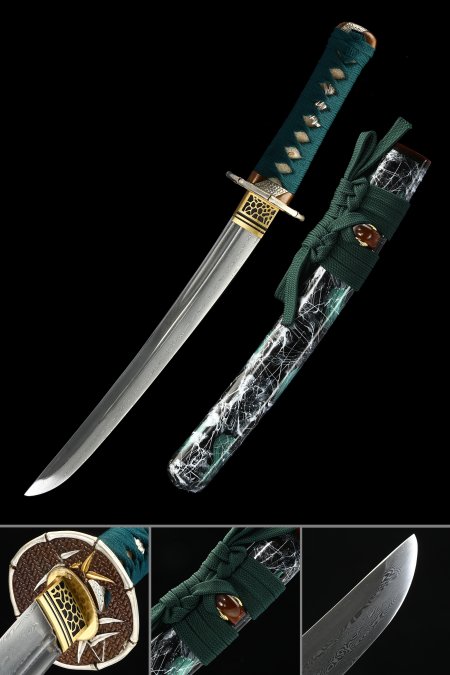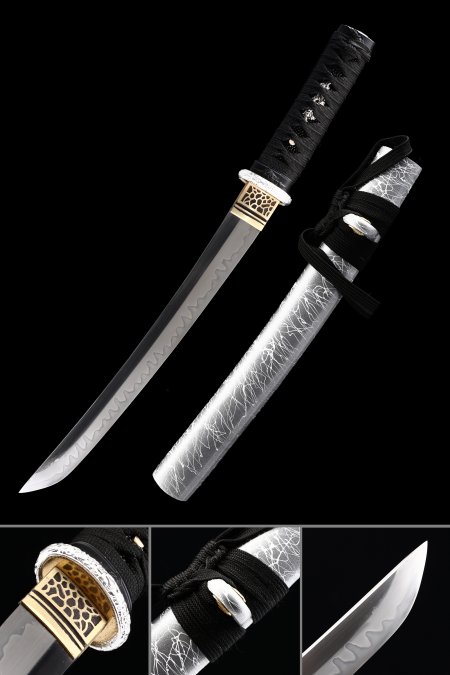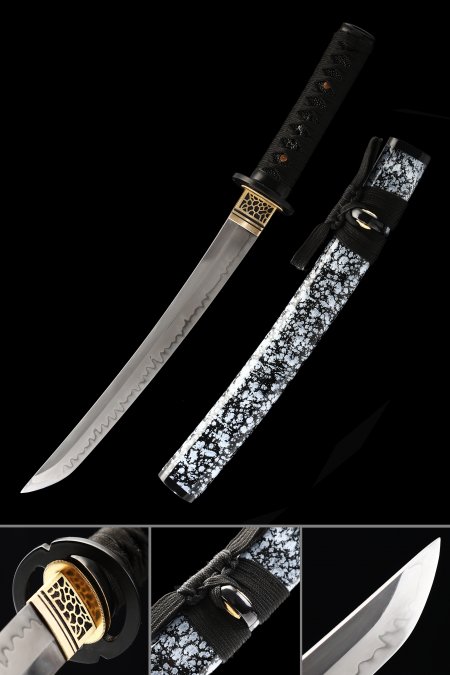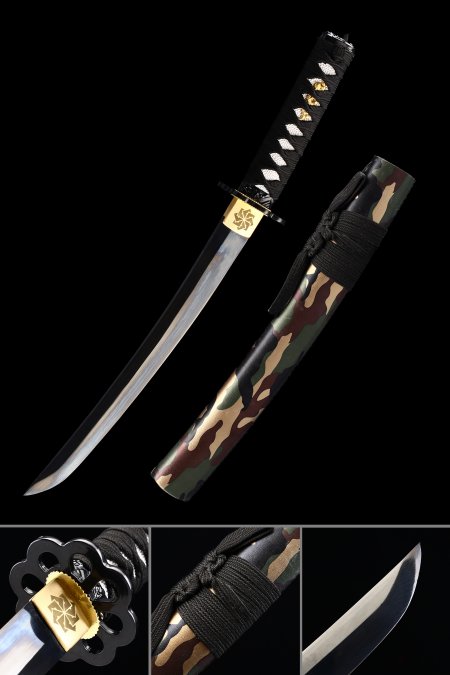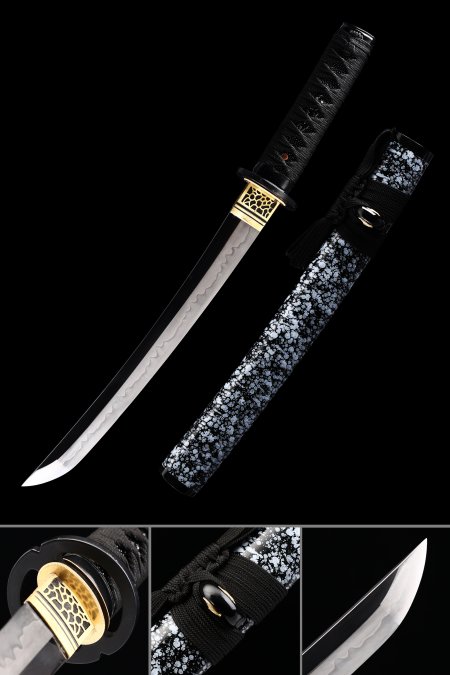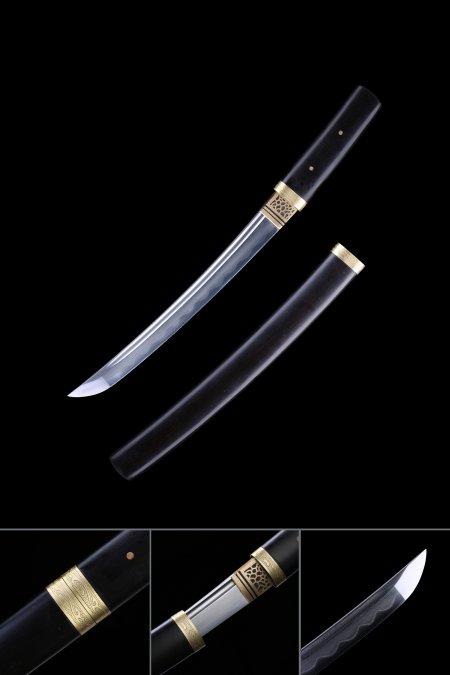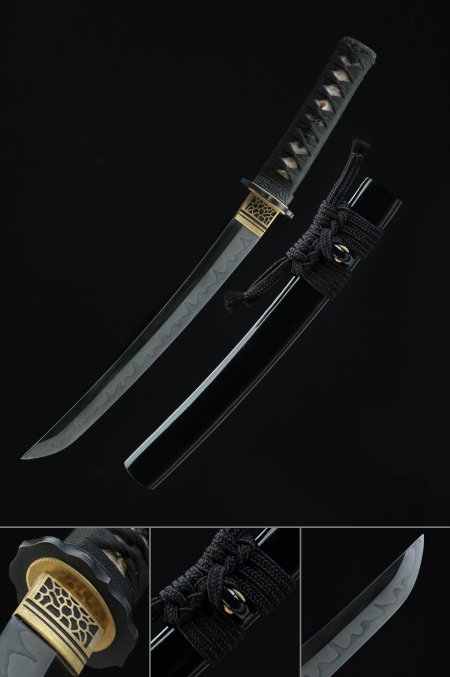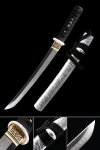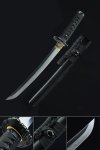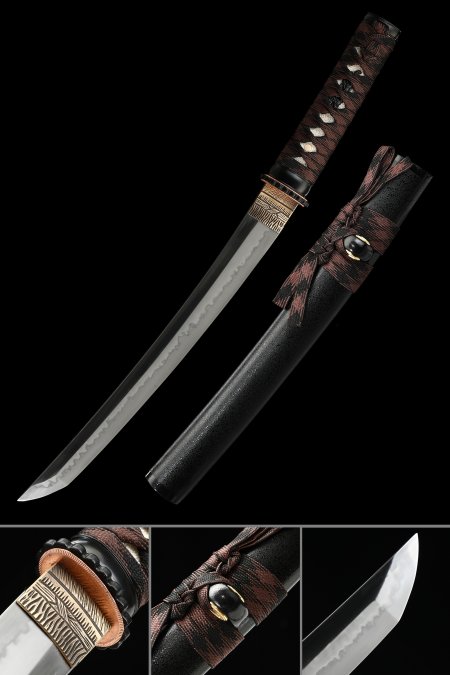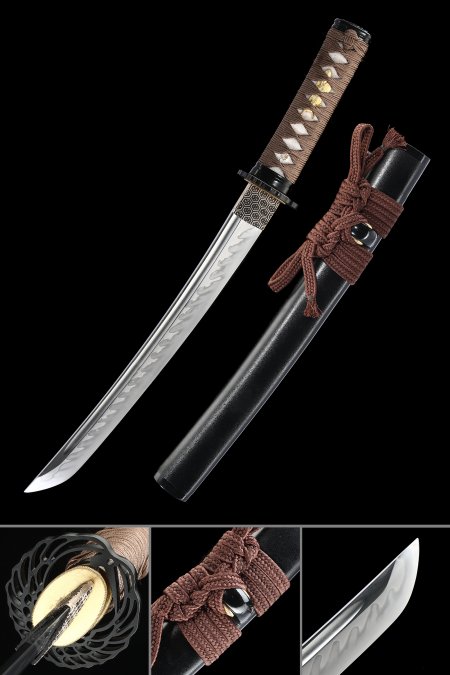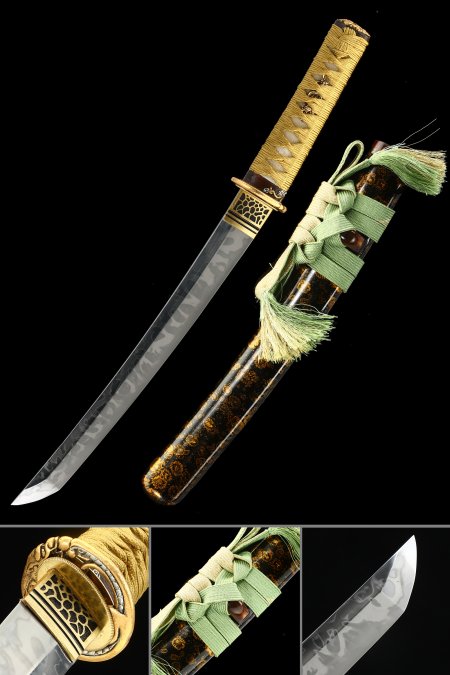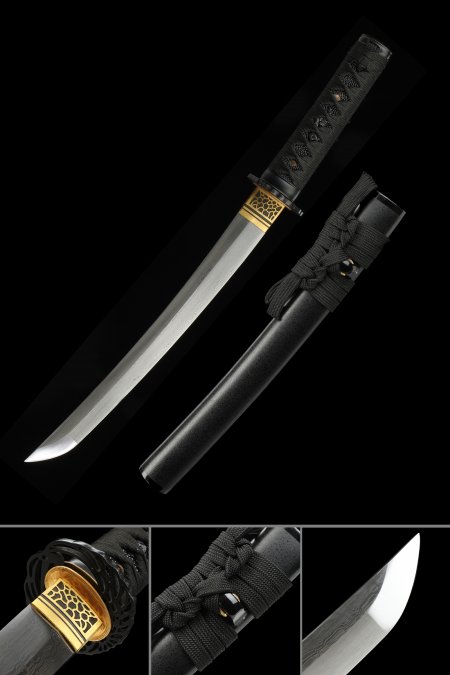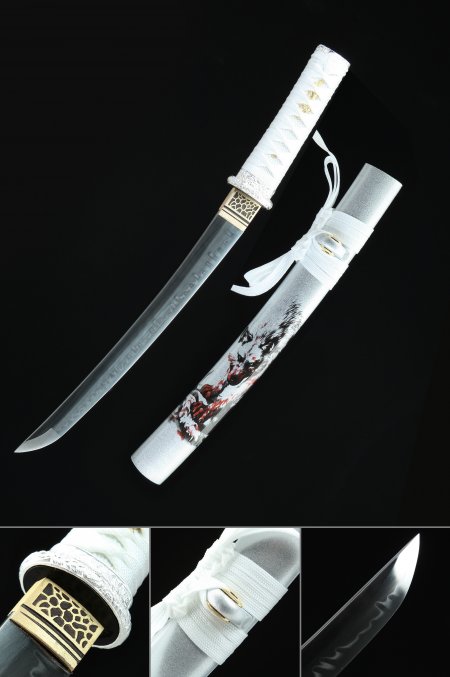
Geometric Tsuba Tanto

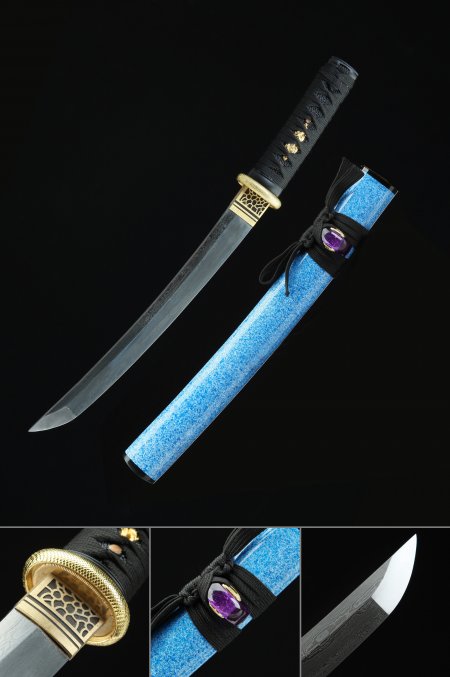
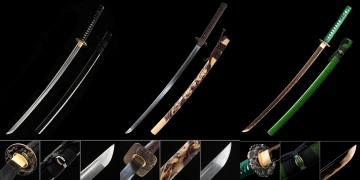
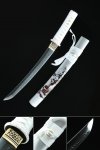
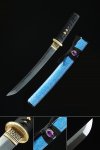
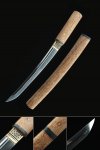
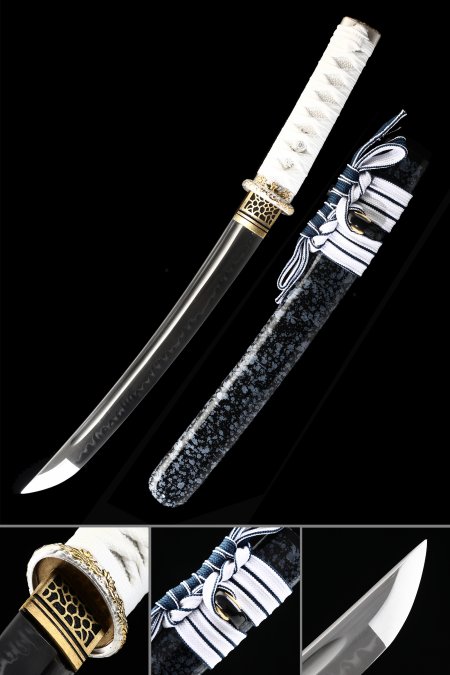
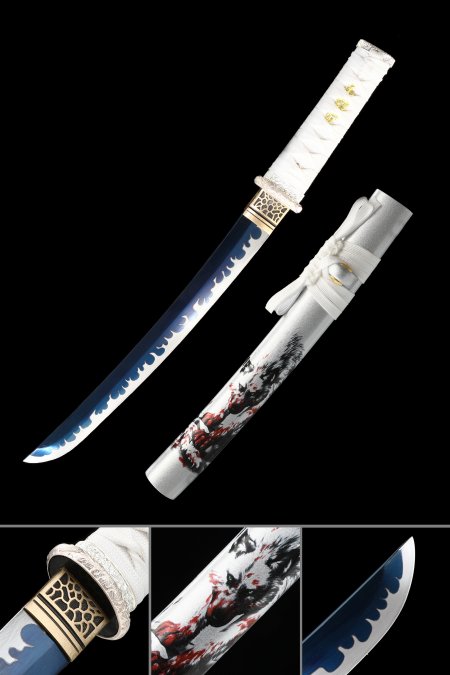
Geometric Tsuba Tanto brings together the precision of classical Japanese short-sword craft and the visual authority of angular guard design - each piece finished with hand-forged steel, authentic clay-tempered hamon, and ornamental fittings selected for display impact. From Damascus layered blades to T10 carbon steel with real hamon lines, every tanto in this collection is built full-tang and dressed in hand-lacquered saya ranging from jet-black piano lacquer to deep rosewood and gradient blue. Enjoy free standard shipping on your order, backed by our hassle-free return policy.
Showing 20 Products

Related Collections

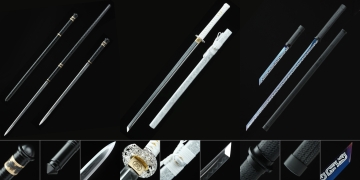
Straight Blade Katana22 items


11 Reviews

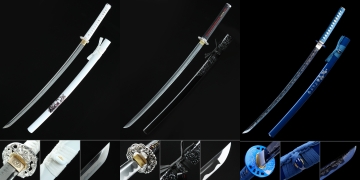
Reverse Blade Sword128 items


1632 Reviews

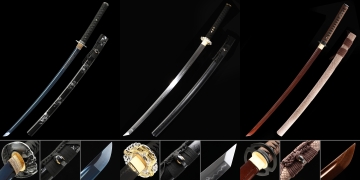
Dragon Blade Katana108 items


372 Reviews

Bronze Tsuba Katana137 items


658 Reviews

Frequently Asked Questions

What defines a geometric tsuba on a tanto?
A geometric tsuba is a sword guard featuring angular, symmetrical, or faceted shapes rather than the organic motifs - waves, leaves, animals - common in classical Japanese guard design. On a tanto, where the overall blade length is short and the guard sits prominently in proportion to the rest of the piece, the tsuba has an outsized visual presence. Geometric designs typically use interlocking polygons, rectangular cutouts, or radial symmetry to create a pattern that catches light from multiple angles. Gold alloy finishes are common in modern collectible versions, providing strong contrast against black lacquer saya and dark ito wrapping. The style bridges traditional Japanese craft with a more contemporary decorative sensibility, making it a popular choice for display-focused collectors.
How does Damascus steel differ from T10 in a tanto blade?
Damascus steel and T10 high-carbon steel produce very different visual and material outcomes in a tanto blade. Damascus is created by folding and forge-welding multiple layers of iron and steel, then acid-etching the finished blade to reveal flowing grain patterns unique to each piece - no two Damascus blades look identical. T10 is a single-composition tool steel with a consistent, fine grain that responds predictably to clay tempering, producing a clean, well-defined hamon line. Collectors who prioritize surface texture and visual complexity tend to prefer Damascus; those who value the traditional clay-tempered hamon as a documentable marker of authentic Japanese short-sword craft often favor T10. Both are used in full-tang construction across this collection and hold their finish well under standard display conditions.
What saya finishes are available, and how should I maintain them?
This collection includes saya in piano black lacquer, granite-effect lacquer, dark red hardwood, natural rosewood, blue gradient lacquer, and camouflage hardwood. High-gloss lacquer finishes are the most visually striking but also the most sensitive - they should be kept away from direct sunlight, which can yellow or mottle the surface over time. Hardwood saya with an oil or wax finish are more forgiving in varying humidity but can develop surface checking if stored in extremely dry environments. For all saya types, store the tanto horizontally on a stand in a stable indoor environment. Avoid stacking or placing weight on the saya, as the lacquer can crack under pressure. A light wipe with a microfiber cloth after handling removes fingerprints without scratching the surface.
Is a geometric tsuba tanto a good display or gift choice?
A geometric tsuba tanto is well-suited for display and makes a distinctive gift for collectors interested in Japanese edged art, historical martial aesthetics, or decorative metalwork. The angular tsuba design photographs well and holds visual interest from multiple viewing angles, making it effective on an open display stand or in a glass case. For gifting, the combination of gold alloy geometric guard, hand-forged blade with visible hamon, and matched lacquered saya presents as a cohesive, considered set rather than a generic novelty. These pieces are positioned as collectibles and decorative items, not functional tools, which makes them appropriate for a wider range of recipients. A horizontal display stand is an ideal companion gift to complete the presentation.
How do I care for the gold alloy tsuba over time?
Gold alloy tsuba used in decorative tanto fittings are typically cast or machined from zinc or brass alloy with a gold-tone plating or patina applied over the surface. The finish is durable under normal display conditions but can dull from contact with skin oils, moisture, or abrasive cleaning materials. After handling, wipe the tsuba gently with a clean, dry microfiber cloth - avoid paper towels, which can leave micro-scratches. Do not use metal polish or chemical cleaners, as these can strip the plating unevenly. If the tsuba develops light tarnish over time, a very light application of Renaissance Wax or similar museum-grade paste wax, buffed to a shine with a soft cloth, helps protect and restore the surface without aggressive chemical action.

Customer Reviews

Cart 0 Items

Your cart is empty