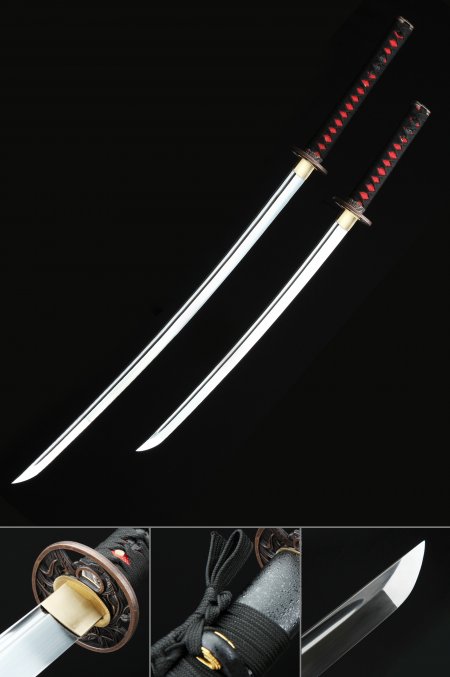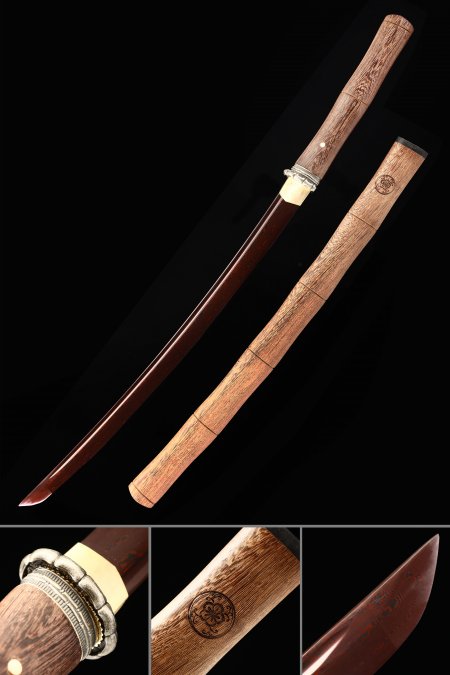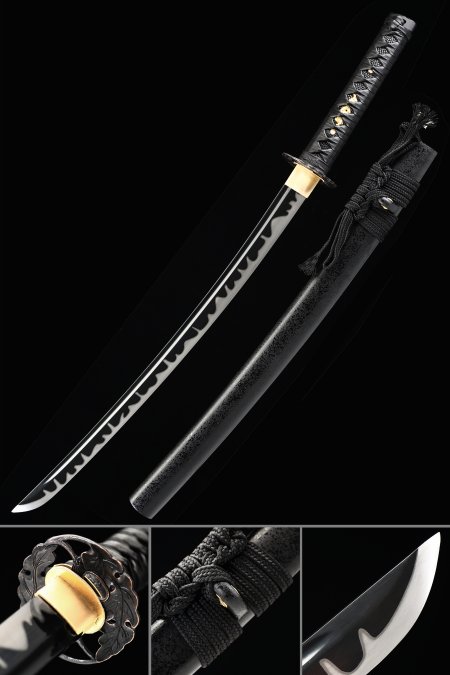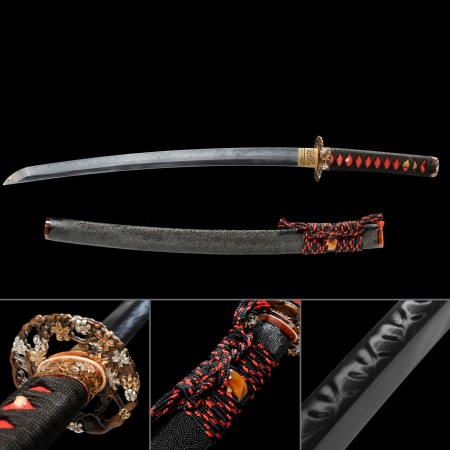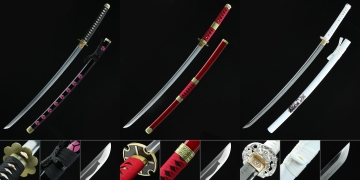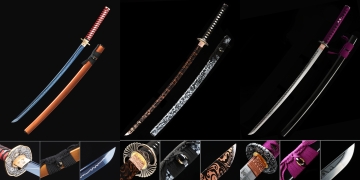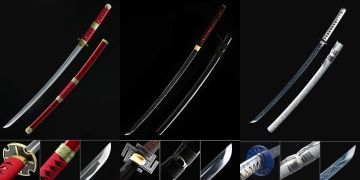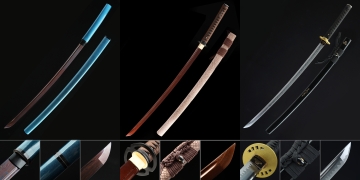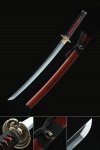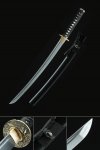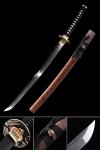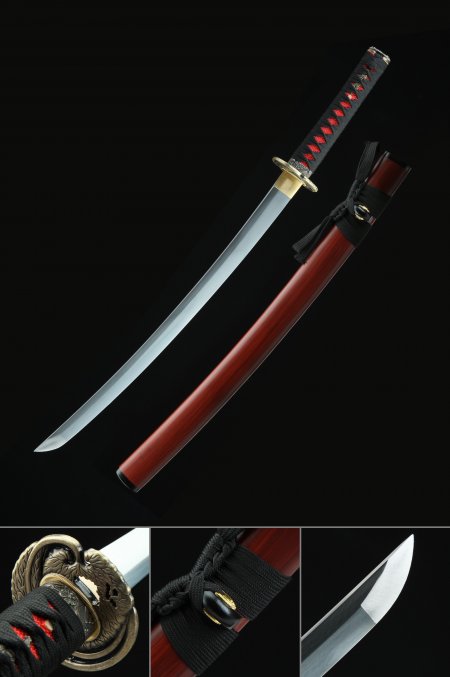
Flower Tsuba Wakizashi

The Flower Tsuba Wakizashi brings together refined floral guard artistry and authentic Japanese short-sword craftsmanship into a single collectible worth displaying with pride. Each piece in this collection features hand-forged construction, traditional koshirae fittings, and distinctive flower-motif tsuba cast in alloy or copper - making every sword a conversation piece as much as a craft achievement. Enjoy free shipping on your order, and shop with confidence knowing returns are always hassle-free.
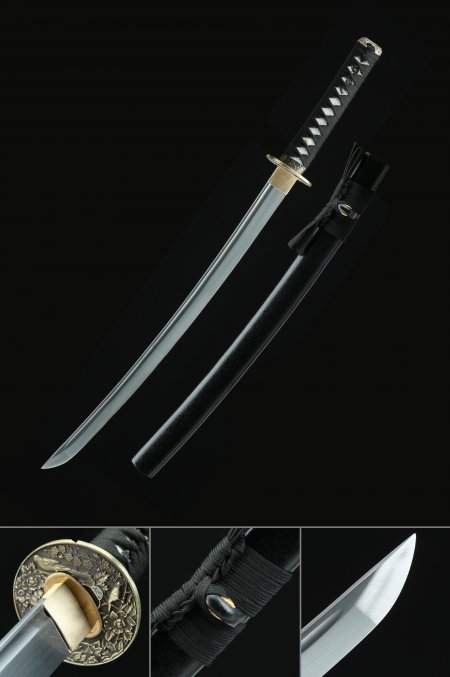
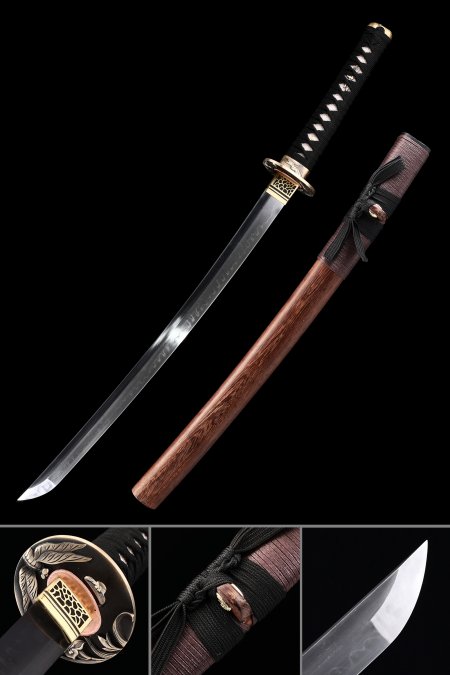
Showing 7 Products

Related Collections

Flower Saya Katana88 items


540 Reviews

Wave Blade Katana83 items


138 Reviews

Geometric Tsuba Katana103 items


954 Reviews

Plain Tsuba Katana89 items


323 Reviews

Frequently Asked Questions

What makes a flower tsuba different from a standard tsuba?
A standard tsuba is often geometric or minimally decorated, serving primarily as a functional hand guard. A flower tsuba, by contrast, is a decorative metalwork piece in its own right - cast or forged with botanical motifs such as cherry blossoms, chrysanthemums, or stylized vines. Historically, elaborately decorated tsuba were commissioned by wealthy samurai or high-ranking officials as status symbols, and floral designs were among the most popular themes during the Edo period. On a collectible wakizashi today, the flower tsuba serves the same purpose: signaling craftsmanship intent and elevating the sword's overall presentation from a simple display piece to a cohesive aesthetic object.
How does T10 clay-tempered steel differ from manganese steel in a wakizashi?
Manganese steel is a tough, impact-resistant alloy that holds a clean finish well and resists chipping, making it a practical choice for display pieces that may occasionally be handled. T10 is a high-carbon tool steel that, when clay-tempered, undergoes differential hardening - the spine is coated in clay before quenching, which causes the edge and spine to cool at different rates. This produces a genuine hamon, the wavy temper line visible along the blade. The hamon on a T10 clay-tempered wakizashi is a natural byproduct of the forging process, not an etched or polished simulation. Each hamon pattern is unique, which adds individual collectible value beyond what a uniformly finished manganese steel blade can offer.
Is a daisho set with matching flower tsuba worth collecting as a pair?
For collectors focused on display cohesion, a matched daisho set - a full-length katana and a shorter wakizashi sharing the same floral tsuba design and ito wrap - presents several advantages. Historically, samurai wore daisho as a paired set that communicated social rank and personal taste, and both swords typically featured coordinated koshirae. A modern daisho with matching black-and-red ito, identical floral alloy tsuba, and complementary saya creates a visually unified display that reflects that tradition accurately. As a gift option, matched daisho sets also carry more perceived significance than a single piece, making them a popular choice for milestone occasions among sword enthusiasts.
What saya material best complements a floral copper tsuba?
Copper tsuba carry warm amber and reddish-brown tones that pair naturally with saya finished in brown rosewood or natural wenge wood. Rosewood saya echo the copper's warmth while adding organic grain texture that contrasts nicely with the tsuba's cast metalwork. Natural wenge, with its dark chocolate streaks and linear grain, creates a slightly more dramatic contrast that draws further attention to the copper fittings. Black piano lacquer saya are better suited to alloy tsuba with dark finishes, where the monochromatic palette creates a different but equally intentional aesthetic. Choosing saya material based on tsuba tone is one of the more nuanced decisions a collector can make when assembling a display-focused wakizashi.
How should I store a lacquered wakizashi to protect the saya finish?
Piano lacquer saya - whether black or dark red - are vulnerable to humidity fluctuations, direct sunlight, and surface contact with abrasive materials. Store the wakizashi horizontally on a wooden sword stand in a room with stable humidity, ideally between 40-60% relative humidity. Avoid placing the saya near heating vents or windows where temperature swings are common. When handling, hold the saya by its body rather than gripping edges that might develop micro-scratches over time. Periodically wipe the lacquer surface with a clean, dry microfiber cloth to remove dust. Keeping the blade lightly oiled before storage prevents condensation-related oxidation if the piece is stored in its saya for extended periods.

Customer Reviews

Cart 0 Items

Your cart is empty