FAST SHIP
Free Shipping
179.00 USD
ON SALE! 20% OFF
Was: 219.00 USD

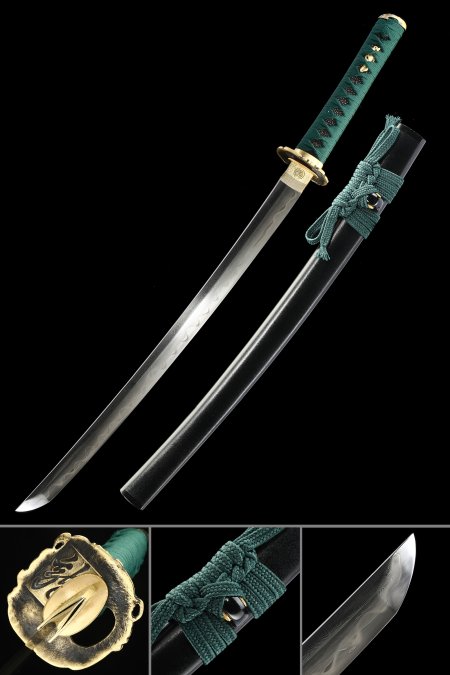
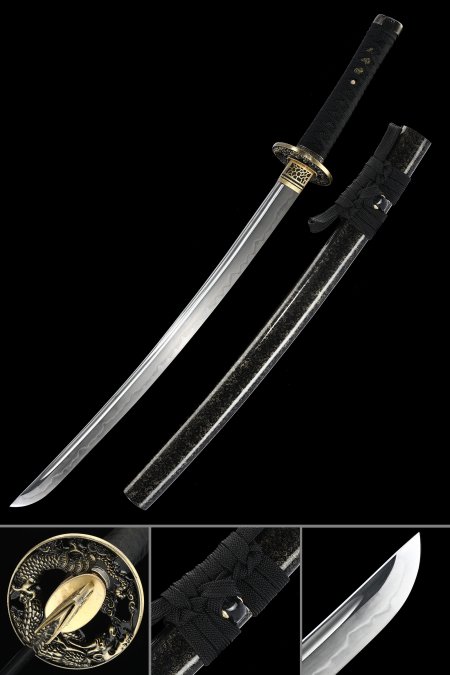
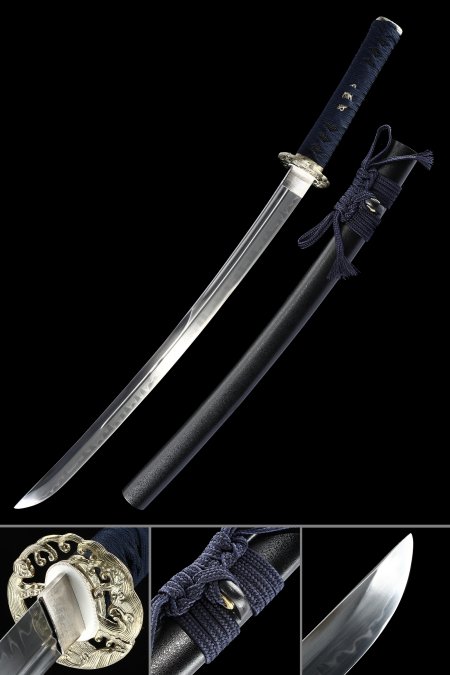
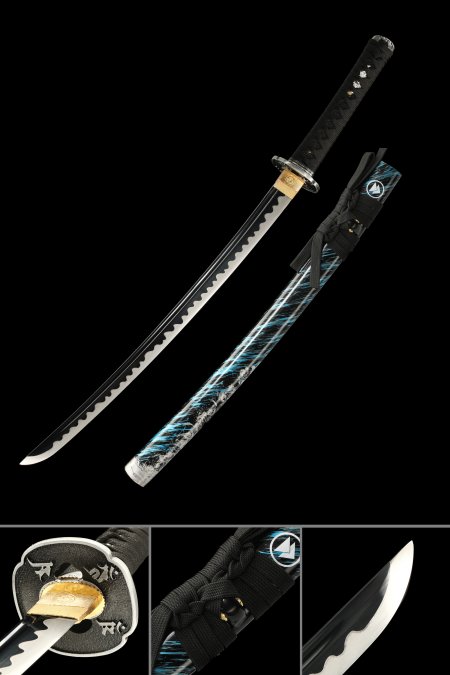
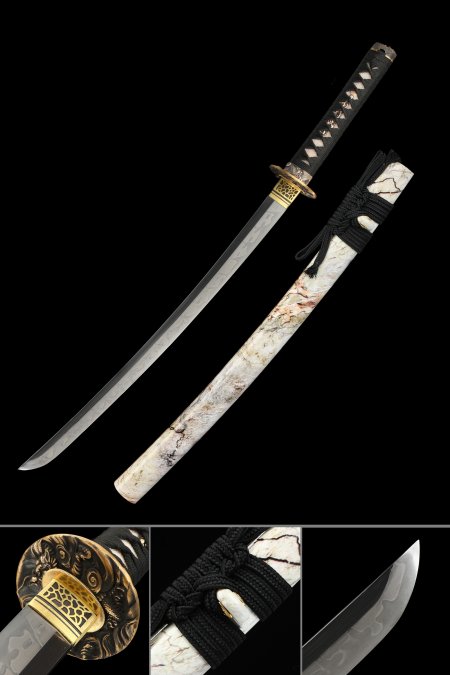
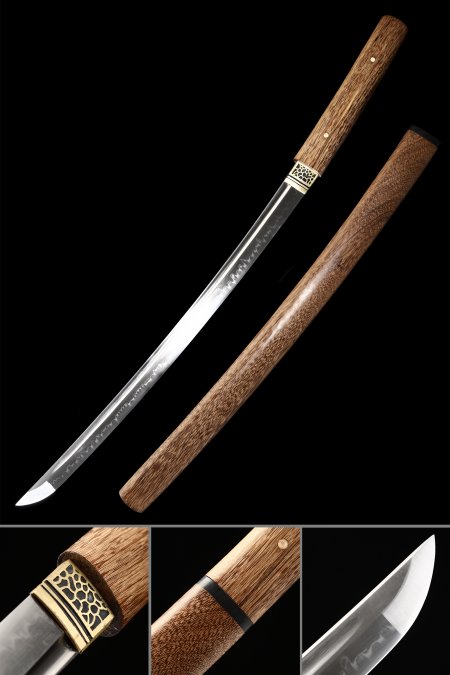
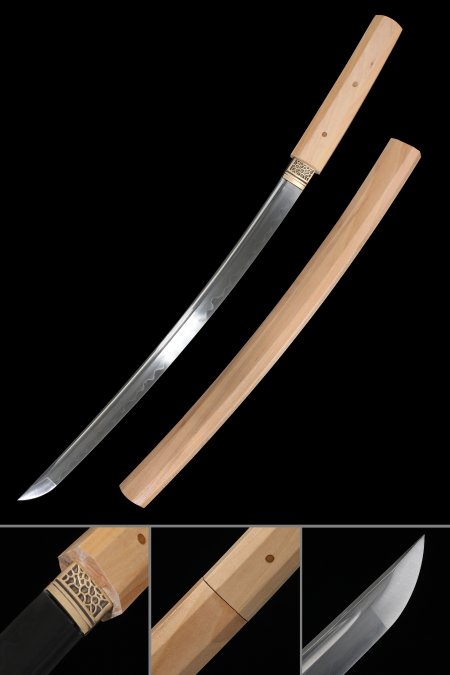
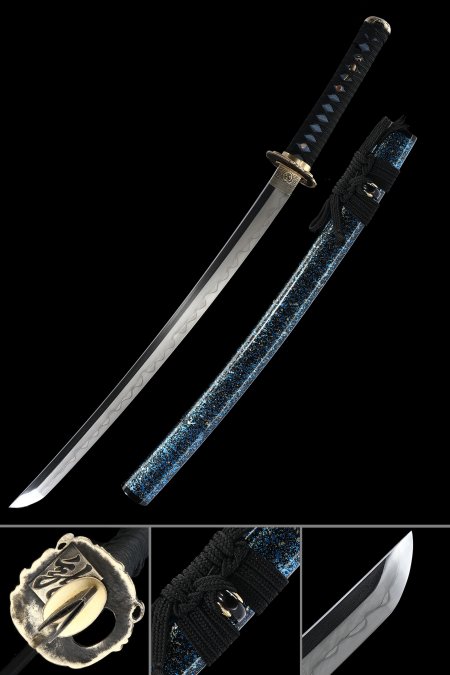
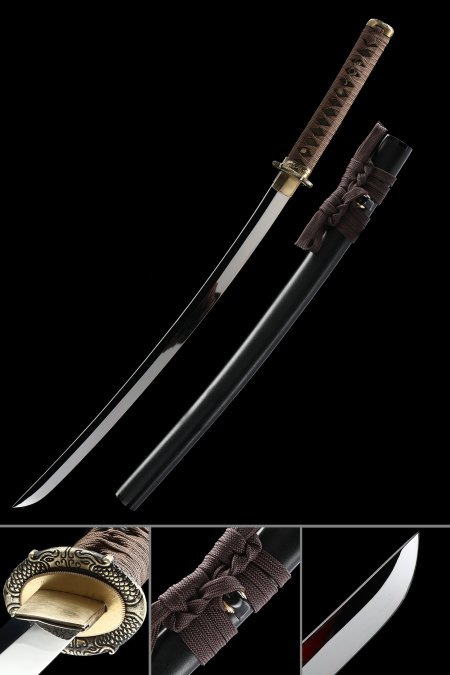
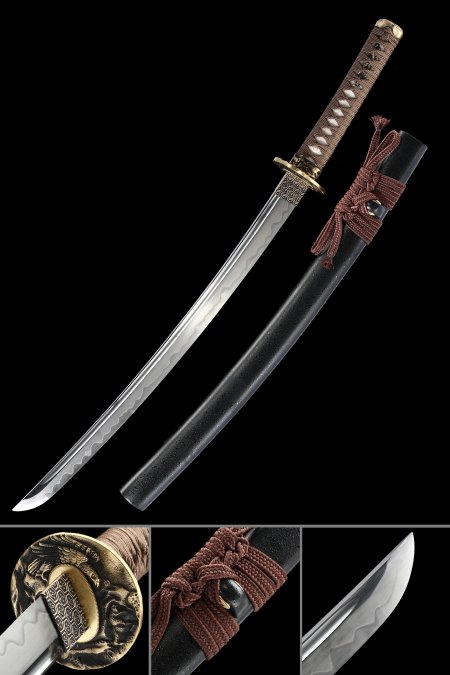
Browse our clay-tempered wakizashi collection - hand-forged Japanese wakizashi in T10 clay-tempered carbon steel with genuine hamon and full-tang construction across natural-wood, black, and vivid color configurations. Clay-tempered wakizashi present the traditional Japanese differential hardening process in the companion blade format. Free US shipping and hassle-free returns included.
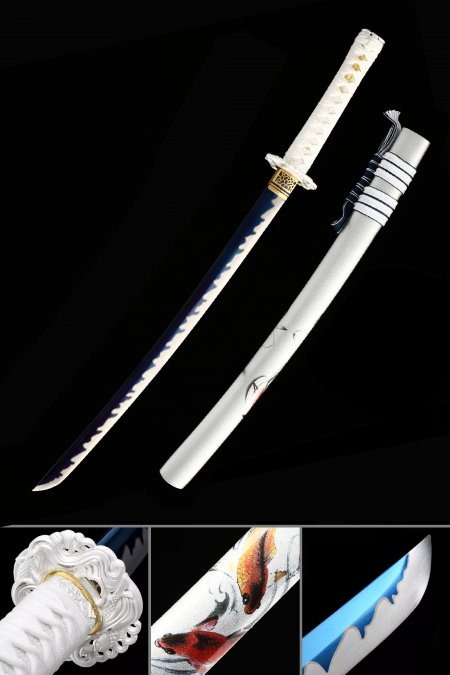
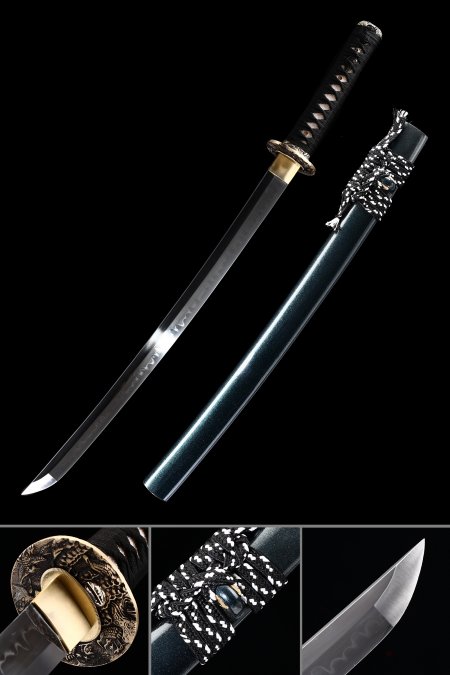
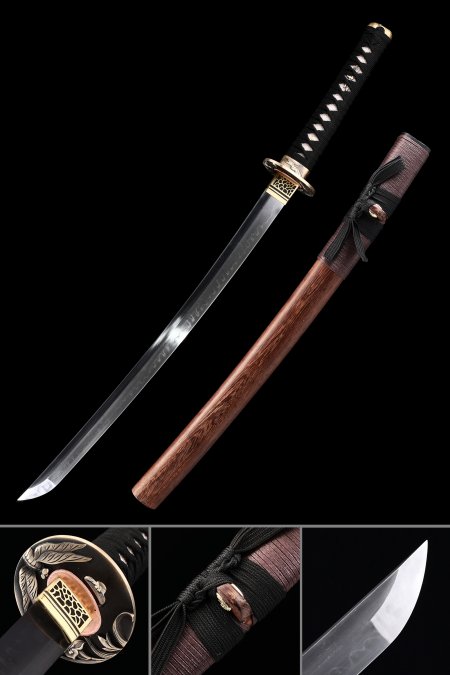
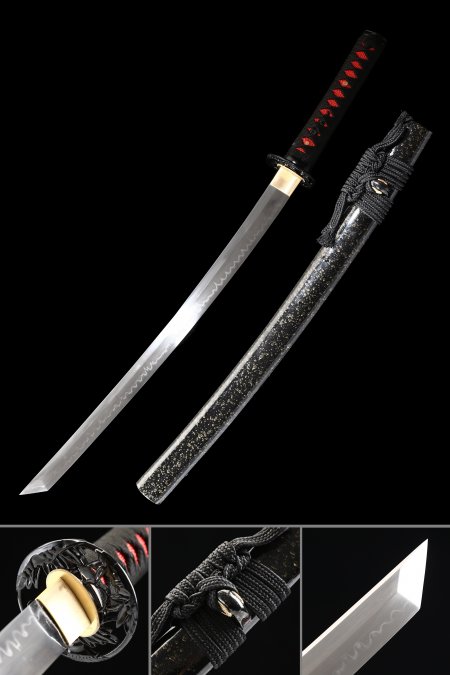
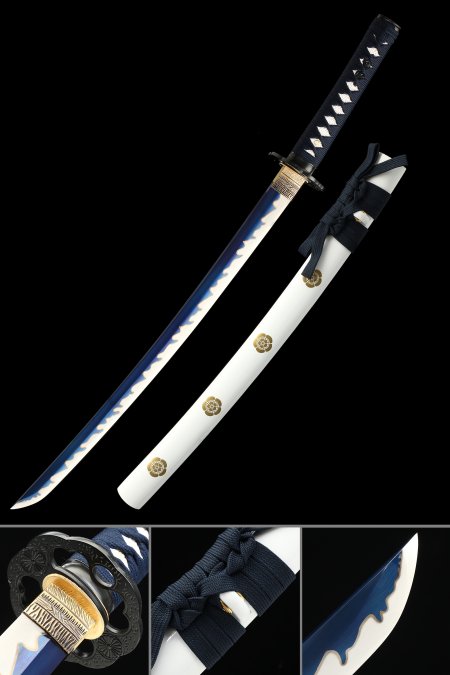
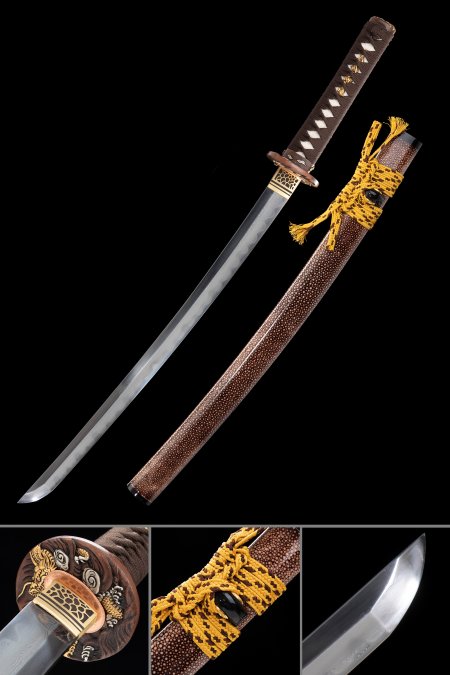
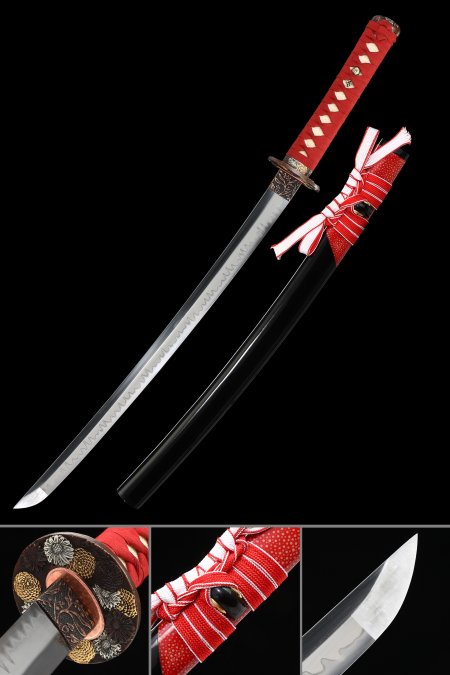
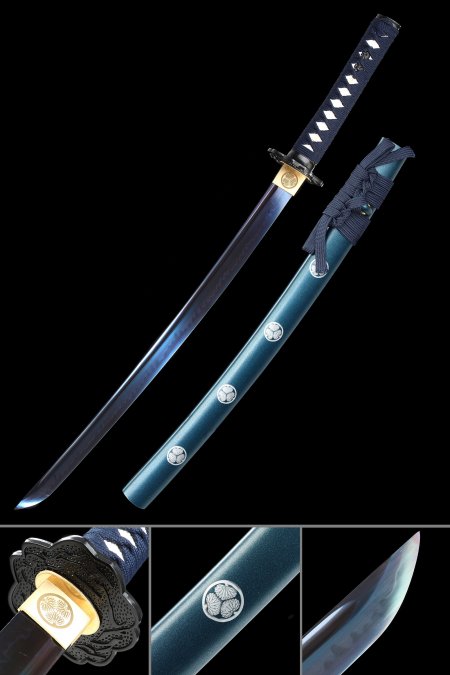
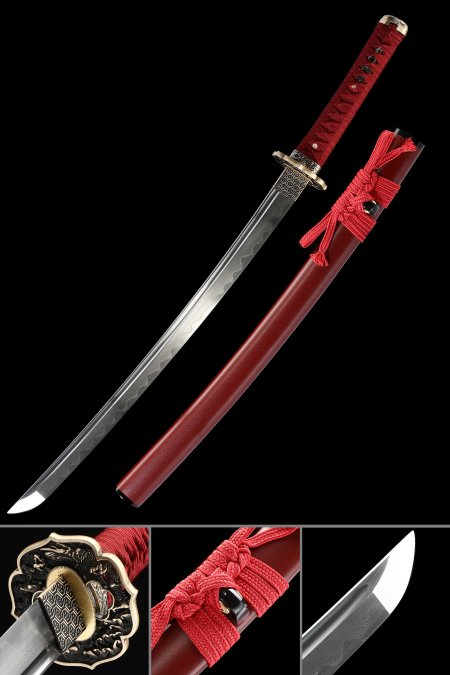
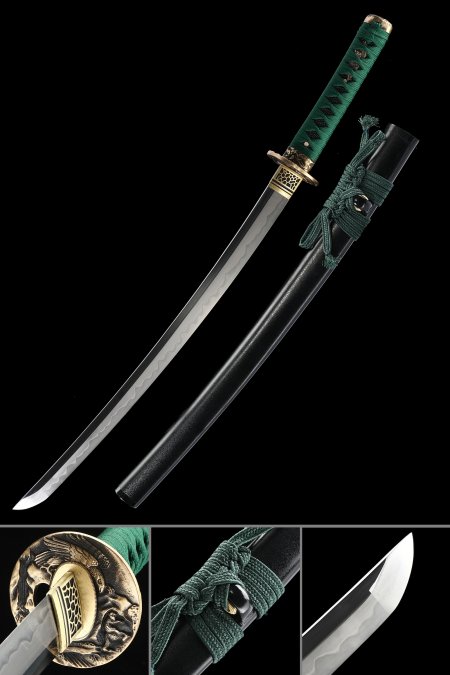
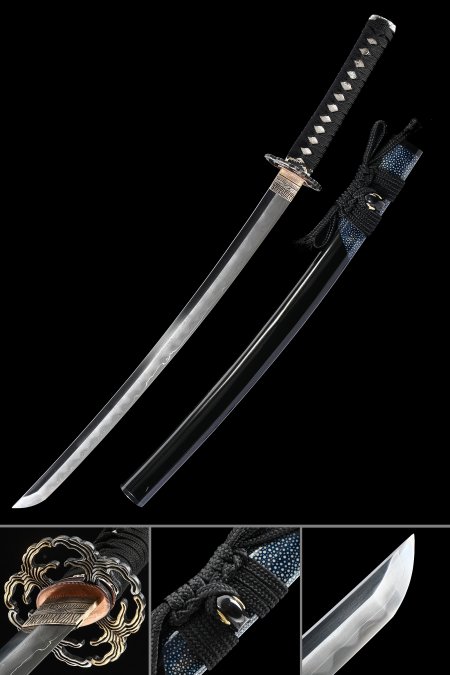
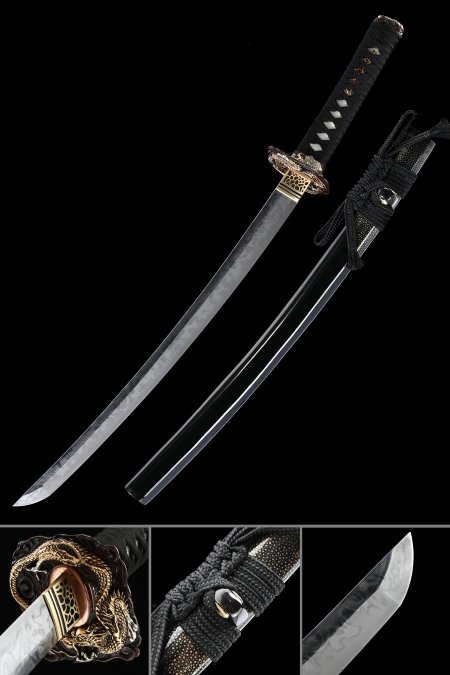
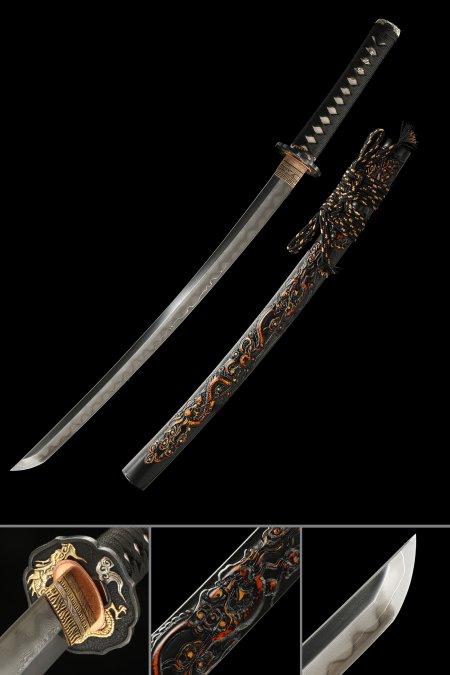
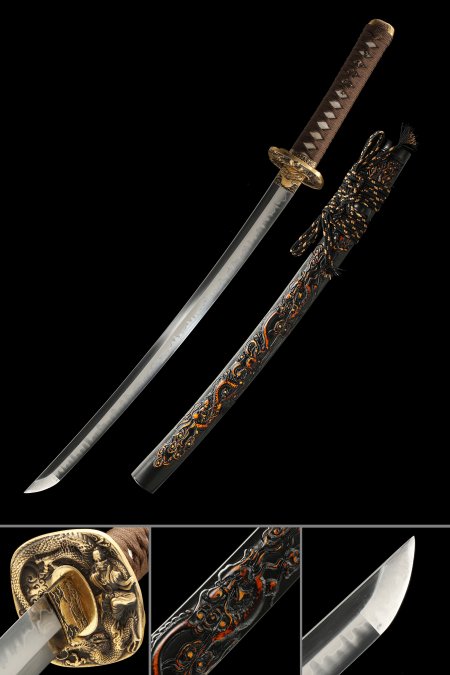
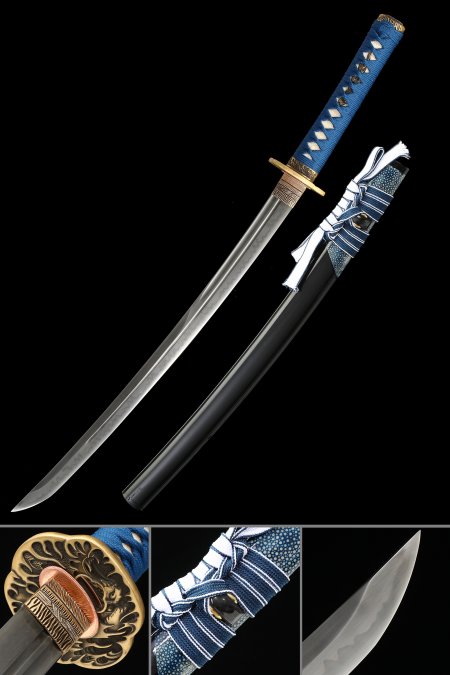
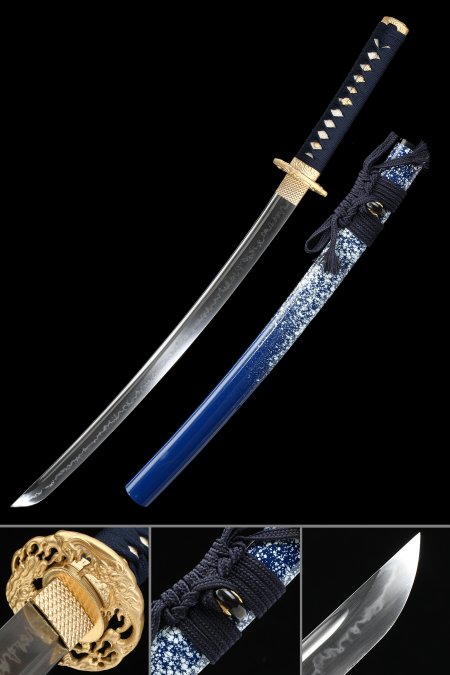
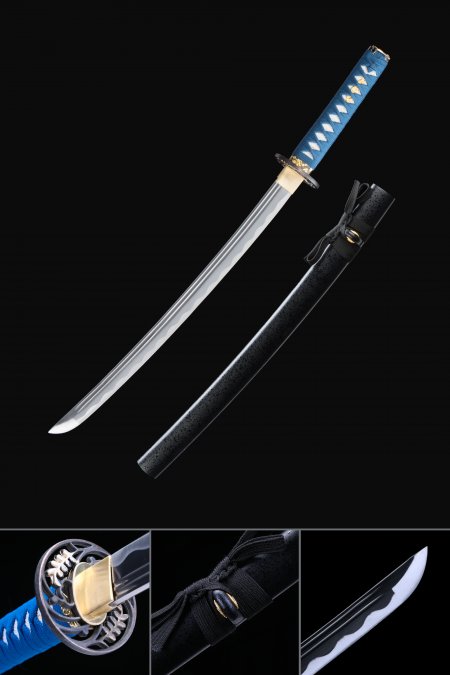
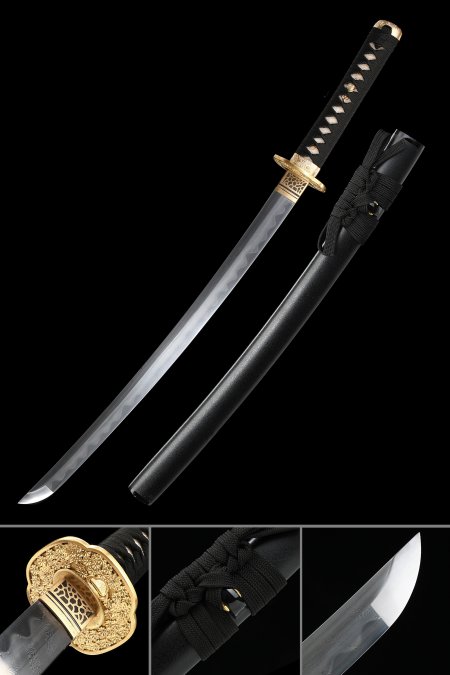
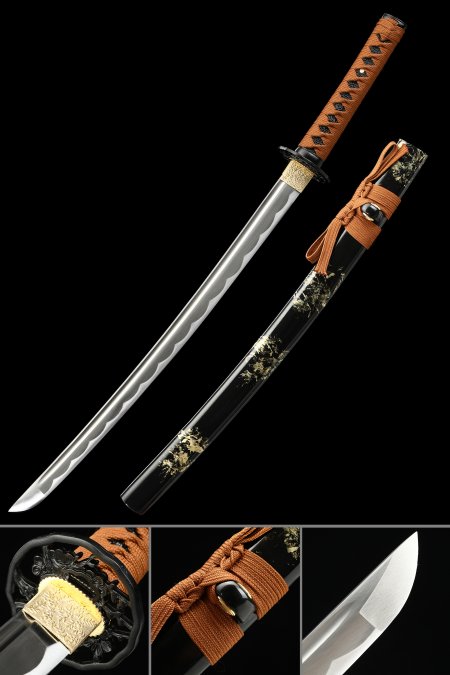
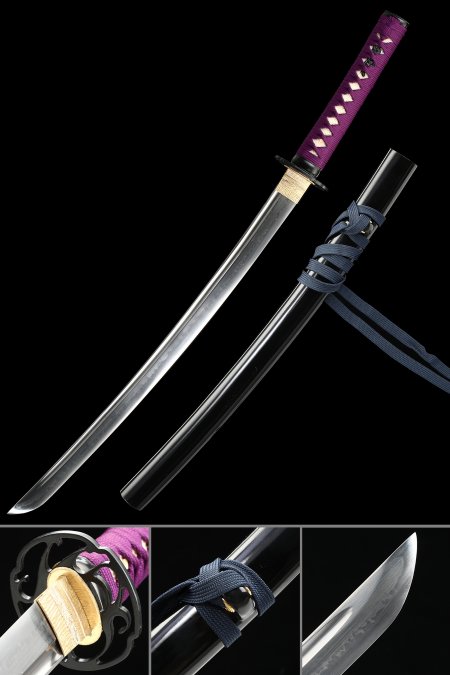
Super cool sword. Feels relatively sturdy. The fittings were a little messy, I had to file off some excess material but the blade is beautiful. I would say it's a pretty sword with good display value and it makes for some fun if you did want to cut softer objects with it. Although they have a long list of don't do's that's come with the blade. All in all I think the sword is well worth the price. The team is friendly and responds quickly. The shipping was quick as well.
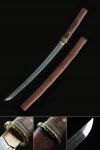 |
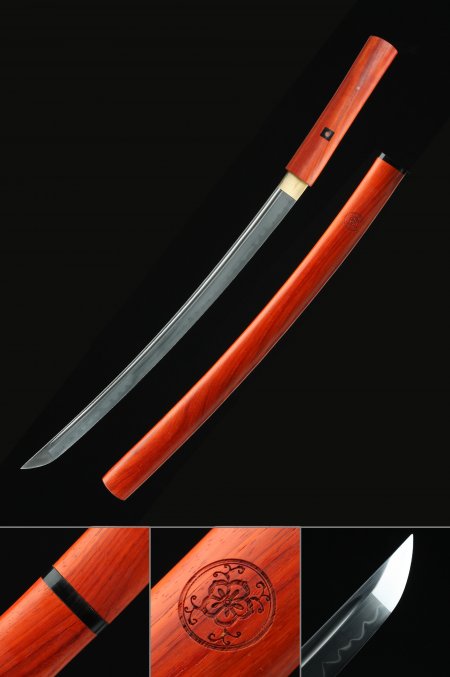
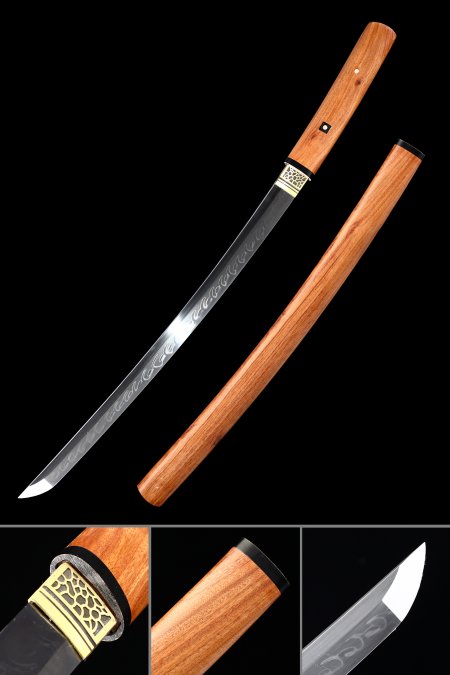
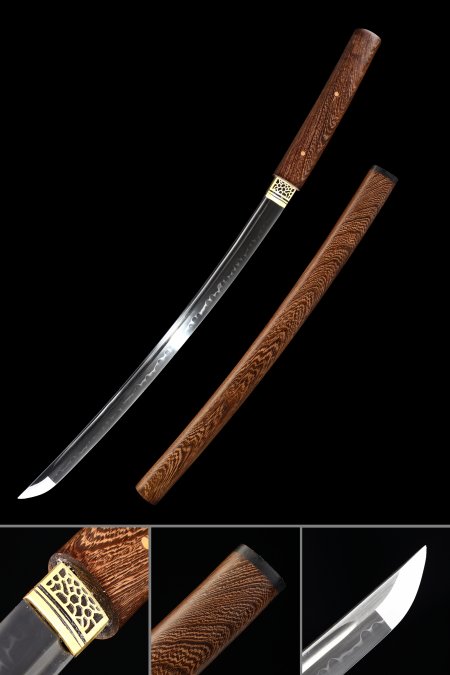
Damascus Steel Wakizashi with Natural Rosewood Saya and Gold Alloy Fittings - Folded Steel Collectible Sword |
absolutely beautiful a true work of art completed by a true craftsman
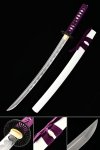 |
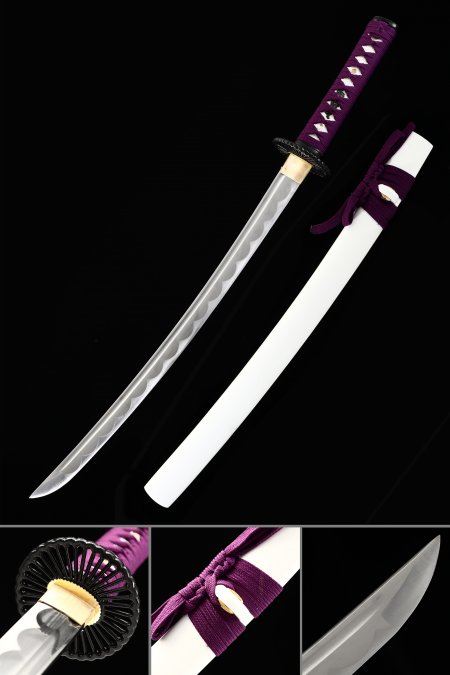
1045 Carbon Steel Wakizashi Sword Full Tang with Purple Tsuka Wrap and White Piano Lacquer Saya |
So far the wrapping is holding, and the blade and saya quality is nice. Feels really balanced in one hand; good for Niten Ichi Ryu
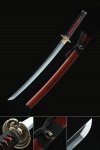 |
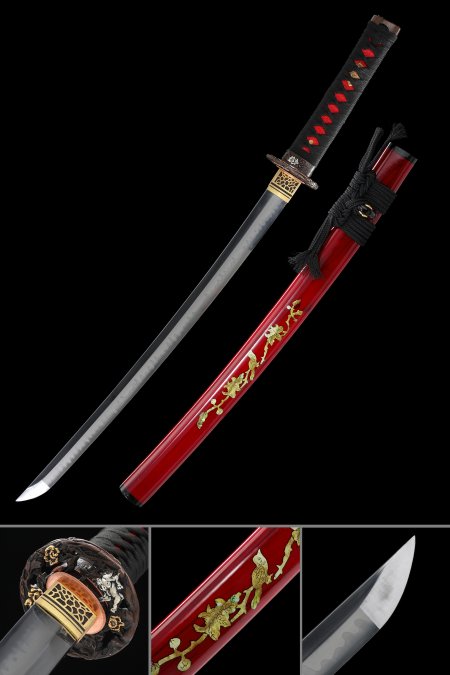
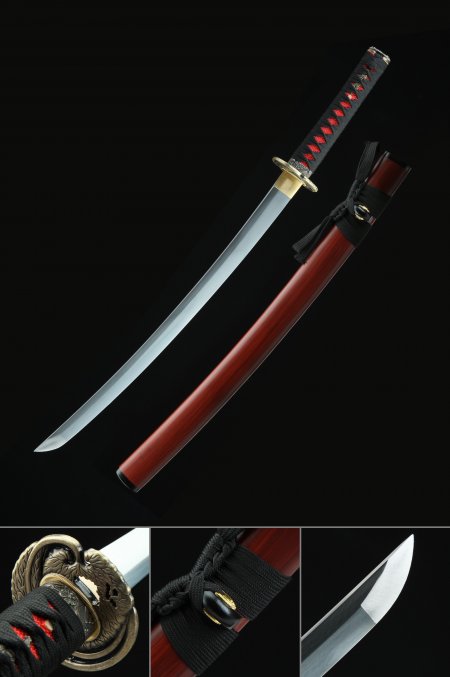
Manganese Steel Wakizashi with Dark Red Piano Lacquer Saya and Flower Alloy Tsuba in Black-Red Ito |
My third purchase from TrueKatana, and I'm every bit as happy with it as the other two. Everything is perfect: the Balance, the edge, the aesthetics. This was my first wakizashi. I'll be shopping for more later.
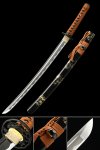 |
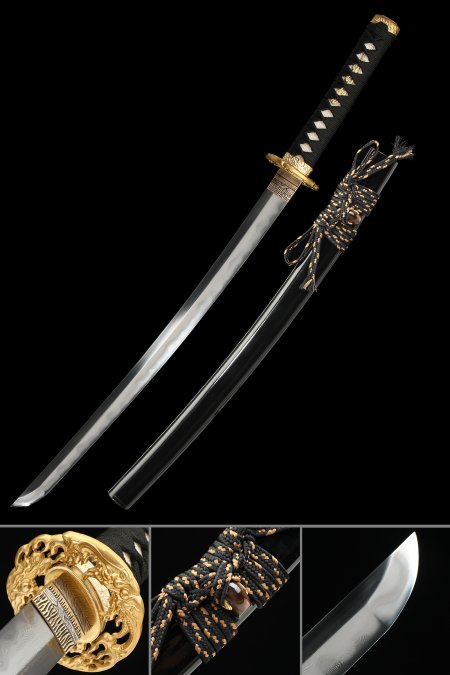
1060 Carbon Steel Wakizashi with Black Lacquer Saya - Orange Ito, Chrysanthemum Tsuba, Gold Vine |
My Sword came fast and it's a nice looking sword. I might buy more in the future. Thank you TrueKatana
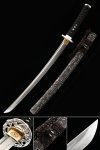 |
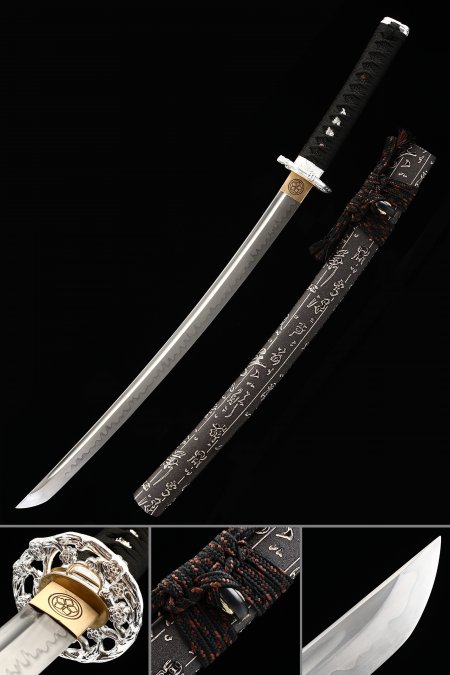
T10 Clay Tempered Wakizashi with Real Hamon and Silver Floral Tsuba in Kanji Engraved Black Saya |
really nice wakizashi. sharpens right up. looks great on it's stand. well packed, on time, as advertised.recommended.
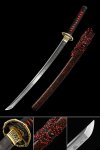 |
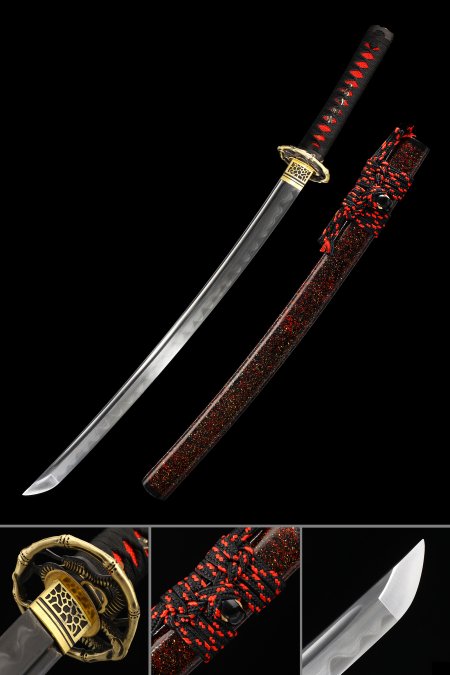
1000 Layer Folded Steel Japanese Wakizashi with Real Hamon - Red Sparkle Saya and Brass Snake Tsuba |
I've bought 3 swords: katana, tanto and wakuzishi from Truekatana. Very happy with service and quality. Would recommend to anyone.
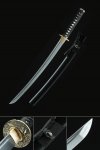 |
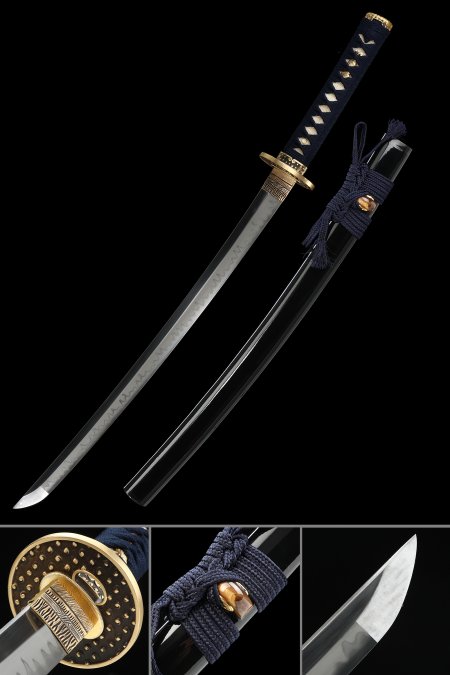
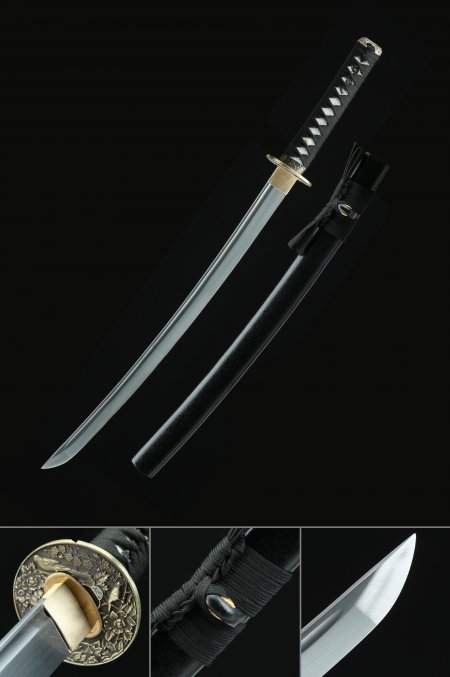
Manganese Steel Wakizashi Sword With Black Piano Lacquer Saya And Floral Bird Tsuba |
Great sword, amazing value, helpful customsr service.
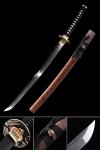 |
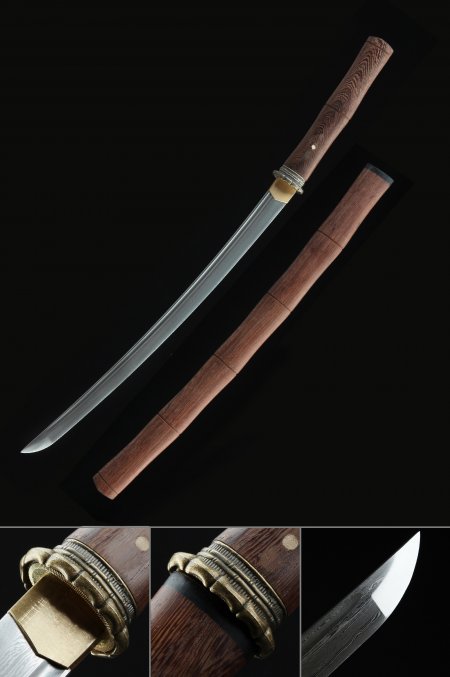
T10 Folded Clay Tempered Wakizashi Sword with Real Hamon in Brown Rosewood Saya and Copper Tsuba |