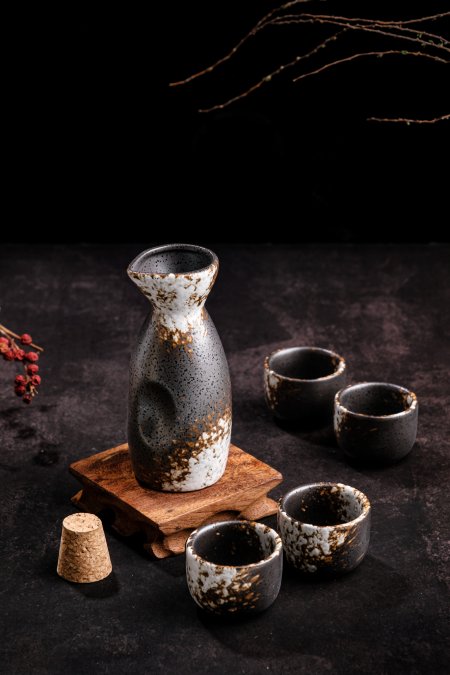
Bronze Japanese Sake Set
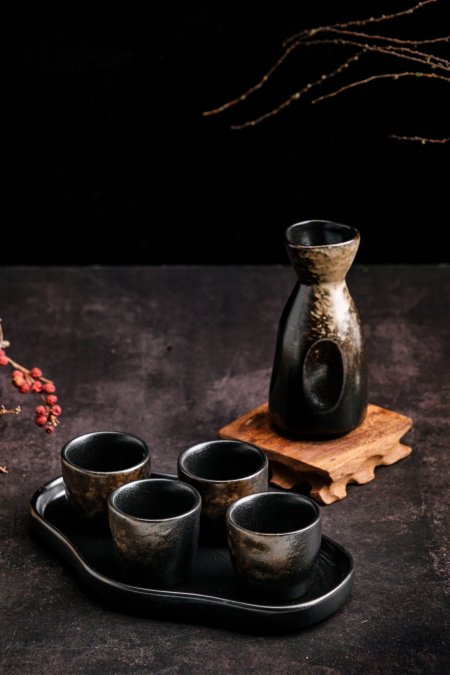
A Bronze Japanese Sake Set brings centuries of ritual elegance to the modern collector's shelf. Each carafe and cup in our curated selection showcases the warmth of antique bronze finishes, hand-finished details, and forms rooted in traditional Japanese ceremony. These sets make exceptional display pieces, thoughtful gifts, and meaningful additions to any Japanese arts collection. Enjoy free shipping on qualifying orders, with hassle-free returns for your peace of mind.
Related Collections
Frequently Asked Questions
What makes bronze a distinctive material for sake sets?
Bronze has been used in East Asian ceremonial objects for over three millennia, prized for its durability, workability, and the rich visual depth it develops over time. Unlike ceramic glazes or lacquer finishes, bronze develops a natural patina as it ages — a gradual darkening and surface variation that makes each piece increasingly unique. For collectors, this living quality is a significant draw. A bronze sake set displayed over years will look more nuanced and characterful than it did when new, which aligns with the Japanese aesthetic concept of wabi-sabi. The weight and density of bronze also give these sets a satisfying physical presence that lighter materials simply cannot replicate.
How does a bronze sake set differ from a ceramic one?
Ceramic sake sets, particularly those in the Tokoname or Arita traditions, prioritize glaze artistry, color variation, and a certain fragility that signals refined restraint. Bronze sets, by contrast, emphasize permanence, metallic warmth, and an antique aesthetic that reads as more architectural and sculptural. Ceramic sets tend to be the choice for active use in tea or sake ceremony contexts, while bronze sets are more commonly collected for display and cultural appreciation. If you are building a Japanese arts collection where visual cohesion and material durability matter, bronze offers a more robust and visually commanding presence on a shelf or cabinet.
How should I care for a bronze sake set on display?
For display purposes, the primary concern is preventing unwanted surface corrosion beyond the desirable natural patina. Keep your bronze sake set away from high-humidity environments such as bathrooms or poorly ventilated spaces. Dust regularly with a soft, dry cloth — avoid abrasive materials that can scratch the finish. If the surface develops uneven oxidation you find unattractive, a light application of Renaissance Wax or a specialized metal conservation wax can stabilize the patina and protect the surface without altering its aged appearance. Avoid harsh chemical cleaners, as these strip the patina that gives antique-finish bronze its visual character. Store in a display cabinet when not prominently exhibited to minimize dust accumulation.
Is a sake set a good gift for someone who collects Japanese art?
A bronze sake set is an excellent gift choice precisely because it bridges the gap between decorative art and cultural artifact. For recipients who already collect Japanese pieces, it adds a functional ceremonial object with genuine historical resonance. For those newer to Japanese aesthetics, it serves as an accessible and visually striking entry point that doesn't require specialist knowledge to appreciate. Sets that include a ceramic tray or four matching cups feel particularly complete and gift-ready, requiring no additional accessories. The self-contained nature of a carafe-and-cup set also means it displays beautifully from day one, which matters when giving something intended to live on a shelf or in a curated space.
Can a bronze sake set be paired with other Japanese collectibles?
Absolutely, and thoughtful pairing significantly elevates the impact of any Japanese-themed display. Bronze as a material has a long and distinguished presence across multiple categories of Japanese decorative arts, from tsuba sword guards to incense burners to ritual vessels. A bronze sake set pairs naturally with other bronze-finished pieces to create a unified material palette. Collectors drawn to the metallic warmth of this collection may also find the Bronze Damascus Steel Tanto a complementary addition, as both share antique bronze aesthetics and a connection to classical Japanese craft traditions. Grouping objects by shared material tone or historical period creates displays that feel curated rather than simply accumulated.