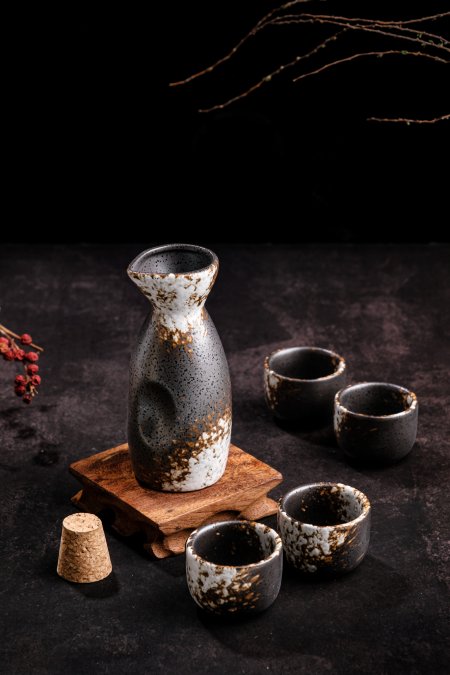
Bronze Ceramics Japanese Sake Set
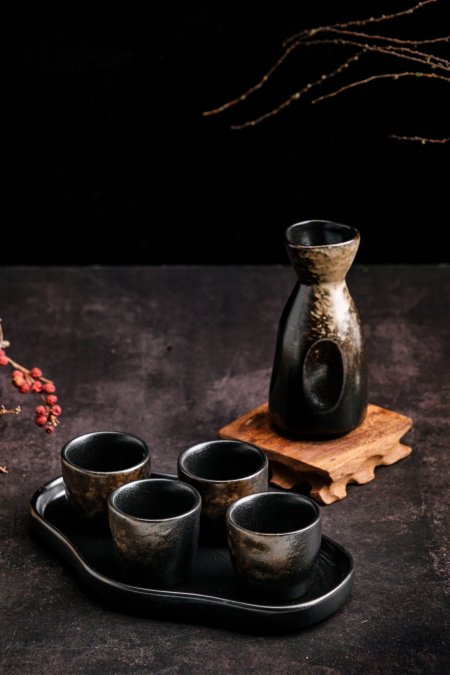
Steeped in centuries of Japanese ceremony, our Bronze Ceramics Japanese Sake Set collection brings authentic craftsmanship to your table or display shelf. Each set pairs a hand-thrown ceramic carafe with perfectly matched cups, finished in warm bronze glazes that evoke the earthy elegance of traditional Japanese aesthetics. Whether you're building a curated collection or seeking a sophisticated gift for an enthusiast, these sets are crafted to impress. Enjoy free shipping on your order, and shop with confidence knowing returns are always hassle-free.
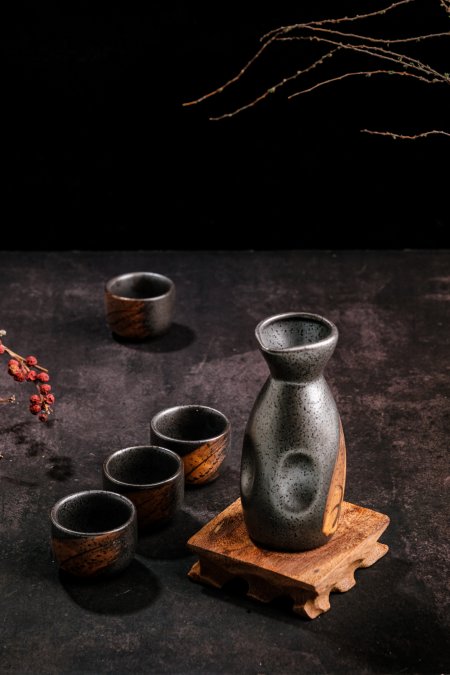
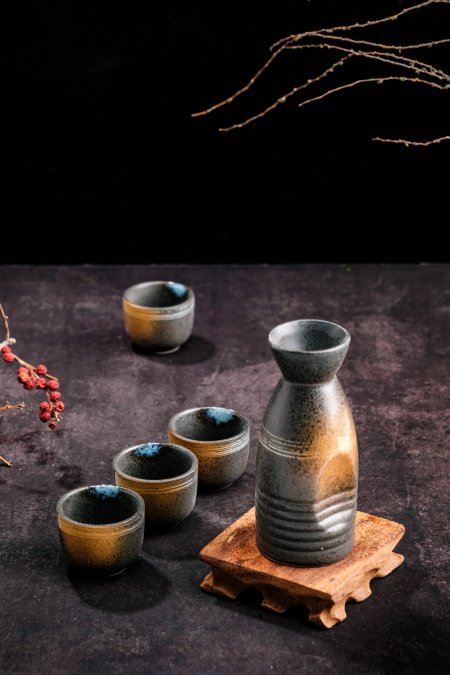
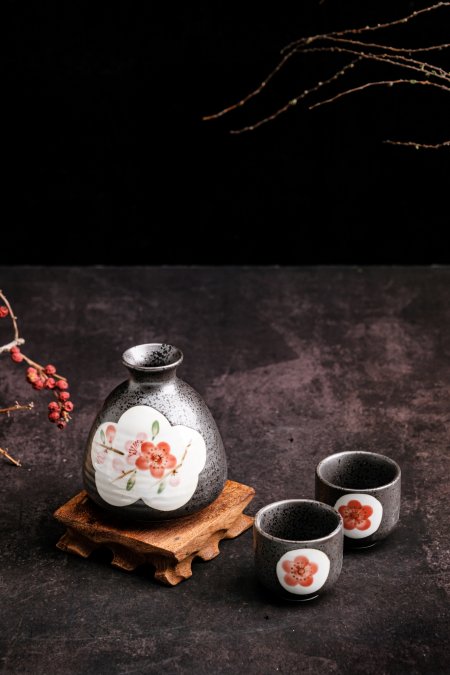
Related Collections
Frequently Asked Questions
What makes bronze ceramic glaze different from painted finishes?
Bronze ceramic glaze is created by introducing specific mineral oxides — typically iron, manganese, or copper compounds — into the glaze slurry before the piece enters the kiln. During firing at high temperatures, these minerals fuse permanently into the glass-like glaze layer, producing the characteristic warm, metallic-brown tone from within the surface itself. Painted or decal finishes, by contrast, sit on top of an already-fired glaze and are far more susceptible to chipping, fading, and peeling with regular handling. The practical difference for a collector is significant: a genuine bronze glaze piece will not show wear lines or color loss at high-contact areas like the rim or base, and the surface actually gains subtle depth as it ages. It is one of the more reliable indicators of quality in Japanese-inspired ceramics.
How does a tokkuri carafe differ from a standard ceramic pitcher?
A tokkuri is purpose-designed for sake service in ways that distinguish it clearly from general-purpose pitchers. The defining feature is the narrow, elongated neck, which serves two functions: it controls pour speed, allowing a slow, deliberate stream that suits the small ochoko cups used in traditional service, and it reduces the surface area exposed to air, helping retain the temperature of warmed sake longer. The body of a tokkuri is typically round or slightly barrel-shaped to maximize internal volume relative to the narrow opening. Standard ceramic pitchers prioritize ease of filling and fast pouring — qualities that work against the slow, ceremonial rhythm of traditional sake service. For display purposes, the tokkuri silhouette is also distinctly Japanese and immediately legible as part of a cultural context, which adds to its value as a decorative collectible.
Are these sake sets suitable as display pieces in a Japanese-themed collection?
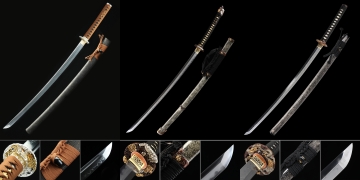
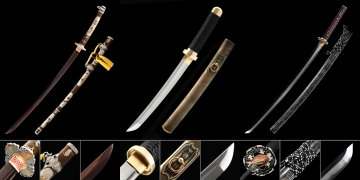
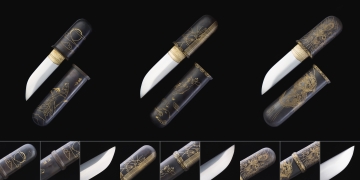
Absolutely. Bronze-glazed sake sets are a natural fit for a Japanese aesthetic display because the warm, oxidized tone of the glaze aligns visually with other materials common in Japanese decorative arts — aged wood, darkened iron, patinated bronze fittings, and lacquer. A coordinated set placed on a ceramic tray creates an immediately legible vignette that reads as both culturally specific and visually composed. These sets pair particularly well with blade collectibles finished in bronze or dark Damascus patterns; the shared color language creates cohesion across different object types. For shelf or cabinet display, grouping the carafe centrally with cups arranged symmetrically around it replicates the traditional presentation style and makes effective use of the set's visual hierarchy.
How should I store a ceramic sake set to preserve the glaze long-term?
The two main risks to a ceramic glaze over time are mechanical abrasion and thermal shock. To address abrasion, always store cups individually wrapped in soft cloth or separated by felt pads if stacking is unavoidable — direct ceramic-on-ceramic contact will eventually produce micro-scratches that dull the surface. The carafe should be stored upright to prevent pressure on the rim. Avoid storing in spaces with significant temperature swings, such as uninsulated garages or outdoor storage areas, as repeated thermal cycling can stress the glaze and, in worst cases, introduce fine crazing lines. For long-term display, a closed cabinet with moderate, consistent humidity is ideal. A light application of museum-grade microcrystalline wax on unglazed base areas can also help stabilize raw clay surfaces against moisture absorption in humid climates.
What is the difference between a 2-cup and a 4-cup sake set for gifting purposes?
The choice between a 2-cup and 4-cup configuration is largely a question of use context and gifting intent. A 2-cup set carries an inherently intimate symbolism in Japanese culture — two cups suggest a paired occasion, making it a natural fit as a gift for couples, anniversaries, or housewarming presents for two people. The smaller footprint also makes it easier to display elegantly in limited shelf space. A 4-cup set is better suited as a gift for a host who entertains small groups, or for a collector who values the fuller visual impact of a more complete service arrangement. From a display standpoint, four cups arranged symmetrically around a central carafe creates a more formally balanced composition. Neither configuration is inherently superior — the right choice depends on the recipient's lifestyle and how they are likely to use or display the piece.