FAST SHIP
Free Shipping
179.00 USD
ON SALE! 15% OFF
Was: 209.00 USD

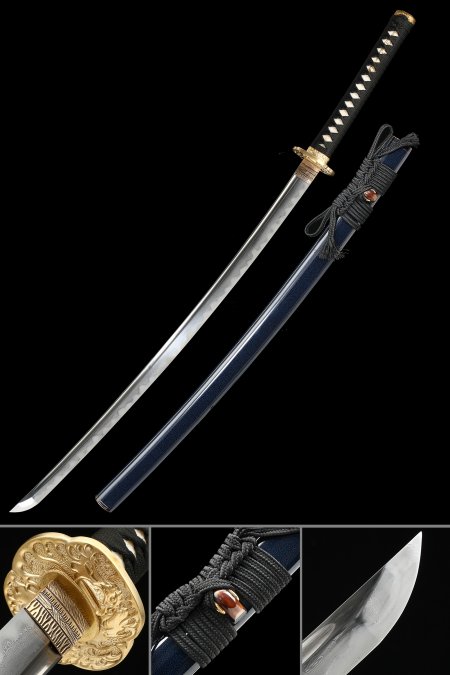
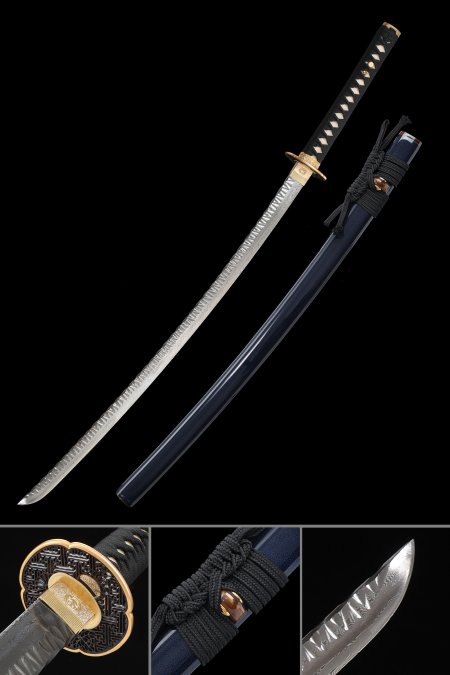
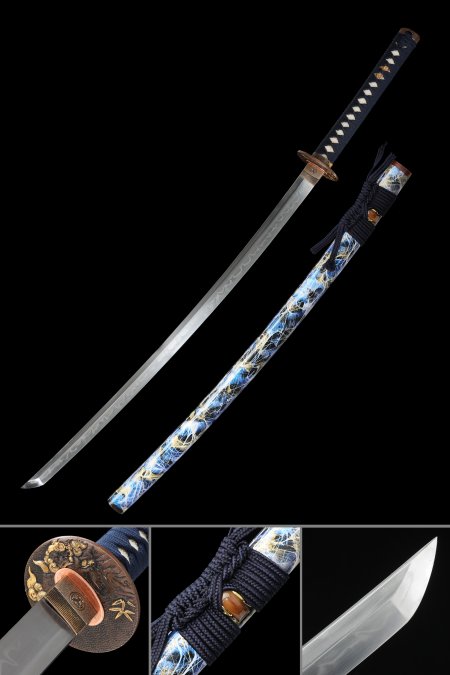
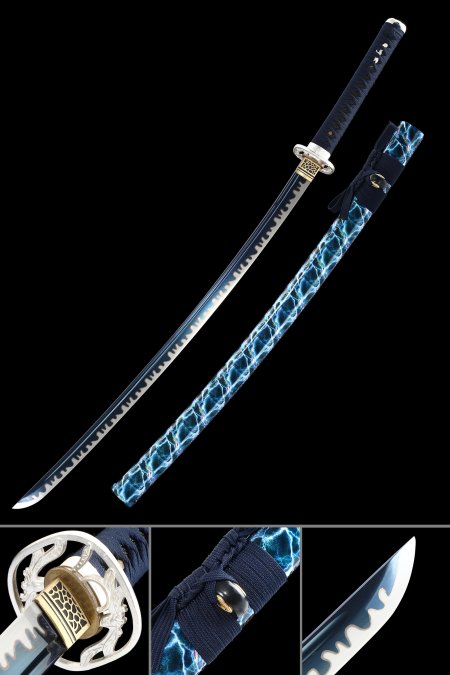
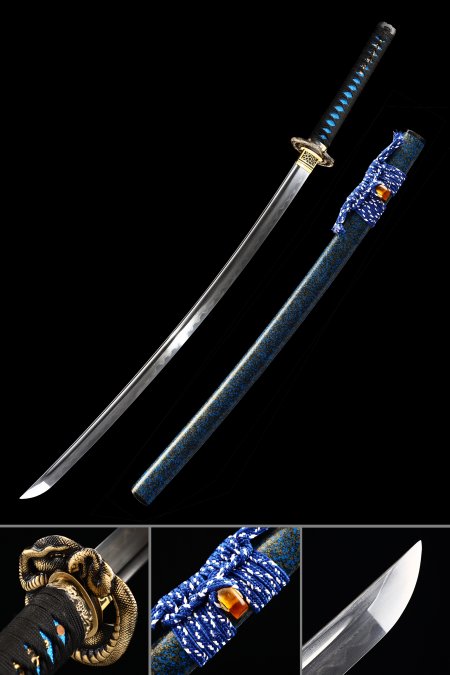
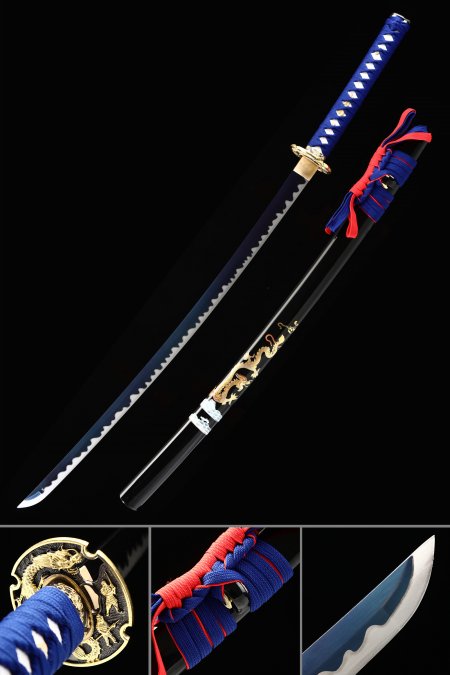
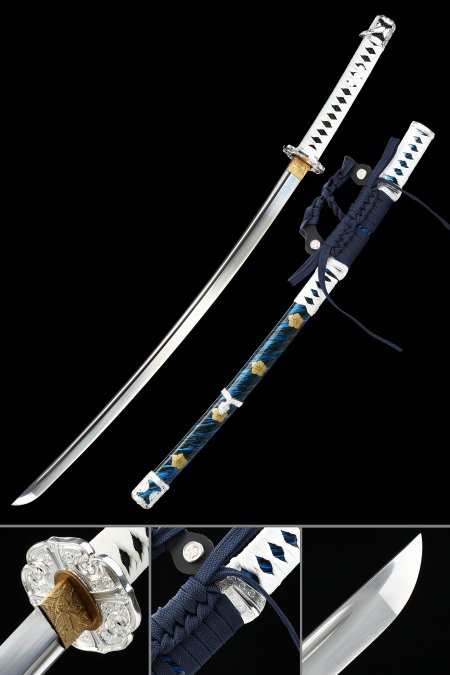
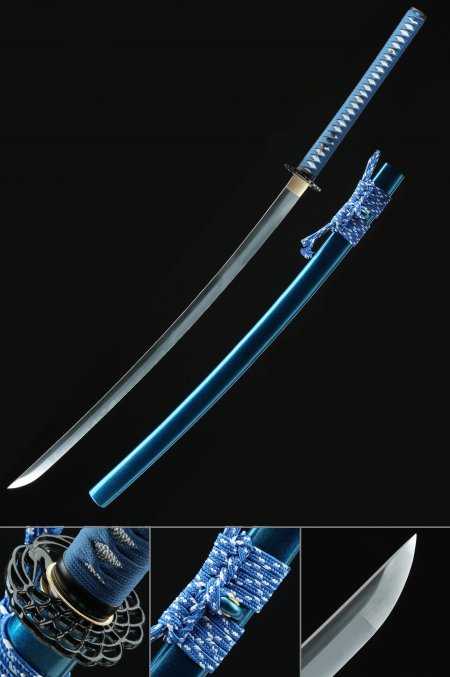
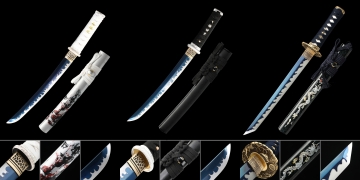
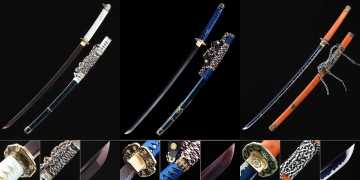
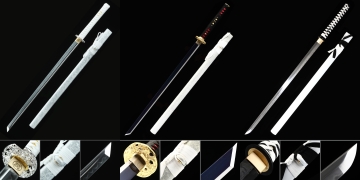
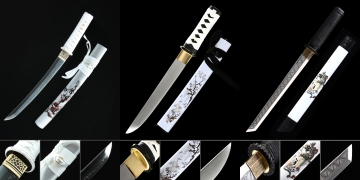
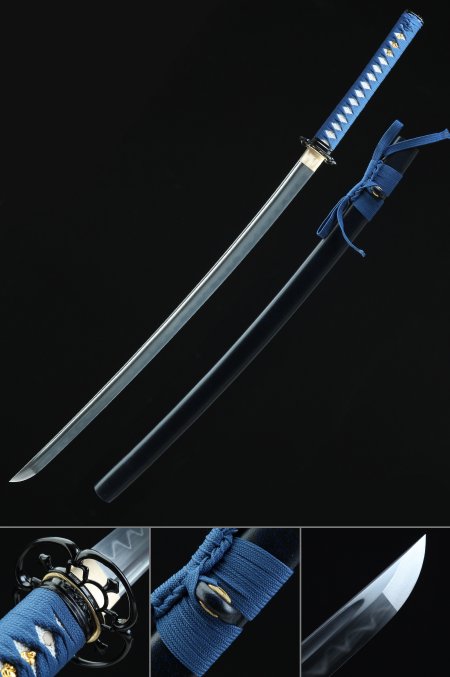
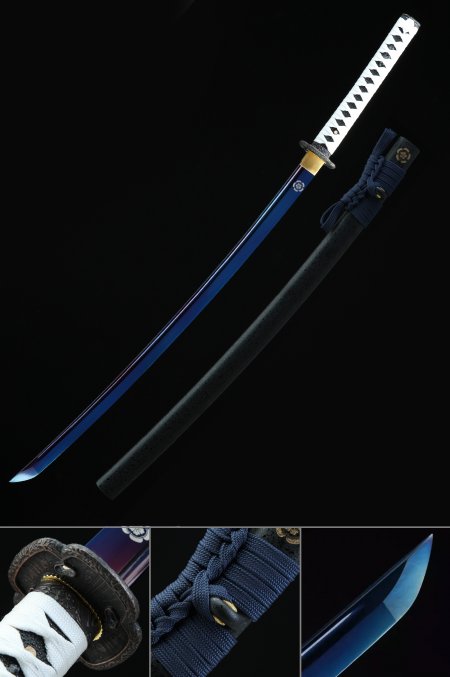
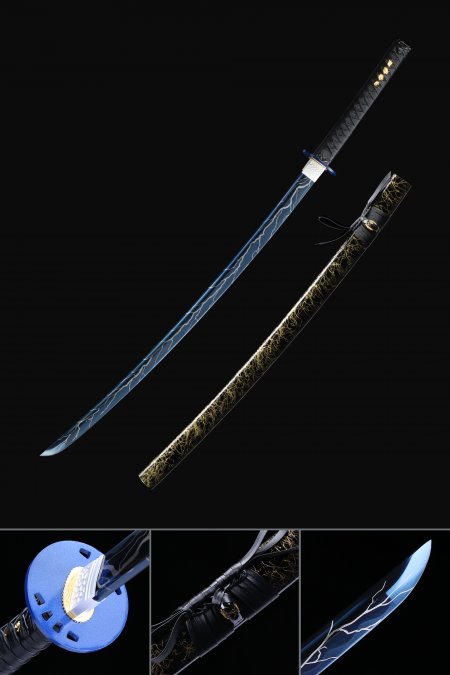
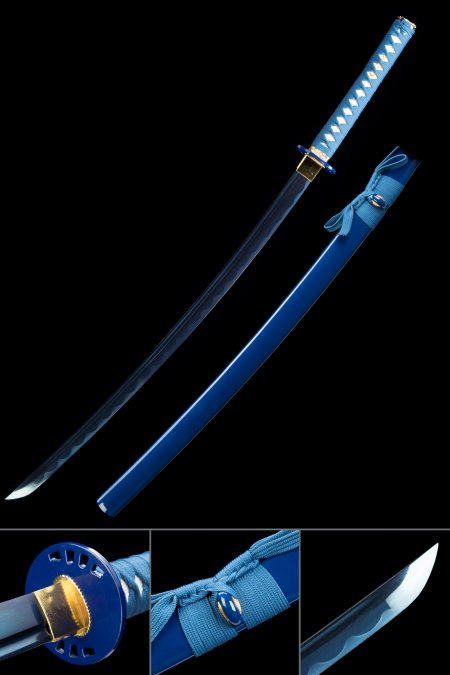
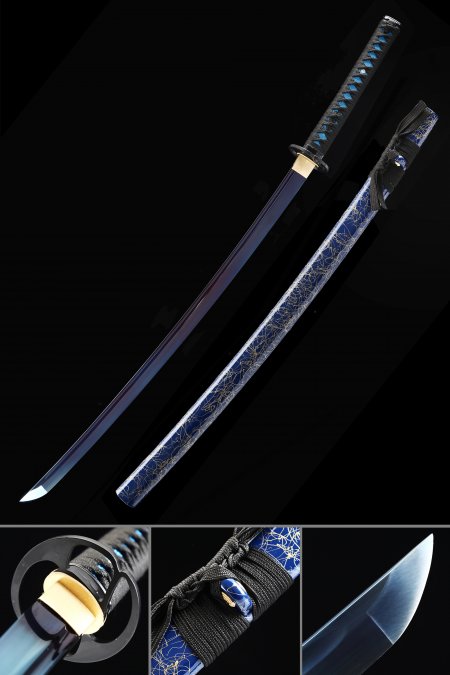
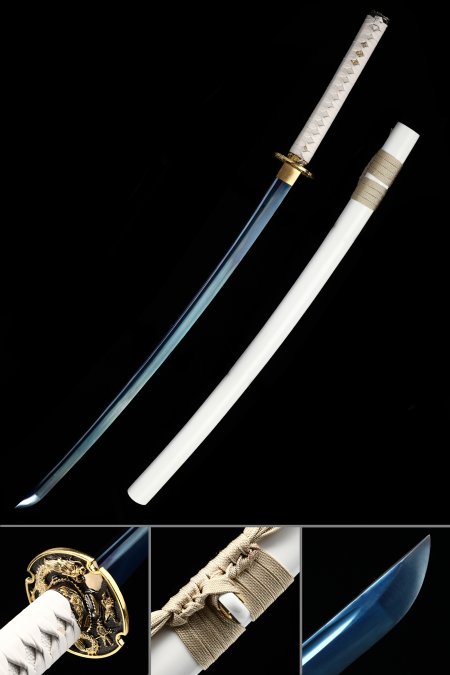
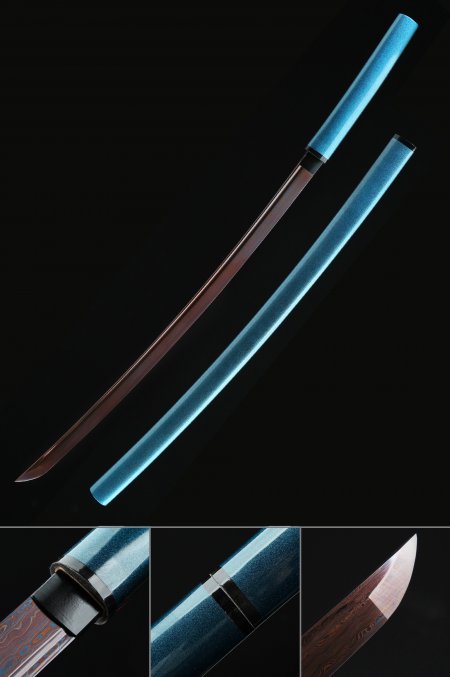
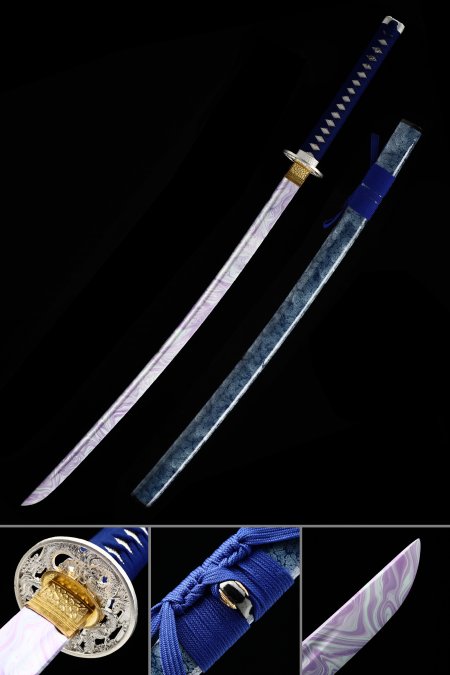
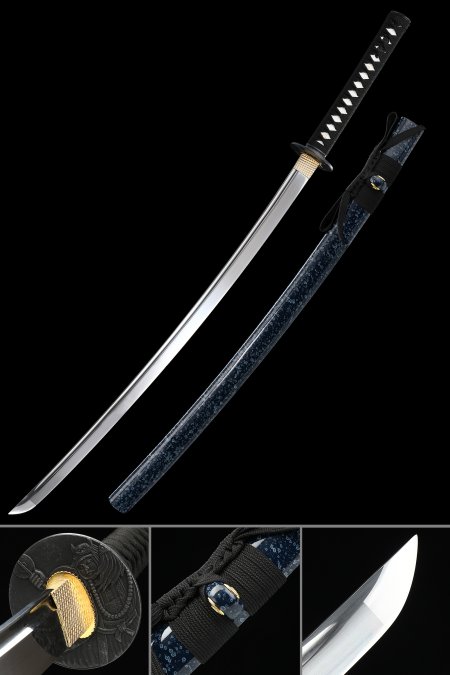
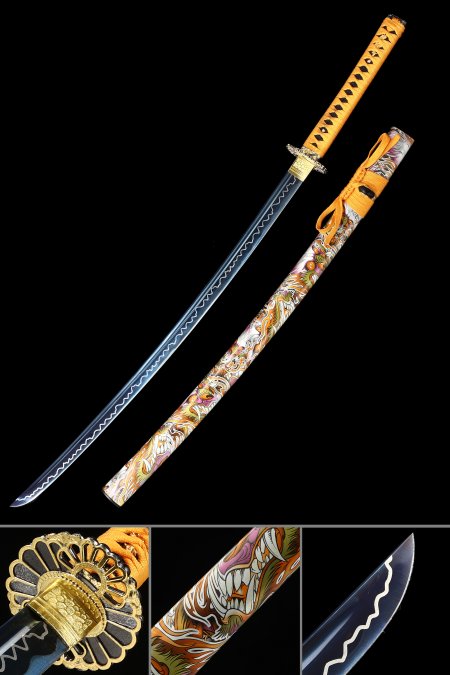
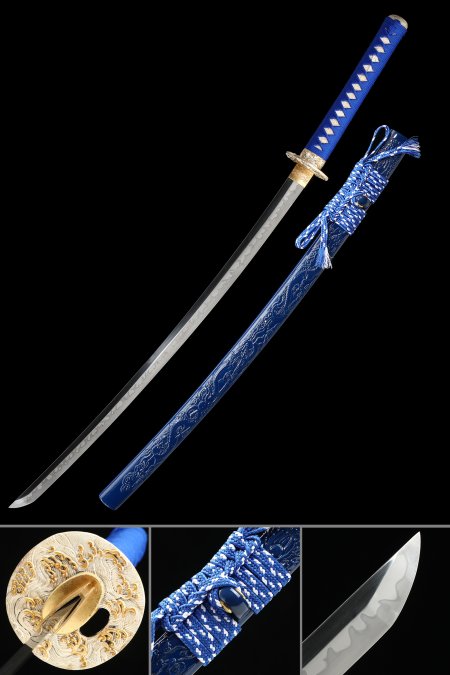
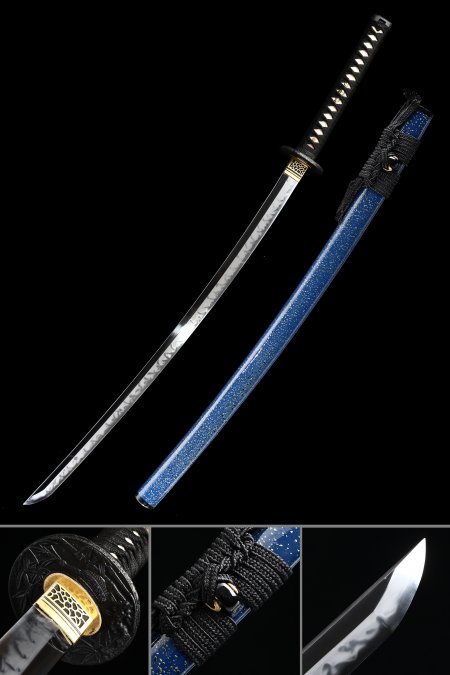
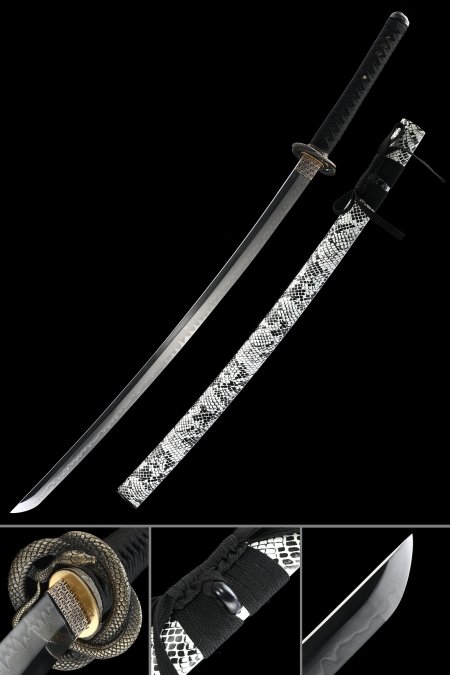
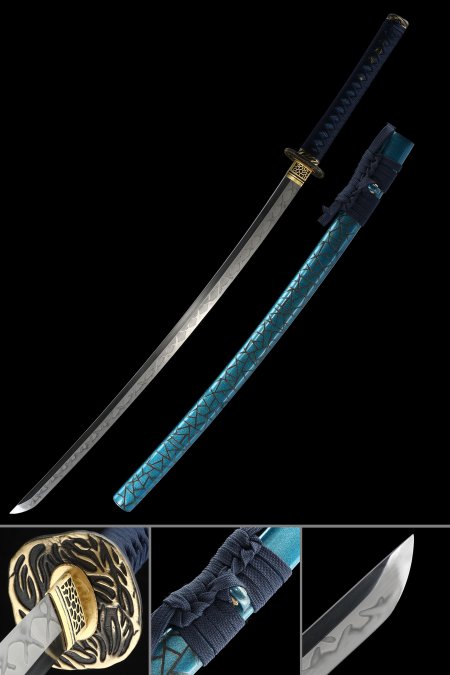
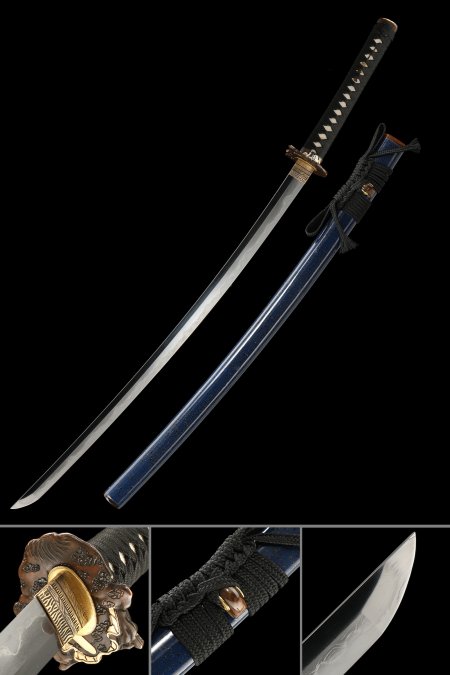
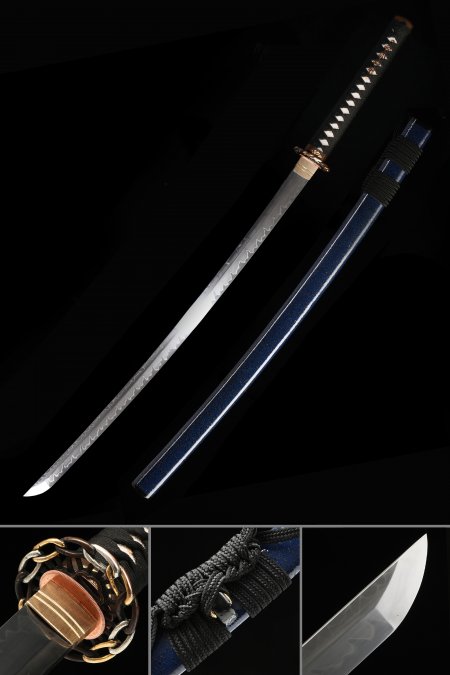
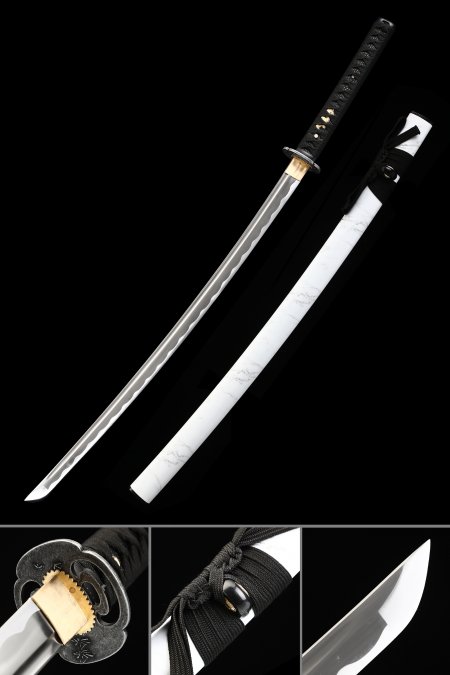
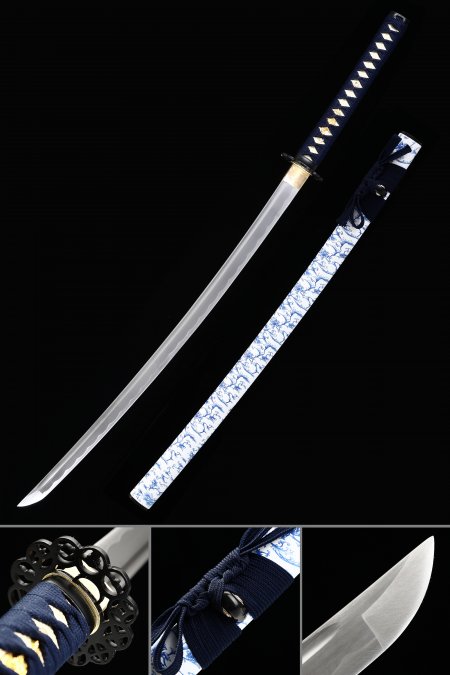
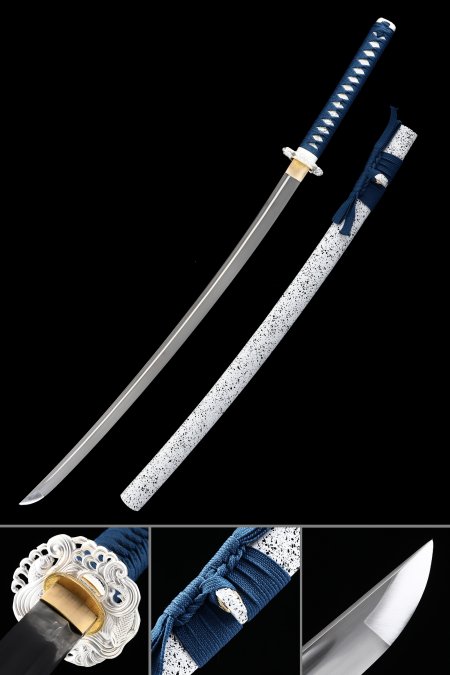
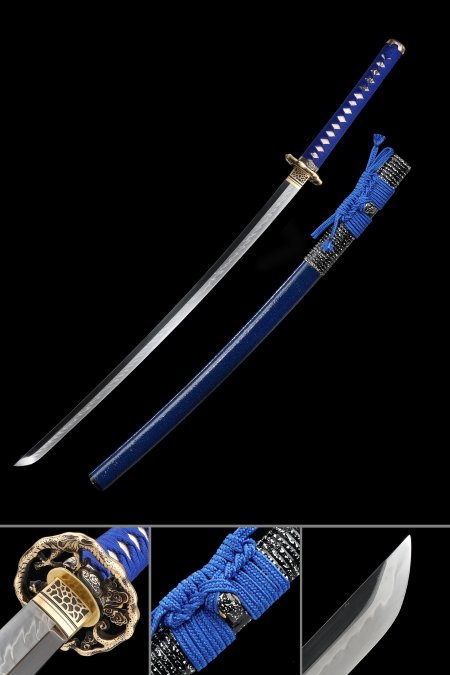
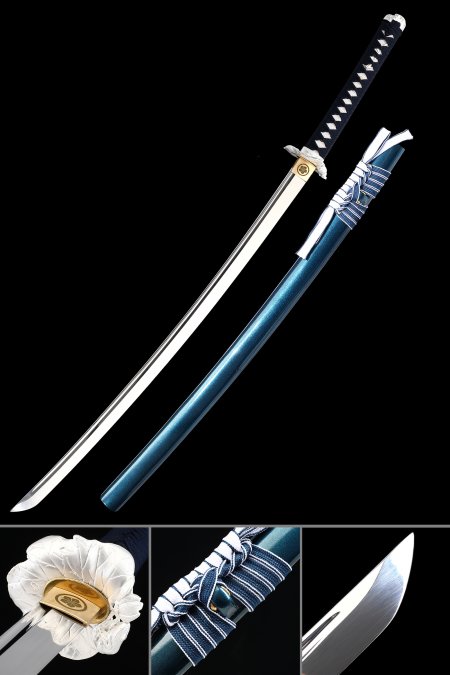
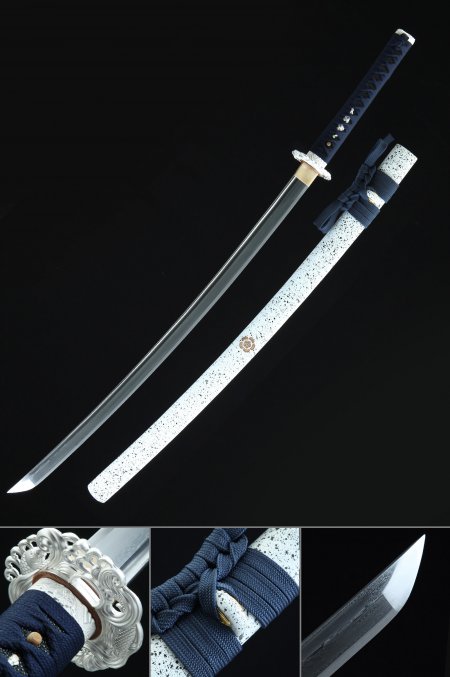
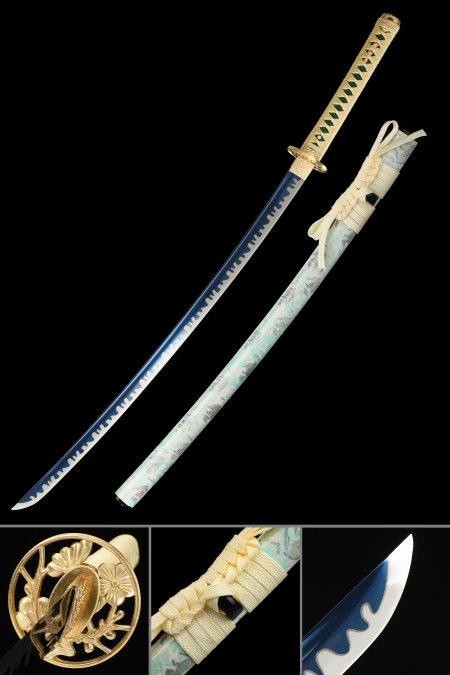
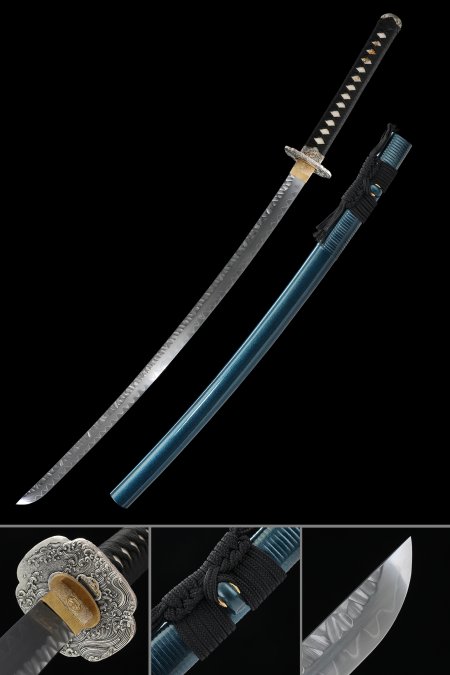
Explore our Blue and White Katana collection — hand-forged Japanese swords that pair cool blue tones with crisp white accents across blades, saya, and tsuka-ito. Each piece showcases authentic craftsmanship in carbon steel, T10, and Damascus varieties, finished with lacquered scabbards and detailed alloy tsuba. Free shipping and hassle-free returns on every order.
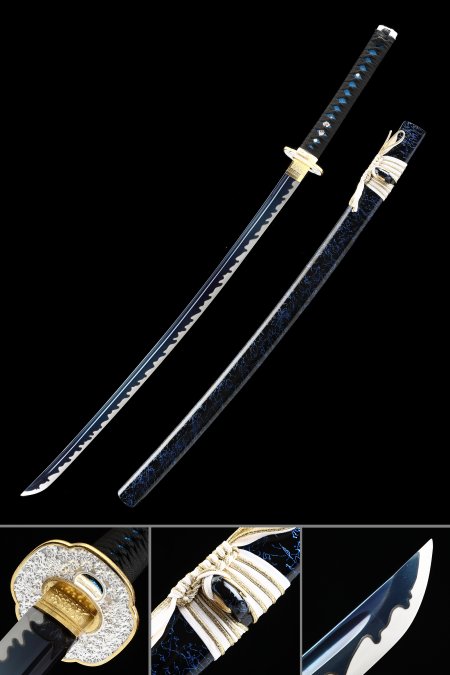
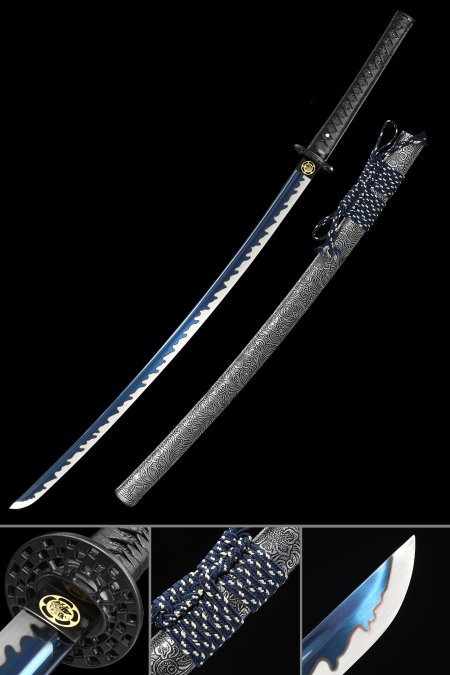
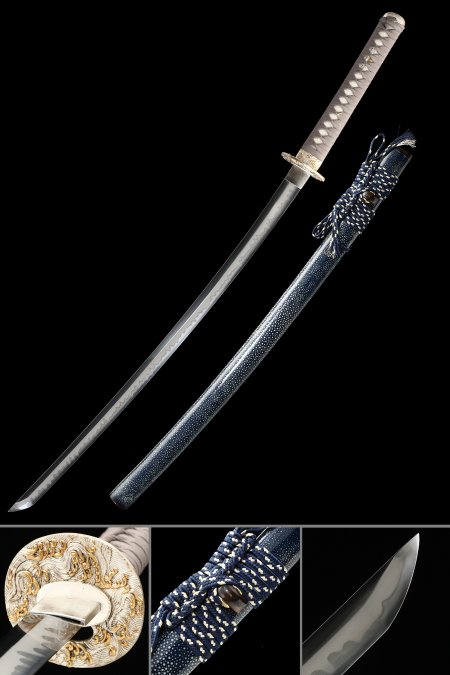
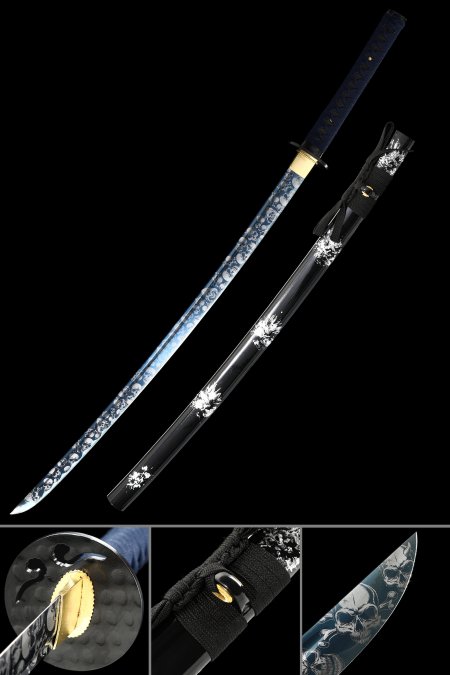
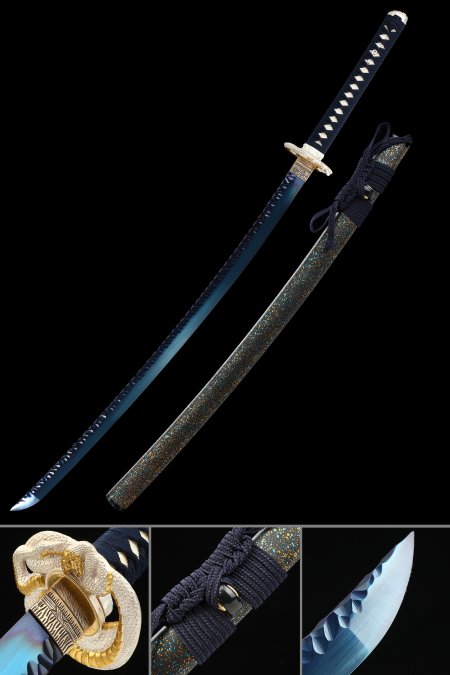
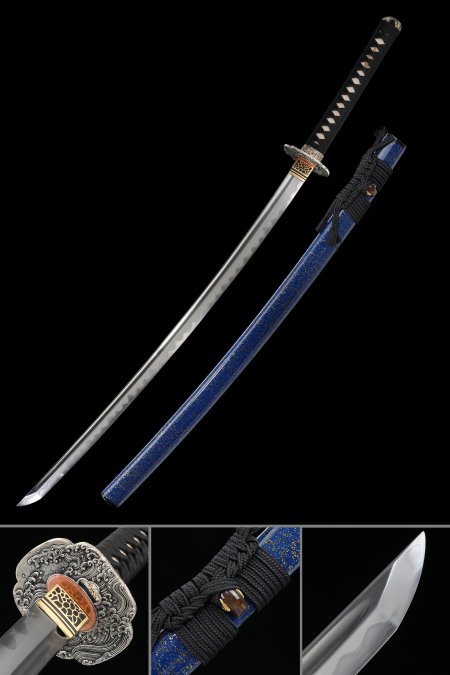
This sword is really nice and sharp. its a pretty blue tent to the blade. The only small complaint would be the container that holds the sword. The inside is like wood maybe if they color that black instead of raw material I guess it’s not really a complaint. It’s more of a suggestion honestly there there’s really no complaints really it’s a nice product.😅 I bought it for my brothers birthday! I want one myself!💛
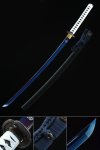 |
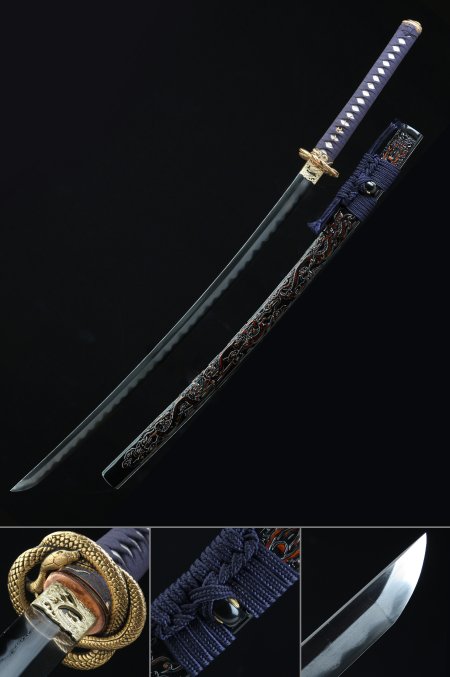
Ghost of Tsushima Katana - Jin Sakai Replica, 1065 Carbon Steel, Blue Blade, Black Saya |
Not like any videos were saying slandering the tk it's not flimsy, doesn't rust easily, is infact very sharp, saya isn't weak wood and overall is just a very decent maybe even entry level katana for only 200$ I will say though it did bend the very tip of the katana when I hit something metal on accident but that aside its very great qualityr
r
5 stars to the smith
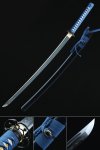 |
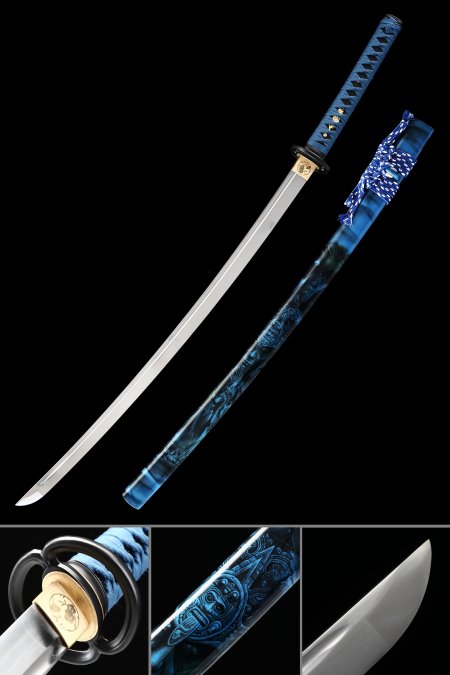
Clay Tempered T10 Carbon Steel Katana with Blue Ito Handle and Black Flower Tsuba - Full Tang Japanese Sword |
2 years ago I became aware of the Phoenix weapon. It is activated every 138 years. In 2040 middle of May the Phoenix Phenomena will cause a pole shift, worldwide quakes, worldwide volcanism, oceans slip basins, coastal tsunamis. Atmospheric convergence will render the reptilians unable to disguise themselves. These swords are for the protection of my family and I. Phoenix also brings the Vapor Canopy atmosphere bringing optimal conditions for growth of all lifeforms. Gigantism will return. Meaning giant animals, Avians, insects and humans. And yes reptiles. Dinosaurs. Giant birds will swoop down and take humans away to be eaten. Get your swords chop those birds down and eat THEM. r
Yours Truly, Adam Wayne Herod
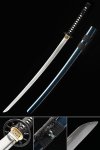 |
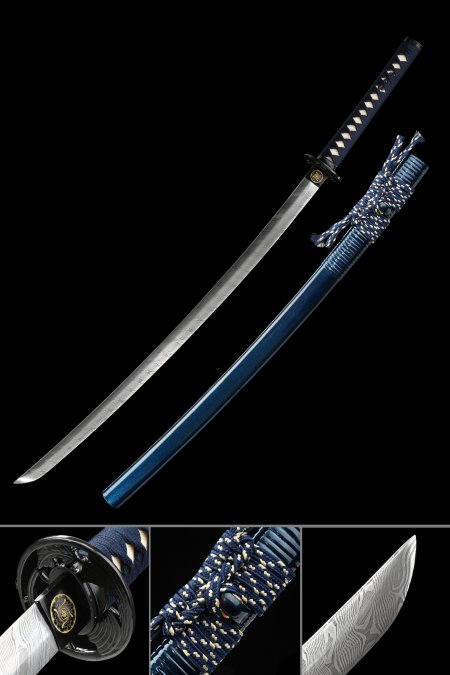
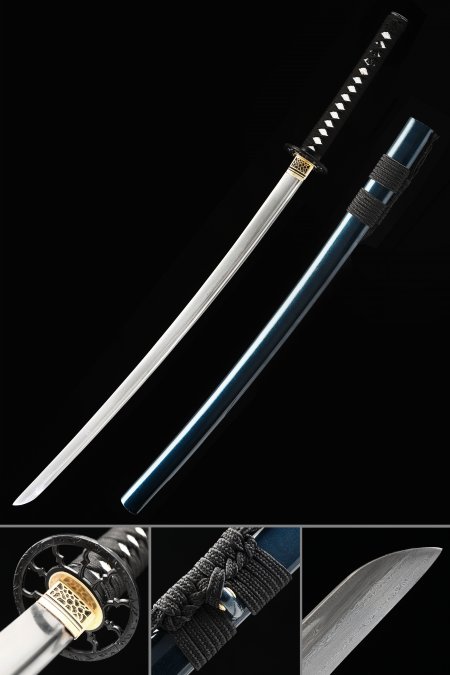
Sakabato Reverse Blade Katana - 1000 Layer Folded Steel Rurouni Kenshin Sword with Blue Lacquer Saya |
A gift for my girlfriend. She absolutely loves it! My first sword now has a friend!
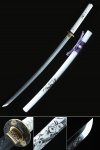 |
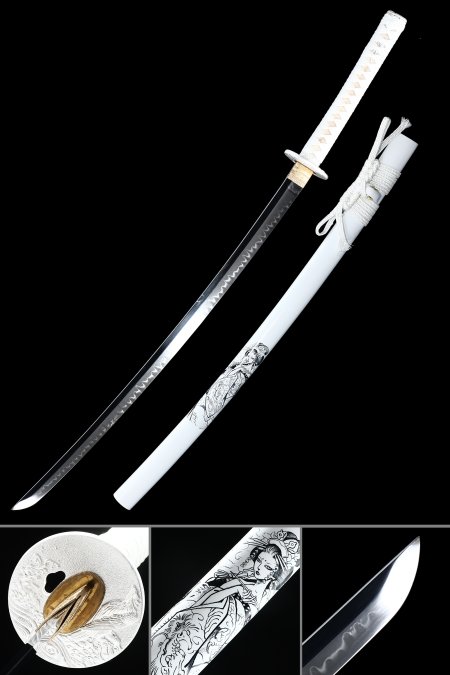
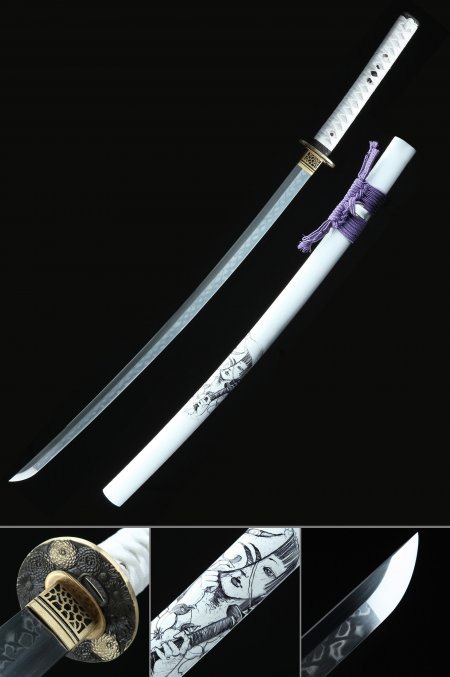
T10 Clay Tempered Katana with Real Hamon - White Saya with Hand-Painted Art in Purple Sageo |
Ordered from another website after 2 months never received. Had previously ordered from true katana should have ordered here first got sword very quickly very happy with purchase
|
Ghost of Tsushima Katana - Jin Sakai Replica, 1065 Carbon Steel, Blue Blade, Black Saya |
I buy swords from True Katana because they are pretty okay. I practice tameshigiri with them. They hold up fine.r
What DOESN'T hold up fine is this company itself. They once sent me a dinged and pockmarked shinobi. When I sent pictures and pointed out the damage, they were insolent and rude and dismissive. They didn't even try to reconcile with me.r
I recommend performance Katanas from this company; but you better pray they show up okay because this company's customer service is complete and utter garbage.
|
Clay Tempered T10 Carbon Steel Katana with Blue Ito Handle and Black Flower Tsuba - Full Tang Japanese Sword |
An amazing work of art! Brilliant color and feels magnificently balanced in the hand that wields it. The sharp cold steel of the blade is perfect. There is no disappointment here!
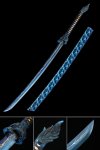 |
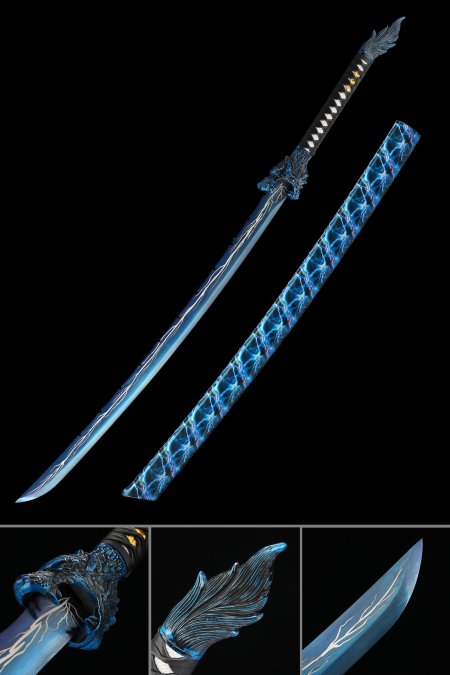
Blue Lightning T10 Steel Katana with Dragon Tsuba and Electric Storm Saya - Collectible Japanese Sword |
Fantastic piece for those who are a fan of the anime especially or katanas in general. Shipping was fast even considering it was around the christmas holiday. The sword is excellent quality and the damascus pattern on the blade is beautiful. Highly recommend this piece for any Rurouni Kenshin fan!
|
Sakabato Reverse Blade Katana - 1000 Layer Folded Steel Rurouni Kenshin Sword with Blue Lacquer Saya |