Free Shipping
189.00 USD
ON SALE! 20% OFF
Was: 239.00 USD

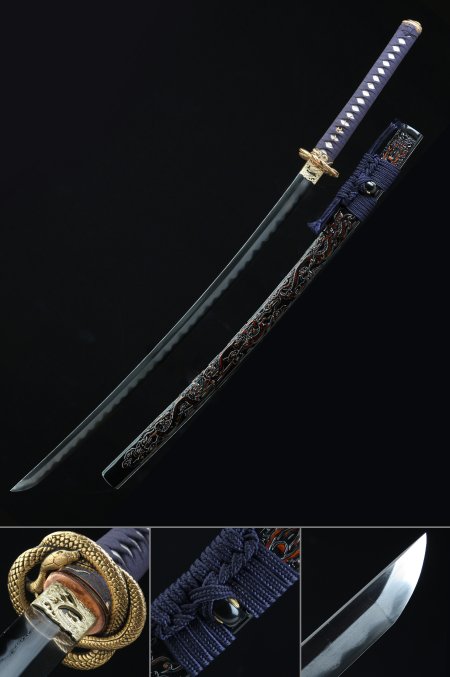
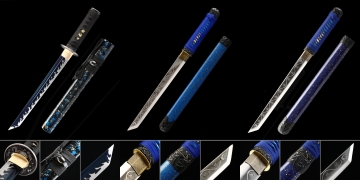
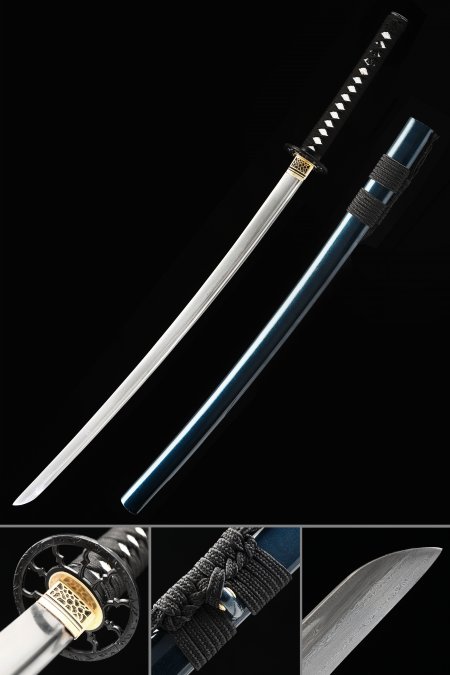
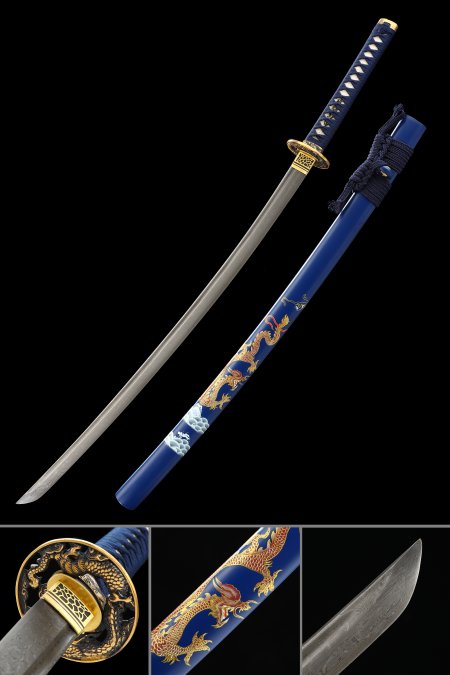
Blue Melaleuca Steel Katana blends the ancient art of pattern-folded steel with striking indigo lacquerwork, producing blades whose layered grain flows like wood-ring topography beneath a mirror polish. Each piece in this collection is individually hand-forged, then paired with hand-lacquered saya and ornamental tsuba that make it as commanding on a display stand as it is impressive up close. Free standard shipping is included on every order, and we back each piece with a hassle-free return policy so your collecting experience is as refined as the craftsmanship itself.
2 years ago I became aware of the Phoenix weapon. It is activated every 138 years. In 2040 middle of May the Phoenix Phenomena will cause a pole shift, worldwide quakes, worldwide volcanism, oceans slip basins, coastal tsunamis. Atmospheric convergence will render the reptilians unable to disguise themselves. These swords are for the protection of my family and I. Phoenix also brings the Vapor Canopy atmosphere bringing optimal conditions for growth of all lifeforms. Gigantism will return. Meaning giant animals, Avians, insects and humans. And yes reptiles. Dinosaurs. Giant birds will swoop down and take humans away to be eaten. Get your swords chop those birds down and eat THEM. r
Yours Truly, Adam Wayne Herod
 |
Sakabato Reverse Blade Katana - 1000 Layer Folded Steel Rurouni Kenshin Sword with Blue Lacquer Saya |
Fantastic piece for those who are a fan of the anime especially or katanas in general. Shipping was fast even considering it was around the christmas holiday. The sword is excellent quality and the damascus pattern on the blade is beautiful. Highly recommend this piece for any Rurouni Kenshin fan!
|
Sakabato Reverse Blade Katana - 1000 Layer Folded Steel Rurouni Kenshin Sword with Blue Lacquer Saya |
Came faster than expected, both swords are of the best quality especially with the oil added to the blade. The swords are legit.
|
Sakabato Reverse Blade Katana - 1000 Layer Folded Steel Rurouni Kenshin Sword with Blue Lacquer Saya |
The sword I received was every bit of what I hoped! From the dazzling paint to the blade itself, all points of this weapon are gorgeous and seem well brought together ina fantastic piece. Sturdy and elegant, it feels great in the hands. Look forward to hanging on to this for years to come. Thank you!
|
Sakabato Reverse Blade Katana - 1000 Layer Folded Steel Rurouni Kenshin Sword with Blue Lacquer Saya |
Super light and durable! Very good quality and a great piece
|
Sakabato Reverse Blade Katana - 1000 Layer Folded Steel Rurouni Kenshin Sword with Blue Lacquer Saya |
Its one more im glad to add to my collection. Light weight and easy to handle.
|
Sakabato Reverse Blade Katana - 1000 Layer Folded Steel Rurouni Kenshin Sword with Blue Lacquer Saya |
I am very pleased with True Katana's working with me after I mistakenly purchased the wrong product. They were expedient in making exchange without complications.
|
Sakabato Reverse Blade Katana - 1000 Layer Folded Steel Rurouni Kenshin Sword with Blue Lacquer Saya |