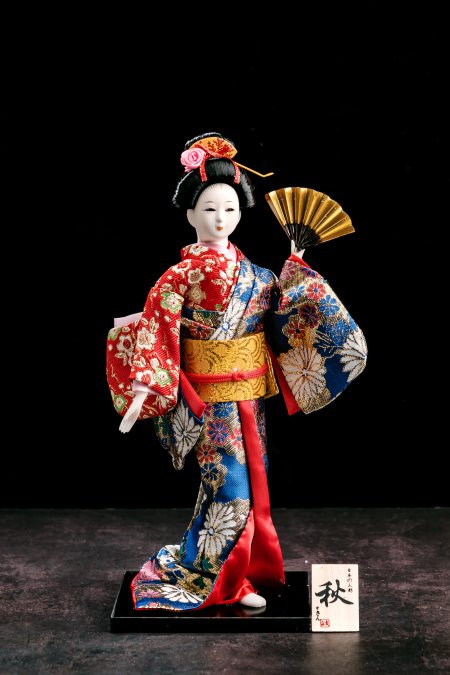
Blue Fabric Japanese Geisha Dolls
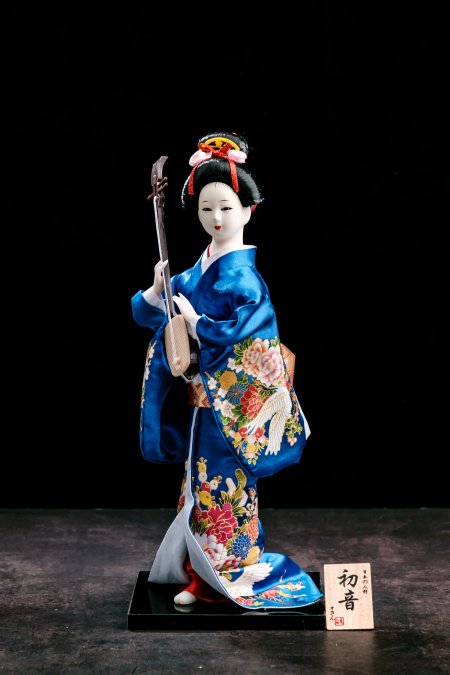
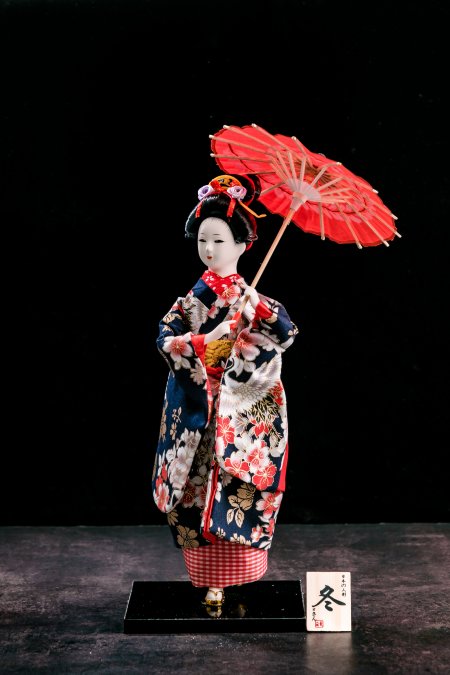
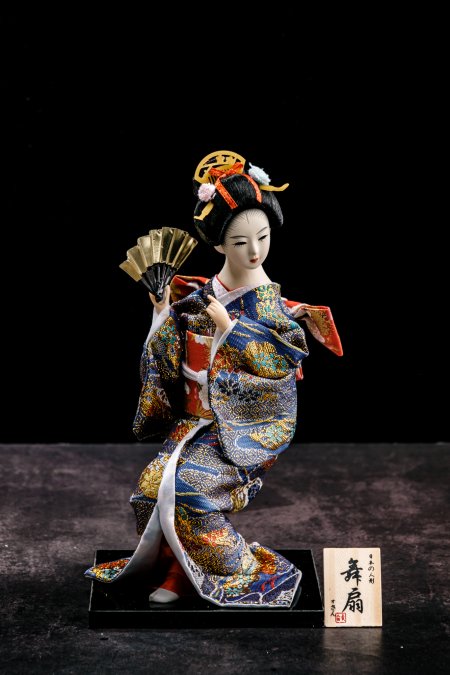
Graceful, intricately crafted, and steeped in cultural tradition, our Blue Fabric Japanese Geisha Dolls bring the timeless elegance of Edo-period artistry into your home. Each figure is hand-dressed in detailed blue kimono fabric, capturing the refined poise and ceremonial beauty that geisha culture is renowned for worldwide. These dolls are thoughtfully designed as premium display pieces and collectibles — ideal for home décor, curated collections, or as a meaningful cultural gift. Enjoy free shipping on your order, backed by our hassle-free return policy.
Related Collections
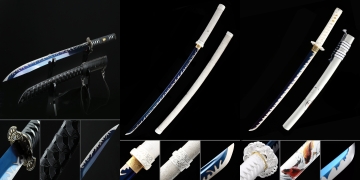
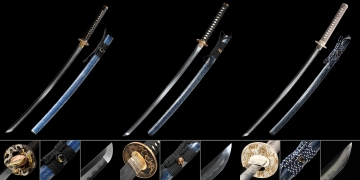
Blue Scabbard Wakizashi11 items
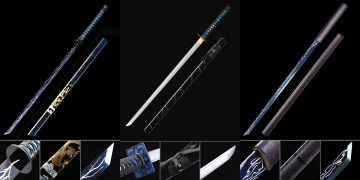
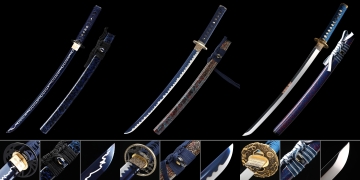
Blue Cord Handle Ninjato23 items
Frequently Asked Questions
What materials are used in these geisha doll figures?
Each geisha doll in this collection is crafted using a combination of sculpted resin or ceramic-composite for the face, hands, and body form, paired with real textile fabric for the kimono and obi components. The blue fabric used varies across pieces — some feature smooth satin-finish cloth with embroidered accents, while others use a textured weave that mimics the weight and pattern of traditional Japanese silk. Hair ornaments, fans, and decorative props are typically made from lacquered resin, painted metal, or fine wire, depending on the specific design. This multi-material construction is what gives each figure its layered visual depth and collectible appeal.
How do geisha dolls differ from standard Japanese figurines?
Unlike mass-produced ceramic figurines or anime-inspired statues, geisha collectible dolls are rooted in specific cultural and historical iconography. They depict the hanamachi geisha tradition — a highly formalized world of arts, ceremony, and refined aesthetics that flourished in cities like Kyoto during the Edo and Meiji periods. The distinguishing features include the distinctive white-painted face, elaborate nihongami hairstyle with kanzashi ornaments, layered kimono with a formal obi, and context-specific props such as a shamisen, folding fan, or paper umbrella. These design elements are not decorative choices but historically grounded details, which is why geisha figures carry significantly more cultural weight as collectibles than generic Japanese-themed décor.
How should I display and protect a fabric geisha doll?
The blue fabric components are the most delicate element of these figures and require the most attention during display. Direct sunlight is the primary threat — UV exposure will gradually fade dyed textiles, especially deep indigo and cobalt tones. Position your display away from windows or use UV-filtering glass if a case is involved. High humidity can also cause fabric to warp or mildew over time, so avoid placement near bathrooms, kitchens, or exterior walls prone to condensation. A sealed glass display cabinet is the gold standard for long-term preservation. For dusting, use a soft dry brush rather than cloth wiping, which can snag fine embroidery threads or displace delicate accessory elements.
Are these geisha dolls appropriate as cultural gifts?
Yes — geisha dolls are one of the most recognized and appreciated forms of Japanese cultural gifting, with a tradition that spans both domestic Japanese custom and international collector interest. They are particularly well-received by recipients who have an interest in Japanese history, traditional arts, interior design, or East Asian culture broadly. The blue kimono colorway adds a layer of aesthetic sophistication that reads as refined rather than tourist-souvenir, making these figures suitable for professional spaces, curated home interiors, or formal gift-giving occasions. For collectors who already appreciate Japanese aesthetics, pairing a geisha doll display with complementary pieces — such as a decorative sword mounting or lacquerware — creates a cohesive cultural vignette.
What makes blue kimono significant in Japanese decorative tradition?
In classical Japanese textile culture, blue dyes — particularly those derived from indigo plants such as Persicaria tinctoria — held both aesthetic and symbolic importance. Indigo dyeing, known as aizome, was one of Japan's most developed craft traditions, producing a spectrum from pale sky tones to near-black midnight blues. Blue garments were associated with artisans and intellectuals during certain historical periods, and the color later became widely admired in kimono design for its versatility and visual elegance. In the context of geisha costuming, blue kimono typically suggest a seasoned performer's understated sophistication — a deliberate contrast to the more flamboyant reds and golds associated with apprentice maiko. Collectors drawn to blue-themed Japanese pieces often find the color provides strong visual coherence across a mixed display.