Blue Blade 1045 Carbon Steel Ninjato
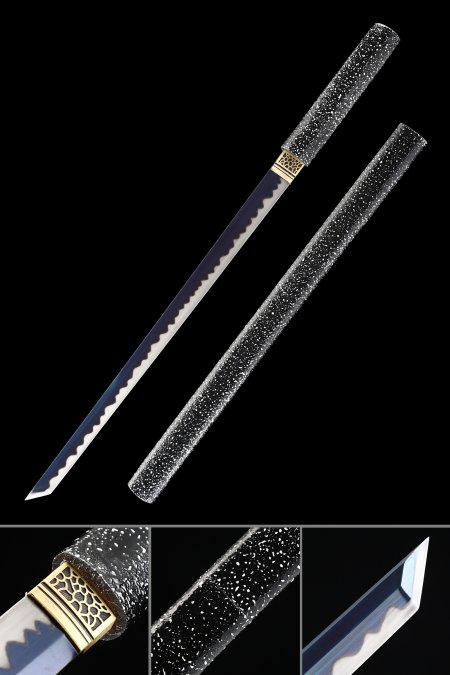
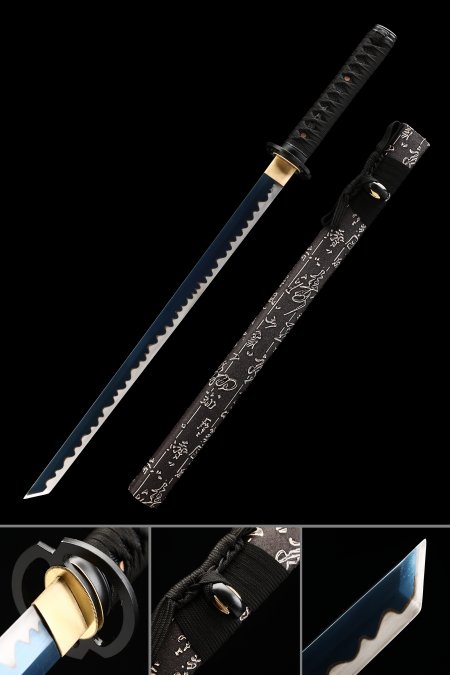
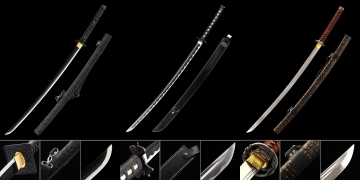
The Blue Blade 1045 Carbon Steel Ninjato collection brings together hand-forged straight-profile ninja swords distinguished by their striking blue-treated blades and solid full-tang construction. Each piece is crafted from 1045 medium-high carbon steel, delivering the density and visual character that serious collectors prize in display-grade Japanese sword reproductions. From shirasaya mountings in speckled hardwood to kanji-carved black saya with gold tsuba accents, every detail reflects a considered aesthetic rooted in classical ninjato tradition. Enjoy free standard shipping on your order, plus hassle-free returns for complete peace of mind.
Related Collections

Frequently Asked Questions
What gives the blade its blue color on these ninjato?
The blue tone on these 1045 carbon steel ninjato blades comes from a controlled surface treatment applied after the forging and polishing stages. This process — which may involve heat coloring or chemical oxidation — causes the steel's surface to develop a stable oxide layer that refracts light at wavelengths that read as deep blue to the eye. Unlike paint or powder coat, this treatment is integrated into the steel surface itself, giving it a depth and variation that shifts subtly depending on lighting conditions. It also provides a mild protective function against surface oxidation, though regular oiling is still recommended for long-term display care.
How does a ninjato differ from a katana in terms of design?
The most immediate difference is profile geometry. A katana features a pronounced curved blade — typically between 60 and 75 cm — designed to produce a drawing cut during unsheathing. A ninjato, by contrast, has a straight or very slightly curved single-edged blade, usually shorter in overall length, with a squared or simply shaped tsuba. The ninjato's straight profile gives it a visually stark, architectural quality that collectors often find distinct and display-friendly alongside curved sword forms. The shirasaya mounting style seen in this collection further emphasizes the clean linearity of the ninjato silhouette.
Is 1045 carbon steel a good choice for a display sword?
For collectors focused on display-grade pieces, 1045 carbon steel is a well-regarded choice. It sits at approximately 0.45% carbon content, which is sufficient for the steel to respond meaningfully to heat treatment and surface finishing — producing visible hamon-like activity and accepting blued or polished finishes with good consistency. It is denser and more characterful in appearance than stainless steel alternatives, and it develops a natural patina over time that many collectors consider part of the piece's evolving character. The trade-off is that it requires more attentive care, including periodic oiling and humidity management, to maintain its surface condition.
How should I care for a blued carbon steel ninjato in storage?
The blued surface on a 1045 carbon steel ninjato is more sensitive to environmental factors than a polished or lacquered finish. Skin oils transferred during handling can leave marks that dull the blue tone over time, so it is advisable to use cotton gloves when repositioning the piece. Apply a thin, even coat of camellia oil or choji oil every two to three months using a soft, lint-free cloth. Store the ninjato horizontally in its saya in a climate-controlled space with relative humidity below 60%. Avoid display cases that receive direct sunlight or are positioned near heat sources, both of which can accelerate fading of the treated surface.
Do these ninjato work well as display gifts for collectors?
Blue blade ninjato make a visually distinctive gift for collectors interested in Japanese sword culture, particularly those who already own or display katana or wakizashi and want a straight-profile piece that creates contrast in a wall or case arrangement. The combination of the blued finish, hardwood saya, and gold tsuba detailing gives these pieces an immediately legible sense of craft and intentionality — qualities that resonate with recipients who appreciate design coherence rather than generic decorative swords. The full-tang construction also means the piece presents with proper balance and weight when handled during gifting or examination.