FAST SHIP
Free Shipping
209.00 USD
ON SALE! 15% OFF
Was: 249.00 USD

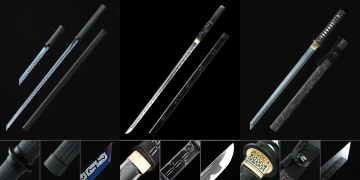
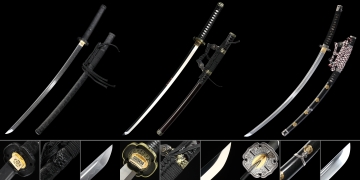
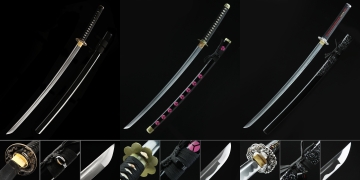
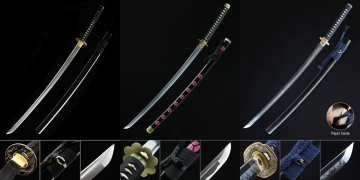
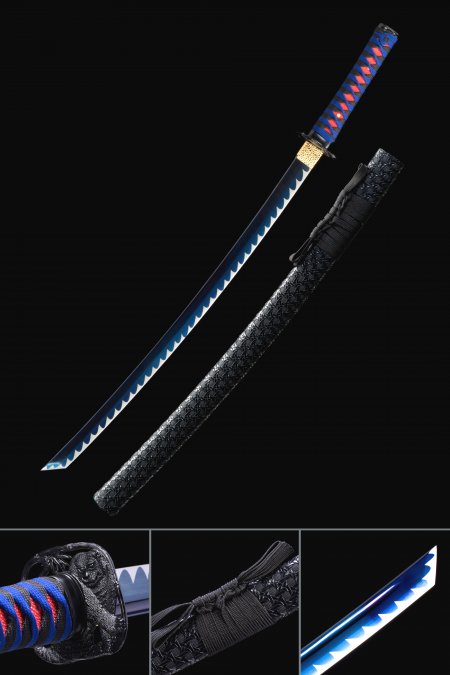
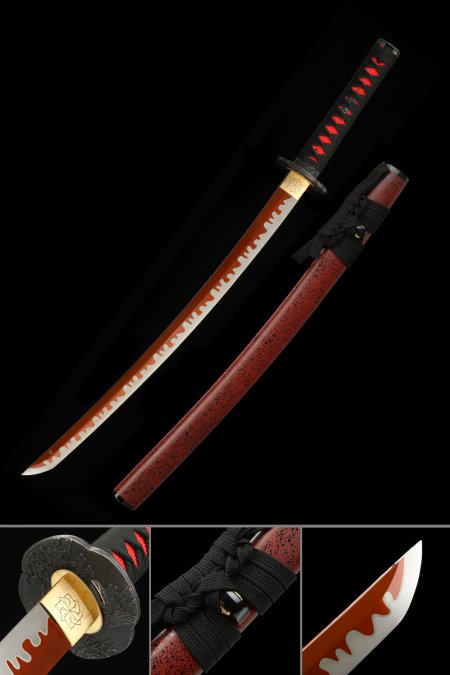
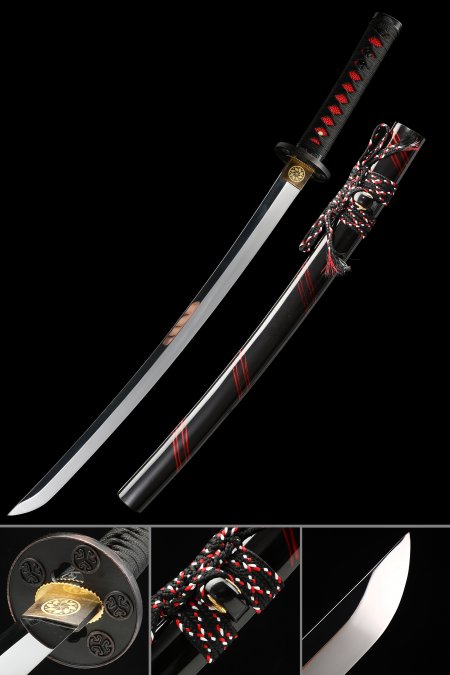
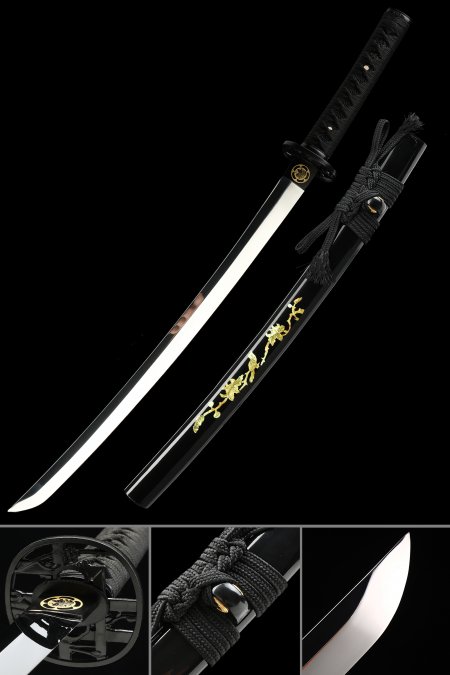
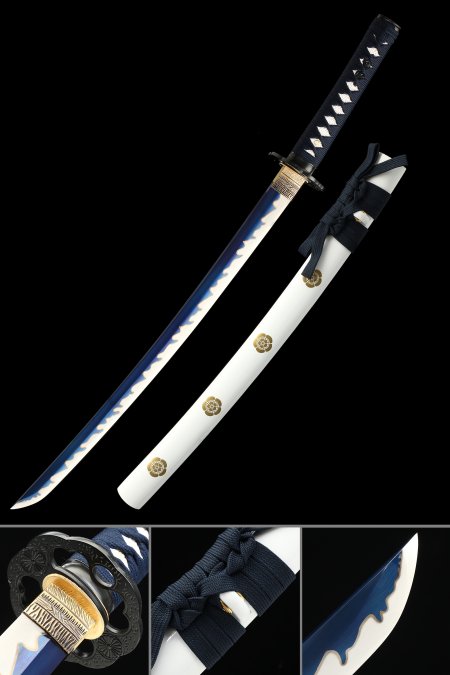
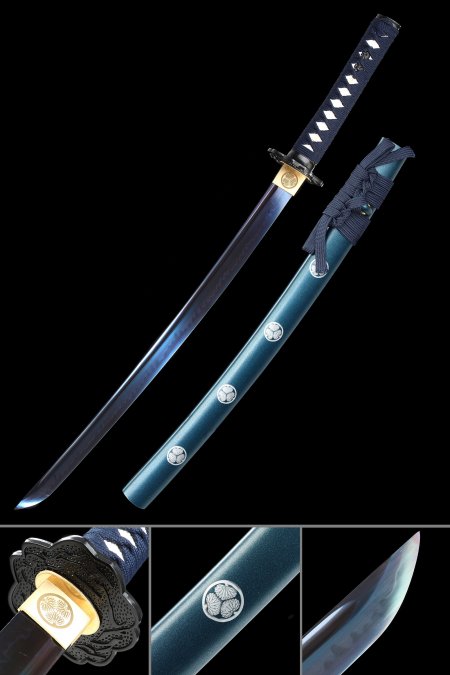
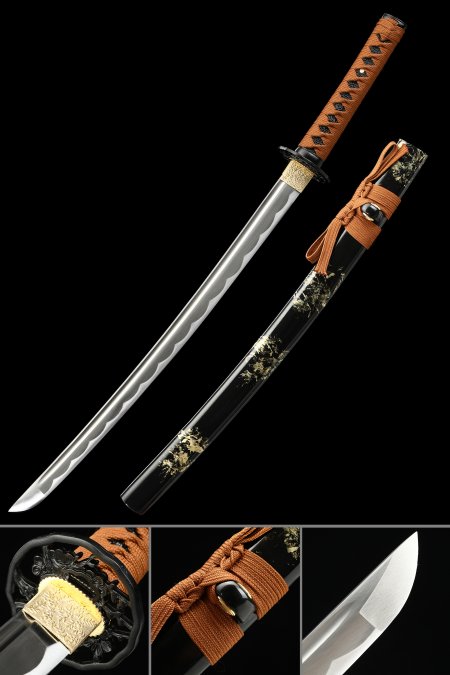
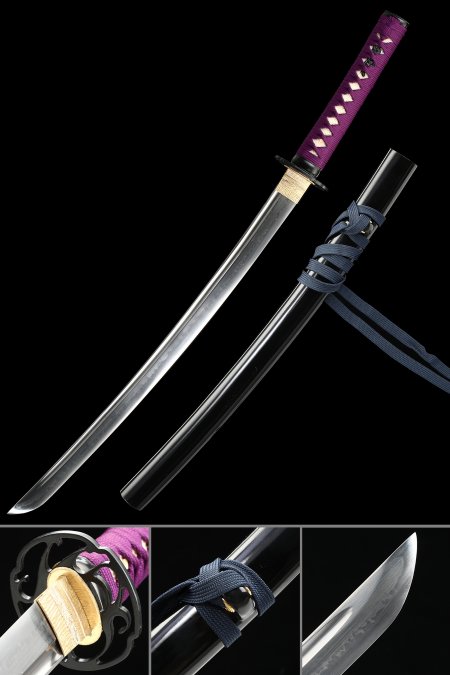
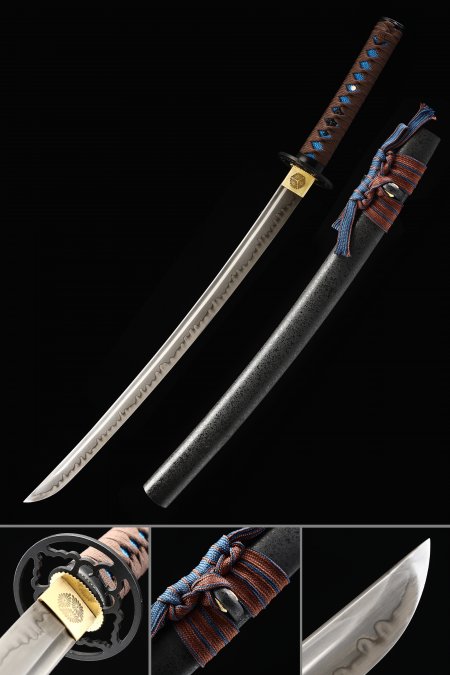
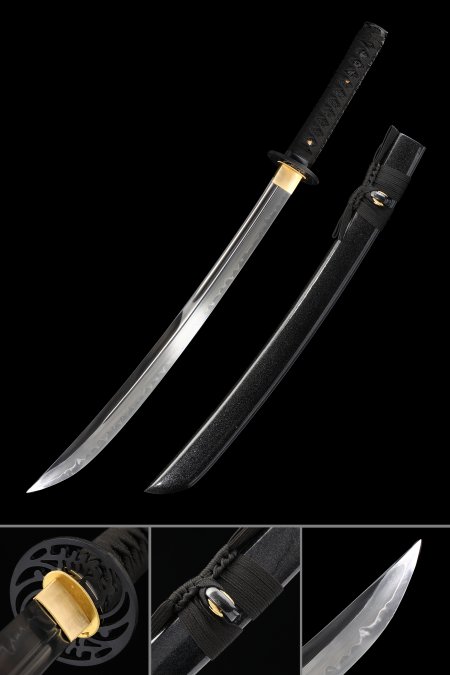
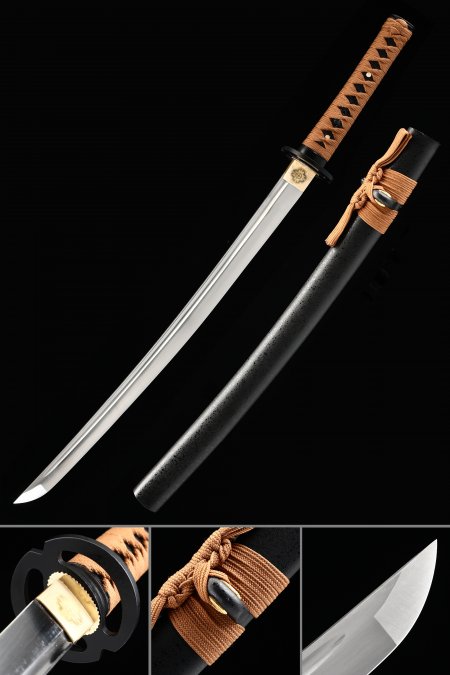
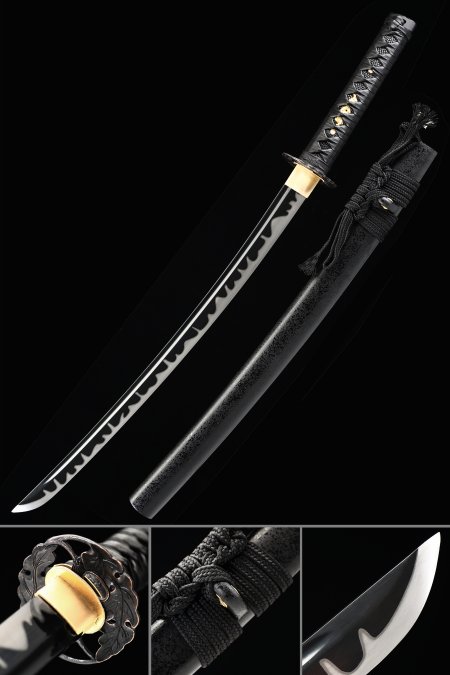
A black tsuba wakizashi brings together understated elegance and meticulous craftsmanship in one compact blade. Each piece in this collection features a hand-forged construction, carefully fitted fittings, and a lacquered saya that reflects traditional Japanese sword aesthetics. Whether displayed in a dedicated sword stand or added to a growing collection of Japanese edged art, these wakizashi make a refined statement. Enjoy free shipping on your order, backed by our hassle-free return policy.
absolutely beautiful a true work of art completed by a true craftsman
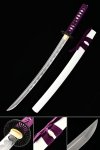 |
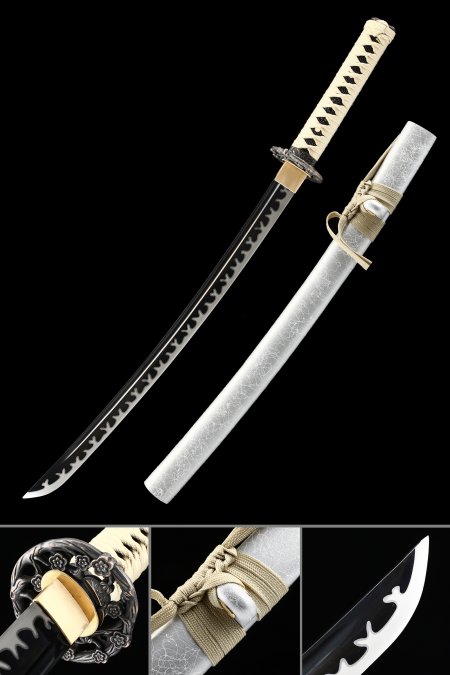
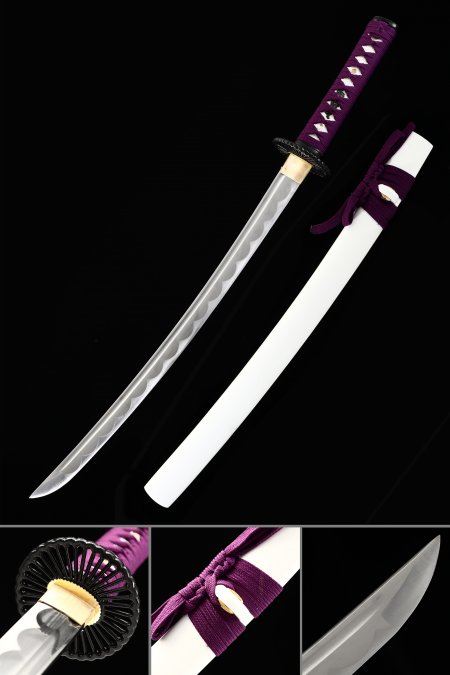
1045 Carbon Steel Wakizashi Sword Full Tang with Purple Tsuka Wrap and White Piano Lacquer Saya |
My third purchase from TrueKatana, and I'm every bit as happy with it as the other two. Everything is perfect: the Balance, the edge, the aesthetics. This was my first wakizashi. I'll be shopping for more later.
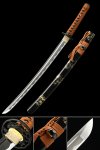 |
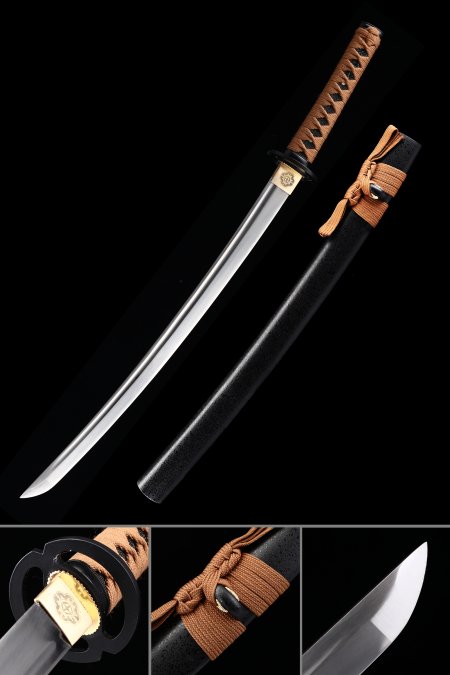
1060 Carbon Steel Wakizashi with Black Lacquer Saya - Orange Ito, Chrysanthemum Tsuba, Gold Vine |
I received this is perfect condition. Super sharp and you can tell it’s just well built, I liked this specifically cause it’s hard to find the slanted tip on the blade and I think it looks super cool, It’s also hard to find swords that aren’t only decorative, my purpose for buying is decorative but I also want it to be solid and sharp because I don’t want to show off a knock off fake sword, I want to show off something that is legit and this is.
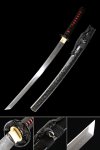 |
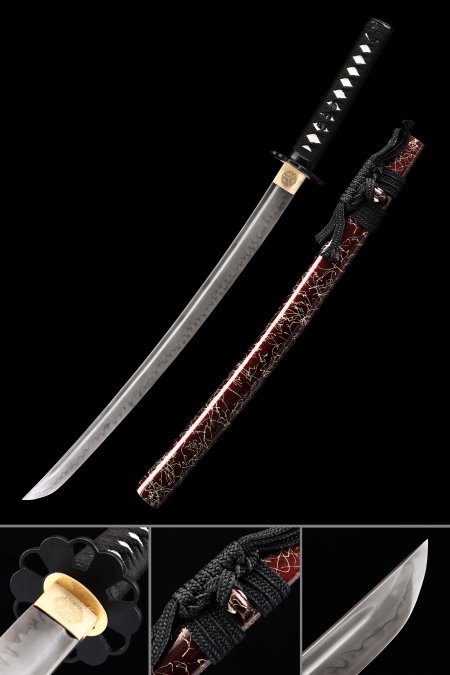
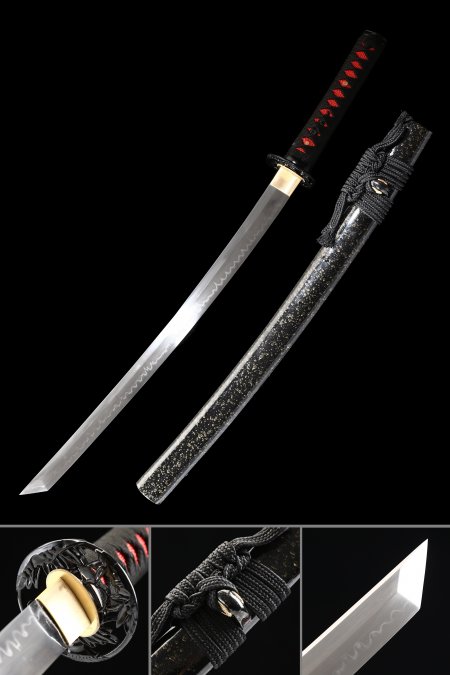
T10 Folded Clay Tempered Wakizashi Sword with Real Hamon in Black Gold-Flecked Saya and Red Samegawa |
the sword is beautiful and tough. surprised at how balanced it is
|
1060 Carbon Steel Wakizashi with Black Lacquer Saya - Orange Ito, Chrysanthemum Tsuba, Gold Vine |
This is a gift so I did not do anything more than check color and and over all construction. Did not remove plastic wrap. Looks good. Gave 4 stars because you did not send me an e-mail saying it was shipped so it sat at the front door for days because I was gone.
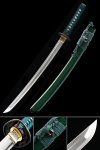 |
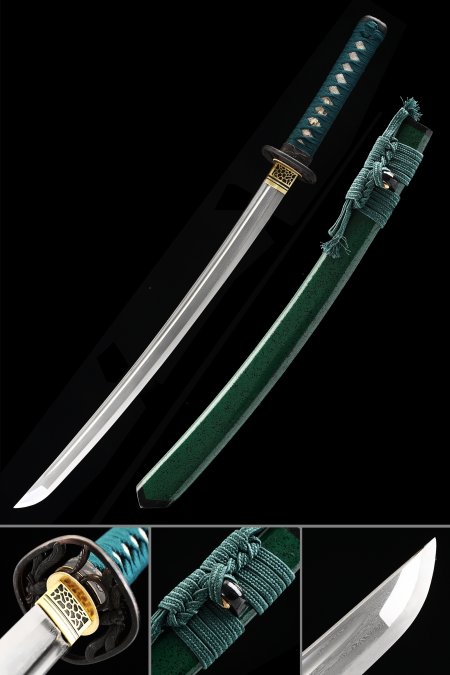
Damascus Steel Wakizashi with Green Lacquer Saya - Teal Cord Handle, Copper Tsuba, 20.47" Blade |
Sword is of high quality but the sheath came with a flaw. It had a little dent in it
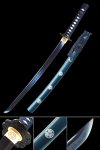 |
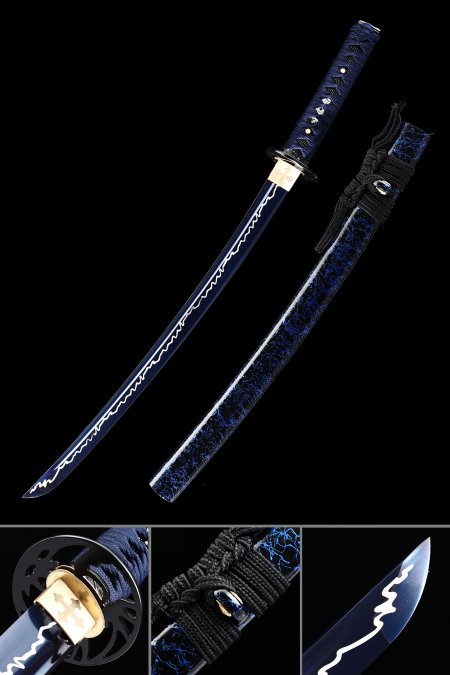
T10 Carbon Steel Wakizashi with Blue Blade, Dark Blue Ito & Teal Hardwood Saya |
It is a very beautiful wakizashi. The steel and binding are very nice. The handle though does have a small wiggle in the base of it.
|
1045 Carbon Steel Wakizashi Sword Full Tang with Purple Tsuka Wrap and White Piano Lacquer Saya |
T-10 Katana with the rare highly valued true katana point. Just superb. Cuts paper like a sharp razor on a soft beard. Great delivery time. No shipping. These guys should be your only source for katanas! They are the best in the business! L. Phillip
|
T10 Folded Clay Tempered Wakizashi Sword with Real Hamon in Black Gold-Flecked Saya and Red Samegawa |