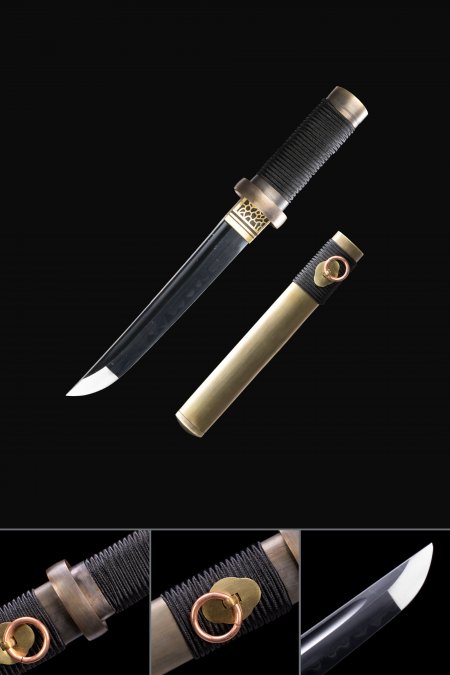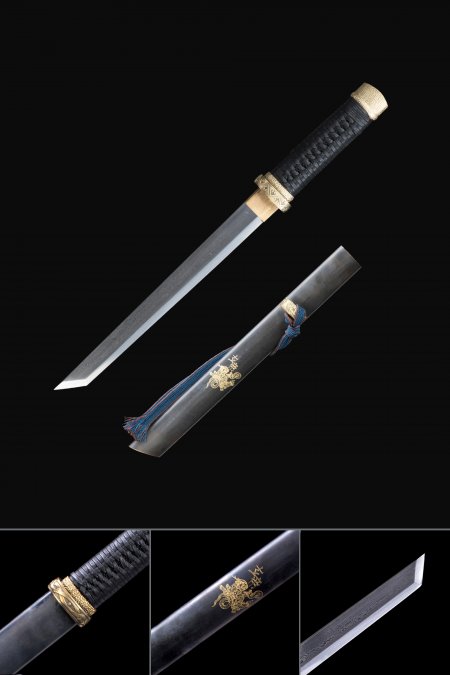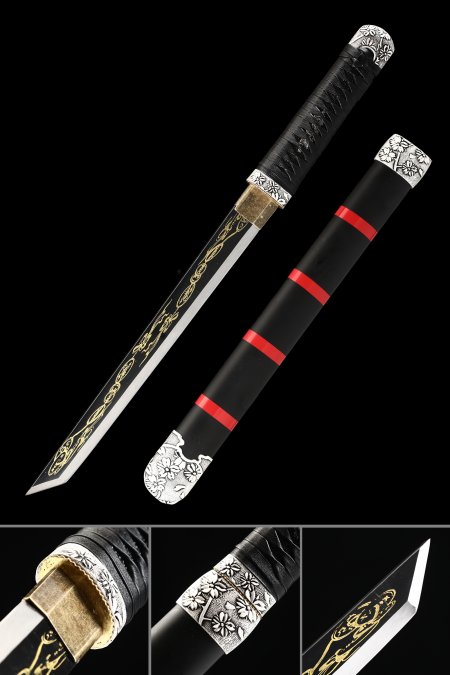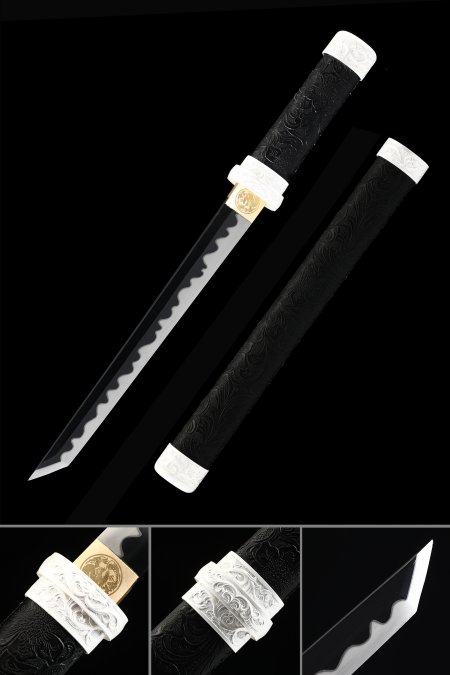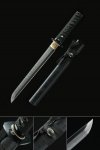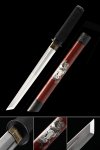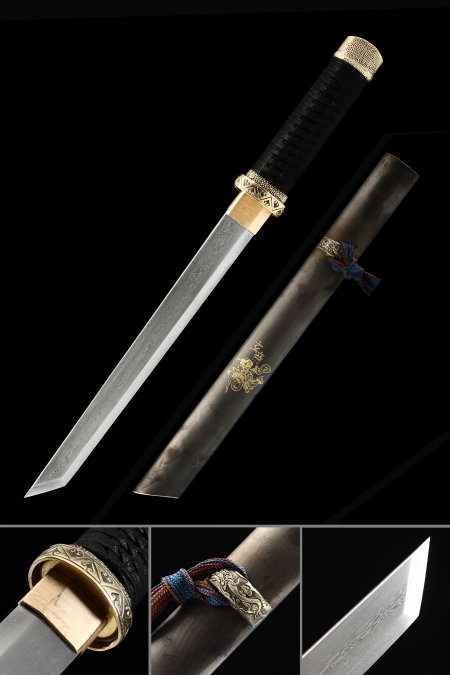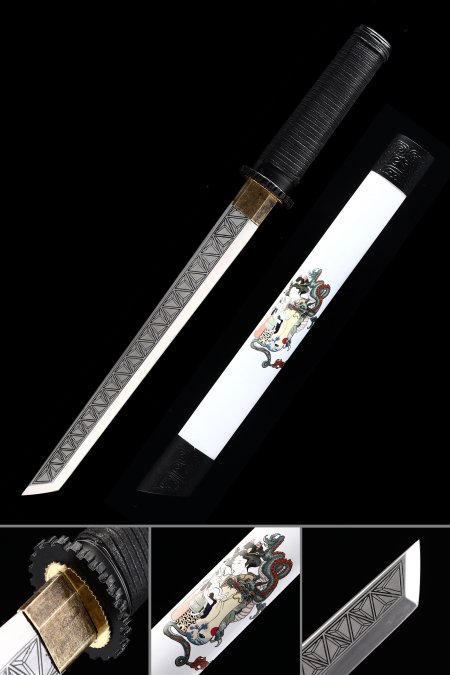
Black Handle Hamidashi

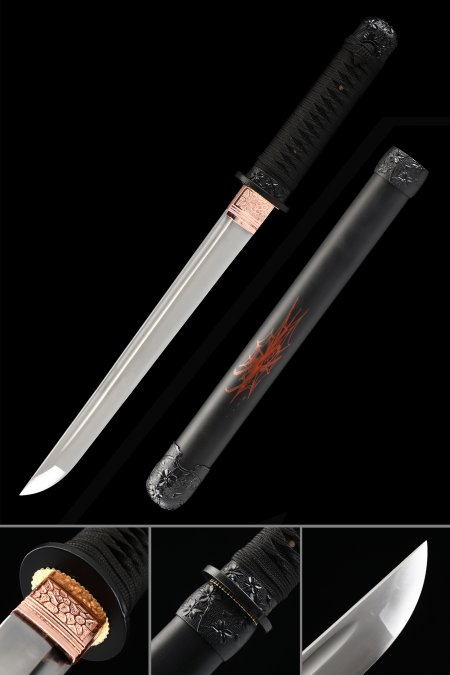
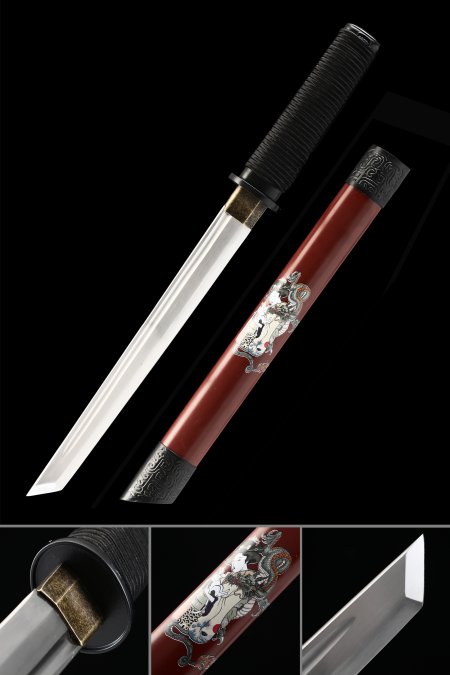
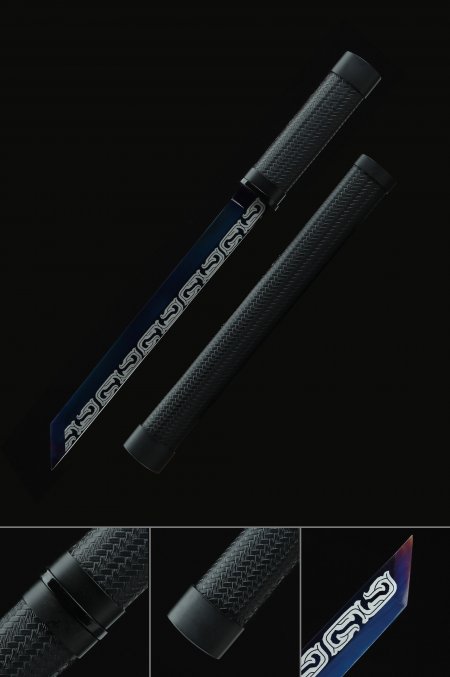
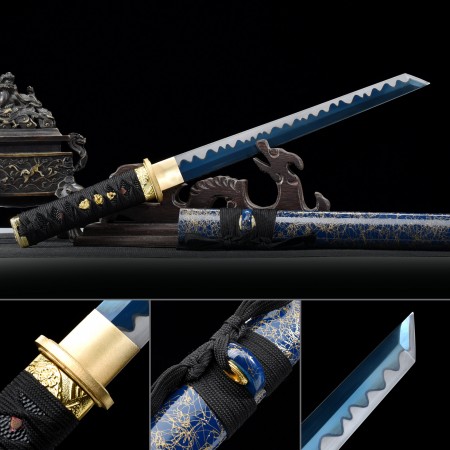
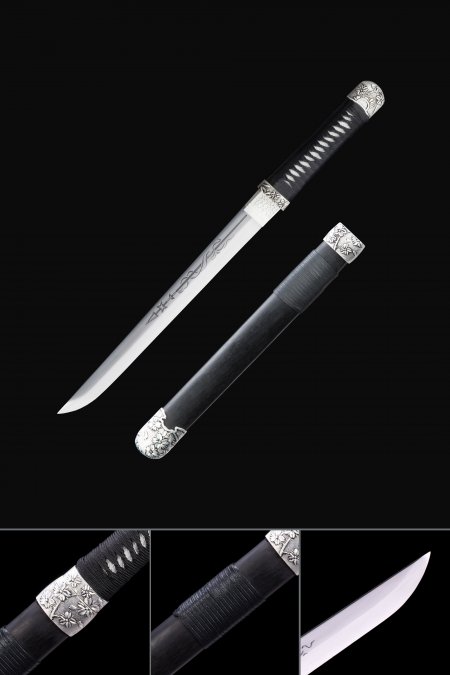
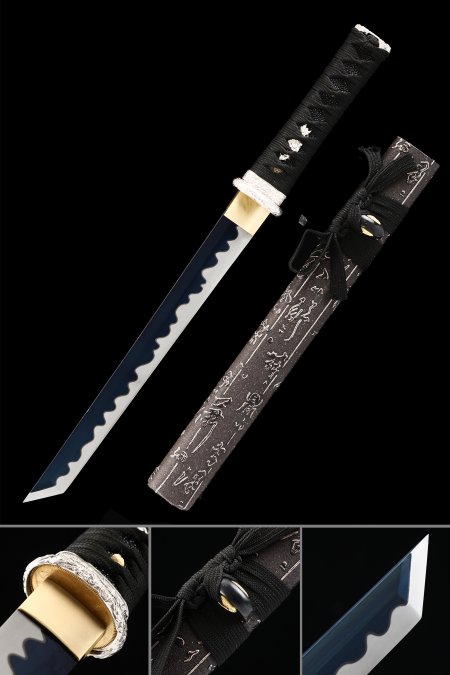
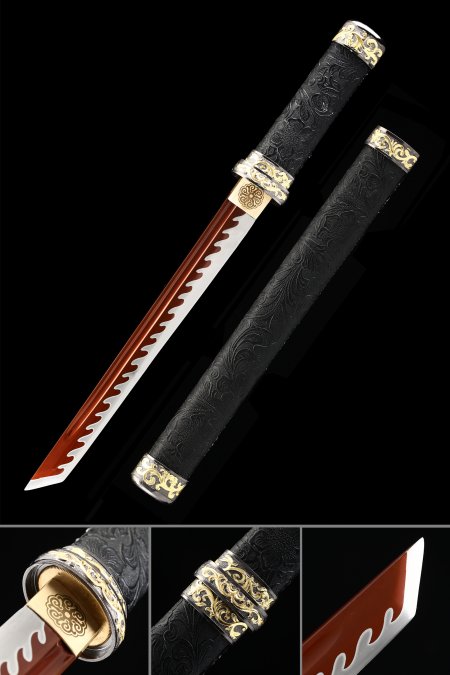
The Black Handle Hamidashi collection brings together finely crafted tanto in the traditional hamidashi style, each distinguished by its understated black handle and meticulous koshirae detailing. From manganese steel blades with geometric engravings to dragon-motif fittings and lacquered saya in bold contrast colors, every piece is assembled as a display-grade collectible honoring classical Japanese aesthetics. Enjoy free standard shipping on your order, backed by our straightforward return policy.
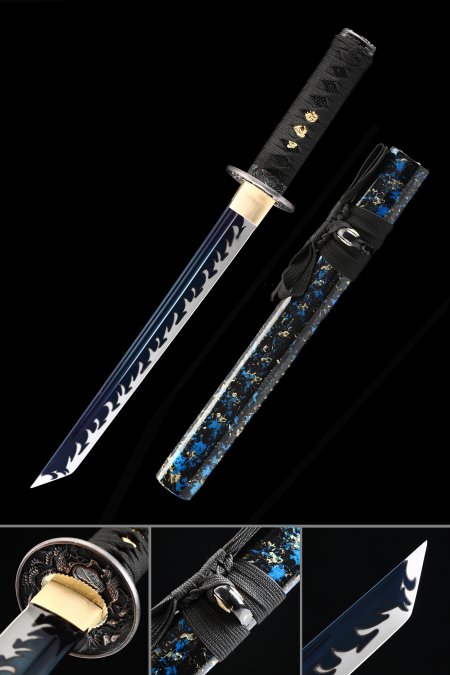
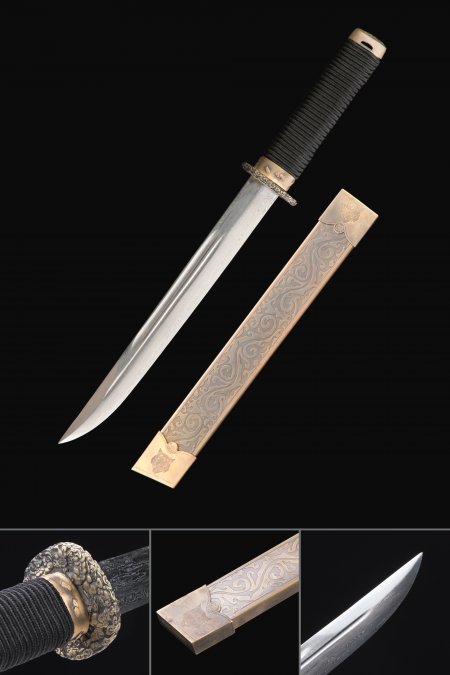
Showing 16 Products

Related Collections

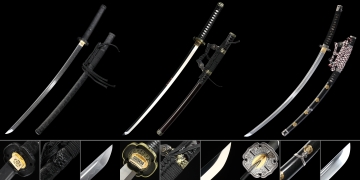
Black Chokuto39 items


289 Reviews

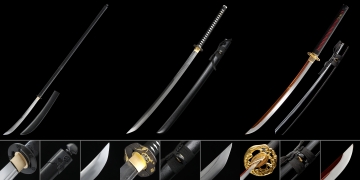
Black Odachi11 items


14 Reviews

Black Naginata4 items


4 Reviews

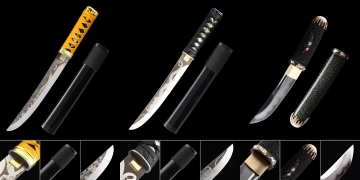
Black Aikuchi6 items


5 Reviews

Frequently Asked Questions

What defines a hamidashi tanto style?
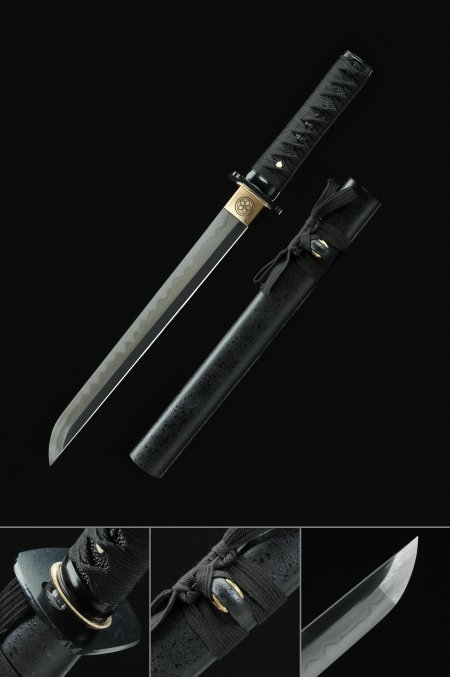
A hamidashi tanto is distinguished by its unusually small tsuba — a guard so compact that it barely extends beyond the width of the handle, sitting nearly flush with the tsuka. This sets it apart from standard tanto, which feature a more prominent, clearly defined guard plate. The term hamidashi roughly translates to 'protruding slightly,' an accurate description of how the guard just barely marks the transition point between handle and blade. Historically, this format was favored for formal indoor carry during the Edo period, where discretion and refinement were valued over visual drama. For collectors, the hamidashi configuration creates a sleek, elongated silhouette that emphasizes the blade and handle as a unified form rather than as separate components divided by a large guard.
What steel types are used in these collectible tanto?
The pieces in this collection are built primarily from high manganese steel and 1045 carbon steel — two materials well-suited for display-grade collectibles. High manganese steel offers excellent hardness and holds surface treatments like engravings and lacquer finishes particularly well, making it a practical choice for tanto intended to be displayed rather than subjected to heavy use. 1045 carbon steel is a medium-carbon alloy with a clean, bright finish that photographs well and resists minor surface oxidation better than higher-carbon alternatives. Both materials produce blades with the visual weight and presence that collectors expect, and both support the decorative work — wave hamon, geometric engravings, kanji inscriptions — that makes each piece a distinct display object.
How should I care for a display tanto with a lacquered saya?
Lacquered saya require a slightly different care routine than bare wood or leather-wrapped alternatives. Avoid storing the blade inside the saya for extended periods without periodically removing it to allow airflow — trapped moisture can affect both the lacquer interior and the blade surface over time. For the saya exterior, wipe with a soft, dry microfiber cloth to remove dust and fingerprints; avoid any solvent-based cleaners, which can dull or crack lacquer finishes. The blade itself should be lightly coated with a thin layer of choji oil or mineral oil every few months, applied with a clean cloth and wiped down to remove any excess. Store the piece horizontally in a low-humidity environment, ideally in a display case with a silica gel packet to maintain stable moisture levels.
How does a black handle tanto display differently from other handle colors?
A black handle creates a high-contrast anchor point that draws the eye toward decorative elements like a rose gold tsuba, an engraved blade, or a boldly colored saya. In a display context, this means the fittings and blade finish do more visual work than they might against a natural ray skin or light-cord tsuka. Collectors who build thematic displays — grouping pieces by color family or historical period — often find that black-handle tanto photograph exceptionally well against light display surfaces and wooden wall mounts. The black cord wrapping also tends to show less wear and discoloration over time compared to lighter ito colors, making it a practical choice for pieces intended to remain on long-term display.
Is a hamidashi tanto a good choice as a gift for a collector?
Yes — the hamidashi tanto is one of the more approachable entry points for someone new to Japanese blade collecting, while still offering enough design depth to interest an experienced enthusiast. The compact form factor makes it easy to display even in a small space: a single wall mount, a desktop tanto stand, or a display case shelf all work well. Pieces with distinctive visual elements — a dragon-motif saya, a kanji-engraved blade, or a rose gold tsuba against a black handle — read as thoughtful, intentional gifts rather than generic decorative objects. For a first-time collector, pairing a hamidashi tanto with a simple tanto display stand creates a complete, ready-to-display set that requires no additional accessories.

Customer Reviews

Johnathan Chapman Pennsylvania, United States

Beautiful blade. I’m very happy with my purchase. My only minor inconveniences are that the very tip of the blade is ever so slightly bent, and the sheath has very small damage (most likely from shipping). Other than those two things, everything about the piece is well made and aesthetically pleasing to look at and hold.

T10 Carbon Steel Hamidashi Tanto with Real Hamon in Black Piano Lacquer Saya - Gold Habaki Accent T10 Carbon Steel Hamidashi Tanto with Real Hamon in Black Piano Lacquer Saya - Gold Habaki Accent
Russell Noyes Alabama, United States

I love almost everything thing about this tanto blade. While I could nitpick over insignificant details, my only real complaint is that the blade could be sharper, but bare in mind, I've been a professional cook for nearly 30 years and I'm comparing the sharpness to culinary standards even though I have no intention of using it for cooking.
Blue Manganese Steel Hamidashi Tanto with Etched Pattern and Black Carbon Fiber Weave Saya Blue Manganese Steel Hamidashi Tanto with Etched Pattern and Black Carbon Fiber Weave Saya
Cart 0 Items

Your cart is empty