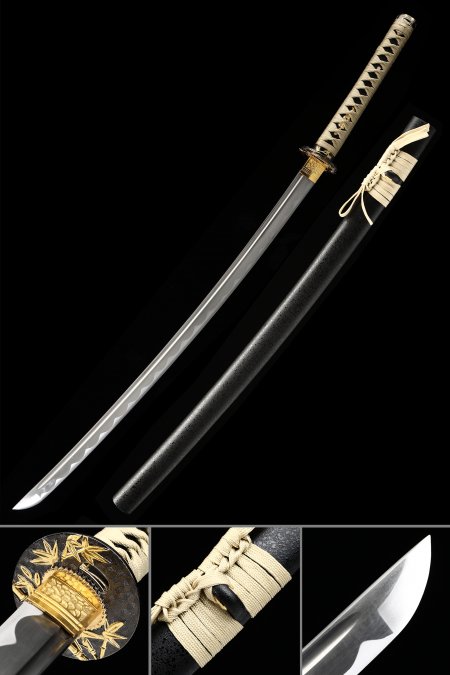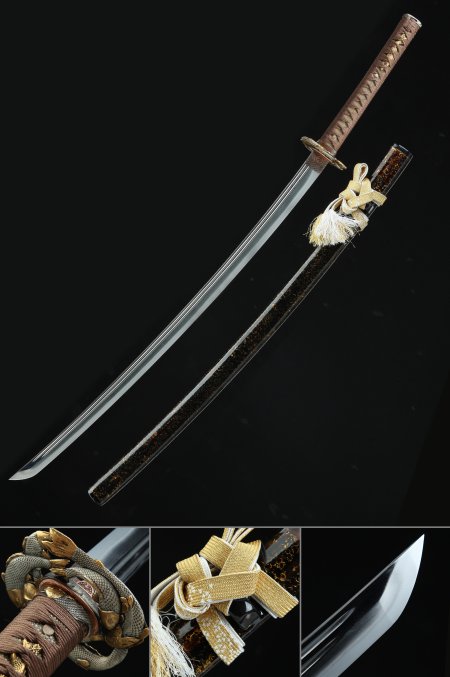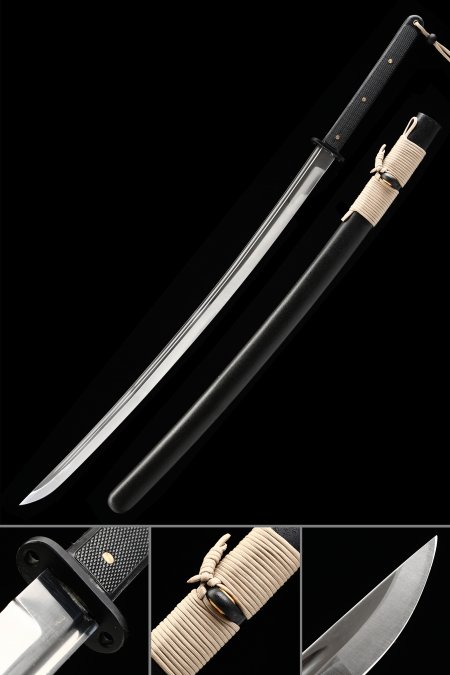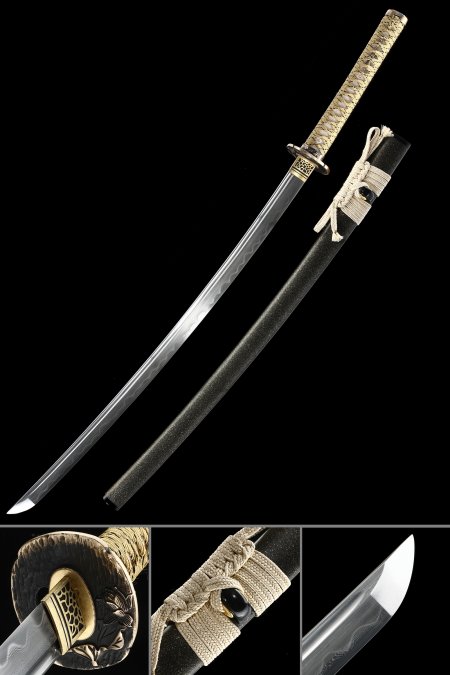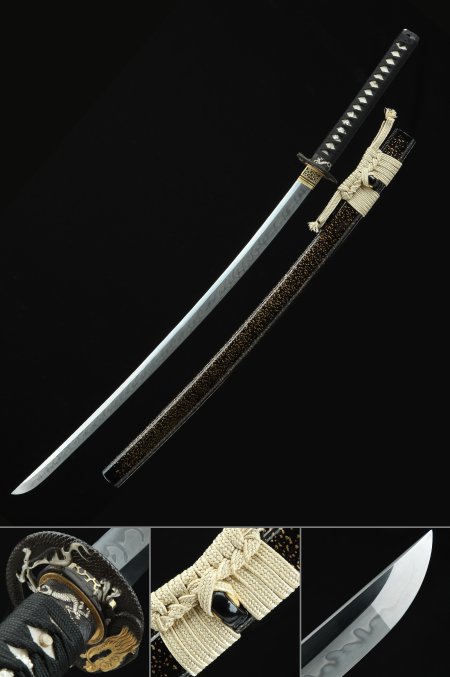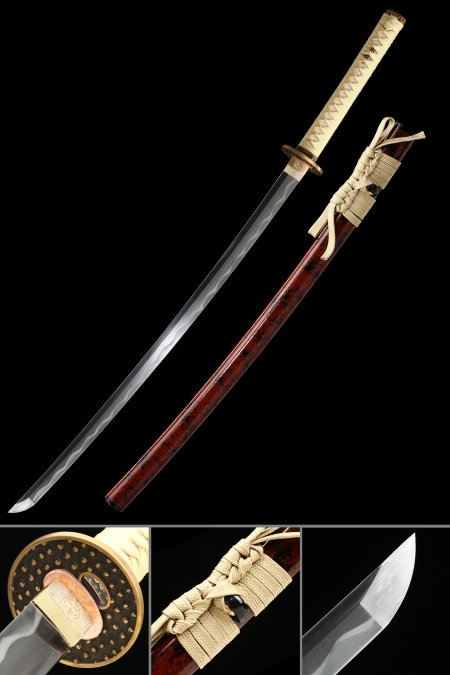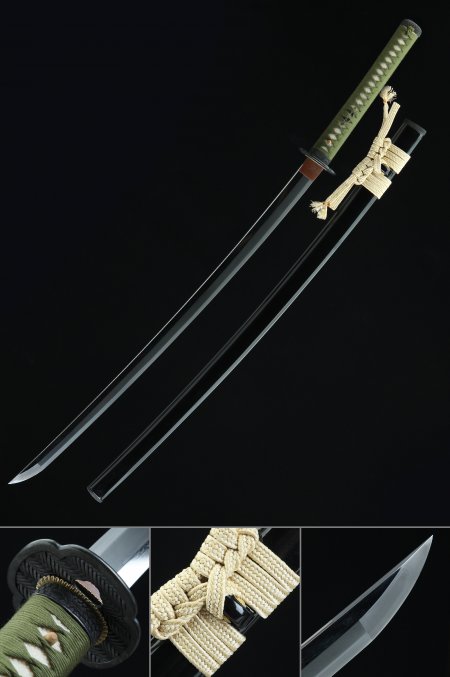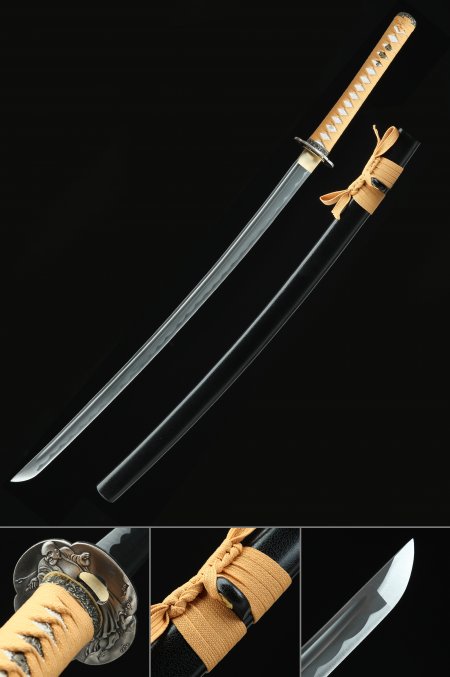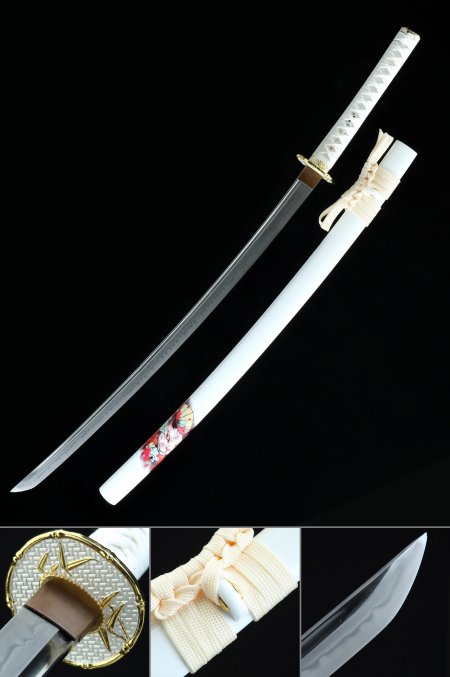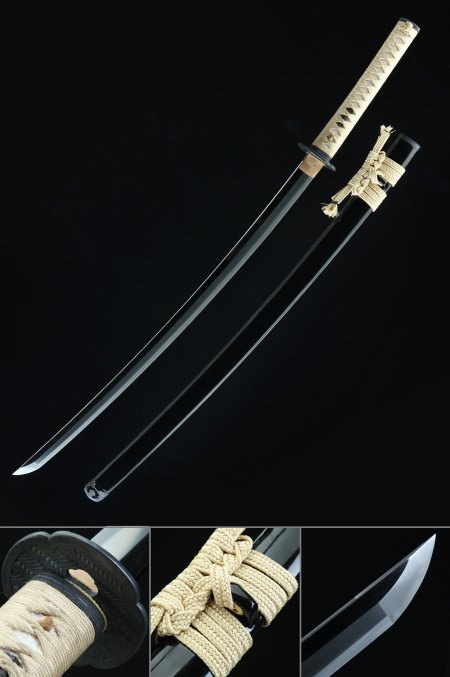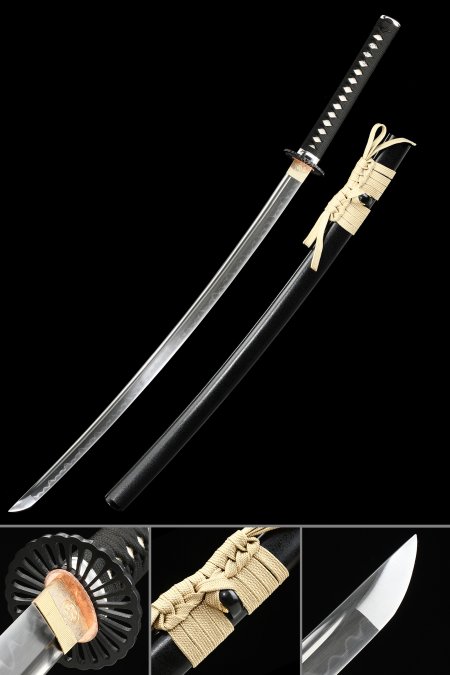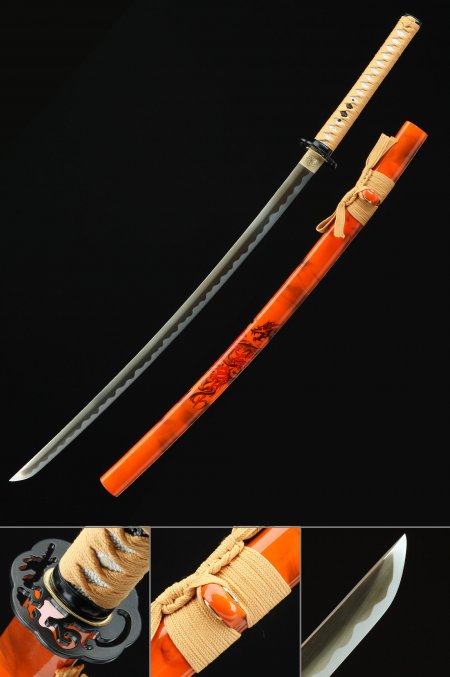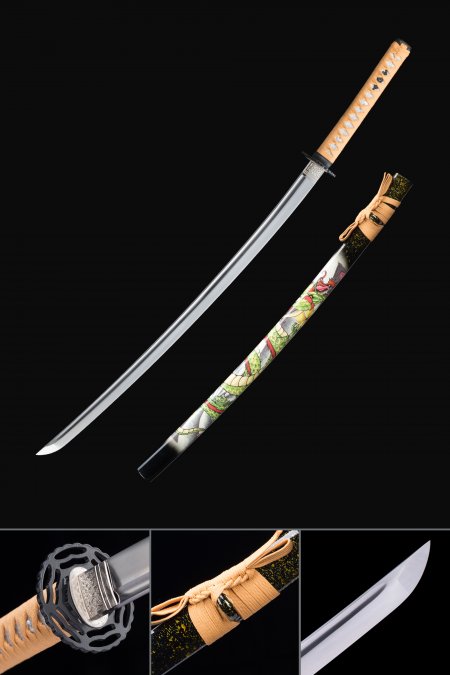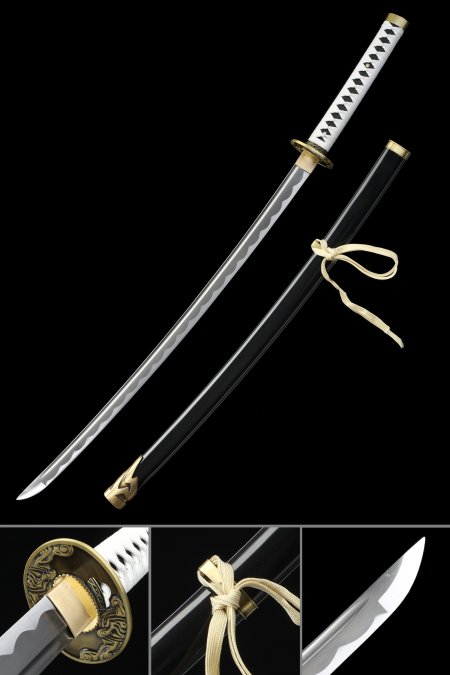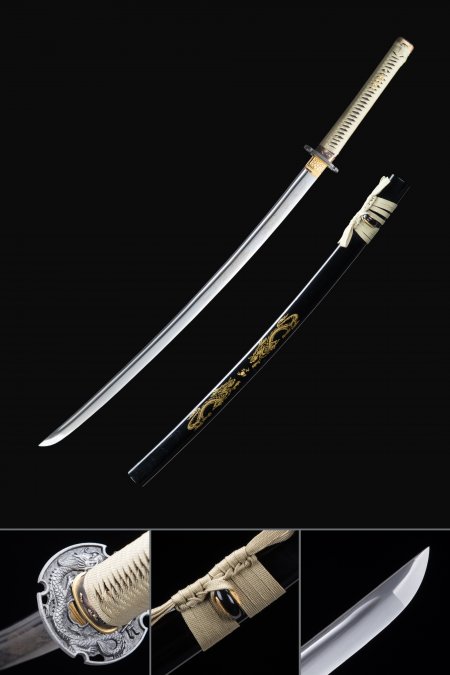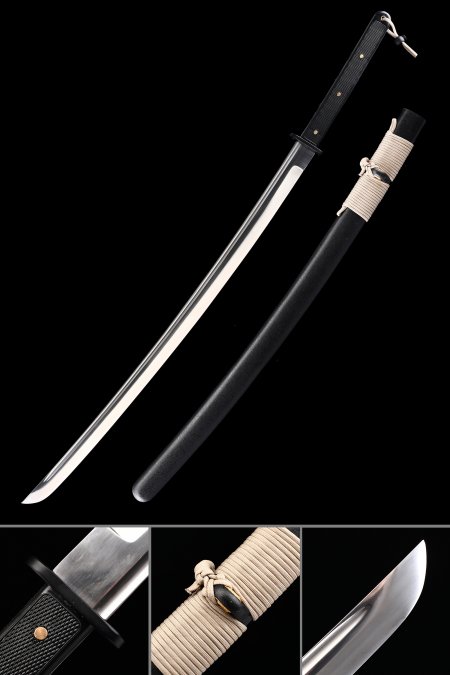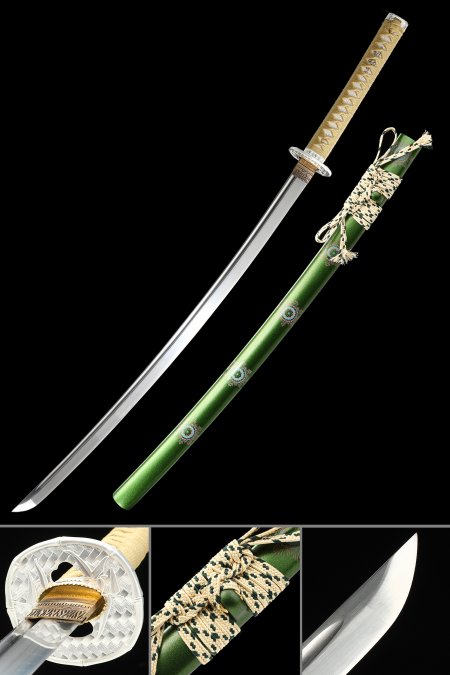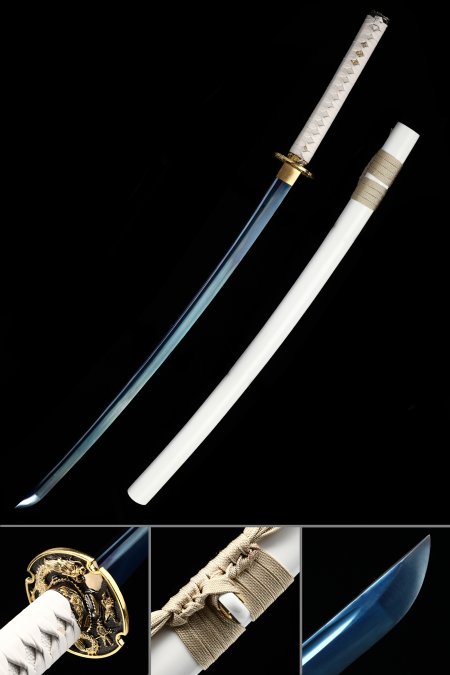
Beige Sageo Katana

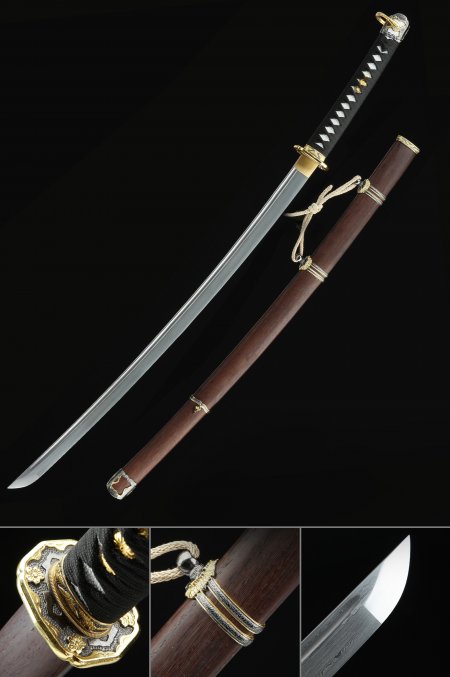
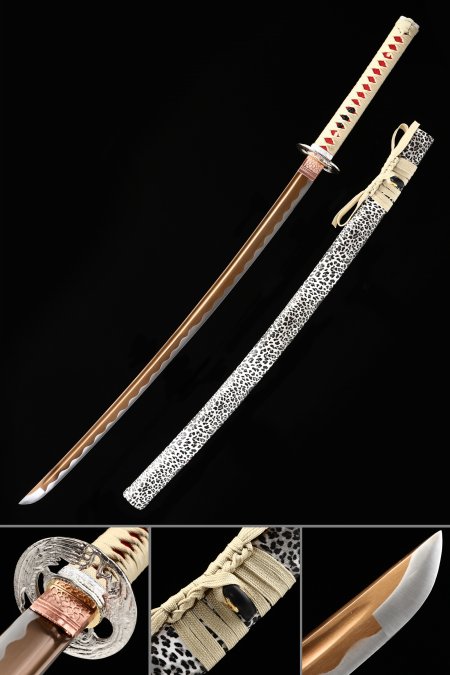
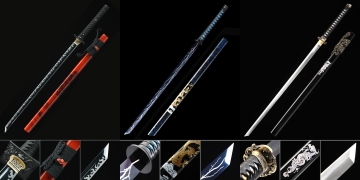
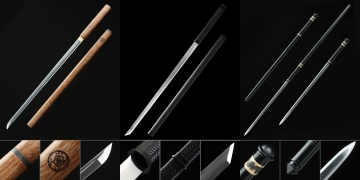
A beige sageo katana brings a refined, understated elegance to any sword collection - the warm cord tone complementing lacquered saya and traditional fittings in a way few other color combinations can match. Every piece in this collection is hand-assembled with full-tang construction and genuine attention to hardware detail, from tsuba to tsuka-ito. Explore these display-ready katana and enjoy free standard shipping on your order, backed by our hassle-free return policy.
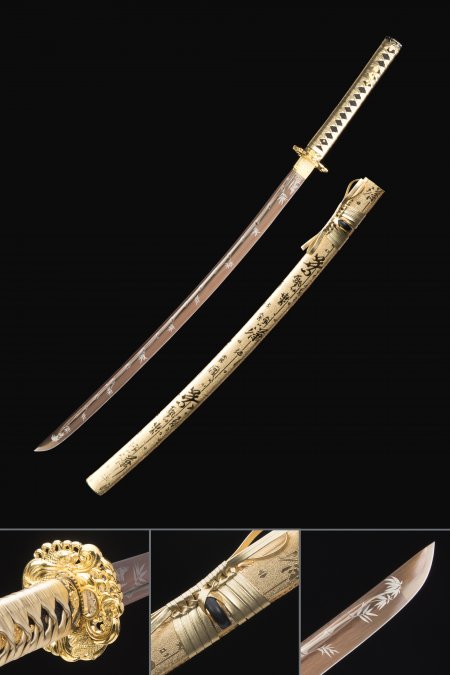
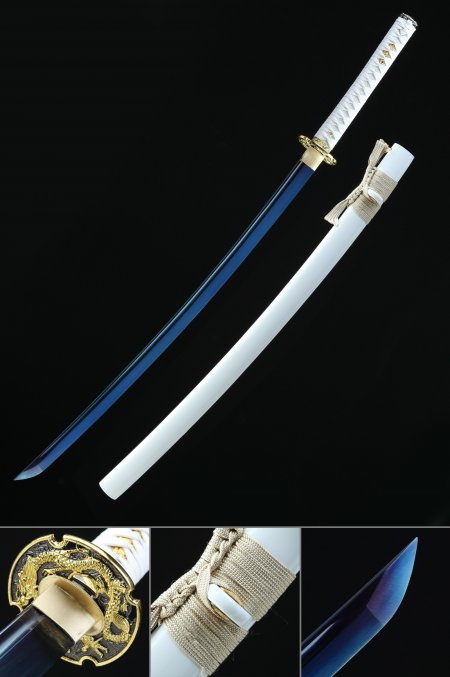
Showing 22 Products

Related Collections

Tanto Blade79 items


382 Reviews

Reverse Blade Sword128 items


1632 Reviews

Dragon Saya Ninjato32 items


83 Reviews

Plain Tsuba Ninjato47 items


503 Reviews

Frequently Asked Questions

What does the sageo cord do on a display katana?
On a traditional Japanese katana, the sageo is the cord threaded through the kurigata - a small knob on the saya - and was historically used to tie the scabbard to the wearer's obi sash. On a modern collectible or display katana, it serves no functional carrying purpose, but it remains a critical aesthetic component. The color, material, and length of the sageo contribute significantly to the sword's overall visual harmony. Beige or cream sageo cords are particularly versatile: they complement both dark lacquered saya and lighter finishes without overpowering the blade or fittings. Collectors often evaluate sageo quality by its weave consistency and how cleanly it threads through the kurigata. Silk sageo have a subtle luster that synthetic versions approximate but rarely match exactly - something worth examining when comparing pieces at different price points.
How does 1045 carbon steel compare to 1065 in a display katana?
Both 1045 and 1065 are medium-to-high carbon steel grades commonly used in hand-forged katana. The numbers refer to carbon content - 1045 contains approximately 0.45% carbon, while 1065 sits at around 0.65%. For display collectors, the practical difference shows up mainly in blade character: 1065 steel tends to produce a more refined grain structure during forging and polishing, which some collectors find more visually interesting at close inspection. 1045 is slightly more forgiving in terms of surface maintenance and is an excellent choice for those prioritizing value and full-tang construction over metallurgical nuance. Neither grade is inherently superior for display purposes - the choice often comes down to budget, aesthetic preference, and how closely you plan to examine and handle the piece in your collection.
Is a full-tang katana better for display than a partial-tang one?
Full-tang construction means the blade steel extends continuously through the entire length of the handle, secured with mekugi pegs through the tsuka. This is widely considered the correct construction standard among serious collectors for two reasons. First, it ensures the blade and handle form a single structurally sound unit, which matters even for display pieces that are occasionally handled or repositioned. Second, full-tang construction is a reliable indicator of overall build quality - manufacturers who get this detail right tend to invest similar care in fittings, saya finish, and cord wrapping. Partial-tang katana, where the blade only extends partway into the handle, are generally associated with lower-cost production and are less desirable to experienced collectors regardless of external appearance.
How should I store a beige sageo katana to prevent cord fading?
Beige and cream-toned sageo cords are particularly susceptible to two environmental threats: UV light and humidity. Direct sunlight will gradually yellow or bleach the cord fibers, shifting the tone in ways that are difficult to reverse. High humidity can cause silk sageo to develop mold or lose structural integrity over time, while very dry conditions may cause brittleness. Best practice is to display or store your katana in a climate-controlled room away from windows, ideally on a horizontal sword stand. If storing long-term, a sword bag or padded case adds an extra layer of protection. Keep the blade lightly oiled with choji oil to protect the steel, but avoid letting oil contact the sageo cord or tsuka-ito wrap, as petroleum-based products can stain natural fiber materials.
What shorter blades pair well with a beige sageo katana for a display set?
Collectors building a multi-piece display often look for a shorter companion blade that shares visual cues with their katana - matching or complementary cord tones, coordinated tsuba style, and compatible saya finish. A beige sageo katana pairs naturally with tanto or aikuchi pieces that share warm neutral tones in their fittings and wrapping. The scale contrast between a full-length katana and a tanto or aikuchi creates visual interest on a display rack without requiring an exact match in every detail. Period-appropriate pairings also add historical narrative to a collection - a classical Japanese-style katana alongside a historically styled tanto, for example, evokes the traditional daisho concept of paired long and short blades that defined samurai arms culture for centuries.

Customer Reviews

Cart 0 Items

Your cart is empty