Free Shipping
1,019.00 USD
ON SALE! 20% OFF
Was: 1,279.00 USD

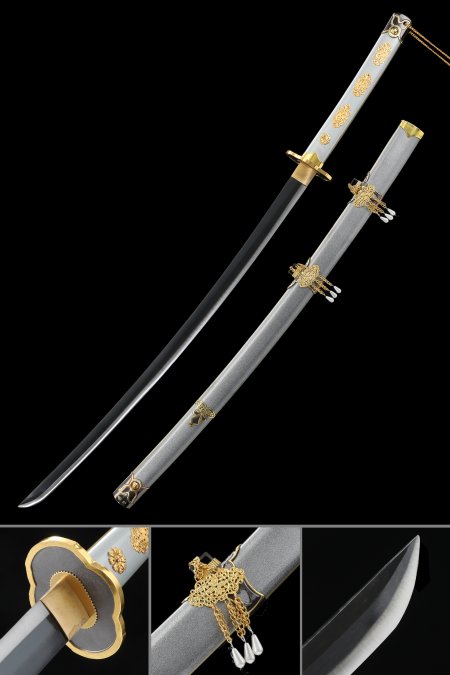
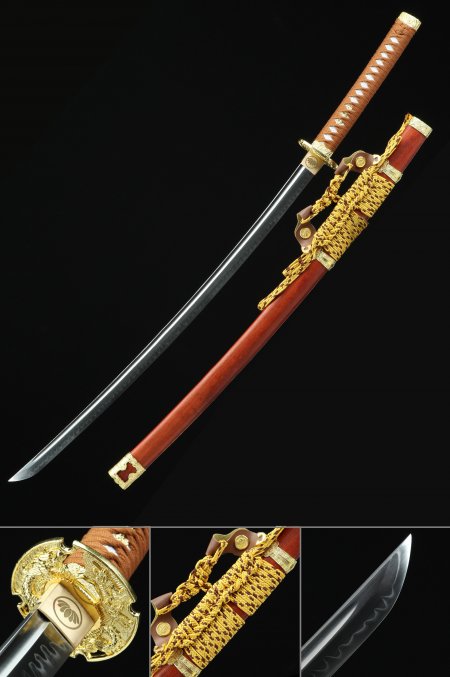
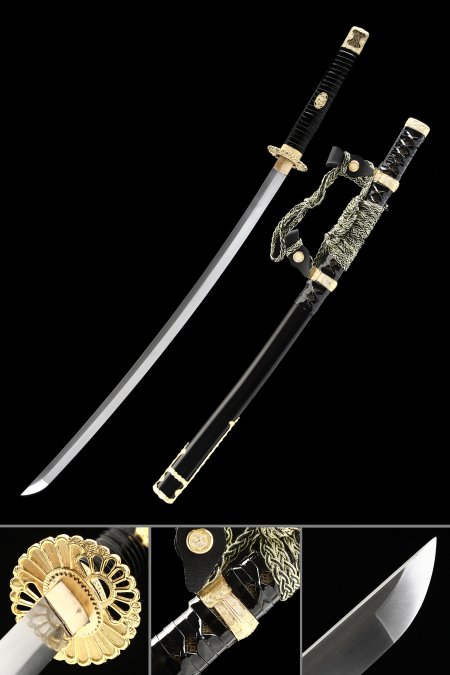
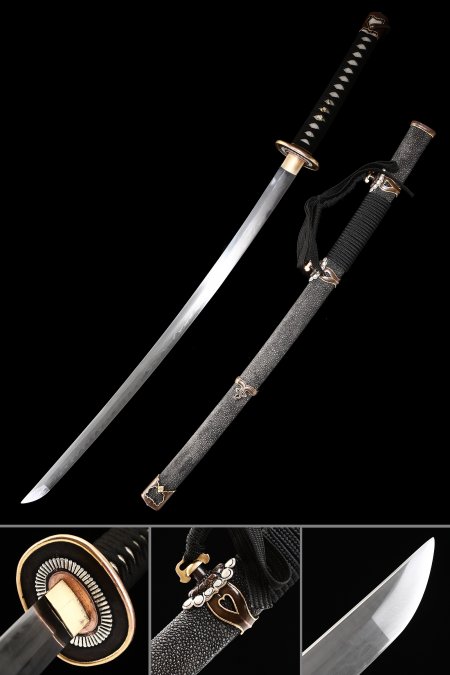
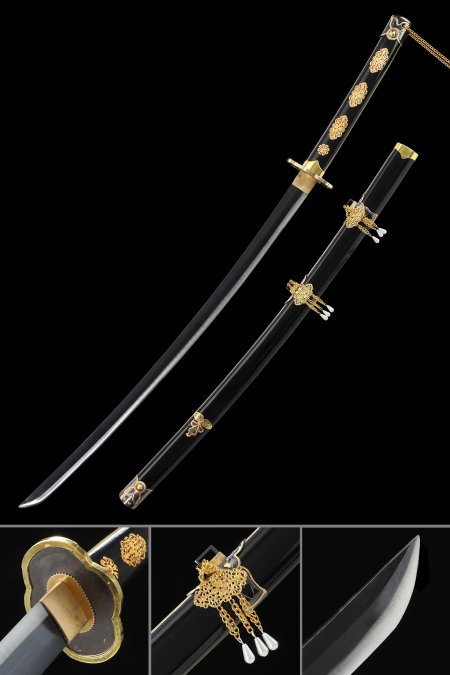
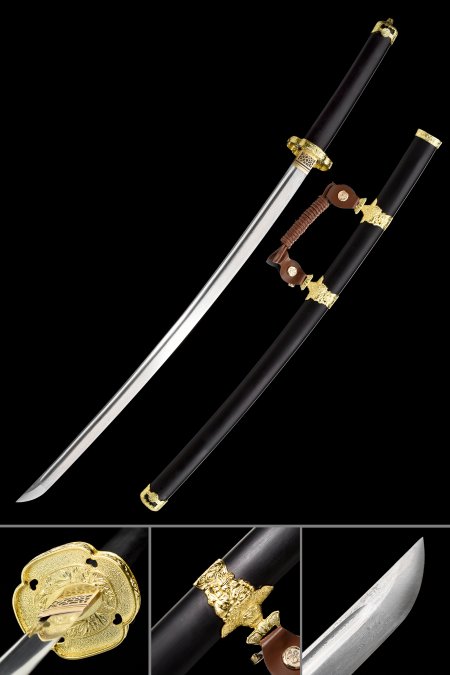
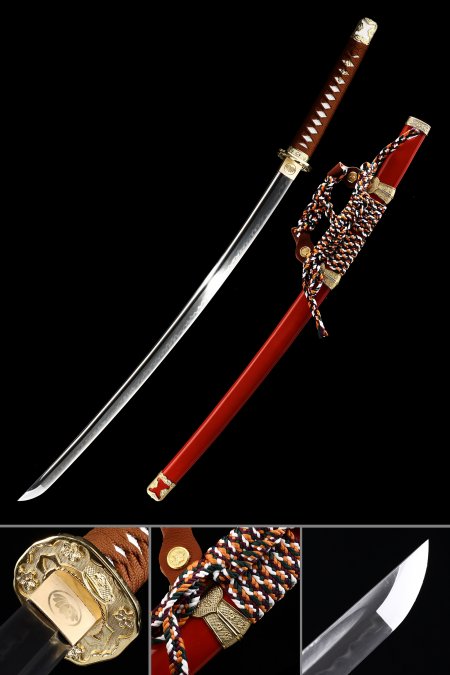
Gold Tsuba Tachi swords represent the convergence of classical Japanese sword-making tradition and refined aesthetic sensibility. Each piece in this collection features a distinctive gold-finished guard that frames the blade with an air of imperial elegance, complementing lacquered saya, hand-wrapped ito, and high-carbon or Damascus steel construction. These tachi are crafted for discerning collectors who value both visual artistry and authentic smithing technique. Every order ships free with hassle-free returns, so adding a centerpiece to your display has never been easier.
Perfect transaction. Order came in earlier than expected. We;; padded and packaged. Exactly as pictured onsite. I am very happy to have this item.
 |
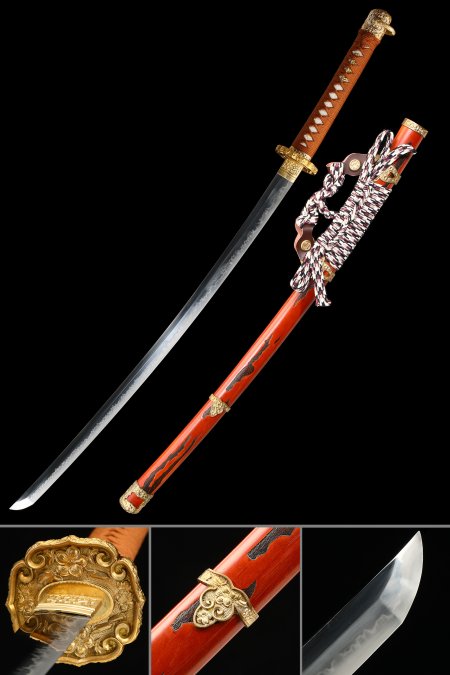
T10 Steel Tachi Odachi with Real Hamon in Red Lacquer Saya - Gold Tsuba, Brown Cord Handle |
O.K. with me. I have one tachi, a katana, one wakizashi, one ninjato and one tanto. Enough, for naginata is already to much. Thank you! Petrica Bunea.
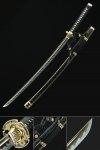 |
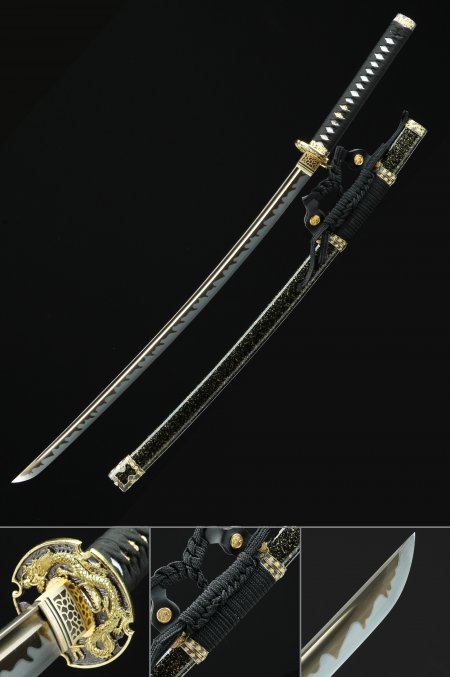
Odachi Sword High Manganese Steel with Dragon Tsuba - Black-Gold Saya, Chrome Blade, 41 IN |
Great sword company with a lot of options. Outstanding communication if there’s a problem rest assured they will take care of it.
|
T10 Steel Tachi Odachi with Real Hamon in Red Lacquer Saya - Gold Tsuba, Brown Cord Handle |
it’s pretty cool sword, looks pretty nice. i got it hanging in my room if anyone tries to break in my home. makes me feel like a japanese samurai
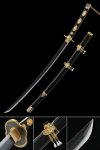 |
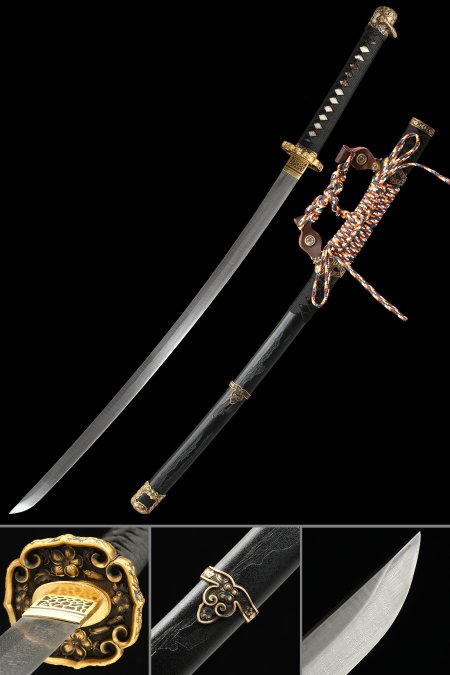
Tsurumaru Kuninaga Tachi Sword in 1060 Carbon Steel - Black & Gold Touken Ranbu Replica |
Everything as stated and expected, great service
|
T10 Steel Tachi Odachi with Real Hamon in Red Lacquer Saya - Gold Tsuba, Brown Cord Handle |
It's a really nice sword, sharp too. Looks great on the wall thank you so much.
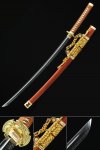 |
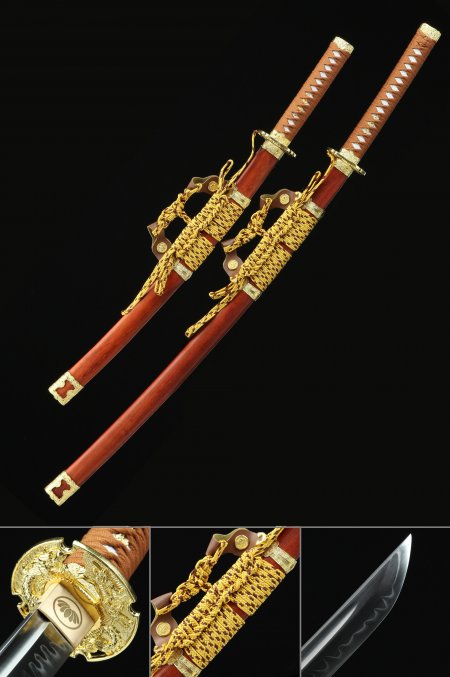
T10 Steel Tachi Katana with Real Hamon in Red Lacquer Saya - Gold Chrysanthemum Tsuba, Brown Cord Handle |
I had bought this entertainment center while living in Okinawa back in the early 90s and finally repurposed it as a curio display. The Daisho set matches perfectly with the decor and aside from their beauty, they’re deadly sharp if needed as a weapon.
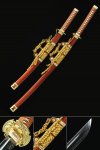 |
T10 Steel Daisho Set Katana & Wakizashi with Dark Red Saya, Gold Tsuba & Brown Ito |
Everything about ordering from TRUEKATANA was excellent. The product quality, communications, delivery, and condition received exceeded my expectations. I will be ordering from them again. DeeBee
|
T10 Steel Daisho Set Katana & Wakizashi with Dark Red Saya, Gold Tsuba & Brown Ito |